
Entertainment
Juice WRLD Knew His Drug Use Was A Problem On “Wishing Well”
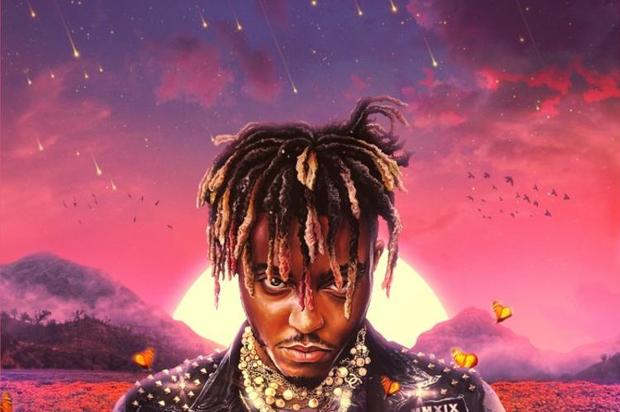
It’s hard to listen to Juice WRLD’s posthumous album Legends Never Die. The late 21-year-old rapper was on a path to superstardom, truly becoming a legend during his short time on this planet. While he may no longer be with us, he knew that his death was preventable. He says so on the new song “Wishing Well,” which some fans affectionately know as “Lauryn Hill.”
The track is the fourteenth song on the tracklist and it speaks to Juice’s struggles with drug addiction. As you likely know, the Chicago artist passed away in December 2019 from an overdose after landing in his hometown. He is said to have downed a lot of pills after the feds were called about the drugs onboard his jet.
Some of the lyrics on “Wishing Well” are incredibly haunting, including when he speaks about how he knows that he won’t be on Earth much longer if he continues on his path to destruction, despite not knowing how he would live without the pills.
“Drugs killing me softly, Lauryn Hill,” he raps on the song.
This is just one of the records on Legends Never Die that deals with the problems Juice WRLD faced in his life.
Long Live Juice WRLD. Stream Legends Never Die here.
Quotable Lyrics:
Sometimes I don’t know how to feel
Let’s be for real
If it wasn’t for the pills, I wouldn’t be here
But if I keep taking these pills, I won’t be here, yeah
I just told y’all my secret, yeah
It’s tearing me to pieces
I really think I need them
I stopped taking the drugs and now the drugs take me












Celebrity
Yella Beezy’s Mo3 Murder Trial Gets New Court Date Before October Jury Selection
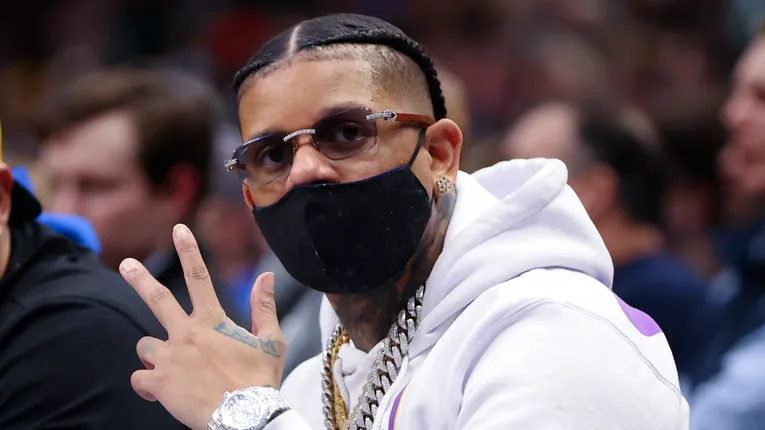
Next month, the jury selection process will get underway for the Yella Beezy murder-for-hire case. This is part of the legal proceedings surrounding the 2020 killing of Dallas rapper Mo3.
Beezy’s next hearing is set for October 6, 2026, in Dallas, Texas, according to the Dallas County Clerk and court documents reportedly obtained by Instagram user No Jumper. Judge Chika Anyiam is expected to preside ahead of jury selection later this month.
The latest court date follows Beezy and his defense team’s request for a delay. His trial was scheduled to begin Monday, September 14, but his attorneys asked for more time to obtain the written record from White’s trial. The defense also said a scheduling conflict involves an expert witness they plan to call. Prosecutors did not object to the request, and Judge Anyiam granted the delay.
White’s conviction could put some of the same evidence and arguments from his proceedings back in the spotlight at Beezy’s trial. But the allegation of Beezy orchestrating the killing presents a key issue unique to his case , the prosecutors’ efforts to prove payment. How the evidence is presented and challenged will be a key part of the proceedings.
Read More: A$AP Rocky Brings Rihanna and Son Riot Rose Onstage During Copenhagen
Another co-defendant is involved in the case. Prosecutors say Brown was allegedly in the car with White when Mo3 died in the Dallas Interstate 35 ambush. Brown is also charged with capital murder in the case.
The next big date on the calendar for now is October 6, when Beezy and his legal team are due back in court. Jury selection is scheduled for October 26, another significant step in the long-running legal saga surrounding the death of Mo3.
Celebrity
A$AP Rocky Brings Rihanna and Son Riot Rose Onstage During Copenhagen
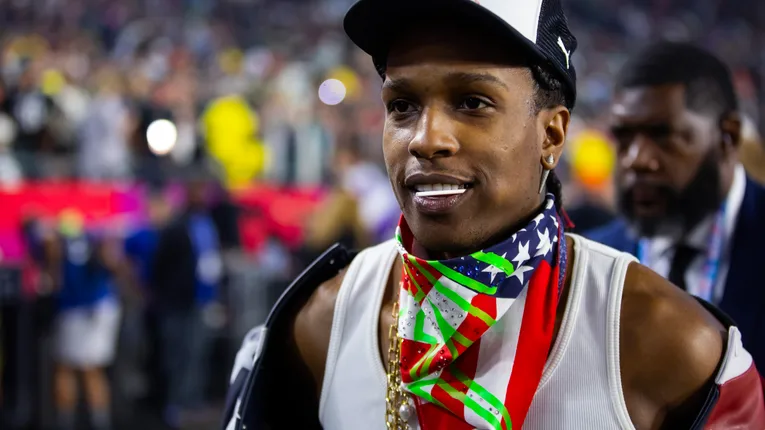
A$AP Rocky turned his Copenhagen tour stop into a memorable family affair when Rihanna and their son, Riot, joined him onstage during the European leg of his “Don’t Be Dumb” tour on Friday, September 18.
Closing out the show in Denmark, Rocky performed “Lord Pretty Flacko Joyde 2” and brought out Rihanna and Riot Rose to join him onstage. Livebitez captured the moment on camera and posted it to Instagram. In the clip, Rocky performs with his signature energy while Rihanna sits with Riot on her lap and enjoys the show.
Rihanna and Riot, along with several other family members and friends, have attended Rocky’s shows on tour, and their Copenhagen appearance is the latest example of the family showing up for the rapper’s latest run of performances.
Read More: DJ Akademiks questions if Lil Durk will get bond as the racketeering case goes on.
Meanwhile, speculation about Rocky and Rihanna has continued to swirl with rumors of the superstar couple being shot down in various ways time and time again. But their appearance in Copenhagen gave a glimpse of the family sharing a moment as Rocky continued his European tour.
The “Don’t Be Dumb” tour is still going strong, so fans will have to wait and see if Rihanna, Riot, or other members of Rocky’s family and circle make another appearance before the tour ends.

-

 Artist Spotlight6 days ago
iLLLACAT brings sharp bars and catchy production with latest release “Like Dat”
-

 Artist Spotlight6 days ago
Joshua Jamison unveils intimacy and a full rock expression on latest release “Windows”
-
 Artist Spotlight6 days ago
ALPHA CENTAURI blends hip-hop, funk and afrobeat ambition on latest release “The Future Right Now”
-

 Artist Spotlight6 days ago
Emilie Thorsby turns self-belief into a bold musical statement with latest release “Amazing as hell”
-

 Artist Spotlight5 days ago
Amanda Fagan unveils lost love and regret on latest release “Forever Yearn”
-

 Artist Spotlight6 days ago
UNDAUNTED unveils broken memories with latest release “Shattered Echoes”
-
 Artist Spotlight21 hours ago
“NO MORE” by Amanda Holley connects healing, awakening, and survival
-

 Artist Spotlight6 days ago
NITESHØRE embraces the long road to progress with “Marathon Mind”