
Music
The Best DMX Songs, Ranked
Getty Image / Uproxx Studios The most menacing presence in rap has a bite every bit as bad as his bark. …

The most menacing presence in rap has a bite every bit as bad as his bark. DMX emerged in the mid-1990s as a force to be reckoned with, distilling the gritty, pugnacious energy of New York City into a flow that snapped off every bar like a Doberman’s grip. His debut album, It’s Dark And Hell Is Hot, changed hip-hop forever, and for much of the late ’90s, DMX held a spot in every King Of New York debate. His chokehold on the game made him a fixture of video countdowns and radio rotation for most of the next decade, until the demons that he exorcised on each release finally caught up with him.
Last year, a rejuvenated DMX signed a new deal with Def Jam, reuniting with the label that helped turn him into a phenomenon and sparking renewed interest in future album releases from the man who once dominated hip-hop. Although the pandemic of 2020 undoubtedly slowed him down, if there’s one thing we’ve learned about Earl Simmons, it’s that nothing can keep him down for too long. While hip-hop awaits his future projects with bated breath, let’s take a look at the classic songs that made him such an icon and show why rap fans will always have a place in their hearts for Dark Man X.
Although this is a “Best Of” list, of course, “taste” is subjective. These are the songs that have made the biggest impact, so feel free to add your personal faves in the comments. Oh, and DMX has far too many amazing guest verses to list here, from “24 Hrs. To Live” with Mase and The LOX to “Money, Cash, Hoes” with Jay-Z and “4, 3, 2, 1” with LL Cool J. So, we’re sticking to DMX jams only.
10. “Where The Hood At?”
The second single from DMX’s fifth album, The Grand Champ doesn’t have quite the cultural pull of some of his other hits, mainly because it’s kind of a retread of his other anthemic moments. One thing it does have going for it though: What is quite possibly the most mind-bending moment in political theater we’ve ever seen.
9. “X Gon’ Give It to Ya”
X’s last big single sent him off with a bang. The lead single from the Cradle 2 The Grave soundtrack was better than the movie itself could have hoped to be (Earl Simmons is no Bobby DeNiro, gang) and with its driving beat, it became a career-defining smash, summing up everything that DMX is in one explosive finale. The song’s impact is as evident as it is ubiquitous; MMA fighters have walked out to it, Rick and Morty jammed out to it in season one of their eponymous show, and Deadpool merrily prepared to murder a pack of goons in his 2016 film.
8. “How’s It Goin’ Down”
DMX’s fourth single found him softening his image just enough that a pretty-sounding duet with Faith Evans wasn’t too out-of-place, proving that even thugs need love. Of course, with the song shot through by X’s usual subliminal paranoia, it’s less romantic than it is a rumination on the disintegration of a toxic relationship. Plus, there’s a bonus Ja Rule cameo in the video, from a time before the two rappers were at each other’s throats.
7. “Get At Me Dog”
DMX’s debut single landed in 1998 and instantly made “where my dawgs at?” a rallying cry for tough guys everywhere. Entering a hip-hop world that had just been stripped of its edge in raw, Thug Life-embracing rappers like Tupac, DMX immediately threw his hat in the ring for the next focal point for rap’s most belligerent impulses.
6. “Stop Being Greedy”
With a beat like a horror movie soundtrack, the second single from Hell Is Hot expands on the conditions that generated his truculent attitude. The draw of “Stop Being Greedy” is that illumination; the hellions of rap aren’t that way because it’s cool or fun, but because their “ribs is touching.” And hey, if anything, the intervening decades have only highlighted the message of the title; as billionaires accept government handouts while their workers starve, don’t be surprised if this one becomes a rallying cry for those who have-not when they start coming for what’s owed.
5. “What These Bitches Want”
Transforming the sinister serial killer to a playboy may have been the best trick this 1999 single pulled. Pairing X with Sisqo at the height of their respective powers (Sisqo had just released his album The Dragon and “Thong Song” was absolutely throttling the charts), the sequence of the song in which DMX lists his conquests resurfaced this year as an internet meme, proving that sometimes stepping out of your comfort zone can pay off in unexpected ways — even if it takes a while. Shout-out to all three Kims.
4. “Who We Be”
By the time The Great Depression rolled out in 2001, DMX had lost a little momentum. Its second single, “Who We Be,” was the only one to chart on the Hot 100. But what a song it is. X may as well have been predicting the events of 2020, highlighting police brutality and mass incarceration, mental health, and poverty conditions, as well as a slick mention of how easily rap stardom can turn toxic for its entertainers, all projected over images of 1960s Civil Rights Movement protests that could very well have been shot this year.
3. “Ruff Ryders’ Anthem”
Handy if you’re ever on fire — or if the block is hot — DMX’s third single from his debut is often considered one of hip-hop’s greatest songs. It helped establish Swizz Beatz as a go-to hitmaker and made just about everyone who watched the music video any of the 411 times it played a day fiend for an ATV. Strangely enough, it’s a song DMX apparently didn’t even want to do because of its “awkward” blend of New York and Atlanta aesthetics — then a no-no for an aggressive New Yorker (remember, this was the year they booed Outkast). Fortunately, he gave it a go and gave us the ultimate rap fight song.
2. “Slippin’”
X addressed his many, many issues often throughout his catalog, but rarely ever as poignantly as he did on “Slippin’.” One of his most relatable songs — in spirit, if not content — the first single from his 1998 second studio album Flesh of My Flesh, Blood of My Blood saw DMX rapping over a melancholy sample from Grover Washington Jr.’s “Moonstreams,” laying bare the traumas, losses, and minor victories of his biography. Yet what made the song resonate with audiences was the subtle optimism expressed in the hook: “I got to get up.” That’s something we can all relate to, even if our problems pale in comparison.
1. “Party Up (Up in Here)”
By 2000, DMX had become so big that even my pastor was quoting the second single from his third album … And Then There Was X. “Party Up” would become DMX’s highest-charting single and a pop-culture juggernaut that has featured in dozens of commercials, movies, TV shows, and video games thanks to its instantly recognizable beat by Swizz Beatz and a hook that turns any shindig into a straight-up hootenanny (there’s a difference, trust me). There’s even an indirect reference to the track in Hamilton, meaning even Upper West Side liberal white people will have at least passing familiarity with the guy they would call the cops on instantly.

Artist Spotlight
Alwyn Morrison explores betrayal, judgment, and survival on new EP “Trial”

Life isn’t always a straight line, and Alwyn Morrison explores that in “Trial,” a four-track EP that goes beyond the familiar territory of love and heartbreak. The project blends pop, rock, and singer-songwriter influences, exploring themes of betrayal, false accusations, emotional pain, self-defense, and survival. Each track is inspired by courtrooms and is a step in a personal journey of understanding, acceptance, and ultimately freedom.
The first track, “Puzzle Piece,” is Morrison’s raw, heavy alternative rock sound, fitting the weight of betrayal and false accusations. The song has a sense of tension, putting you in the shoes of someone trying to understand a difficult situation. Followed by “Everybody Bleeds,” which follows that emotional path, creating a song about confusion, openness, and the struggles we all face, and it’s an emotional listen, with hard truths and personal experiences laid bare.
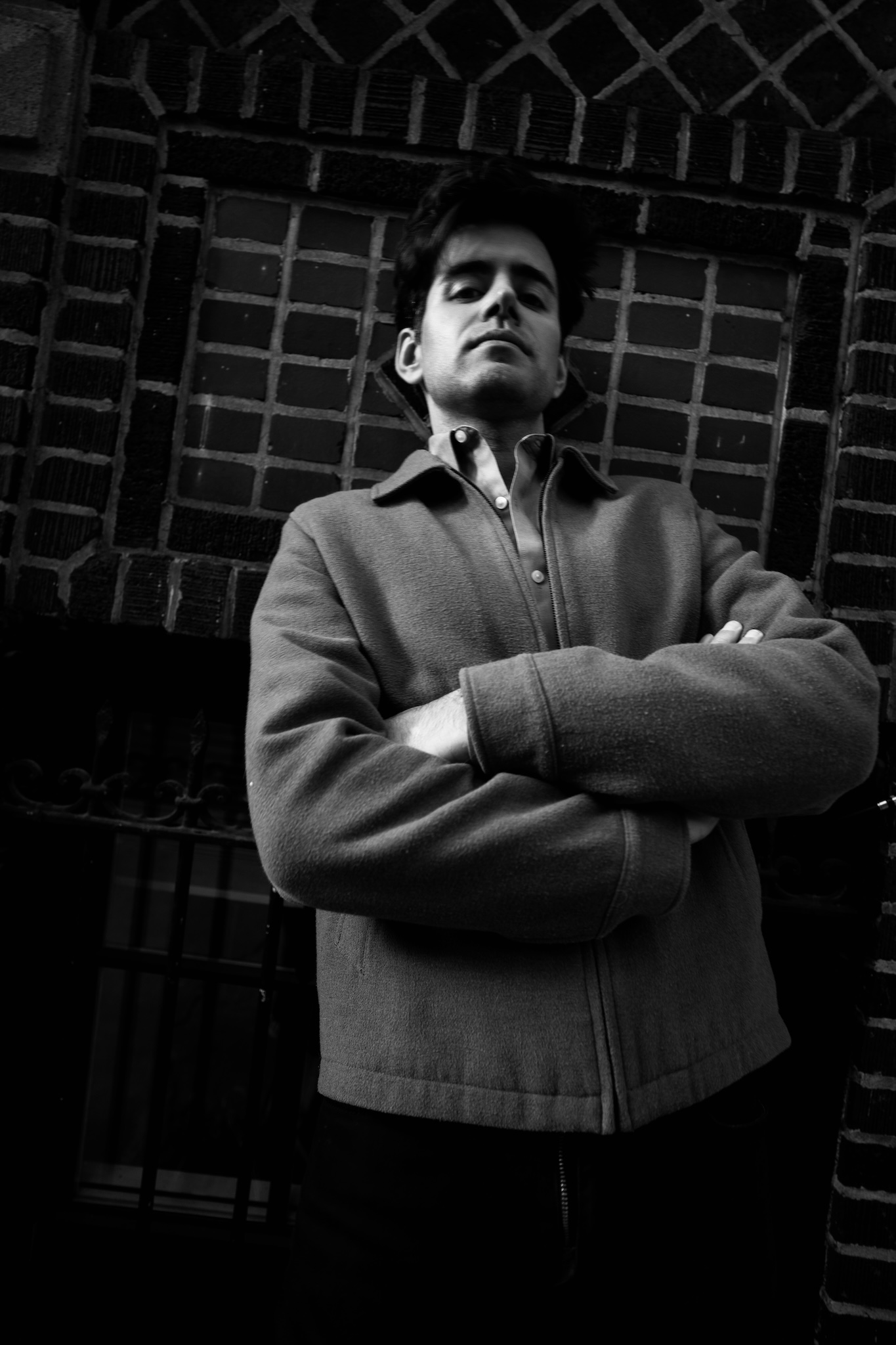
The project’s focus track, “Monster,” goes into more personal territory. It explores what happens when we are judged or condemned for the choices we make, and it carries a message that goes far beyond Morrison’s own experience. The central theme will strike a chord with anyone who has felt misunderstood, unfairly labeled, or defined by others’ opinions.
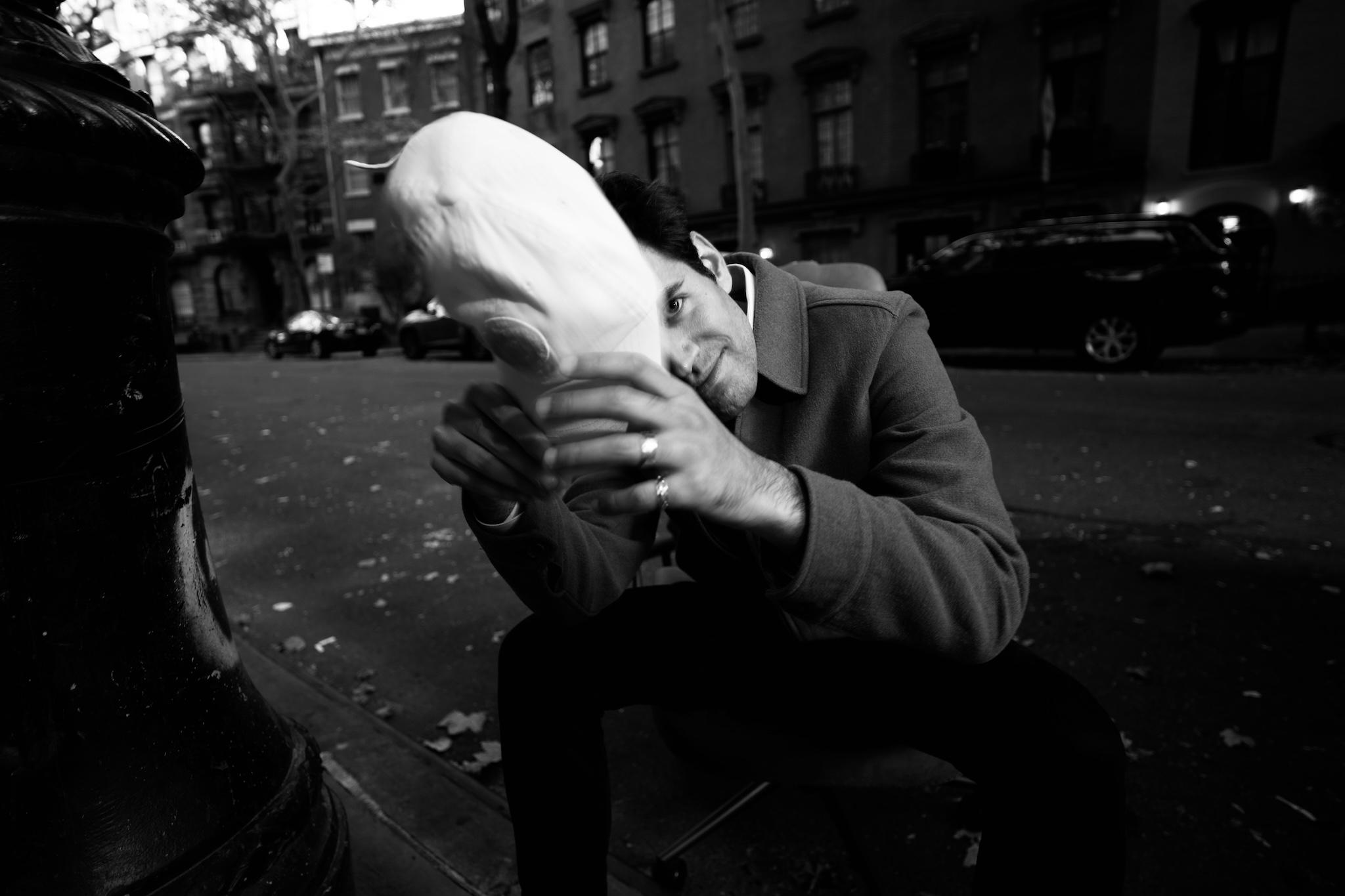
The EP closes with “Fireflies,” a track that shifts the mood, contrasting childhood innocence and memories with the realities of adult life. The sequence moves the story toward resilience, survival, and earned acceptance. Alwyn Morrison spins a musical tale of hard life experiences put to the test. The courtroom concept gives the four songs real purpose to move on without letting past experience dictate the future.
Artist Spotlight
Fanny Alexandra explores emotional recovery and self-discovery on “Ceasefire”

Not every fight ends a relationship, and there could be long-term emotional damage, with questions about identity, attachment, and the difficult path to moving on. “Ceasefire” is a ghostly alternative rock ballad in which Fanny Alexandra navigates difficult terrain, exploring emotional dependency and the search for selfhood after a toxic relationship.
“Ceasefire” is full of sad melodies and hints of atmospheric rock, making it a dark, cinematic listen. The song’s alt-rock pivot provides an emotionally charged foundation, and it’s about the internal battle, especially when your identity has been so tied to another person.
Fanny Alexandra’s ethereal vocal approach suits the song, lending real emotional weight to the exploration of self-loss and internal tension. “Ceasefire” is a reflective track, with atmospheric instrumentation and deeply personal songwriting that capture feelings that can linger long after a tough chapter closes.
It’s about finding yourself again, and its emotional arc moves from openness and dependence to the hard-earned discovery that personal freedom is more than just walking away. Fanny Alexandra’s love for dark, emotional alternative music inspired “Ceasefire.” Her art is about intimate storytelling, cinematic atmosphere, and making music that explores the quieter struggles people tend to keep inside. In this record, she turns the fallout from a toxic relationship into a meditative reflection on the long road to selfhood.

-

 Album Review3 days ago
Legends of the Seven Golden Vampires explore healing and personal growth on “The Pumphouse of Broken Dreams” [album]
-

 Artist Spotlight3 days ago
Ricky’s Rebel Rabble honor family and remembrance through “Molly”
-

 Artist Spotlight4 days ago
T1M1 featuring Keybeaux confront artificial creativity with latest release “Hip Slop”
-

 Artist Spotlight3 days ago
for KING & COUNTRY celebrate faith and everyday joy on “the most beautiful colours”
-

 Album Review3 days ago
Brynja Rán finds clarity in complicated relationships on “Unblurred” [album]
-

 Artist Spotlight4 days ago
Lil Bales unveils a love bomb on latest release “Rust”
-
 Artist Spotlight1 day ago
Boy Sim explores heartbreak and self-deception on “Cloud Nine”
-

 Artist Spotlight4 days ago
Terry Ennison examines faith, illusion, death, and transformation on latest release “Testimonial”