
Artist Spotlight
SILLY BOY BLUE RELEASES DEBUT ALBUM “BREAKUP SONGS”
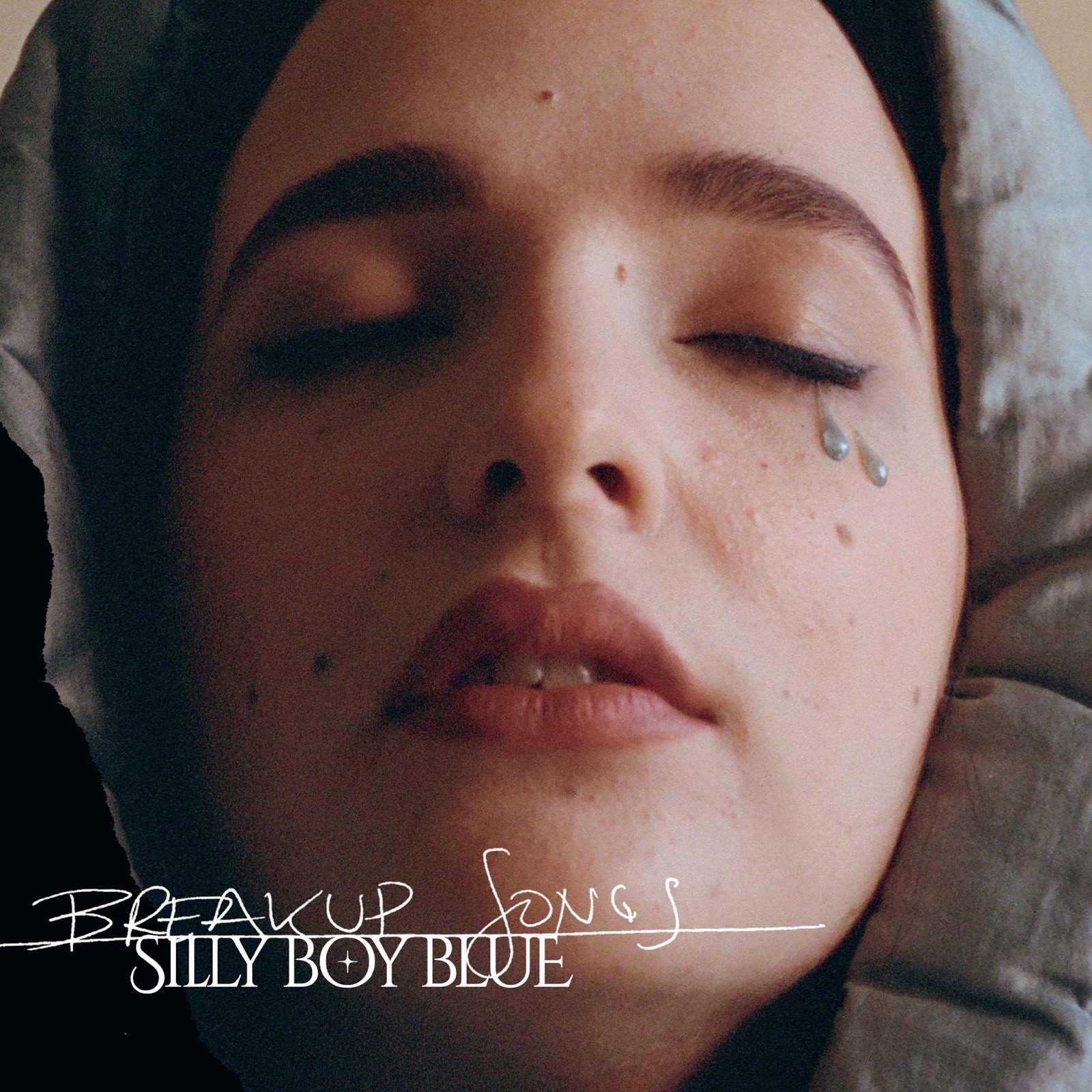
INDIE POP SINGER-SONGWRITER SILLY BOY BLUE RELEASES DEBUT ALBUM “BREAKUP SONGS”
The French artist Silly Boy Blue (Ana Benabdelkarim) releases her album Breakup Songs, the perfect name for her debut, which is all about the rollercoaster of love, from crushes to crashes.
The official music video for “Teenager“, filmed in her high school, can be seen.
Silly Boy Blue is a young singer, songwriter, multi-instrumentalist, and producer based in Paris, newly signed to Columbia France. She used to be a music journalist and started her artistic journey as part of the French band Pégase. Borrowing her name from a David Bowie song, Silly Boy Blue shares with him a taste for risk and a deep-rooted desire to push norms and codes. Ana’s universe is beautifully split between glam goth, emo, and bedroom pop, she is as bright as the sun and as dark as the night. Silly Boy Blue sings teen pop anthems and breakup songs and has a passion for 90’s music, movies & style.
“Teenager is the last song I wrote before starting the studio session. It is a sort of overview of what I am, of all the things I didn’t want to forget to mention in the album: to be a woman told to shut up, to not always fit in the box, to talk about sexuality too. I called it Teenager because it is the song I would have liked to write in my teenage years, and the lyrics I would have liked to hear. We shot the music video in the high school I used to go to, precisely where I spent those years.” – Silly Boy Blue
With sparkling eyes, Ana talks passionately about the musicians whose pictures are still pinned on her bedroom wall: Siouxsie & The Banshees, Marilyn Manson, The Cure, Fever Ray, Lady Gaga, Prince, Yeah Yeah Yeahs, Christine and the Queens, Frank Ocean, Joan Jett… She calls them untouchables, unreal. With her trademark modesty, she also shows her university thesis, called “The Androgynous bodies in music, from David Bowie to Mykki Blanco”… Digging into her memories, she talks about herself as a rebellious goth college girl, wearing proudly laddered tights. “I was more Outsider than Popular”, she recalls.
This rich and passionate build-up in music helped her to develop a solid and personal universe right from her first EP, the luxurious But You Will. The sound was definitely hers, a prowess far too rare in French pop, which very often has the bravery out shadowed by caution and the lack of ambition. The EP took its name from the film Eternal Sunshine Of The Spotless Mind. Sung in English, dreamy and wide, it revealed intimate songwriting, carnal, without prudishness, tortured but still strong. Like her all-time heroes Elliott Smith and Lana Del Rey, Silly Boy Blue cured her blues with words. Her songs mix sensual acoustic sounds and devilish electronics, forming a fascinating exercise of layers upon layers. Her music could be called “humble maximalism”, as opposed to “whinging minimalism”, as minimalism couldn’t contain all her desires of escapism, of post-pop in any case.
If she comes across as shy in the social circus, in day-to-day life, Ana certainly is not when it comes down to her music “Using the Silly Boy Blue persona allows me to be stronger, freer, braver than in real life. I desperately needed an avatar to be more honest and finally tell people how I feel. Even if I need songs to achieve this… Between Ana & Silly Boy Blue, I sometimes wonder who is the real me.” Ana describes herself as a romantic, incapable of expressing her feelings. Since the dark torment of her teenage years, she has learned how to live with crushes, love affairs reduced to silence by the capitulation of words, the impotency of failed courage. “In my head, I go through love affairs without the other person even being aware of it. But if I hadn’t had these things to write about in my teenage days, I don’t know how I would have gone through life. It really helped me understand myself, to find myself less weird.”
The first Silly Boy Blue album is comprised of 12 songs. Some will only need a guitar and a voice. Some others will require the wizardry and opulence of rhythm and arrangements. The recording started in Paris with Apollo Noir, who was joined in Normandy by Sam Tiba, from Club Cheval, also in charge of production duties. But Ana also operated on the mixing desk and has produced 3 songs on her own. “It was a feminist statement, she says. I really wanted to play every piece of piano and guitar, write the arrangements and produce some tracks. I am quite geeky but also impatient, which is a bad combination. It reinforces my fears of being useless, of being revealed as an imposter. Nevertheless, even though I have LOTS to say about being a female musician, I have even more things to discuss as a musician.”
This is what is striking in her songs: their meticulousness, their musicality. It describes perfectly well the rollercoaster of love, from crushes to crashes. No one will be surprised to hear that there is a special guest on most of these songs: melancholy. “I have always been very, very melancholic, says Ana. In my life and in my head, I collect memories, dates, feelings. They are all linked to songs.”
I asked her if the music still saves lives. She answers without a blink. “Without music, my life would have been totally different. It helped me to hate myself a bit less. My biggest dream would be that my album falls into the hands of an equally fucked up girl, who doesn’t know who she is if she prefers boys or girls. And that this girl feels OK while listening to me. I just want to pay forward what Bowie and others did for me.”
CONTACT Silly Boy Blue:
Follow on Instagram – https://www.instagram.com/sillyboybluemusic
Follow on Twitter – https://twitter.com/Anabenabs
Follow on Facebook – https://www.facebook.com/sillyboyblue1

Artist Spotlight
“Subterranean Homesick Blues” finds a new direction through Ghost of Panama
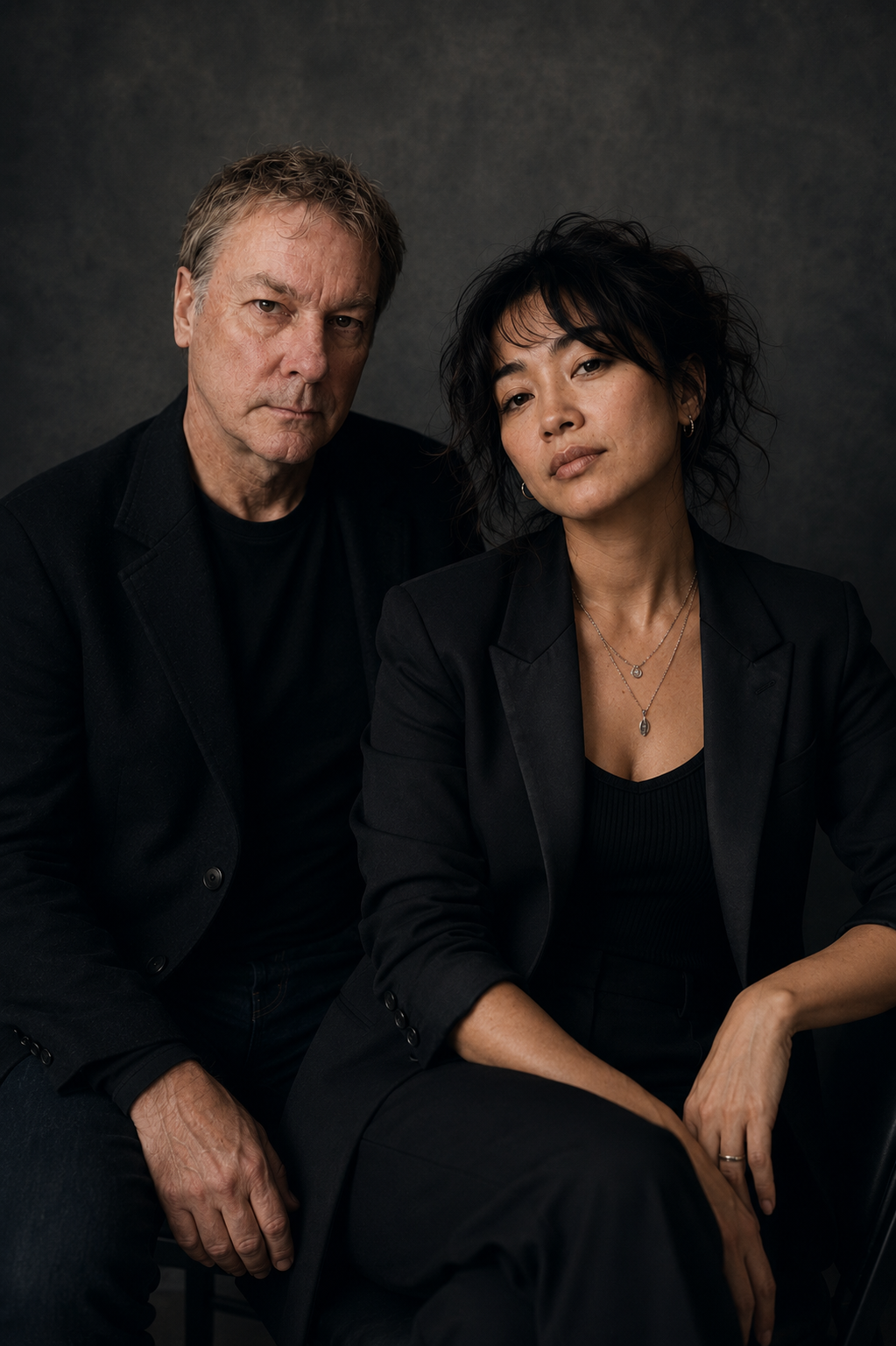
Rearranging a song that carries six decades of cultural weight is a creative challenge, but Ghost of Panama approaches “Subterranean Homesick Blues” with clear purpose. The rock band radically reworks Bob Dylan’s counter-culture hit, reshaping its identity while keeping its rebellious spirit. It’s a tribute to musical heritage and a statement of artistic independence all in one.
This new interpretation is very much shaped by the production, made at Ghost of Panama’s home studio in West London. The setting allows an intimate approach to reinterpreting a familiar song and lets the group engage directly with the material, taking it in a new artistic direction.
“Subterranean Homesick Blues” centers on the tension between conservation and transformation. Ghost of Panama is true to the song’s rebellious spirit without adding to its legacy, and this approach gives the release an adventurous feel, grounded in countercultural energy but driven by a desire to see what the composition can become in a different musical context.
Their version of this 60-year-old classic shows that respecting a song’s history can also mean breaking the rules and finding new ways to express its spirit. Fundamentally, “Subterranean Homesick Blues” presents Ghost of Panama as artists who want to engage with the past without being tied to it. The release’s strongest identity is a familiar heritage reimagined through a singularly forward-looking creative vision.
Artist Spotlight
“NO MORE” by Amanda Holley connects healing, awakening, and survival
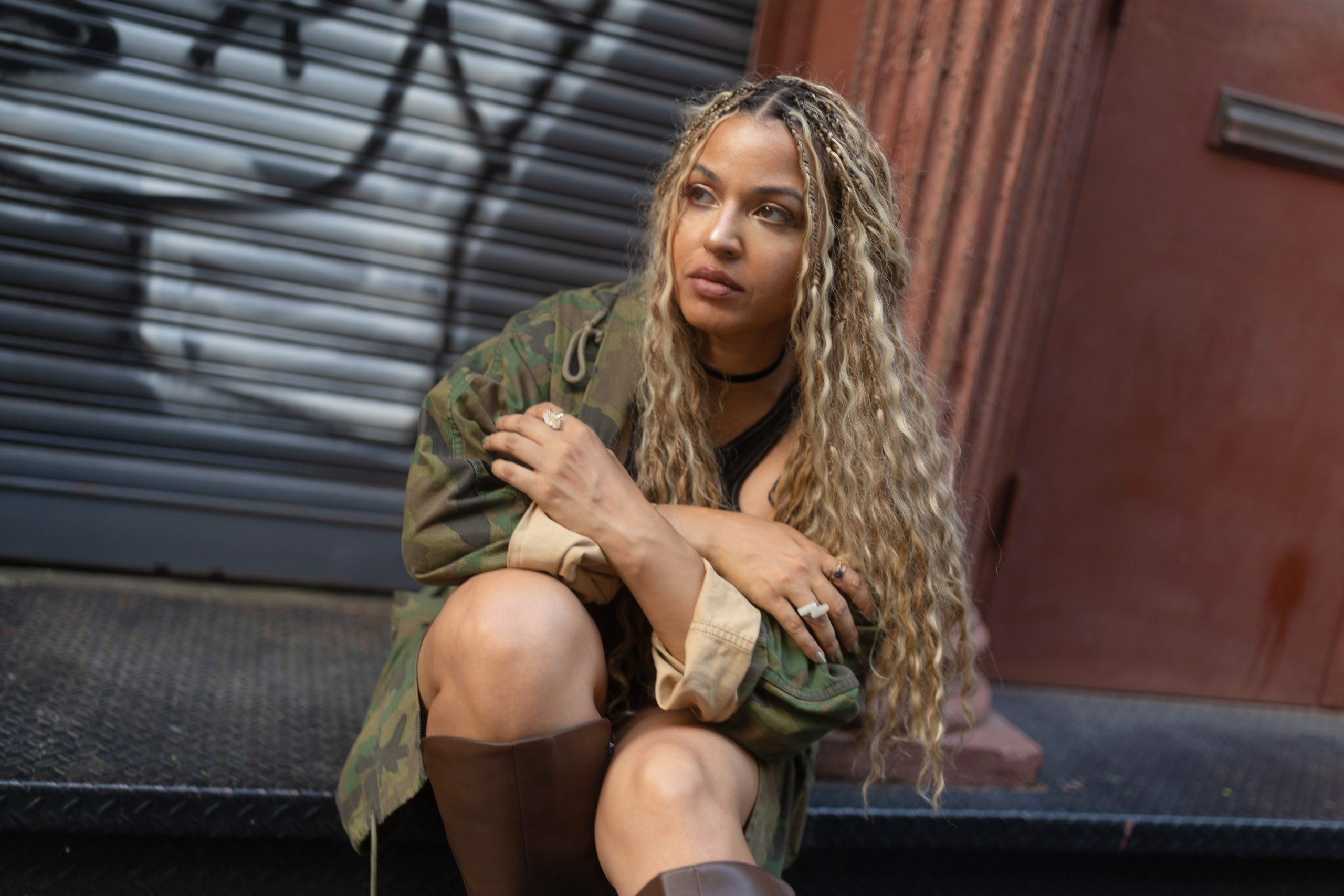
“NO MORE“ carries that kind of emotional weight, and some songs feel like they come from lived experience but reach for something bigger. Amanda Holley blends R&B and soul, turning a lifetime of survival into a vision of healing, awakening, and the determination to move beyond what caused the pain.
“NO MORE“ is a healing anthem for people who have gone through bad experiences and reached a place of higher awareness, but it’s also an emotionally charged protest. The duality is introspective and outward-looking at the same time, turning personal survival into a broader declaration that some experiences, conditions, or cycles should end.
Holley had a premonition of the song six months before the world went into global shutdown. In the vocal booth, working out melodies with her collaborators, she pictured people in the streets. Those images were hard to imagine at the time, but subsequent events would make them painfully familiar.
“NO MORE“ is given a particularly contemplative underpinning by the context. The identity of R&B and soul leaves room for emotion. The song’s themes link survival, awakening, resistance, and the need for change. Amanda Holley is an artist using music to process personal endurance and a broader sense of social awakening. It’s got a complicated significance, and its release feels like a glimpse of a moment when personal intuition and public reality collided in an unexpected way.
Photo Credit: Yulia Shusharina

-

 Artist Spotlight6 days ago
iLLLACAT brings sharp bars and catchy production with latest release “Like Dat”
-

 Artist Spotlight6 days ago
Joshua Jamison unveils intimacy and a full rock expression on latest release “Windows”
-
 Artist Spotlight6 days ago
ALPHA CENTAURI blends hip-hop, funk and afrobeat ambition on latest release “The Future Right Now”
-

 Artist Spotlight6 days ago
Emilie Thorsby turns self-belief into a bold musical statement with latest release “Amazing as hell”
-

 Artist Spotlight5 days ago
Amanda Fagan unveils lost love and regret on latest release “Forever Yearn”
-
 Artist Spotlight6 days ago
UNDAUNTED unveils broken memories with latest release “Shattered Echoes”
-

 Artist Spotlight1 day ago
“NO MORE” by Amanda Holley connects healing, awakening, and survival
-
 Artist Spotlight1 day ago
“Subterranean Homesick Blues” finds a new direction through Ghost of Panama