
Album Review
Artificial Incline unveils its emotionally charged new album premiere, “Used to Be”

The premiere of Artificial Incline’s latest album, “Used to Be,” enriches the musical landscape of Strathmore, Canada. This four-track masterpiece explores the complexities of romantic relationships, emotional resilience, and self-identity, offering a cathartic listening experience that transcends genre boundaries. The album showcases sophisticated lyrical craftsmanship while adhering to classic pop sensibilities, marking a significant evolution in Artificial Incline’s journey as an artist and songwriter.
Thematically, “Used to Be” draws inspiration from personal experiences of relationship discord, delving into topics such as infidelity, betrayal, emotional volatility, and verbal conflicts, all while seeking healing. Artificial Incline utilizes music to process trauma and achieve transformative catharsis. Reflecting on their artistic growth, they emphasize that “good things take time,” a sentiment echoed throughout the album’s dynamic and evocative tracks.
Opening with “King Without a Crown,” which explores existential loneliness alongside the quest for self-actualization. This classic pop anthem highlights the tension of navigating a life or ambition where recognition remains elusive. It captures the haunting reality of feeling lost while striving for greatness, embodying the paradox of “living the nightmare as a king without a crown.” Through enchanting vocal performances, Artificial Incline vividly conveys both regret and aspiration.
The title track, “Used to Be,” follows and provides a passionate, candid portrayal of yearning for clarity within failing relationships. Its stirring melodies and melancholic undertones reflect on past emotional frameworks, advocating for compassion and understanding during difficult times. This piece encourages listeners to embrace resilience and acknowledge the intricate fragility of love, resonating with those who have experienced the turmoil of fading connections.
“Far Away“ marks a significant shift toward introspection, featuring a soulful arrangement that radiates vulnerability. This track weaves a poetic and sonically rich tapestry, guiding listeners through a landscape of self-awareness and emotional clarity. Its evocative delivery pays heartfelt tribute to the insights gained from breaches of trust, offering solace to those who have found clarity on life’s unpredictable adventure.
Closing the album is “Ink and Color,” an elegantly crafted piece that leaves a lasting impression. This track seamlessly blends haunting rhythms with poignant storytelling about faded memories, combining catchy beats and expressive piano chords. The poetic lyricism and deep emotional resonance of “Ink and Color” reflect on the shadows of superficial love and attraction, ultimately shaping our identities.
Throughout “Used to Be,” each composition demonstrates meticulous melodic brilliance, with Artificial Incline showcasing its artistry through intricate beats, lush arrangements, and unmistakable authenticity. As they continue establishing their presence in the contemporary music scene, this album reinforces their emergence as a formidable musical force. “Used to Be” is valuable to the artist’s evolving discography, appealing to audiophiles and fans of innovative, genre-defying narratives. The emotionally resonant themes woven throughout these tracks engage a diverse global audience, marking this release as an essential listening experience not to be overlooked.
CLICK HERE TO STREAM Artificial Incline’s Album “Used to Be“ on Spotify.
CONNECT WITH Artificial Incline | Instagram |













Album Review
Ty Wilson delivers grit and heart on new country album “Northern Heart, Southern Soul”
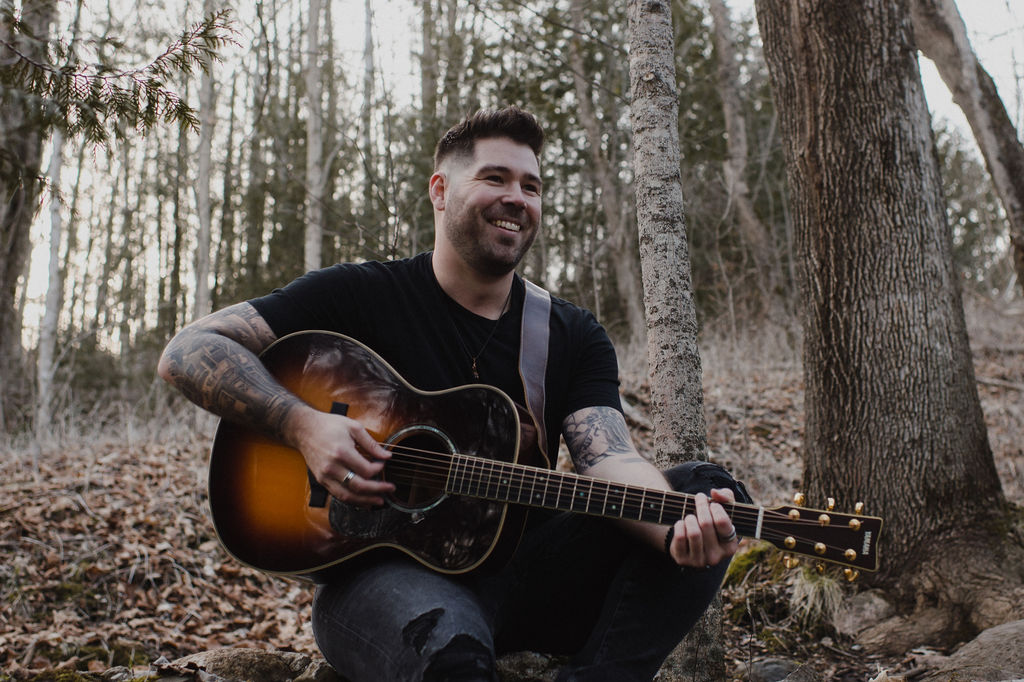
Ty Wilson’s “Northern Heart, Southern Soul” arrives like a long stretch of open highway at sunset as an honest, contemplative, and strategic ballad. Wilson’s eight-song LP marks the end of a project that melds his Canadian roots with the time-tested sounds of Southern country and Americana.
To give the album its sound, Wilson enlisted Nashville-based producer and drummer Jay Tooke, who has worked with groups such as The Steel Woods, Randy Houser, and Wyatt Flores. Production and engineering were handled by Edgewater Music Group, which is based in Texas, and the result is a brief but potent album that embraces the Southern sound he cherishes while retaining Wilson’s unique storytelling.
Always wanting to release a full-length album, Wilson has accomplished that with “Northern Heart, Southern Soul,” and its tied-together story reflects themes of perseverance, love, and contemplation. “Chasin’ Headlights“ is dedicated to his fiancée, a rock that sustains him on his busy touring schedule. It captures the silent grit that accompanies a life on the road. The album’s second single, “Alabama Way,“ is an unabashed nod to the Southern influences on the album after Wilson’s Red Dirt-informed sound.
Filling out the emotional spectrum of this album are songs like “Good Thing Goin’” and “Missin’ the Boat,“ which indulge happy thoughts about romance and momentum, alongside deeper rumination on regret and fidelity in works like “Can’t Live Without Her.“ “Knew You Then,“ with Mason Keck, brings a reflective edge as it reminisces about relationships and the passage of time.
One of the best songs on the album is “Born to Lose,” and it’s a testament to the power of classic country storytelling. The power of hard times and perseverance underlies this song, which serves as a stirring reminder that some of the most poignant voices in populist music are born of struggle. The final song, “Glory, When I Win,” is equally good and provides a triumphant emotional payoff. The song really demonstrates how difficult it is for independent artists to break through. They have to cope with failure and keep going, hoping the next mile will be a winner.
“Northern Heart, Southern Soul” is a brief work at just 26 minutes and 40 seconds long, and it’s about keeping it real. It illustrates how a northern identity and southern influence can coexist, proving that exceptional country music has no geographical boundaries.
Connect with Ty Wilson on Website | Facebook | Instagram | Spotify | TikTok |
Album Review
Saint Escape sets the past on fire with latest release “Look At What You Made”

Saint Escape isn’t here to reconcile the past, they’re here to torch it. Now, with the release of their new single “Look At What You Made,” Saint Escape have unleashed a punishing, nu-metal-infused anthem that just sounds like an equal measure of reckoning and release. It is loud, confrontational, and honest, exactly what a purging rock record should be.
Produced and mixed by Joe Rickard, Starset, Three Days Grace, Breaking Benjamin, the track delivers a tight punch that fuses wild aggression and arena-sized power. “Look At What You Made” doesn’t stop. Rickard’s slick production redoubles Saint Escape’s raw edge rather than sanding it down, and the song takes on a huge, modern rock sound without losing its bite.
“Look At What You Made” is a primal response to toxic authority figures, the kind who kept order through fear, misinformation, and control, and knew where best to leave emotional scars. On “Look At What You Made,” the anger boiling beneath the surface becomes something purposeful, an anthem for anyone who’s been moulded by manipulation and left in its wake. The effect is communal shake-off, a determination not to be shaped by the past.
And lead vocalist Matt Cox provides a threatening, buffed clean vocal performance, of sorts as well, one that’s heavy with anger and determination. There is rage here, but also clarity, a sense that this is less about revenge than about reclaiming autonomy. As Cox puts it, the song is a purge, a reminder that the future belongs to those willing to to take it back. “Look At What You Made” is a testament to strength and newfound independence, it’s further evidence that Saint Escape are bleeding their past into something louder, stranger, and harder to ignore.

-

 Artist Spotlight6 days ago
Matt Johnson breathes new life into “For Good” with a solo piano interpretation
-

 Artist Spotlight6 days ago
Philly and Suzy poke fun at politics with “Dirty Little Girl”
-
 Artist Spotlight6 days ago
PJ Far-West Selecta drops roots reggae single to lift spirits on “Jah Jah Riddims”
-

 Artist Spotlight4 days ago
François Marius & Bérénice turn moments into magic with “Happy Day”
-

 Artist Spotlight6 days ago
Eylsia sings faith and healing in every note on “He Walked Among Us”
-

 Artist Spotlight4 days ago
Vibrational Match serves up light and breezy vibes in “On a Sunny Shore”
-

 Artist Spotlight4 days ago
Spiros Exaras blends jazz with greek roots on “Kalamatiano Medley”
-

 Artist Spotlight6 days ago
SweetCandy! and LAF822 flip the script in “Christmas in May”