
Story
Bryson Tiller “Anniversary” Review

Over three years since the release of his 2017 sophomore album, True To Self, Bryson Tiller came through with back-to-back music releases throughout the month of September. The Louisville singer dropped singles, “Inhale,” and “Always Forever,” followed by a TRAPSOUL deluxe, which included three new songs and a feature from The Weeknd.
The surprise drops built up fans’ excitement for Tiller’s grand finale, an announcement that he would be releasing his long-awaited third album, Anniversary, on October 2nd, marking the five-year anniversary of TRAPSOUL. The album’s cover photo fittingly mirrors the TRAPSOUL cover, with Tiller symbolically facing the opposite direction this time around and the color shifting from a deep red to deep blue. Tiller’s intended message with this album is crystal-clear: just like he oh-so-fittingly foretold on “Don’t” all those years ago, he’s back and he’s better, but not without some emotional turmoil.
Anniversary contains many of the elements necessary to fill the Cuffing Season album role, packed with Tiller’s signature 808s and assiduous yearnings for a woman whom he feels is slipping away from him. Finally free from the legal troubles he faced with his former management as well as a perhaps overwhelming sense of defeat following True To Self, Tiller seems to have been able to approach the making of Anniversary with a more clear mind, and intention.
On Anniversary, Tiller returns to his roots— so much so that many tracks on the album could even fit in seamlessly with their TRAPSOUL predecessors. While Anniversary might not necessarily be able to exceed the prestige of TRAPSOUL, due to simple circumstance and time, it is a solid body of work that shows promise for what is to come. Tiller’s most-celebrated body of work has incidentally also become the singer’s Everest: the daunting barrier planted firmly between him and attaining the “next level” as an artist.
Dave Kotinsky/Getty Images
Songs like “Always Forever,” “Sorrows,” and “Years Go By,” are surefire hits, and the album as a whole features Tiller’s characteristic admissions of love and heartbreak over soothing instrumentals, ensuring a gratifying listening experience.
On “Years Go By,” Tiller wastes no time addressing the elephant in the room— his hiatus from music. Tiller delves into the significance of the years that have gone by since TRAPSOUL, throughout which he grappled with his lack of confidence, struggling to shake the idea that his worth as an artist was derived solely from the public’s approval. He reveals that his desperation to fulfill the expectations of others came to the detriment of his music, digging him deeper and deeper into a pit of self-doubt. Tiller, however, has emerged from the darkness. No longer feeling his success is determined by praise and accolades, he’s shifted his focus to putting out work that feels authentic to who he is. With this, Tiller declares that his hit-music-making alter ego, God Tiller, has officially returned.
While “Years Go By” packs a punch straight out the gate, the remainder of the tracklist is much more of a slow burn. On “Things Change,” Tiller recounts his remorse regarding a girl he did dirty, wishing he had acted differently and wondering where they would be if he had. “Inhale” and “Sorrows” tell of similar melancholy, one-sided love stories. The sentiments he explores on the album are, for the most part, pretty familiar— nostalgia is often an irresistible temptation for both listeners and artists alike, after all.
Tiller links up with Drake on “Outta Time,” in which the two unravel their failing respective romantic relationships in a quintessential embodiment of the artists’ shared and beloved good-guy shticks. Seeing as Drizzy was one of the first people to back Tiller even before the release of TRAPSOUL, excitement for a collab between the two has long been building. Finally delivering, the pair’s highly-anticipated song was amiable but notably lacked a hook, causing the track to narrowly miss out on being able to claim the album’s pinnacle, and lowering the song’s overall sing-along friendliness.
The album’s second-to-last track, “Keep Doing What You’re Doing,” opens up with a voicemail message from Tiller’ grandmother, who passed away in April of this year, and to whom Tiller dedicated the album. In a captivatingly vulnerable display, Tiller laid everything bare as he expressed to his grandmother his gratitude for her unconditional support, promising to hold it down in her absence. It was a perfect demonstration of the much-needed potent emotional candor that complements Tiller’s alluring, relaxed beats, and contrasts his typical demureness perfectly.
In short, fans who wanted TRAPSOUL-era Tiller back, got exactly that. However, it should be noted that unlike when Tiller made his debut back in 2015, today his sound is no longer the novelty it once was. While Tiller took a step back from the music scene in 2017, in favor of some well-deserved R&R, other soulful R&B singers like Brent Faiyaz and Summer Walker swooped in, picking up where he left off. A lot can change in five years, as Tiller clearly knows— still, it would be interesting for him to consider partaking in some creative rejuvenation and incorporating, or exploring, more experimental elements in his upcoming music.
Tiller has hinted at plans to release even more music this winter, making it possible that Anniversary is simply the warm-up for another potential album soon to come our way. Seeing as Anniversary was certainly a step up from True To Self, we have high hopes that any music Tiller does decide to grace us with will continue propelling the Louisville crooner’s sound, style, and legacy forward.

Story
François Marius and Bérénice creates a tender acoustic pop confession with “Billie Jean”
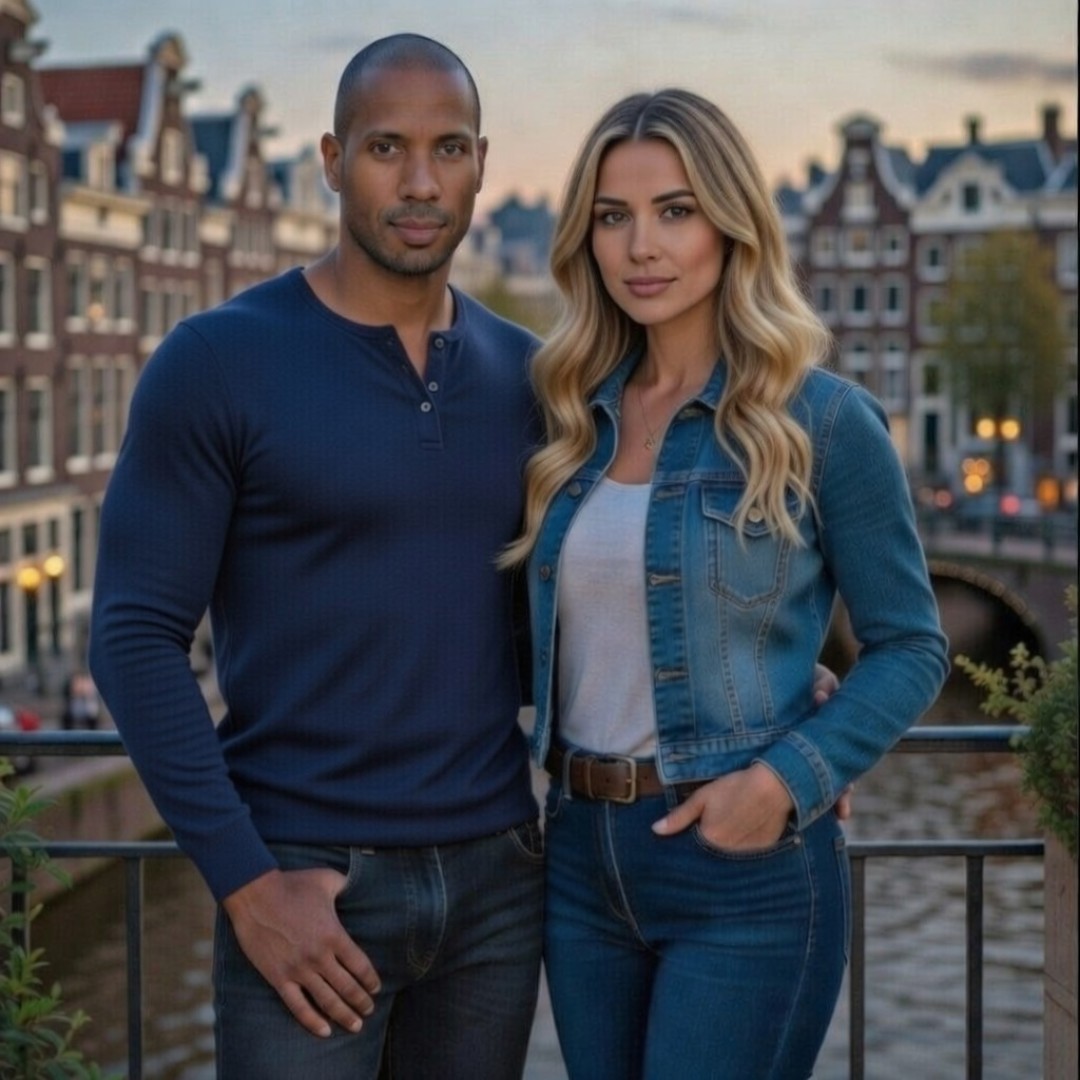
François Marius’ latest release, “Billie Jean (Acoustic Version),” cuts to the quick and lets raw emotion take over. What you get, ultimately, is a personal pop experience that feels closer to a secret than to either a spoken-word show or a performance. The initial soft strum of an acoustic guitar creates a mood that is soft, sweet, and quietly interesting. It’s a full-throated, backbones-out piece, and every note is screaming its potential. It’s simple but riveting, and it proves that sometimes less is more.
François Marius and Bérénice’s voices sound right together, their voicings intermingle so naturally that they seem accidental or spontaneous, harmonies that emerge from nowhere. The way they speak to one another is very, I mean, they really love each other. That even makes the track seem like a conversation about feelings.
The two artists are clearly close. Romance and Eros are not just ideas, and they inhabit every note that lingers and every minuscule shift in tonality. The harmonies soar effortlessly over the acoustic foundation, a blend of sweetness and strength. It’s a sign of strength and also of a willingness to be hurt.
“Billie Jean (Acoustic Version)” is stripped of any fancy production or theatrical effects, it wins you over with its frankness and forthrightness. Sandy François Marius’s impersonation is fresh and real, endowed with depth and softness thanks to Bérénice’s presence, which definitely makes everything more perfect. This acoustic performance serves as a stark reminder of the elements that do connect people: the singer, his guitar, and a story from the heart.
Connect with François Marius on Spotify || Instagram || Facebook || Youtube || Twitter || Soundcloud
Story
RoHaNa and Morpheus von Dobenhausen paint love in shadows and light “WHEN A BOY LOVES A WOMEN”

RoHaNa feat. Morpheus von Dobenhausen, in this new release, “When a Boy Loves a Woman,” This track, recorded in winter, has a hint of gothic style that blends emotional restraint with atmospheric elegance. The track is all about RoHaNa’s emotional singing, which fits perfectly with the carefully crafted production. Her voice shows desire, weakness, and dedication without being too loud, letting each note ring out. The result is a sound that affects people on a personal and universal level. There is a sense of innocence that permeates, capturing the delicate nature of love in its purest form.
Morpheus von Dobenhausen is a guest singer who deepens the track’s emotional journey. Their voices work together to make a conversation of feelings that is both clear and mysterious. The song doesn’t go too fast, so the listener can feel the mood and atmosphere as they go through its subtle changes.
“When a Boy Loves a Woman” is unique because it strikes the perfect balance between modern pop and gothic restraint. The result is a soundscape that is both creepy and easy to listen to. It is a moving story about love and devotion, told with grace and quiet strength.
With this first release, RoHaNa confidently joins the scene, thanks to XanadumusiX’s never-ending creative drive, even when things get hard in the winter. This release not only introduces a new artist with significant potential but also showcases a bold artistic direction in which emotion, atmosphere, and story come together to make a lasting impression.
Connect with Morpheus von Dobenhausen on Spotify || Instagram || Facebook || Youtube || Tiktok

-
 Artist Spotlight6 days ago
Matt Johnson breathes new life into “For Good” with a solo piano interpretation
-

 Artist Spotlight6 days ago
Philly and Suzy poke fun at politics with “Dirty Little Girl”
-
 Artist Spotlight6 days ago
PJ Far-West Selecta drops roots reggae single to lift spirits on “Jah Jah Riddims”
-

 Artist Spotlight4 days ago
François Marius & Bérénice turn moments into magic with “Happy Day”
-

 Artist Spotlight4 days ago
Vibrational Match serves up light and breezy vibes in “On a Sunny Shore”
-

 Artist Spotlight6 days ago
Eylsia sings faith and healing in every note on “He Walked Among Us”
-

 Artist Spotlight4 days ago
Spiros Exaras blends jazz with greek roots on “Kalamatiano Medley”
-

 Artist Spotlight4 days ago
Mracks paints city life in new release “Cornerstore”