
Electronic
Erik Aronesty paints a portrait of modern disconnection with “The Usual”

Erik Aronesty, hailing from New York, is back with a new single titled “The Usual.” This lo-fi pop song captures the feeling of being in a dream that you don’t want to escape. Its sound is raw and gentle, creating a vibe that is both detached and surprisingly deep. “The Usual” takes you on a journey that feels frozen in time, mixing memories and a hint of sadness. The music has a lightness to it, floating through your thoughts like mist on a quiet city street. Aronesty’s unique style blends soothing sounds with dreamy atmospheres, reflecting on feelings of loneliness and the odd routines of daily life. What sets this song apart is its straightforwardness.
Aronesty doesn’t use lots of fancy production tricks, he embraces a simple approach that highlights his emotional honesty. The rhythm gently moves under his vocals, which feel almost distant, as if he’s singing from another room. This feeling of being slightly apart lends depth to the lyrics, which speak to the monotony and numbness we often experience in our daily routines. There’s something profoundly human about how “The Usual” portrays emotional distance without turning cynical. The song feels more like an observation of life than a complaint about it, like a quiet sigh rather than a loud outcry for help.
In this subtle honesty lies its real strength. Aronesty is softly humming a tune as he navigates through it. With “The Usual,” Erik Aronesty shows us that music can make an impression without being loud. His calm style, combined with the mingling of sadness and beauty, makes him a unique voice in today’s indie music scene. This gently captures your attention over time, with a beauty that stays with you. If “The Usual” hints at what Aronesty has in store next, it’s certainly worth paying attention to quietly and with curiosity.

Album Review
Tangent return with “Disclosure,” a dark electronic journey through truth and uncertainty [album]
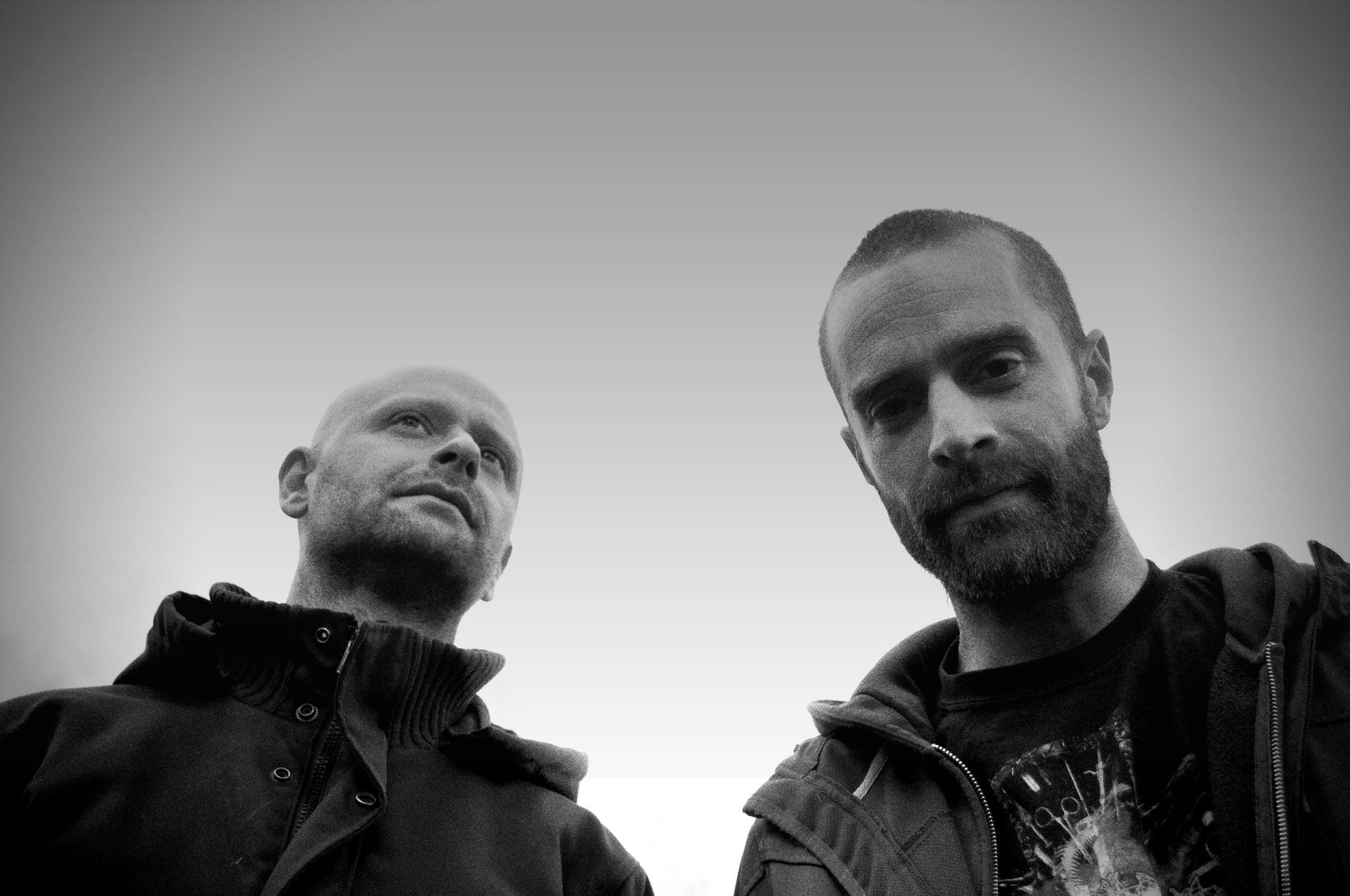
Dutch electronic duo Tangent returns after a 3-year hiatus with “Disclosure,” their 7th album, released today via n5MD. The album draws on ambient, electronic, and IDM sounds, revisiting the shadowy, dystopian atmosphere that has long defined the duo’s musical identity.
“Disclosure” references these themes: things long hidden, inner conflict, doubt, and facing what’s been kept out of sight for a long time, after a hard time and a long hiatus. Tangent creates a world where darkness and hope can live together across seven tracks.

The opening title track, “Disclosure,” sets the tone, tracing the slow arrival of uncomfortable truths. At its heart, the idea moves from creepy tension to a darker, heavier reality, with a growing sense of discomfort. “Absence of Force” explores the resistance of silence and the search for your voice through control and emotional control.
The next track, “Unfound Existence,” is introspective and concerns the search for identity and self-understanding. Its theme of entering uncharted personal or creative territory adds a further dimension to the album’s rumination on change and uncertainty.
“Denial” explores internal conflict in the face of difficult realities. The track explores the gap between what people know and what they are prepared to accept. “Vector of Acceleration” suggests a more primitive existential horror, the sense that things are slipping out of our control. Another way to look at this tension is “Sonoluminescence,” a track about hope, survival, and seeing the light after the dark. It’s an emotional breath of fresh air in the album’s dark world.
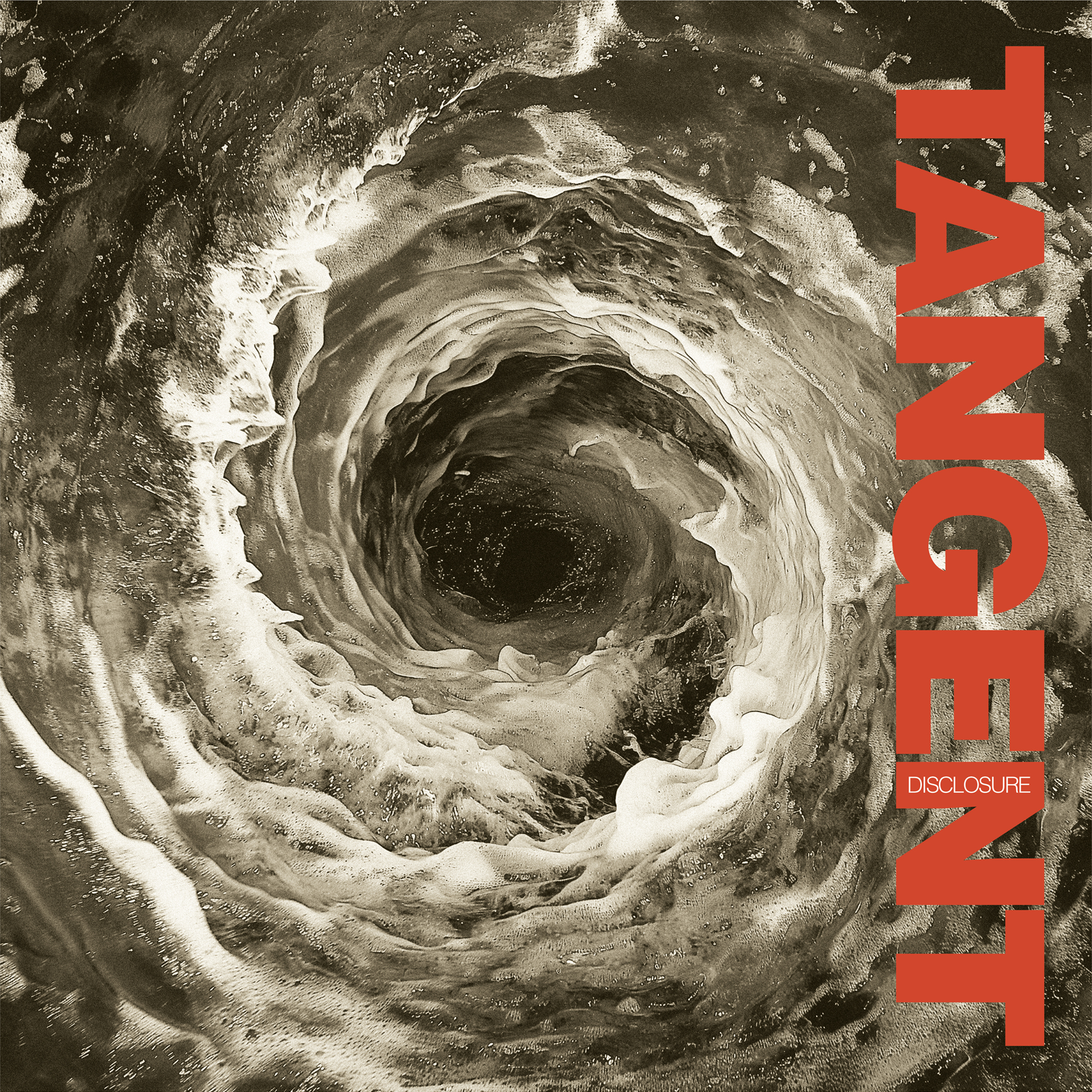
“Opposing Forces“ is the album’s closing track, and it leaves you with a feeling of tension and unresolvedness. It captures the eternal struggle between hope, darkness, and change, without a clear answer. Tangent is back in the sound with “Disclosure,” and each song approaches that territory from a different angle, creating a connected journey through hard truths, personal discovery, fear, and the possibility of moving forward. The album invites you to sit with the questions.
Album Review
Orshina turns personal grief into a powerful message of remembrance on “Requiem for “NOVA”” (album)

Orshina’s new album, “Requiem for “NOVA”,” is emotionally charged, turning personal pain into a message of remembrance, healing, and hope. The result is a blend of ambient and rock that explores the raw emotions of loss and reflection. The album is a journey through a very difficult creative process, crossing grief, rage, trauma, and collective pain, not forgetting the importance of remembering those who are no more.
The album was recorded mostly at Orshina’s home studio and features violinist Maianne Tur, drummer Roey Brosh, and vocalists Idit Eshel and Shiran Tzfira. Additional drums and mixing were done at Leon Sound Pro. The album opens with “Graveyard Blues,” which lays out the core themes of grief and loss. It serves as a reflective launchpad, drawing you into the project’s emotional weight.
“Bread & Circus” looks outward, exploring the dissonance between private grief and a world obsessed with entertainment. The song asks how easy it is to miss serious pain when the attention is elsewhere. With “Hell In Paradise,” Orshina explores the difficulty of carrying trauma in a world that can feel peaceful on the surface.
“Rest In Music” takes music to a place you can visit when it’s hard to understand or put feelings into words. The song is also about the creative process as a way to sit with complicated feelings and begin working through them. “Dressed up for the Devil” is a darker emotional journey, dealing with grief as well as anger, bitterness, and destructive thoughts.
The album moves from the personal to the historical tragedy with “Holocausts and Slavery,” the collective suffering. In a project of remembrance, Orshina places these subjects within a larger responsibility to recognize painful histories and link them to individual grief. Through “Requiem for “NOVA,”” the artist creates a musical statement about healing and the importance of keeping memories alive through a difficult creative process. “Requiem for “NOVA”” is a tribute to the lost, a reminder that hope can exist alongside sorrow.

-

 Artist Spotlight7 days ago
Jason Jarrett creates a country party anthem with latest release “Night Out”
-

 Artist Spotlight7 days ago
François Marius pushes lips to feet on the dance-ready on latest release “What You Gonna Do (Radio Edit)”
-

 Artist Spotlight7 days ago
Metaphoric Mind unveils dark intensity and catchy rhythms on latest release “Jaws”
-

 Album Review3 days ago
Legends of the Seven Golden Vampires explore healing and personal growth on “The Pumphouse of Broken Dreams” [album]
-

 Artist Spotlight7 days ago
X.irda and Slim Spitta showcase the darker side of holiday cheer on latest release “MASQUERADE”
-

 Artist Spotlight3 days ago
Ricky’s Rebel Rabble honor family and remembrance through “Molly”
-

 Artist Spotlight4 days ago
T1M1 featuring Keybeaux confront artificial creativity with latest release “Hip Slop”
-

 Artist Spotlight3 days ago
for KING & COUNTRY celebrate faith and everyday joy on “the most beautiful colours”