
Story
Le’Veon Bell Released By New York Jets
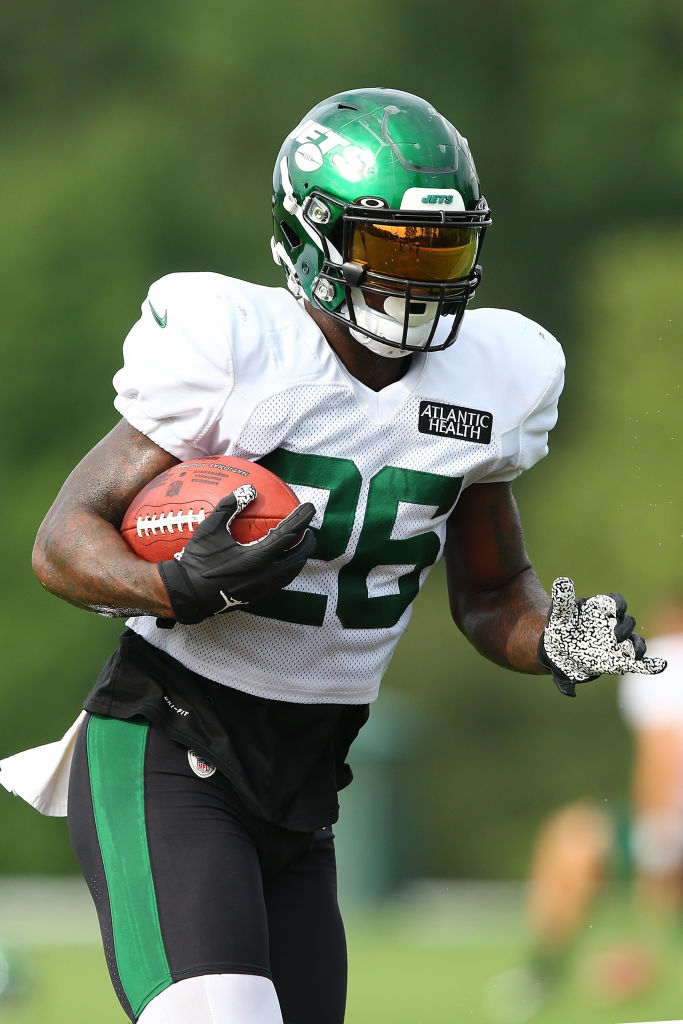
Known for his antics off the field as much as he is for his outstanding performance on it, Le’Veon Bell finds himself out of a job after surprisingly being released by the New York Jets.
The team had just lost to the Arizona Cardinals in a disappointing 30-10 outcome, pushing the Jets to an abysmal 0-5 start to the season. Fans have been asking for major changes to be made, including the firing of Head Coach Adam Gase. It looks like Gase will remain on play-calling duties this week as Joe Flacco will get the start instead of Sam Darnold, but one of the biggest stories coming out of the Jets’ camp is the release of Le’Veon Bell.
Mike Stobe/Getty Images
Bell is a three-time Pro Bowler and fans have argued that, during his less-than-two-year tenure with the team, he was atrociously misused. His sudden release calls into question the Jets’ ability to handle high-profile players, or rather their inability to do so.
Le’Veon Bell is still very much capable of leading a team as the starting running back. At just 28-years-old, his career is still young. Several teams have emerged as good destinations for him to sign as a free agent, including the Chicago Bears, the Seattle Seahawks, and the Arizona Cardinals.

Mike Stobe/Getty Images
Where do you think Bell will end up next?

Entertainment
Snoop Dogg Wants To Pay Someone $10,000 A Month To Eat Ice Cream
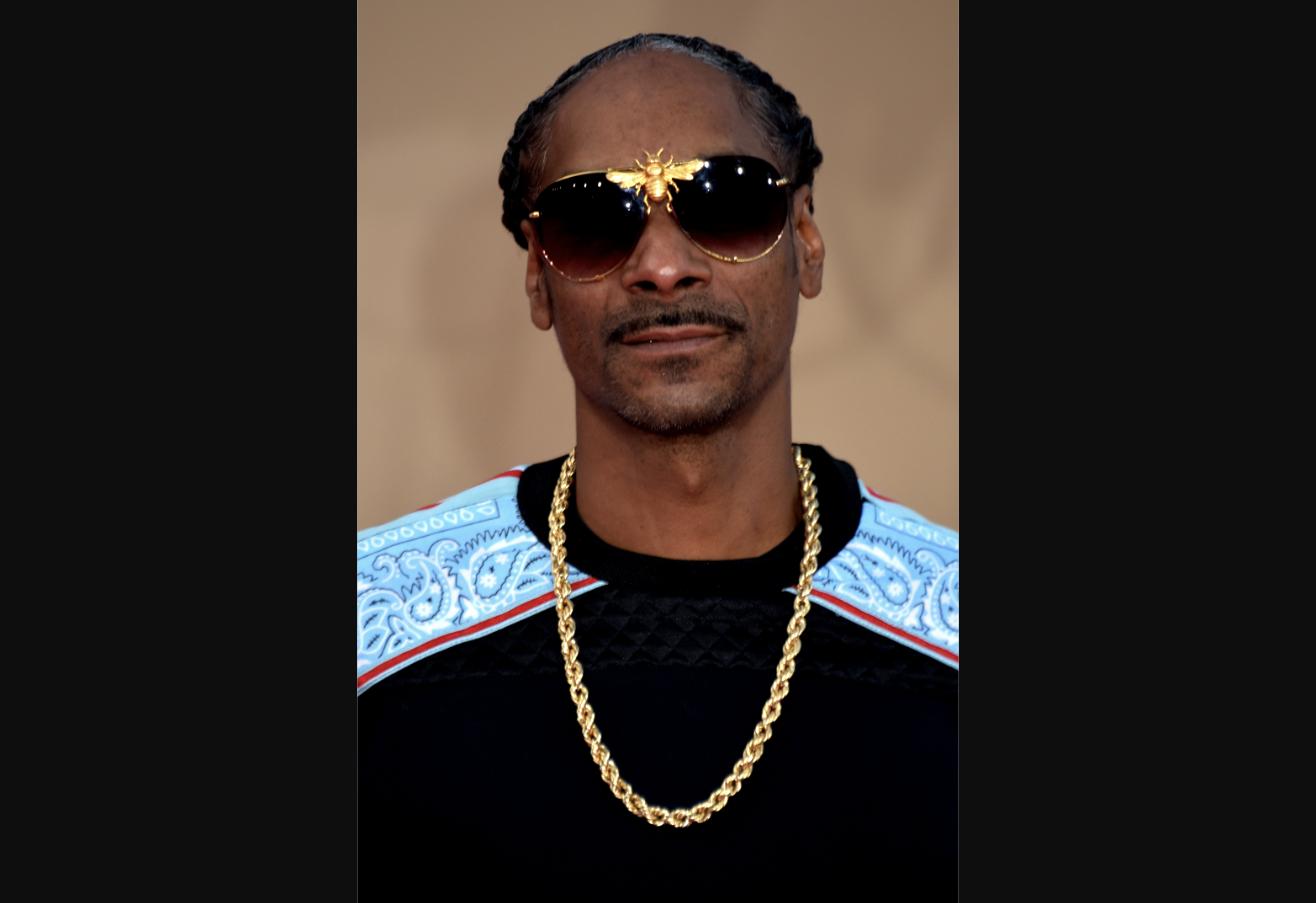
Snoop Dogg has had a lot of job titles over the years, but “official ice cream taster” wasn’t one of them until now — and he’s hiring someone else to fill it. His company Dr. Bombay just opened applications for the role, and it pays $10,000 a month.
The gig is fully remote and open to anyone on the planet, which Snoop announced himself in a video that’s exactly as laid-back as you’d expect. “I love the paper, but not the paperwork,” he said, explaining that HR firm Deel is handling the logistics while he handles, presumably, the ice cream.
The actual job is less “sit around and eat pints all day” and more part-time cultural scout. Whoever gets it will track flavor and food trends around the world, report back on what people are eating and talking about, and work directly with Dr. Bombay’s in-house flavor lead to help shape what the brand does next. It’s a three-month contractor role, and Snoop’s team says they’re actively looking outside the usual resume pile — creators and non-traditional applicants welcome.
Dr. Bombay itself leans nostalgic, with flavors like Long Beach Fruit Cart, Sticky Caramel Apple Pie, and Peanut Butter Jelly Time already sitting on shelves at Walmart and moving through DoorDash and Instacart. Somewhere out there is one very lucky applicant about to get paid five figures a month to have opinions about ice cream, and honestly, good for them.
Story
Ronan Furlong finds renewal in the sea with latest release “Splitting The Ash”

“Splitting The Ash” opens with a distinctly Celtic riff before Ronan Furlong moves into an energetic song influenced by ideas of healing, rebirth, and spiritual renewal. The title and subject of the song are based on an ancient Irish ritual in which an ash tree is split open, giving the song a strong link to tradition, while its message is firmly rooted in the present: finding strength, renewal, and inspiration when life puts barriers in your way.
The sea is central to the track’s feeling, a symbol of challenge and regeneration. Furlong links his power to the resilience that can develop from exceeding physical boundaries. The song’s backstory lends that notion further weight, penned during a swim in the Irish Sea in January. The music’s context of creation gives it a particularly direct relationship with endurance and the willingness to push beyond discomfort.
“Splitting The Ash” ultimately feels life-affirming but never loses sight of struggle. The Celtic opening of the song gives an immediate sense of place, while its focus on renewal keeps the message open and universal. Ronan Furlong uses an old image of healing to remind us that difficult experiences can also be a source of strength, inspiration, and a renewed connection to life.
Connect with Ronan Furlong on Spotify || Instagram || Facebook || Youtube

-

 Artist Spotlight5 days ago
Burd & Keyz celebrates a new chapter through hip-hop on latest release “Miracles”
-

 Artist Spotlight5 days ago
ELISA MINELLI offers courage in your own hands with latest release “Grab Your Guitar”
-

 Artist Spotlight5 days ago
ALEXATOR turns electric guitars and synths into pure energy with latest release “Through the Fire”
-

 Artist Spotlight5 days ago
Eylsia creates an electronic energy on latest release “Music in My Mind”
-

 Artist Spotlight3 days ago
iLLLACAT brings sharp bars and catchy production with latest release “Like Dat”
-
 Artist Spotlight5 days ago
Karate Boogaloo proves simple riffs still hit hard on latest release “Down Home”
-

 Artist Spotlight3 days ago
Joshua Jamison unveils intimacy and a full rock expression on latest release “Windows”
-
 Artist Spotlight3 days ago
ALPHA CENTAURI blends hip-hop, funk and afrobeat ambition on latest release “The Future Right Now”