
Artist Spotlight
“Subterranean Homesick Blues” finds a new direction through Ghost of Panama
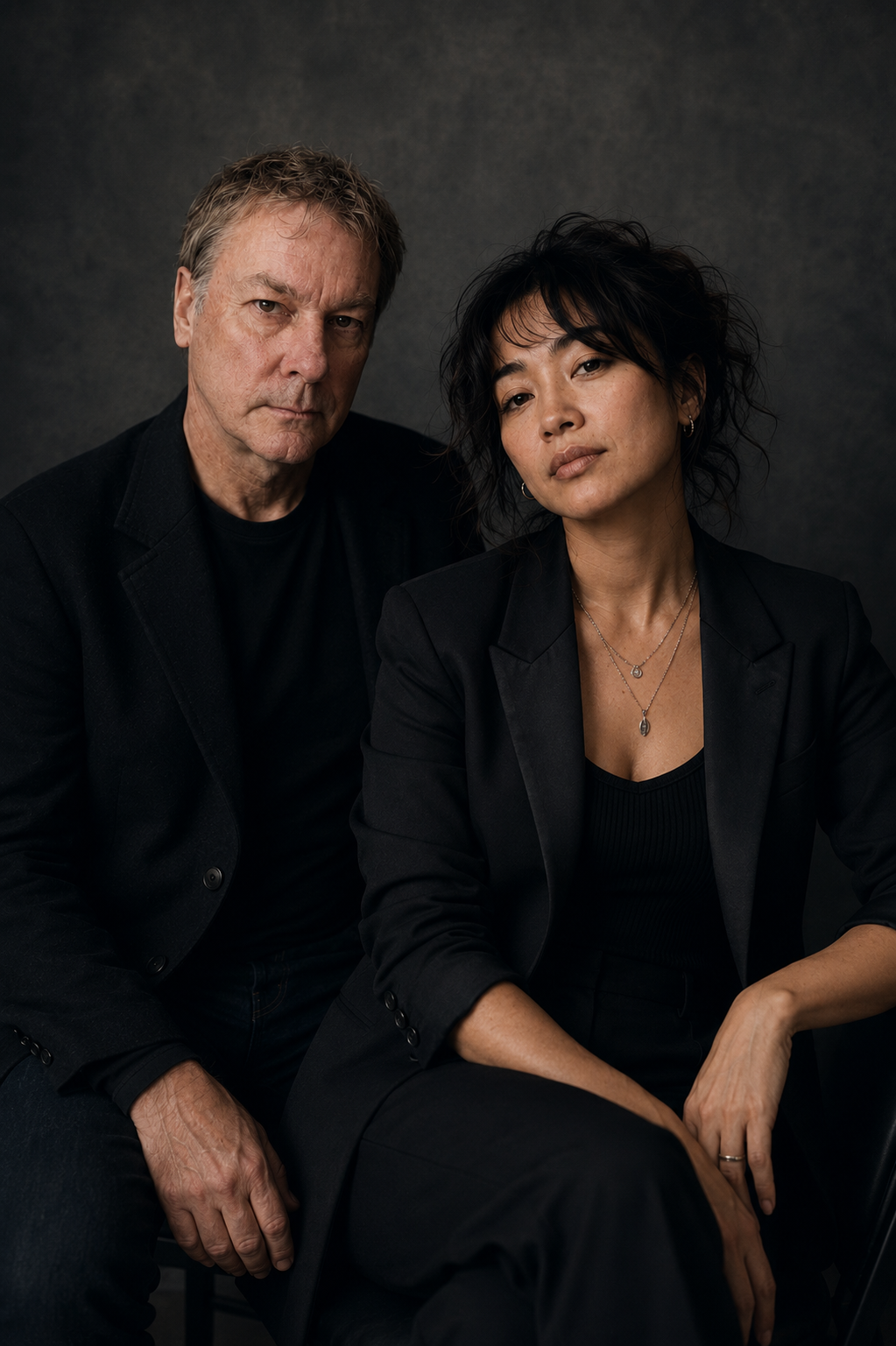
Rearranging a song that carries six decades of cultural weight is a creative challenge, but Ghost of Panama approaches “Subterranean Homesick Blues” with clear purpose. The rock band radically reworks Bob Dylan’s counter-culture hit, reshaping its identity while keeping its rebellious spirit. It’s a tribute to musical heritage and a statement of artistic independence all in one.
This new interpretation is very much shaped by the production, made at Ghost of Panama’s home studio in West London. The setting allows an intimate approach to reinterpreting a familiar song and lets the group engage directly with the material, taking it in a new artistic direction.
“Subterranean Homesick Blues” centers on the tension between conservation and transformation. Ghost of Panama is true to the song’s rebellious spirit without adding to its legacy, and this approach gives the release an adventurous feel, grounded in countercultural energy but driven by a desire to see what the composition can become in a different musical context.
Their version of this 60-year-old classic shows that respecting a song’s history can also mean breaking the rules and finding new ways to express its spirit. Fundamentally, “Subterranean Homesick Blues” presents Ghost of Panama as artists who want to engage with the past without being tied to it. The release’s strongest identity is a familiar heritage reimagined through a singularly forward-looking creative vision.



Album Review
Girlhood find clarity in complicated connections with “This Will Make Sense In The End” (album)
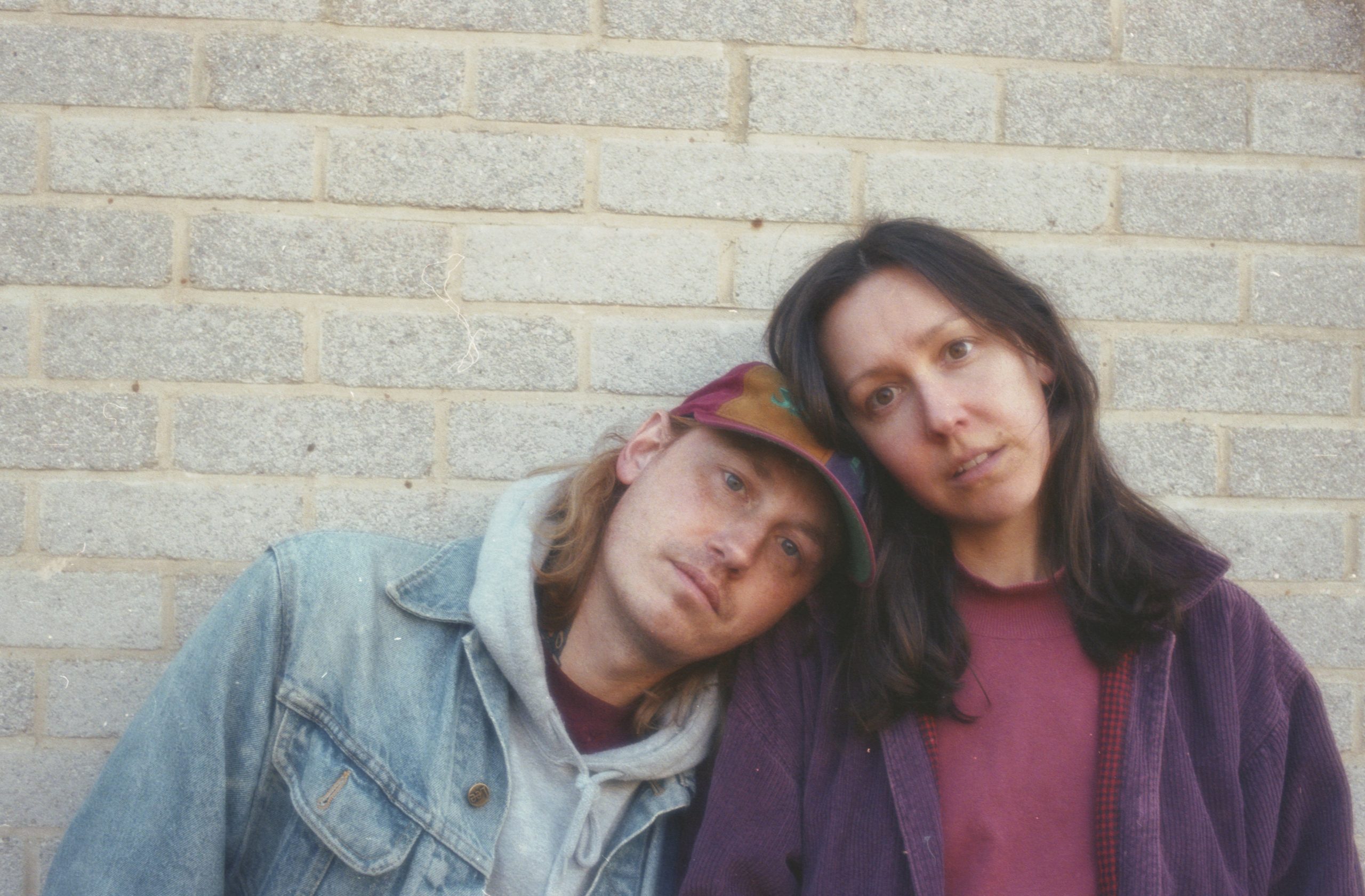
Relationships are an emotional contradiction, and Girlhood’s fourth album, “This Will Make Sense In The End,” navigates the contradictions of love, attraction, disappointment, and personal growth. Singer-songwriter Natalie Holmes has delivered a pop album that explores that line between wanting to connect and knowing when to protect yourself.
The album’s ten tracks provide a thoughtful exploration of relationships with food, often as a metaphor for emotional hunger, control, intimacy, and the desire to feel whole. It’s an album that’s about exploring uncomfortable relationship dynamics while keeping personal discovery in sight. It starts with “It Could Be Worse,” and it’s about the exhaustion and bitterness of an unbalanced relationship. It’s about the slow realization that wanting more isn’t unreasonable.
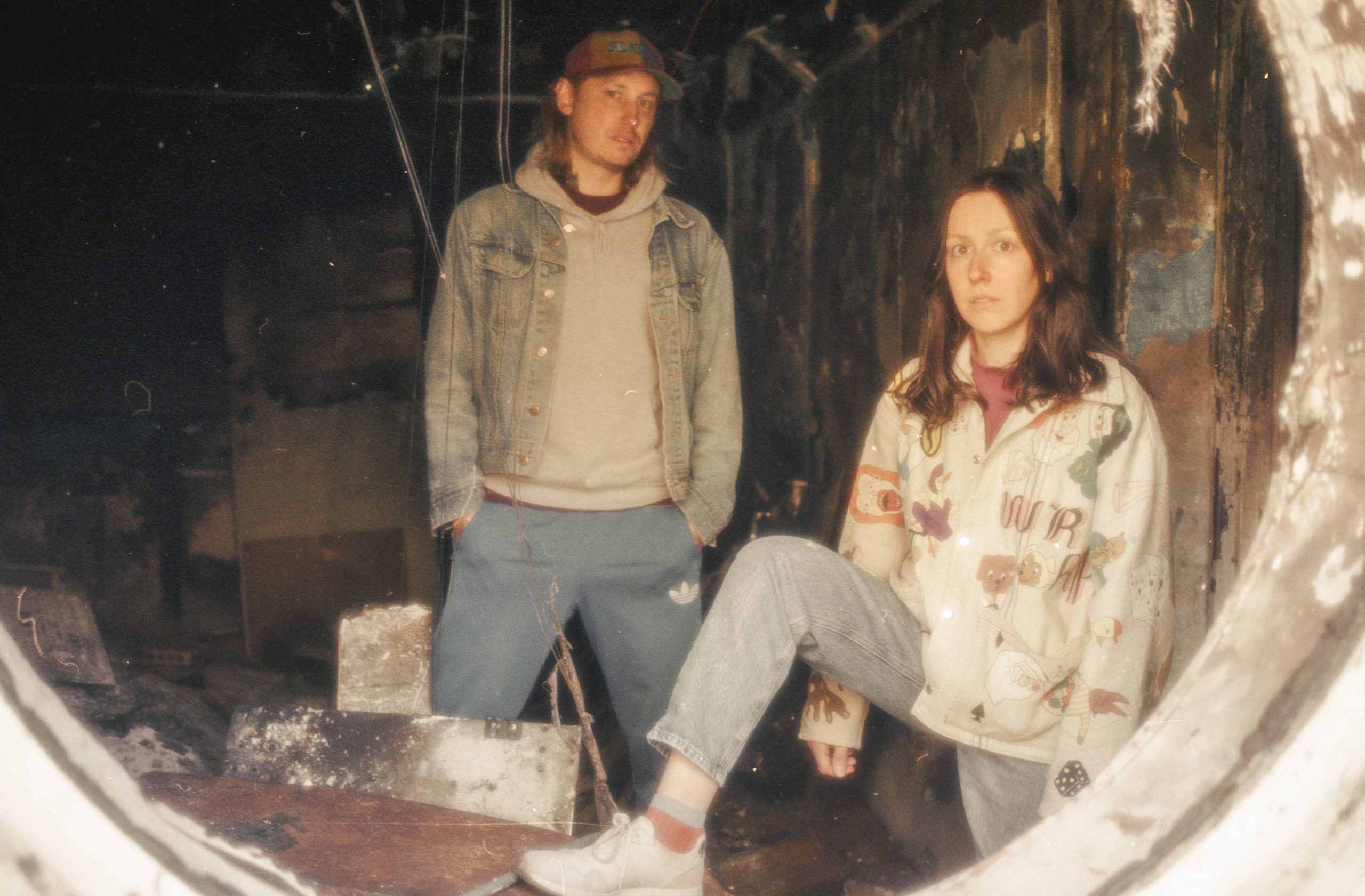
The lead single “Lemon Aid” is an intriguing balance of external playfulness and internal frustration, and it is all the brighter for the emotional pressure. “Picnic” takes a generally happy setting and uses it to explore the negotiations and power dynamics that can lurk just beneath the surface of a relationship. Attraction is also explored on the album, and the difficult area of physical desire as opposed to a real emotional connection.
“Cracked” is about the intoxicating allure of a toxic situationship and owning your confidence and sensuality. “Island to Island” also explores the confusion that can happen when physical chemistry feels like the start of something deeper. “Straight at the Bar” is about wanting to be accepted for who you are, not for who someone else wants you to be. “Silver Lining” touches on both mental and physical health, while “Born Hungry” pays tribute to life’s opportunities and the need to let go of toxic attachments.
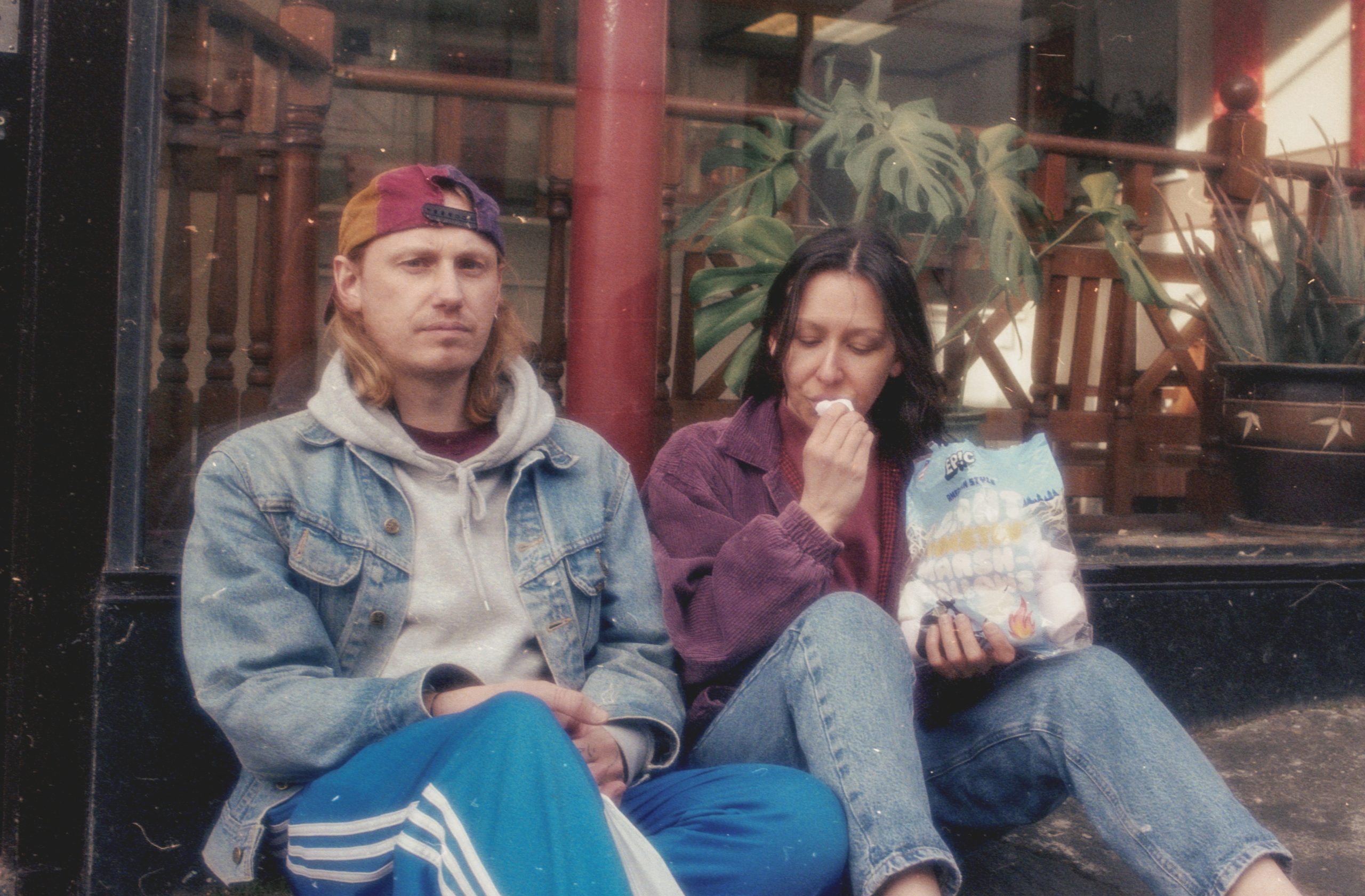
The final song, “Wouldn’t Change a Thing,” is reflective, taking the record into a space of self-love, acceptance, and appreciation for one’s past. “This Will Make Sense In The End” is defined by the tension between desire and control. Girlhood is about finding perfect love and learning not to lose yourself in the search.
Artist Spotlight
Doble Pista explores the memories that stay with us on new single “Memoria en la Piel”

“Memoria en la Piel” is Doble Pista’s exploration of the emotional connection memories have, lingering long after the moments that created them have passed. The single’s identity comes from the idea that some people, experiences, and feelings leave a mark that time doesn’t easily erase.
“Memoria en la Piel” combines emotional depth with forward-moving energy through rhythmic synth patterns, atmospheric soundscapes, and soaring vocal melodies. The production creates a well-constructed electronic bed that keeps the track’s theme front and center. Synth rhythms propel the track, and atmospheric textures provide space for the song’s more introspective moments to emerge.
That balance is crucial for the human voice performances of Sebastian and Agus. Their lead vocals give the production a warmth and organic character that makes the electronic arrangements feel intimate. The vocal melodies drive home the emotional message and the memories and relationships that become permanent fixtures in our own stories.
Doble Pista is the unique work of Carlos Cuerdo Cobos, the project’s writer, composer, producer, and arranger. Carlos also shapes the project’s visual identity, including art direction, music videos, and overall aesthetics, and he is from Pineda de Mar, Barcelona, Spain. Doble Pista has a defined artistic direction because of his background in these creative fields. “Memoria en la Piel” combines human expression with precise electronic production without losing its emotional core. What’s most interesting is how it handles memory as something that lives on in us.

-

 Artist Spotlight5 days ago
Stephanie Porter unveils the admiration and happiness with latest release “He Thinks That I’m Wonderful”
-

 Artist Spotlight5 days ago
Stephani Ezatoff honors Elvis Presley’s legacy on powerful new single “Run On”
-

 Artist Spotlight5 days ago
Alwyn Morrison explores betrayal, judgment, and survival on new EP “Trial”
-

 Artist Spotlight5 days ago
Fanny Alexandra explores emotional recovery and self-discovery on “Ceasefire”
-

 Artist Spotlight6 days ago
Boy Sim explores heartbreak and self-deception on “Cloud Nine”
-

 Artist Spotlight5 days ago
Kay Onishi drops dark synth-trap banger on latest release “30 SECOND RULING”
-

 News6 days ago
Nike Zoom Hyperflight “Safari” Official Images Reveal Bold Print Ahead of Holiday Release
-

 Artist Spotlight1 day ago
Séhkou unveils a beautiful connection between faith and intimacy on latest release “Song of Songs 1:3-4 (I Know)”