
Music
Uzi Freyja turns up the heat with “Medusa”
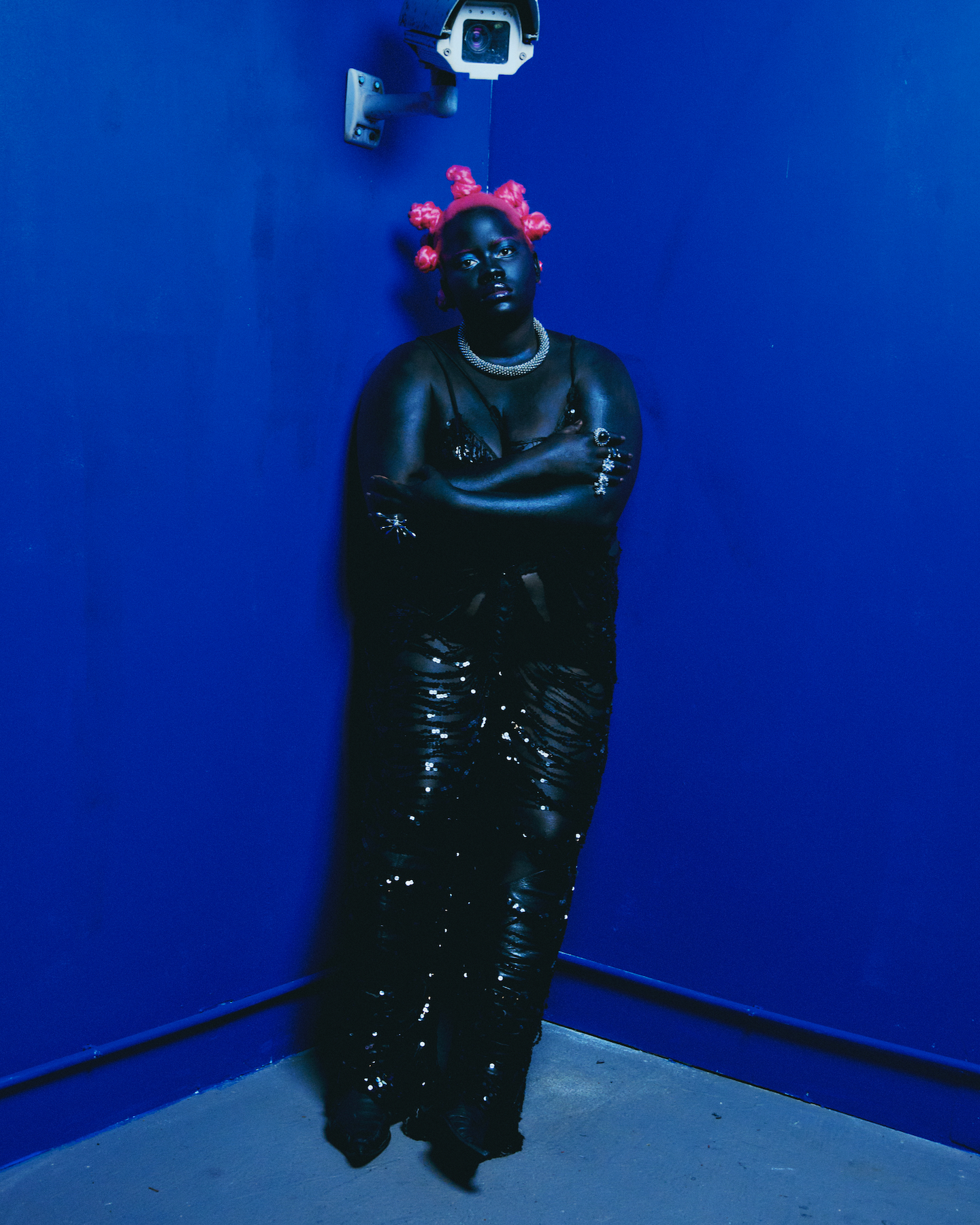
Uzi Freyja doesn’t make music, exactly; she conjures spells. And her new single, “Medusa,” has something loud, raw, and unrelenting. The emerging Cameroonian rapper collaborates with the French synth wave/EBM producer Carbon Killer for a sonorous jab that lands like a riot and lingers like a myth.
Blending electro-punk aggression and industrial rap grit, “Medusa” is full-force sonic g force above party rap. Think Arca’s glitchy unease, the political venom of Moor Mother, with a sprinkle of Doja Cat‘s flamboyant bite, all funneled through Uzi‘s electric voice. Her verses cut through Carbon Killer’s dystopian beats like a razor, demanding your attention with every bar. Music for the margins, stage, and underground, and it bites.
The track is a ritual and a rebellion. “Medusa” crams in a high-voltage blend of searing synths, mechanical drums, and Uzi‘s mumble-rap-inducing cadence at a hair’s breadth under four minutes. It’s confrontational. It’s magnetic. It doesn’t seek your attention but insists upon it. And lyrics that channel the fury and power of the mythical gorgon herself: Uzi flips the script on becoming a victim in the classic sense, turning the monster into the muse.
If ever this track was going to make a comeback, it’s now. With the thrilling news that Uzi Freyja will play every date of Noga Erez’s forthcoming European tour, “Medusa” is set to be heard by more ears than ever and rattle more stages. This is more than a song, and it’s an anthem for all who feel too loud, too different, too much. And in a world where that fire is much too frequently made to flicker, Uzi Freyja is here to fan the flames.
Raw, defiant, and singularly modern, “Medusa” is evidence that Uzi Freyja is not merely next when it comes to the future of rap; she is actively helping to build it from the ground up. Prepare to feel it in your bones.













Artist Spotlight
“Subterranean Homesick Blues” finds a new direction through Ghost of Panama
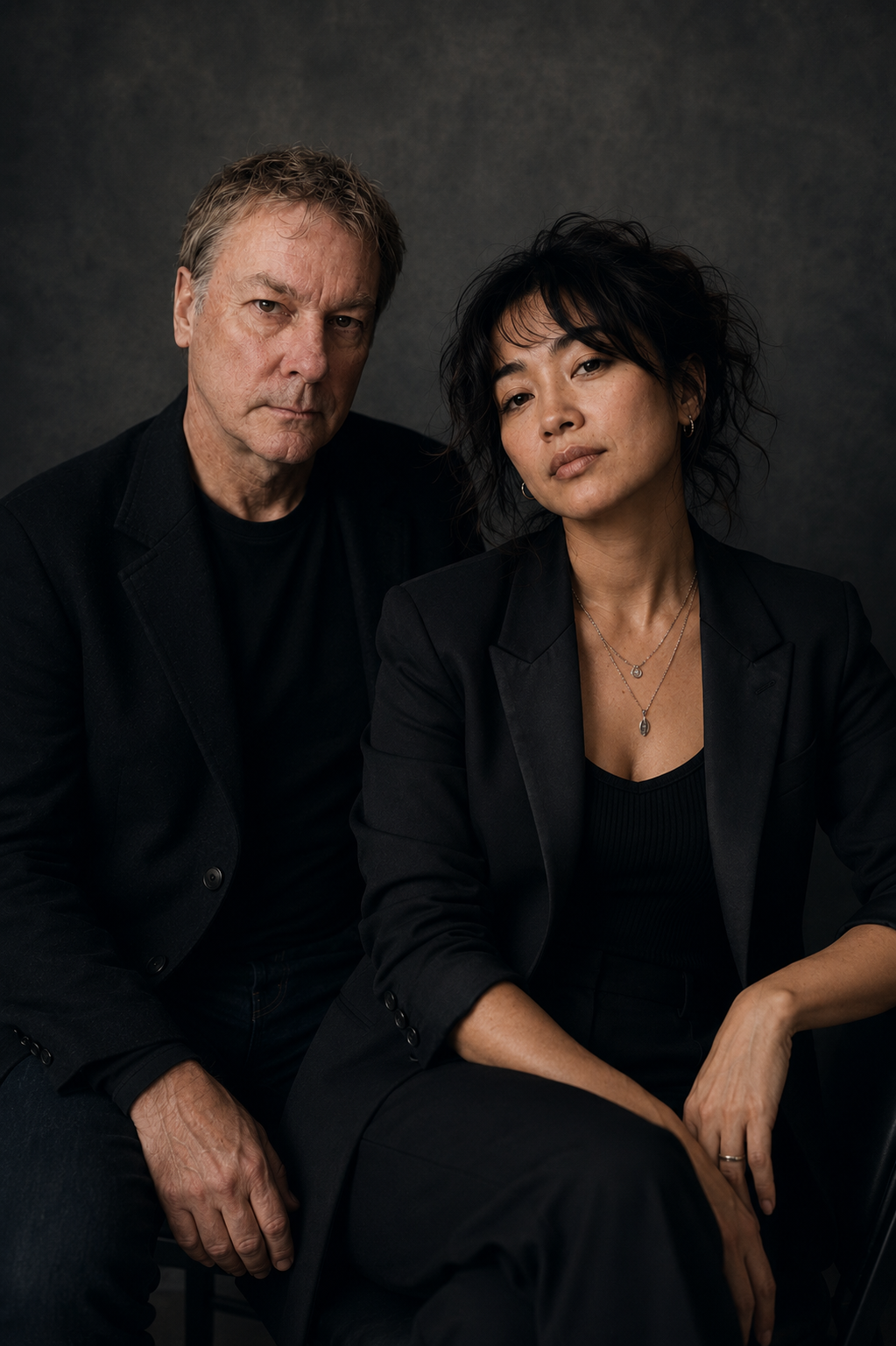
Rearranging a song that carries six decades of cultural weight is a creative challenge, but Ghost of Panama approaches “Subterranean Homesick Blues” with clear purpose. The rock band radically reworks Bob Dylan’s counter-culture hit, reshaping its identity while keeping its rebellious spirit. It’s a tribute to musical heritage and a statement of artistic independence all in one.
This new interpretation is very much shaped by the production, made at Ghost of Panama’s home studio in West London. The setting allows an intimate approach to reinterpreting a familiar song and lets the group engage directly with the material, taking it in a new artistic direction.
“Subterranean Homesick Blues” centers on the tension between conservation and transformation. Ghost of Panama is true to the song’s rebellious spirit without adding to its legacy, and this approach gives the release an adventurous feel, grounded in countercultural energy but driven by a desire to see what the composition can become in a different musical context.
Their version of this 60-year-old classic shows that respecting a song’s history can also mean breaking the rules and finding new ways to express its spirit. Fundamentally, “Subterranean Homesick Blues” presents Ghost of Panama as artists who want to engage with the past without being tied to it. The release’s strongest identity is a familiar heritage reimagined through a singularly forward-looking creative vision.
Artist Spotlight
“NO MORE” by Amanda Holley connects healing, awakening, and survival

“NO MORE“ carries that kind of emotional weight, and some songs feel like they come from lived experience but reach for something bigger. Amanda Holley blends R&B and soul, turning a lifetime of survival into a vision of healing, awakening, and the determination to move beyond what caused the pain.
“NO MORE“ is a healing anthem for people who have gone through bad experiences and reached a place of higher awareness, but it’s also an emotionally charged protest. The duality is introspective and outward-looking at the same time, turning personal survival into a broader declaration that some experiences, conditions, or cycles should end.
Holley had a premonition of the song six months before the world went into global shutdown. In the vocal booth, working out melodies with her collaborators, she pictured people in the streets. Those images were hard to imagine at the time, but subsequent events would make them painfully familiar.
“NO MORE“ is given a particularly contemplative underpinning by the context. The identity of R&B and soul leaves room for emotion. The song’s themes link survival, awakening, resistance, and the need for change. Amanda Holley is an artist using music to process personal endurance and a broader sense of social awakening. It’s got a complicated significance, and its release feels like a glimpse of a moment when personal intuition and public reality collided in an unexpected way.
Photo Credit: Yulia Shusharina

-

 Artist Spotlight6 days ago
iLLLACAT brings sharp bars and catchy production with latest release “Like Dat”
-

 Artist Spotlight6 days ago
Joshua Jamison unveils intimacy and a full rock expression on latest release “Windows”
-

 Artist Spotlight6 days ago
ALPHA CENTAURI blends hip-hop, funk and afrobeat ambition on latest release “The Future Right Now”
-

 Artist Spotlight6 days ago
Emilie Thorsby turns self-belief into a bold musical statement with latest release “Amazing as hell”
-

 Artist Spotlight5 days ago
Amanda Fagan unveils lost love and regret on latest release “Forever Yearn”
-

 Artist Spotlight6 days ago
UNDAUNTED unveils broken memories with latest release “Shattered Echoes”
-

 Artist Spotlight6 days ago
NITESHØRE embraces the long road to progress with “Marathon Mind”
-

 Artist Spotlight12 hours ago
“NO MORE” by Amanda Holley connects healing, awakening, and survival