
Album Review
With “MAHA,” Pridhvi Sunain Zoro confronts capitalism, love, and the fight for equality (album)
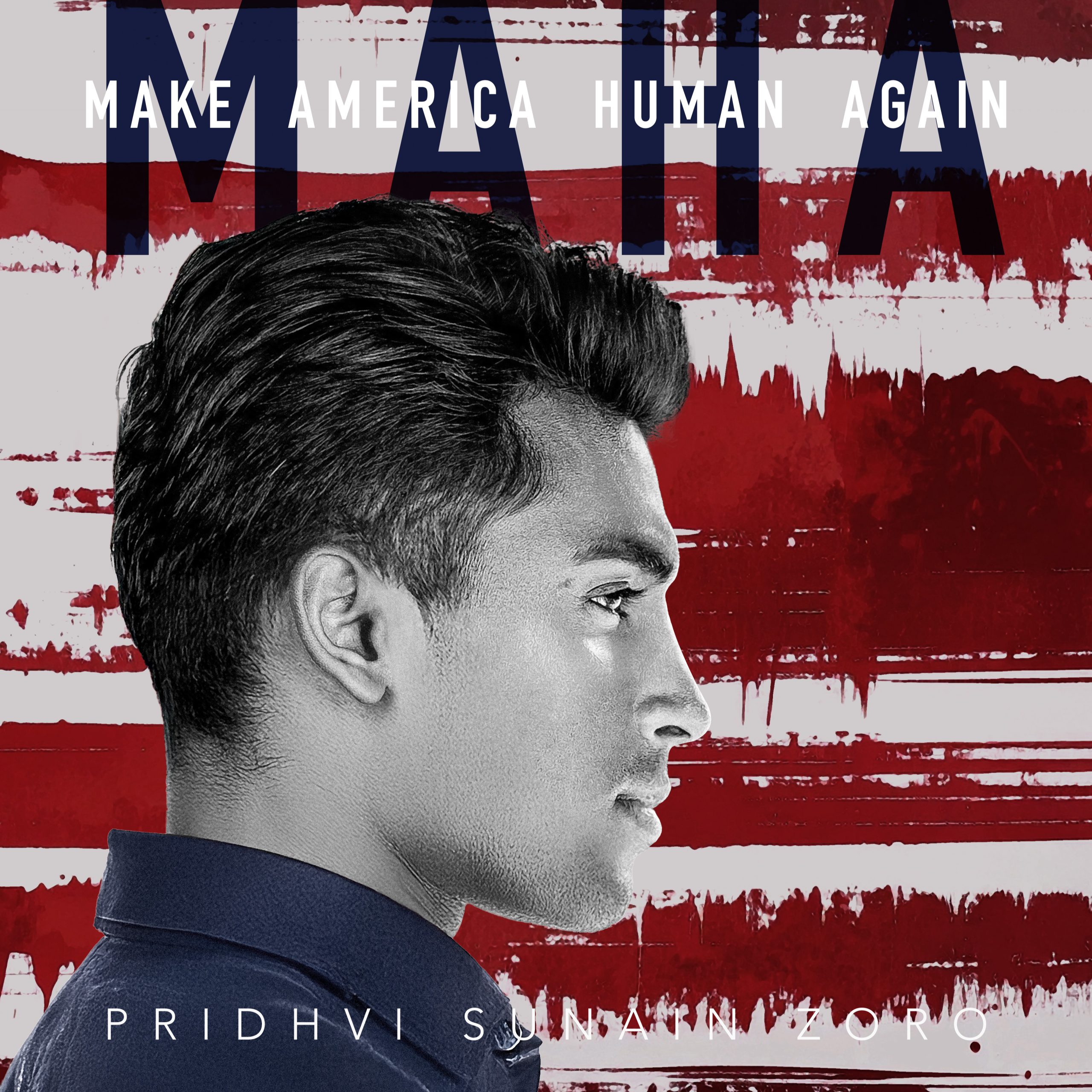
Pridhvi Sunain Zoro’s latest album, “MAHA (Make America Human Again),” is a nine-song concept album that reflects on the strains of modern American life through rock and pop. It serves as a platform for a bigger project than the individual fight, such as economic insecurity, racial division, environmental ruin, and shifting relationships.
The album has three phases, Collapse, Humanity, and Ascent, and follows a larger emotional arc. It asks what happens when people are disconnected from each other and what it takes to re-establish a sense of shared humanity. The first phase, Collapse, sets the album’s critical tone. “Freaking Dance / Fucking Dance” is about modern capitalism and the exhaustion that comes from having to work, compete, and survive in a system that can feel like a trap.
“Falling Through the Fire” explores love and its effects on ordinary duties, aging, and time. Meanwhile, “Give Me a World” shifts the conversation to environmental issues, condemning consumerism and calling for greater harmony with the earth. Across these tracks, the intersection of individual and social struggles creates a vivid picture.
The album features the next phase, Humanity, and it has tracks like “Human Again,” a song that addresses social inequality and the importance of continuing to fight the good fight, while “Love Just Fades Away” explores the role of dating apps, algorithms, and limitless options in modern love and ponders the importance of true connection in an ever more digital age.
Next up is “Children of the Storm,” which tackles the thorny issue of gun violence, the plight of children, and society’s failure to save vulnerable lives, including children in war. This is where much of the album’s emotional weight comes in, narrowing its scope to human ramifications.
The final stage, Ascent, looks forward with “Shades With Ease,” a track that pleads for racial equality and unity and closes the gaps history has created. “Slash the Ghost” explores ghosting and emotional avoidance, suggesting that honest communication is key to valuable relationships. The album’s closing track, “Live Beyond,” turns the album’s themes inward, examining identity, purpose, and the choice to be one’s true self, not what is expected.
“MAHA (Make America Human Again)” follows a clear conceptual arc from social frustration to collective responsibility to personal growth. Zoro’s signature artistic gesture is weaving political, environmental, and emotional concerns into one big conversation. The album is ultimately about humanity and how people must actively protect it through empathy, honesty, and the choices they make every single day.

Album Review
Girlhood find clarity in complicated connections with “This Will Make Sense In The End” (album)

Relationships are an emotional contradiction, and Girlhood’s fourth album, “This Will Make Sense In The End,” navigates the contradictions of love, attraction, disappointment, and personal growth. Singer-songwriter Natalie Holmes has delivered a pop album that explores that line between wanting to connect and knowing when to protect yourself.
The album’s ten tracks provide a thoughtful exploration of relationships with food, often as a metaphor for emotional hunger, control, intimacy, and the desire to feel whole. It’s an album that’s about exploring uncomfortable relationship dynamics while keeping personal discovery in sight. It starts with “It Could Be Worse,” and it’s about the exhaustion and bitterness of an unbalanced relationship. It’s about the slow realization that wanting more isn’t unreasonable.

The lead single “Lemon Aid” is an intriguing balance of external playfulness and internal frustration, and it is all the brighter for the emotional pressure. “Picnic” takes a generally happy setting and uses it to explore the negotiations and power dynamics that can lurk just beneath the surface of a relationship. Attraction is also explored on the album, and the difficult area of physical desire as opposed to a real emotional connection.
“Cracked” is about the intoxicating allure of a toxic situationship and owning your confidence and sensuality. “Island to Island” also explores the confusion that can happen when physical chemistry feels like the start of something deeper. “Straight at the Bar” is about wanting to be accepted for who you are, not for who someone else wants you to be. “Silver Lining” touches on both mental and physical health, while “Born Hungry” pays tribute to life’s opportunities and the need to let go of toxic attachments.
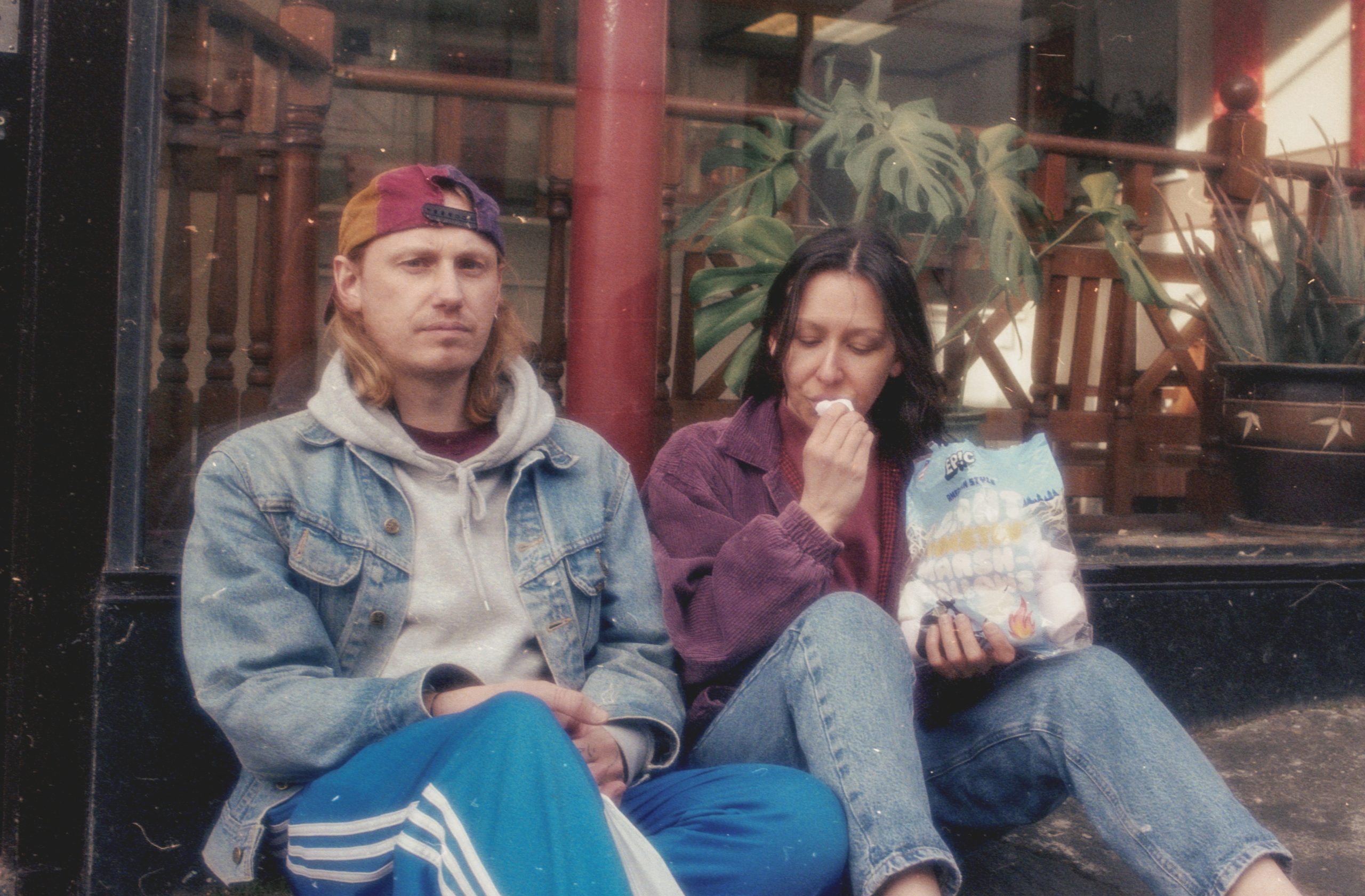
The final song, “Wouldn’t Change a Thing,” is reflective, taking the record into a space of self-love, acceptance, and appreciation for one’s past. “This Will Make Sense In The End” is defined by the tension between desire and control. Girlhood is about finding perfect love and learning not to lose yourself in the search.
Album Review
The Pink Diamond Revue create their own musical universe on “At The Discotheque” album
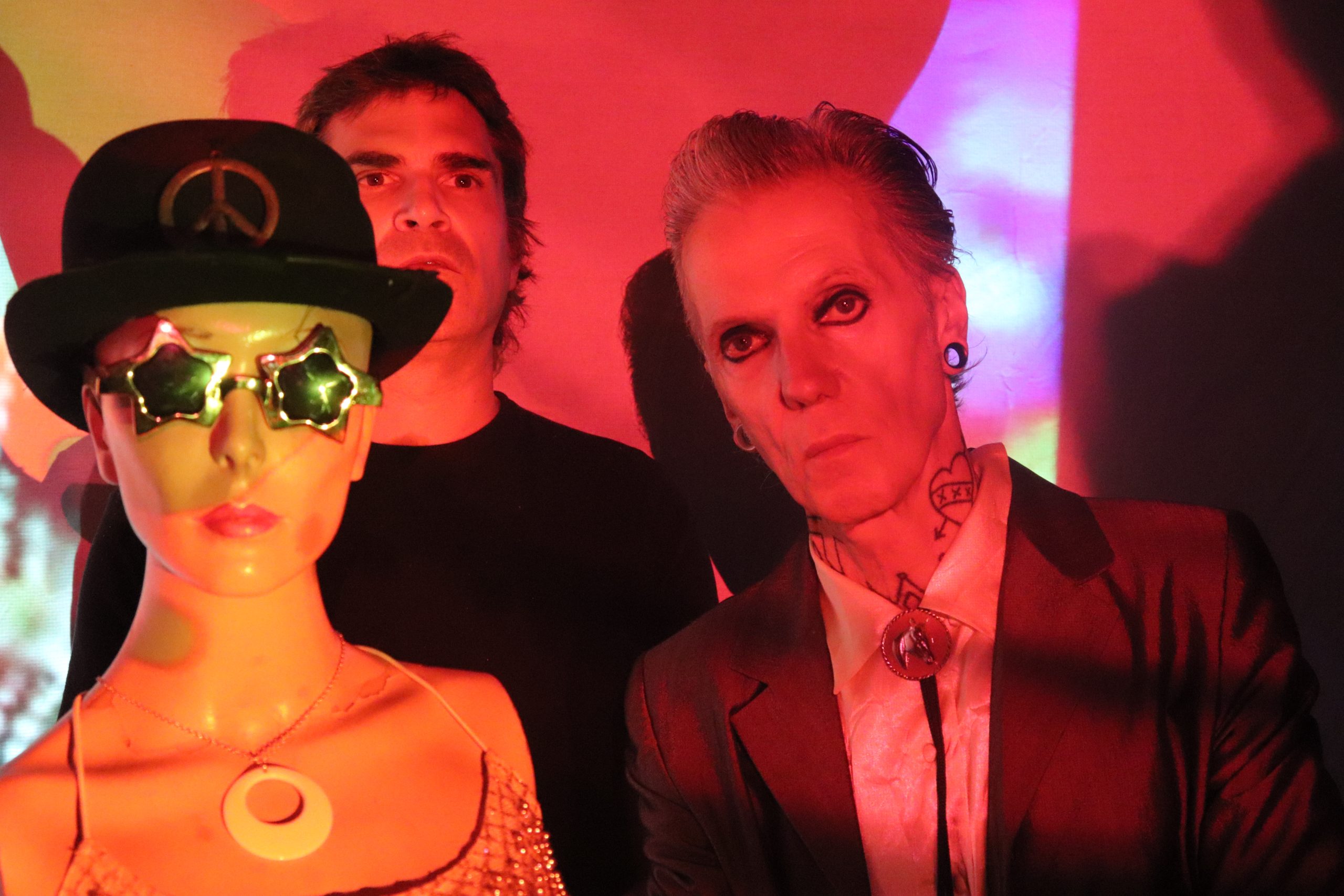
“At The Discotheque,” a decade-in-the-making album, blends vintage musical influences with forward-facing electronic experimentation. The album fuses 1950s rock ‘n’ roll, vintage blues, surf guitar, synth-punk, acid house, and electronic music into a sound defined by contrast. It looks to musical history while finding new possibilities in modern production.
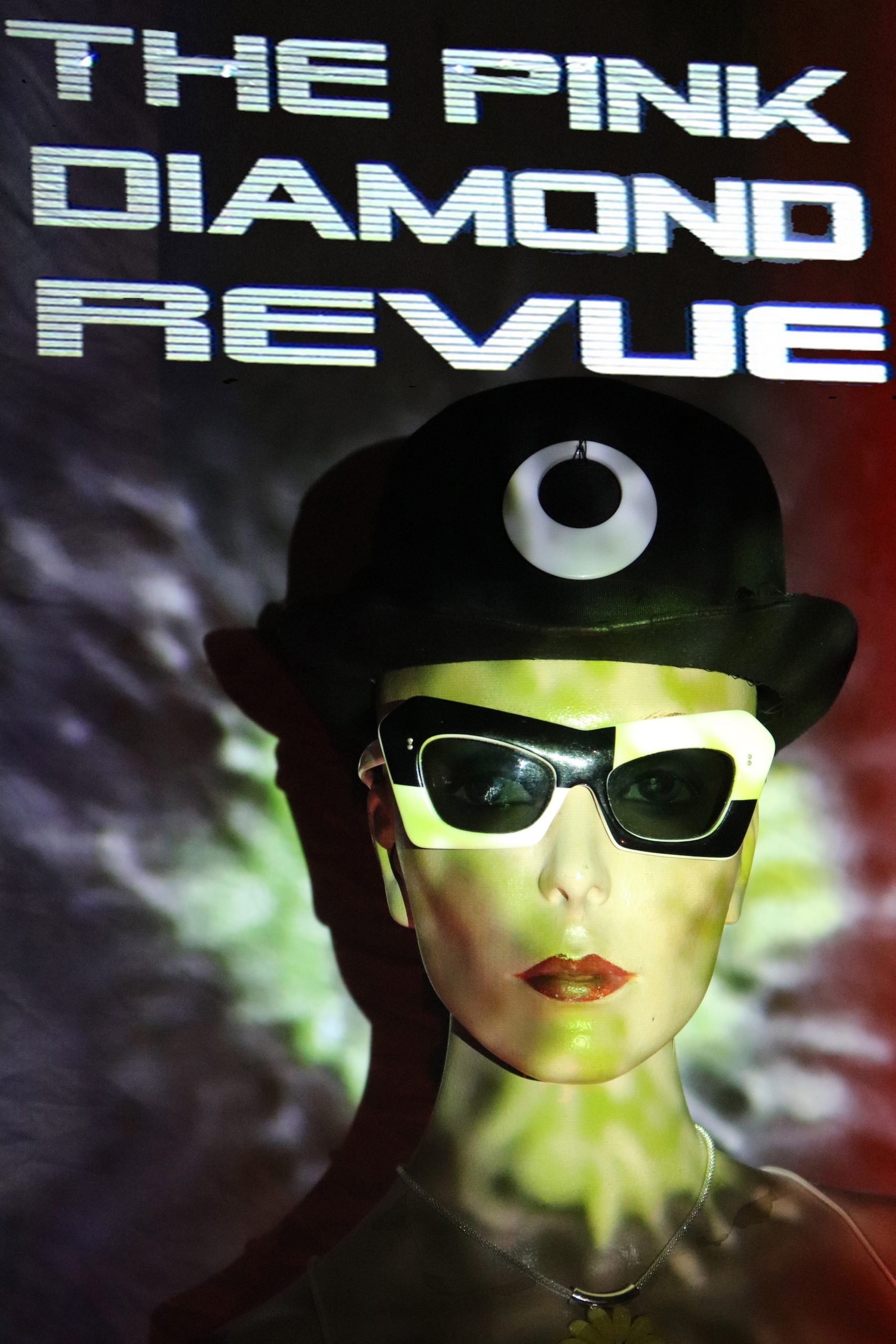
The album kicks off with “She Is,“ introducing ACiD DoL, the artificial female mannequin that is the band’s frontwoman and central visual figure. “The Fuzz Guitar“ combines classic rock sounds with modern electronic production, while “Portable Radio“ transforms retro transistor radio broadcasts into rhythmic loops.
Elsewhere, “The Ton Up Boy” winks at 50s and 60s British motorcycle culture, adding another dimension to the album’s retro underpinnings. The Pink Diamond Revue also ventures into more experimental and darker territory. “Acid Dol“ delves into the darker side of the mysterious figurehead with industrial bass and fierce electronic rhythms, and “Lux“ conjures a hypnotic atmosphere with smoky club visuals and psychedelic textures.
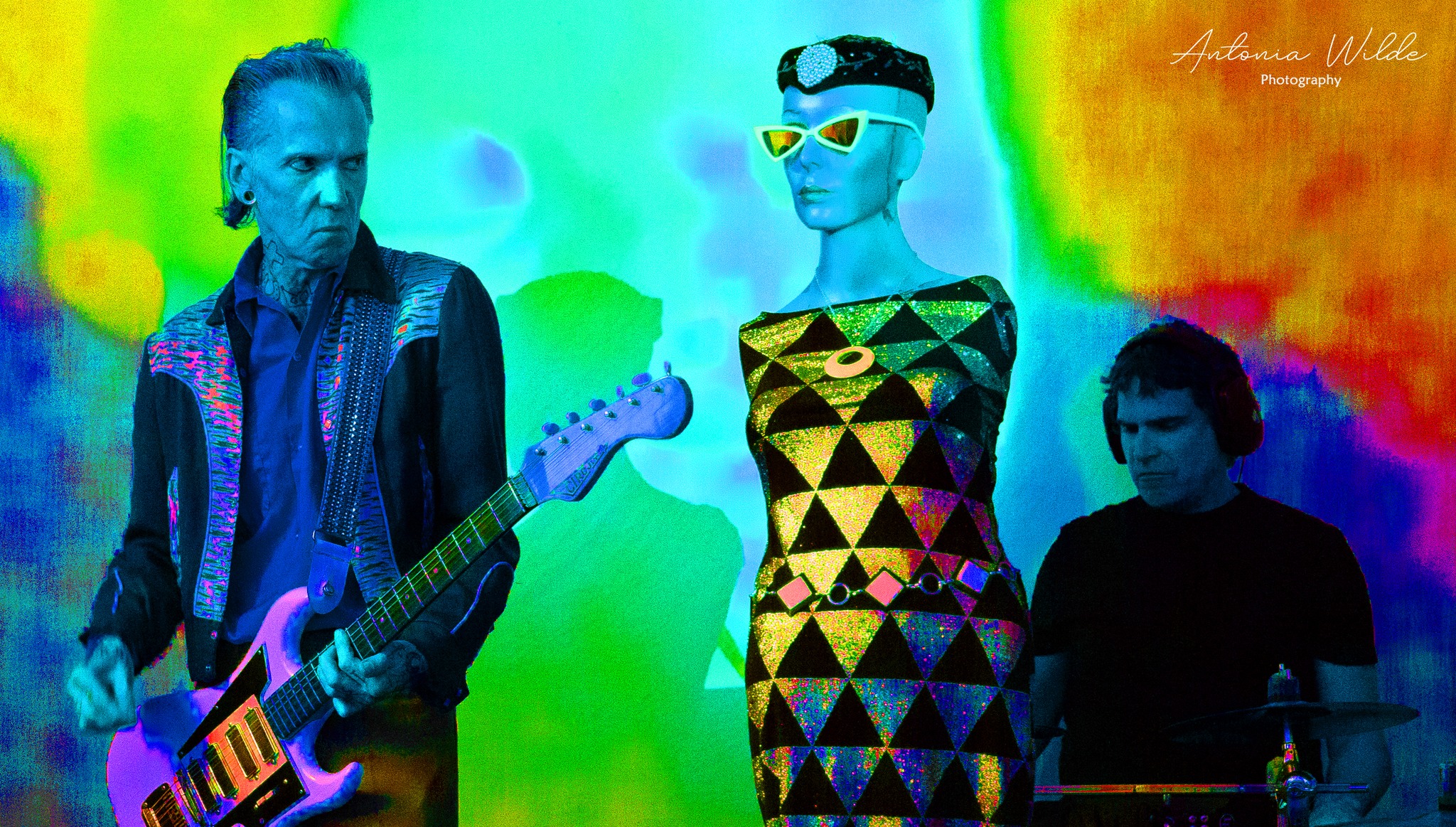
The title track, “At The Discotheque,” shines a light on the dancefloor as a space of freedom, escape, and musical expression. The tracks “Go Go Girl,” “Way Out,” and “Microdot” take that energy even further, with space-rock influences, rave-inspired rhythms, and gritty industrial sounds.
“Final Meal Request“ feels like something out of a classic horror or noir film, and the three versions of “Milkshake“ each present a different aspect of the band’s sound, ranging from blues-rock to psychedelic dub to atmospheric reverb. “At The Discotheque” feels more like an exploration of musical eras, giving the project its own identity, and keeps the album moving between the familiar and the unexpected.

-

 Artist Spotlight4 days ago
Séhkou unveils a beautiful connection between faith and intimacy on latest release “Song of Songs 1:3-4 (I Know)”
-

 Artist Spotlight4 days ago
Alias Wayne celebrates the beauty of genuine affection on latest release “Tribute”
-

 Artist Spotlight4 days ago
GMG_Grizz brings melodic rap and undeniable attitude on latest release “Something Slight”
-

 Artist Spotlight4 days ago
Mel Denisse creates an intimate escape from reality on latest release “underneath the world”
-

 Artist Spotlight4 days ago
François Marius pushes romantic excitement into a dancefloor celebration with “La Loco”
-

 Artist Spotlight2 days ago
Doble Pista explores the memories that stay with us on new single “Memoria en la Piel”
-

 Artist Spotlight4 days ago
Tingting Wu celebrates courage and freedom in instrumental piece “Carried by the Wind”
-

 Artist Spotlight2 days ago
Bash Co. examines emotional imprisonment and love on “Dungeon”