
Entertainment
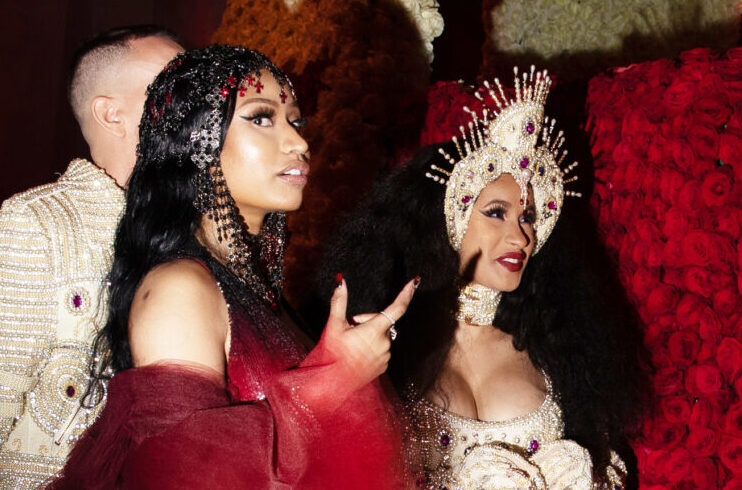
Nicki Minaj and Cardi B Unite for a Surprising Cause, The Battle Against AI Fakes

Celebrity
Cardi B Draws the Line After Fan Reaches for Her During Perfomance in Las Vegas Nightclub
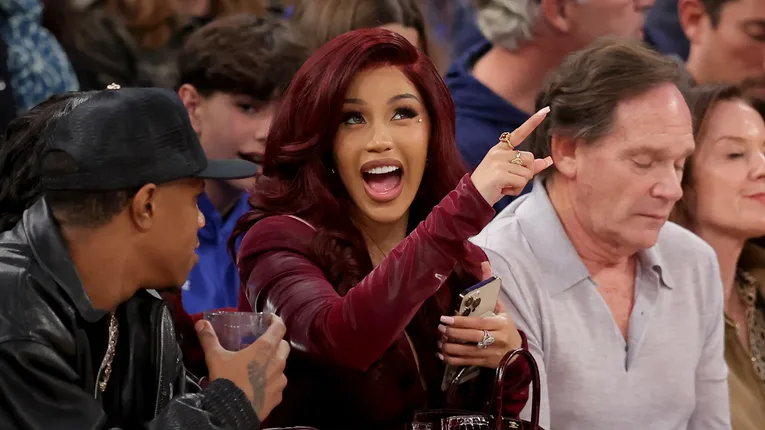
Cardi B made it clear she had boundaries on the dance floor when a fan tried to touch her while she was dancing at a Las Vegas nightclub. The incident happened while the Bronx superstar was performing at a Las Vegas nightclub during her iHeartRadio Music Festival weekend.
Cardi was dancing with her back to the crowd when a fan reached out and tapped her behind. Hollywood Unlocked captured the interaction on camera and posted it to Instagram, where it shows Cardi instantly swatting the fan’s hand away after he tried to tap her.
That brief exchange ignited a flurry of online activity. Some fans criticized the attendee for crossing a personal boundary, while others responded to the unexpected moment with humor. Regardless of the response, the episode showed the unpredictable nature of celebrity encounters in a crowded public space.
Cardi has always been candid and forthcoming with her audience online, but that intimacy doesn’t always carry over to in-person interactions. The nightclub incident was a brief reminder that you can still set boundaries as a performer in a high-energy environment, with fans close to the stage.
Read More: Migos Reunion Album Could Arrive in January 2027 as Quavo Teases Group’s Return
The timing also comes as Cardi B is still riding the buzz surrounding her ongoing beef with BIA. Some fans might even jokingly link the nightclub incident to how Cardi deals with conflicts in the public eye. Still, the two are very different situations, and her interactions in the feud have taken place in a very different context.
The nightclub clip has now become another Cardi B moment that everyone is talking about, combining her signature stage energy with an instant interaction that clearly defined where she draws the line.
Celebrity
Diddy Lawsuit Dismissed as Judge Rules Julian Sapp’s Claims Were Filed Too Late
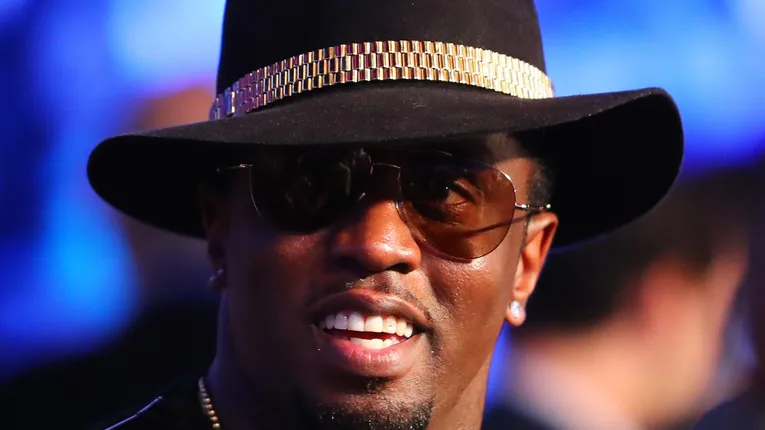
The judge dismisses a 15-count lawsuit filed by Las Vegas entertainer Julian Sapp against Sean “Diddy” Combs, ending the case after ruling that most claims were filed outside the applicable statute of limitations. U.S. District Judge Jennifer L. Rochon in the Southern District of New York handed down the ruling September 18.
Sapp’s lawsuit contained several serious allegations against Combs, dating back to their alleged encounters in 2007. According to the complaint, Sapp met Combs after an agency hired him as an adult entertainer at a Las Vegas hotel. He claimed that Combs then offered him opportunities for a possible music career before allegedly subjecting him to drugging, sex, threats, and other alleged misconduct.
The allegations included forced labor, sex trafficking, sexual battery and assault, false imprisonment, emotional distress, unjust enrichment, breach of contract, and invasion of privacy. He also said his phone was taken and exits blocked and guns were waved as part of alleged threats. Sapp also claimed that sex was recorded without his knowledge and that the recordings were used to threaten him if he refused to have more sex or if he tried to report what allegedly took place.
Read More: Migos Reunion Album Could Arrive in January 2027 as Quavo Teases Group’s Return
The court’s opinion, issued September 18, was largely about the timing of the claims, not whether the alleged incidents happened. Court records show Sapp’s last in-person contact with Combs was in November 2012, and he filed the lawsuit in February 2025. By as early as November 2022, Judge Rochon ruled that the limitation period for the federal claims had run.
Sapp said he did not file sooner because of alleged threats and because of Combs’ position of power. The court found, however, that he had not shown the necessary diligence to extend or revive the applicable limitations period. Accordingly, the court dismissed Counts II through XV as time barred and found that the invasion of privacy claim was not pled with sufficient particularity to meet the requisite elements.
The ruling comes amid ongoing legal activity involving Combs. But Judge Rochon’s ruling here is a specific closure of the federal action Sapp brought. The court ordered the case dismissed.

-

 Artist Spotlight6 days ago
iLLLACAT brings sharp bars and catchy production with latest release “Like Dat”
-

 Artist Spotlight6 days ago
Joshua Jamison unveils intimacy and a full rock expression on latest release “Windows”
-
 Artist Spotlight6 days ago
ALPHA CENTAURI blends hip-hop, funk and afrobeat ambition on latest release “The Future Right Now”
-

 Artist Spotlight6 days ago
Emilie Thorsby turns self-belief into a bold musical statement with latest release “Amazing as hell”
-

 Artist Spotlight5 days ago
Amanda Fagan unveils lost love and regret on latest release “Forever Yearn”
-

 Artist Spotlight6 days ago
UNDAUNTED unveils broken memories with latest release “Shattered Echoes”
-

 Artist Spotlight22 hours ago
“NO MORE” by Amanda Holley connects healing, awakening, and survival
-
 Artist Spotlight21 hours ago
“Subterranean Homesick Blues” finds a new direction through Ghost of Panama