
Music
Summer Solow and Nissi Nicole Illuminate the Shadows with ‘Dead Image, Vol. 1’ Music Video Premiere
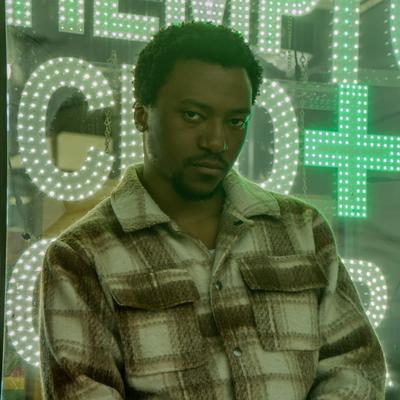
“Dead Image, Vol. 1” is an innovative and genre-bending collaboration between Summer Solow and Nissi Nicole that challenges the status quo of the digital era. The song is more than just a powerful anthem; it’s a statement against the manufactured illusions that we often find ourselves trapped within.
The music video itself is a testament to the artists’ commitment to authenticity. It opens with a captivating scene where shadows dance in harmony with the music, symbolizing the façades we wear in the digital realm. As the song progresses, the dynamic vocals of Summer Solow and Nissi Nicole pierce through the darkness, offering a beacon of hope amidst the chaos.
What sets “Dead Image, Vol. 1” apart is its ability to blend genres effortlessly. From the hypnotic rhythms of electronic music to the raw energy of rock, every note resonates with passion and purpose. It’s a sonic tapestry that defies categorization, inviting listeners to lose themselves in its intricacies.
The song offers a unique combination of technical mastery and emotional depth. The pulsating beats and poignant lyrics are a testament to the artists’ ability to create music that speaks directly to the soul. The video is a journey into the depths of authenticity, inviting viewers to shed the masks they wear in the digital realm and embrace their true selves. “Dead Image, Vol. 1” is a powerful and thought-provoking work of art that challenges the boundaries of music and technology.

Artist Spotlight
The Night and The Dirty explore personal growth and memory on “Reflections”
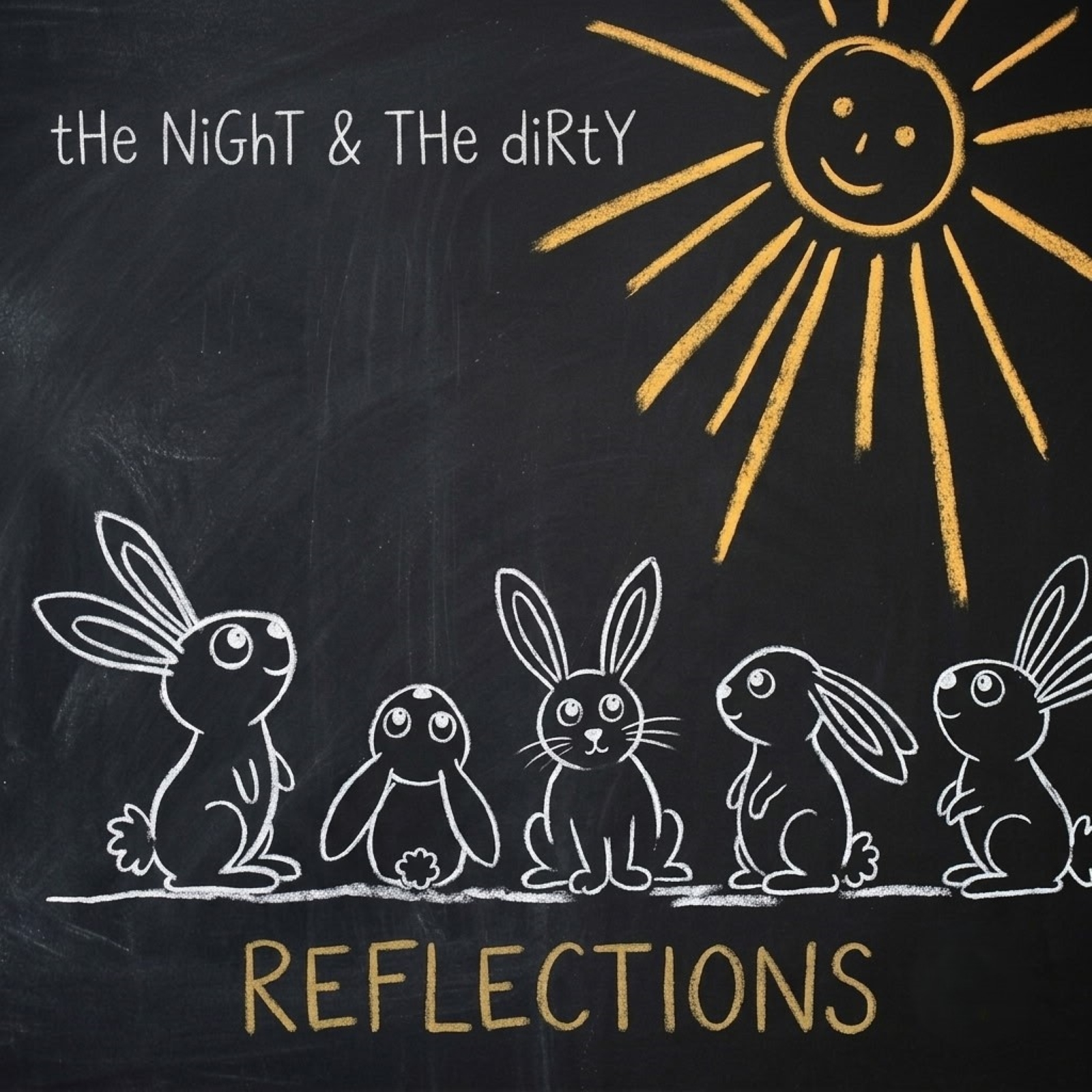
Looking back can bring up old feelings, but it can also show how much someone has changed. The Night and The Dirty operate in this space with “Reflections,” an alt-rock/folk-rock song built around introspection, memory, and the personal growth that comes from coming to terms with the past.
“Reflections” draws its emotional power from the link between pain and self-discovery. The song explores how we can look back and learn who we are today, rather than leaving memories behind. The themes feel personal but not out of touch, and you can relate the song’s ideas to your own life.
The Night and The Dirty fuse alternative-rock atmosphere with folk-rock introspection. That mix works well for a song about emotional depth and personal transformation. “Reflections” is the simple act of looking inward and returning to moments that left an indelible impression.
The single also hints at the band’s broader artistic arc. The Night and The Dirty are independent artists who love music with character, atmosphere, and emotional substance. “Reflections“ takes that approach, exploring memories, inner questions, and the slow work of self-understanding. With “Reflections,” The Night and The Dirty gives you a chance to look back and see how you’ve changed. This release is a thoughtful addition to their atmospheric alt-rock and folk-rock direction.
Album Review
Tangent return with “Disclosure,” a dark electronic journey through truth and uncertainty [album]
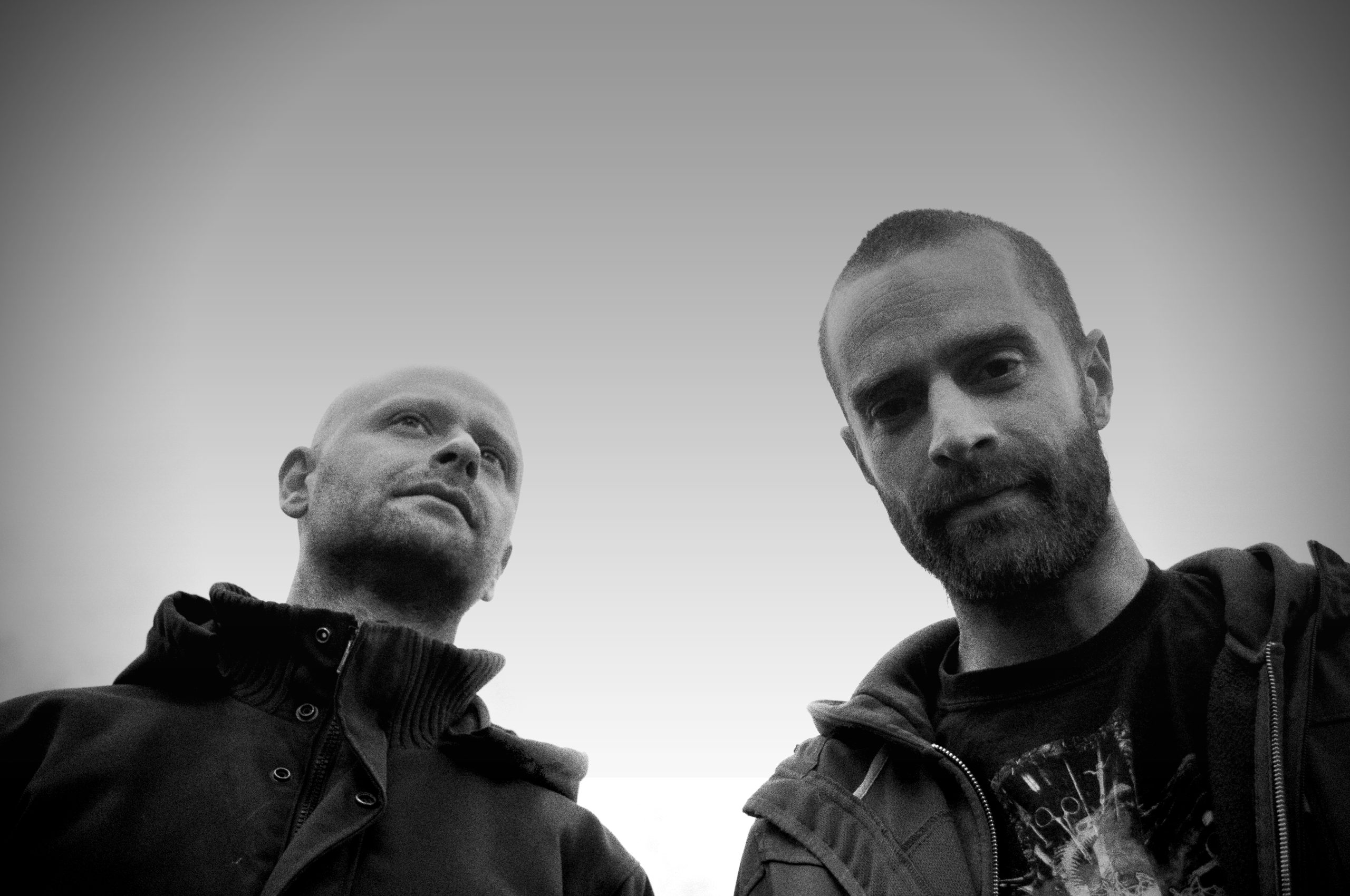
Dutch electronic duo Tangent returns after a 3-year hiatus with “Disclosure,” their 7th album, released today via n5MD. The album draws on ambient, electronic, and IDM sounds, revisiting the shadowy, dystopian atmosphere that has long defined the duo’s musical identity.
“Disclosure” references these themes: things long hidden, inner conflict, doubt, and facing what’s been kept out of sight for a long time, after a hard time and a long hiatus. Tangent creates a world where darkness and hope can live together across seven tracks.
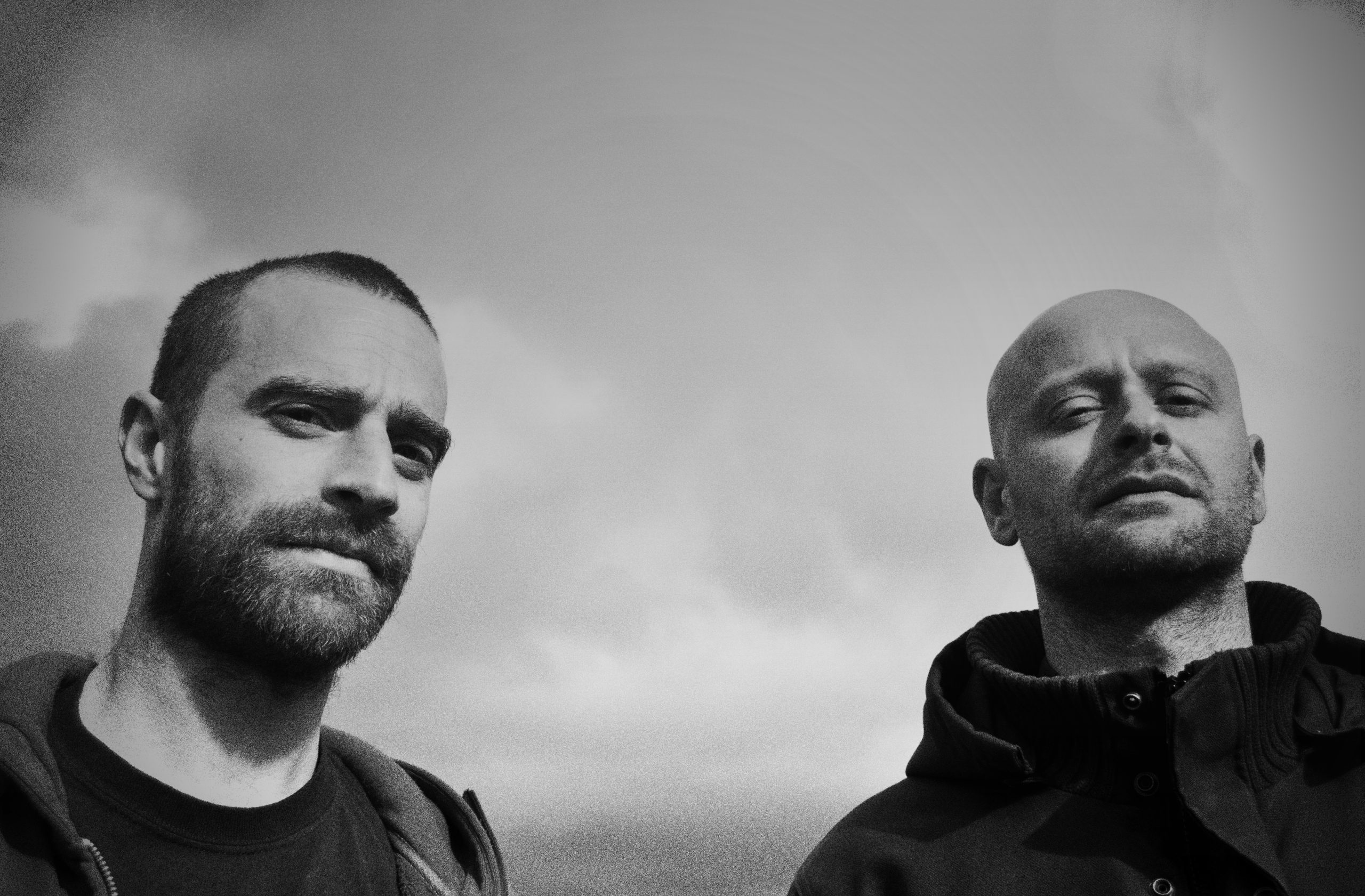
The opening title track, “Disclosure,” sets the tone, tracing the slow arrival of uncomfortable truths. At its heart, the idea moves from creepy tension to a darker, heavier reality, with a growing sense of discomfort. “Absence of Force” explores the resistance of silence and the search for your voice through control and emotional control.
The next track, “Unfound Existence,” is introspective and concerns the search for identity and self-understanding. Its theme of entering uncharted personal or creative territory adds a further dimension to the album’s rumination on change and uncertainty.
“Denial” explores internal conflict in the face of difficult realities. The track explores the gap between what people know and what they are prepared to accept. “Vector of Acceleration” suggests a more primitive existential horror, the sense that things are slipping out of our control. Another way to look at this tension is “Sonoluminescence,” a track about hope, survival, and seeing the light after the dark. It’s an emotional breath of fresh air in the album’s dark world.
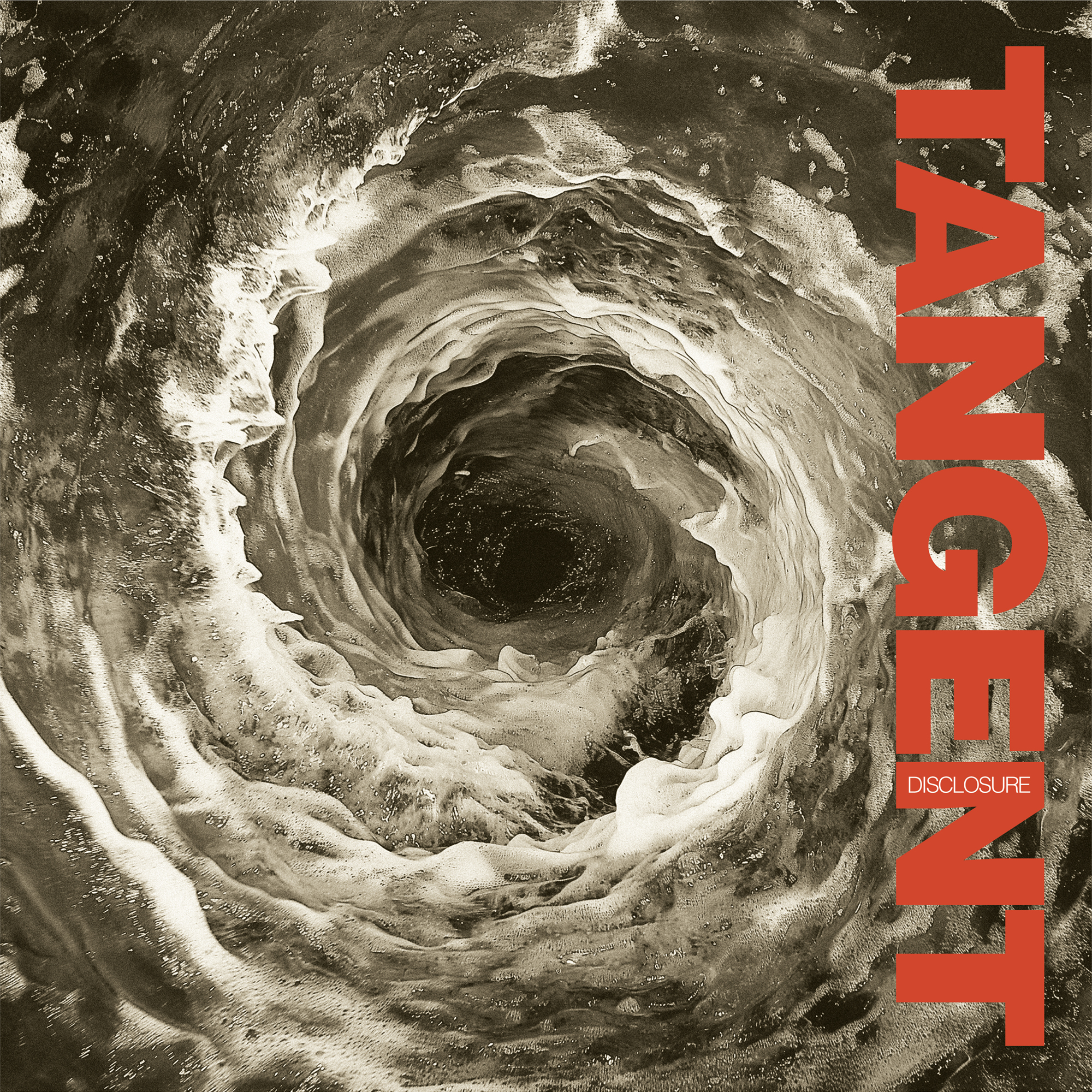
“Opposing Forces“ is the album’s closing track, and it leaves you with a feeling of tension and unresolvedness. It captures the eternal struggle between hope, darkness, and change, without a clear answer. Tangent is back in the sound with “Disclosure,” and each song approaches that territory from a different angle, creating a connected journey through hard truths, personal discovery, fear, and the possibility of moving forward. The album invites you to sit with the questions.

-
 Artist Spotlight6 days ago
Andrew Batcheler sparks sudden romance on latest release “I’m in Love”
-

 Artist Spotlight3 days ago
Myster Rhythm searches for answers and reconciliation on latest release “What’s Goin On?”
-

 Artist Spotlight6 days ago
Kaaine builds confidence with latest release “I’M HIM (REMIX)”
-
 Artist Spotlight6 days ago
Jeffery journey’s from childhood streets to new heights on latest release “ALBANIE”
-

 Artist Spotlight3 days ago
Amerakin Overdose turns betrayal into a battle cry on latest release “Parasite”
-
 Artist Spotlight6 days ago
Young Thad F puts loyalty and responsibility at the center on latest release “Life Saver”
-
 Artist Spotlight6 days ago
loveoleglove turns emotional distance into a haunting reflection with “Through the Glass (violin)”
-
 Artist Spotlight3 days ago
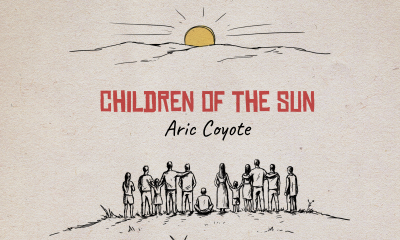
Aric Coyote calls for unity and a brighter tomorrow on latest release “Children of The Sun”