
Mainstage
The First Artist to Sell 1 Million Records in a Week

It is extremely rare when you look at the Billion Club, a million records sold in a week, but extremely rare, the Million Club ends up being one of the most exclusive clubs, and the Billion Club for only a select set of acts. Whitney Houston was the first artist to record this chart achievement, which she did with “The Bodyguard” soundtrack in 1993. Since then, only a handful of artists have reached this milestone, each marking the respective pivotal moments in the music industry’s evolution.
Breaking a Barrier With Whitney Houston
Whitney Houston’s “The Bodyguard: Original Soundtrack Album” became the first album ever to sell more than one million copies in one week (according to Nielsen SoundScan, which began tracking sales in 1991), when it sold one million seven hundred seventy-eight thousand eight hundred twenty copies in January 1993. In its sixth week of release, it sold 1.061 million copies, a record for future artists.
NSYNC’s Record-Breaking Sales
P.S. The boy band NSYNC became record breakers when their album “No strings attached” sold 2.4 million copies in the first week in March 2000. The record was not broken for more than a decade.
Eminem, “The Marshall Mathers LP”
Eminem’s “The Marshall Mathers LP” debuted with 1.76 million copies in May 2000. At the time, this meant it was the fastest-selling rap album in history, and it cemented Eminem as a prominent music figure.
Britney Spears’ “Oops!… I Did It Again”
In May 2000, Britney Spears released her second album, “Oops! I Did It Again,” which sold 1.319 million copies in its first week and set the record for most first-week sales by a female artist at the time.
The Wildly Successful Adele Album “25”
Adele’s “25” not only sold 3.38 million copies in its debut week in 2015 but became the first album to sell more than one million copies in two different weeks. That historic feat underscored that the masses loved Adele, and all loved the album.
Taylor Swift’s “1989” and “Reputation”
Taylor Swift sold over a million copies in one week across several albums. Her album “1989” sold 1.287 million copies in its first week in 2014, making it the first album that year to break a million. She equaled that feat with her 2017 album “Reputation,” which sold 1.216 million copies in its first week.
The ability to sell more than a million copies of an album in one week is a growing rarity in the streaming age, in which digital services have fundamentally changed how listeners consume music. Artists who accomplish this feat generally adopt tried-and-true sales strategies combined with an innovative outreach to and connection with their fans. For instance, when Adele’s monstrous album “25” came out, she mostly kept it off streaming services, which would have boosted its sizable physical and digital sales.
Selling a million records in a week is still a fantastic feat, reflecting an artist’s wide-ranging talent and the success of marketing moves. There are milestones in musical history, like Whitney Houston’s crossover success with “The Bodyguard” and Adele’s record-breaking “25.” As the landscape of music consumption continues to shift, these feats speak to the staying power of artists who understand how to enlist their fans’ loyalty and flow with the tides of the marketplace.










Album Review
The Pink Diamond Revue create their own musical universe on “At The Discotheque” album
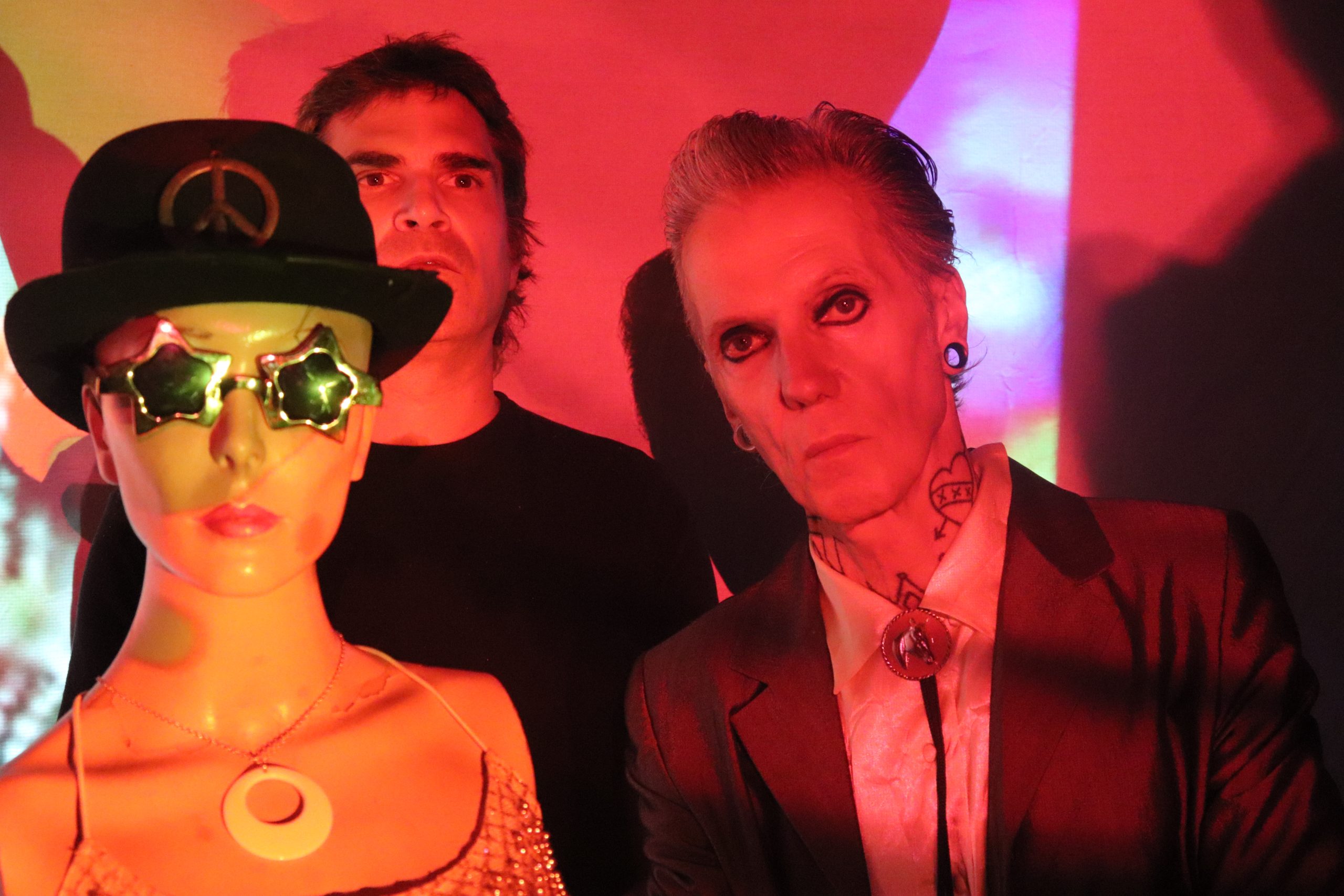
“At The Discotheque,” a decade-in-the-making album, blends vintage musical influences with forward-facing electronic experimentation. The album fuses 1950s rock ‘n’ roll, vintage blues, surf guitar, synth-punk, acid house, and electronic music into a sound defined by contrast. It looks to musical history while finding new possibilities in modern production.
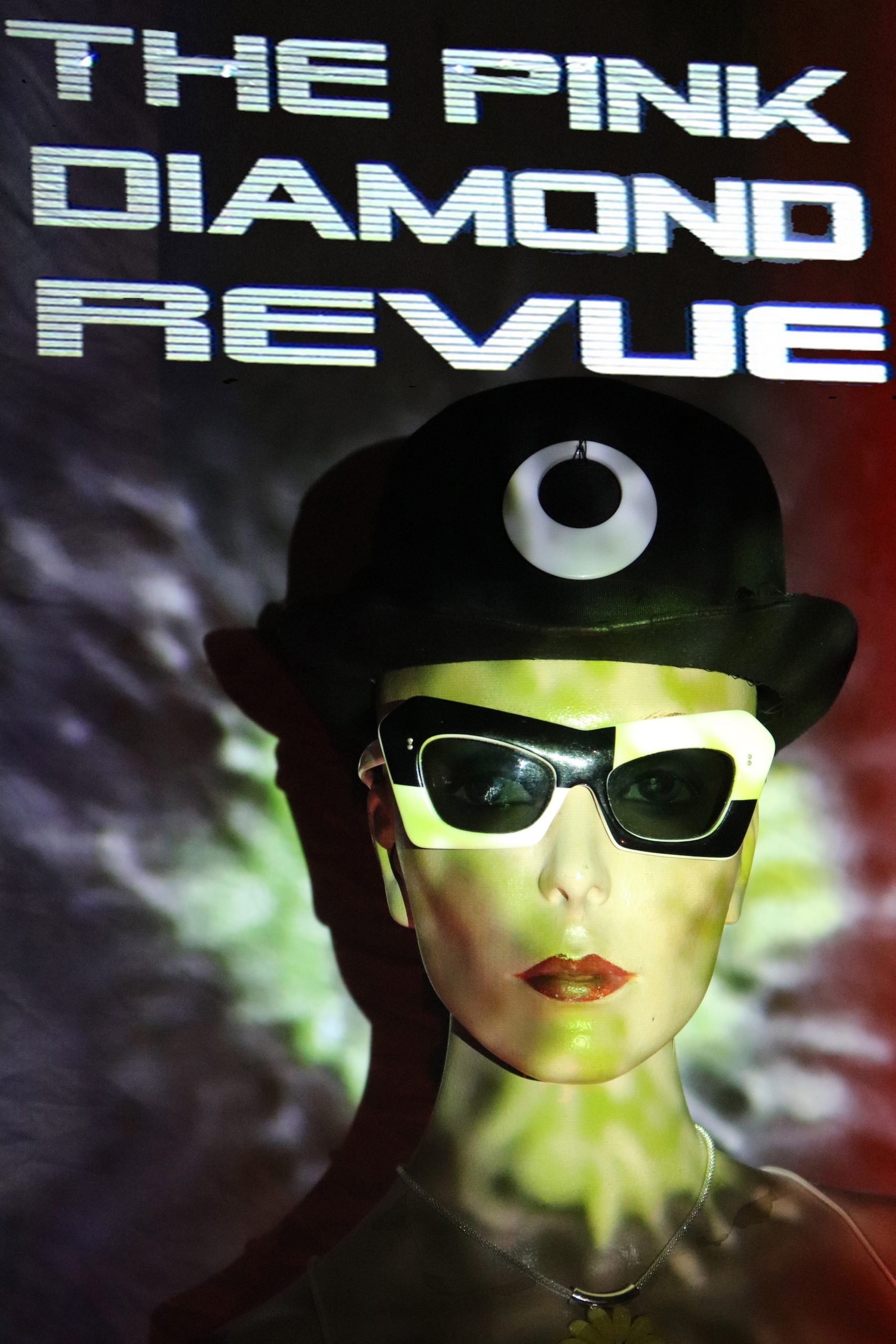
The album kicks off with “She Is,“ introducing ACiD DoL, the artificial female mannequin that is the band’s frontwoman and central visual figure. “The Fuzz Guitar“ combines classic rock sounds with modern electronic production, while “Portable Radio“ transforms retro transistor radio broadcasts into rhythmic loops.
Elsewhere, “The Ton Up Boy” winks at 50s and 60s British motorcycle culture, adding another dimension to the album’s retro underpinnings. The Pink Diamond Revue also ventures into more experimental and darker territory. “Acid Dol“ delves into the darker side of the mysterious figurehead with industrial bass and fierce electronic rhythms, and “Lux“ conjures a hypnotic atmosphere with smoky club visuals and psychedelic textures.
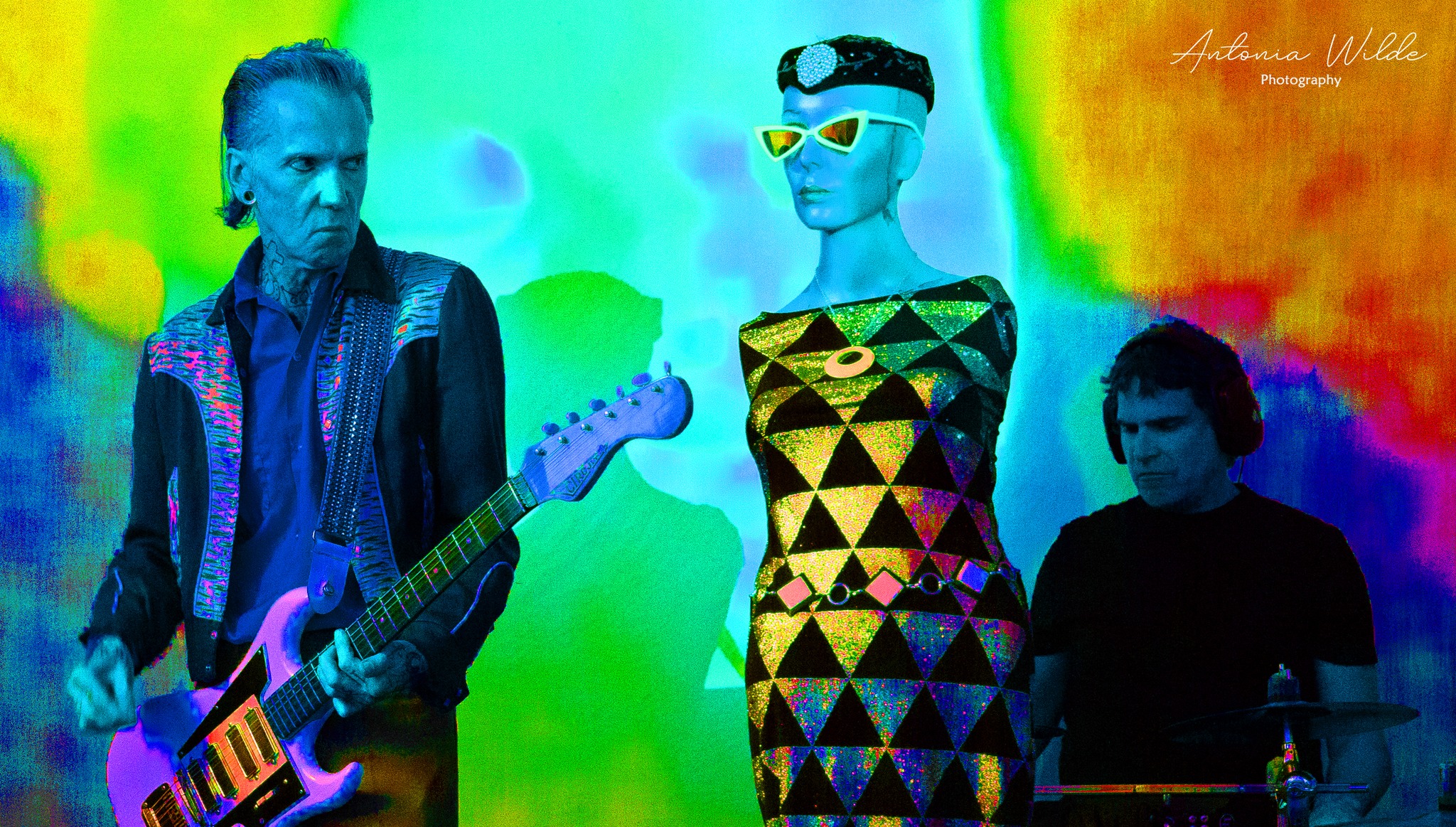
The title track, “At The Discotheque,” shines a light on the dancefloor as a space of freedom, escape, and musical expression. The tracks “Go Go Girl,” “Way Out,” and “Microdot” take that energy even further, with space-rock influences, rave-inspired rhythms, and gritty industrial sounds.
“Final Meal Request“ feels like something out of a classic horror or noir film, and the three versions of “Milkshake“ each present a different aspect of the band’s sound, ranging from blues-rock to psychedelic dub to atmospheric reverb. “At The Discotheque” feels more like an exploration of musical eras, giving the project its own identity, and keeps the album moving between the familiar and the unexpected.
Artist Spotlight
Tingting Wu celebrates courage and freedom in instrumental piece “Carried by the Wind”
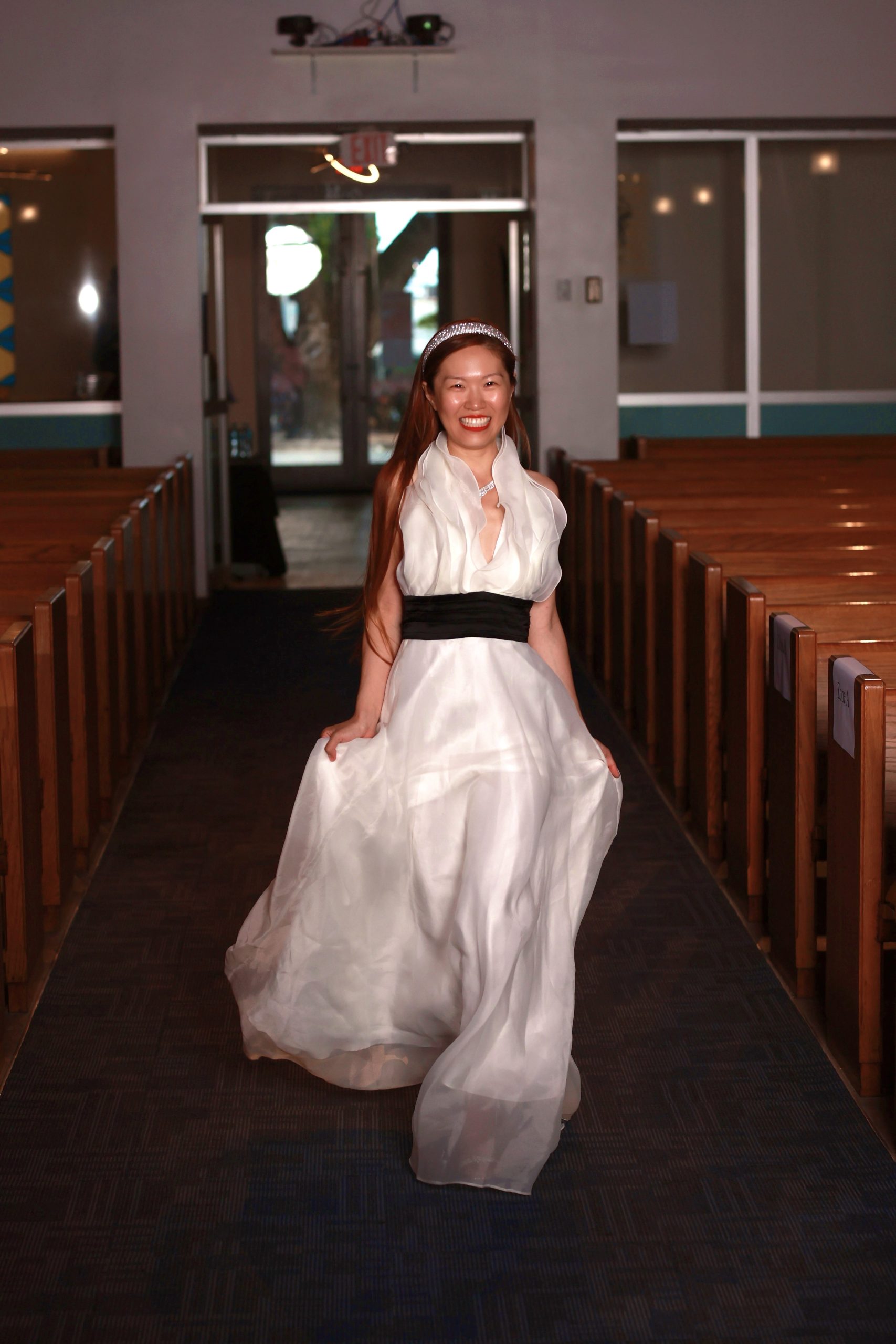
“Carried by the Wind” is an instrumental piano piece by concert pianist and composer Tingting Wu that gives a cinematic sense of freedom. It creates a sense of motion, taking you on a journey across a vast musical landscape where the rush of wind, the far-off waves of the ocean, and a strong sense of possibility come together.
Wu uses the piano to create an experience of courage, emotional openness, and determination to move forward. It has a thrilling character, the feeling of being lifted out of the known, of finding the liberty to embrace new possibilities. It’s a welcome hint of intimacy, a moment where openness and courage can take the same emotional journey.
Tingting Wu’s history as a concert pianist and composer shapes the release’s artistic identity. She founded LUMIMUSIC, a full concert experience that fuses live piano performance with lighting to explore the relationship between sound, emotion, and visual expression. That creative philosophy is reflected in the imagination of “Carried by the Wind,” where the piano becomes a narrative instrument, conjuring vivid scenes without words.
“Carried by the Wind” celebrates progress and inner strength. The most interesting part is the distinction between the fearless cinematic energy and its quieter emotional center, the composition with a sense of humanity under its expansive atmosphere. Tingting Wu keeps searching for ways instrumental music can tell a story, asking you to find your own meaning in every note.

-

 Album Review7 days ago
Brynja Rán finds clarity in complicated relationships on “Unblurred” [album]
-

 Artist Spotlight4 days ago
Stephanie Porter unveils the admiration and happiness with latest release “He Thinks That I’m Wonderful”
-

 Artist Spotlight4 days ago
Stephani Ezatoff honors Elvis Presley’s legacy on powerful new single “Run On”
-

 Artist Spotlight4 days ago
Alwyn Morrison explores betrayal, judgment, and survival on new EP “Trial”
-

 Artist Spotlight5 days ago
Boy Sim explores heartbreak and self-deception on “Cloud Nine”
-

 Artist Spotlight4 days ago
Fanny Alexandra explores emotional recovery and self-discovery on “Ceasefire”
-
 News5 days ago
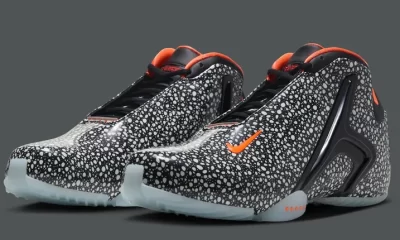
Nike Zoom Hyperflight “Safari” Official Images Reveal Bold Print Ahead of Holiday Release
-

 Artist Spotlight4 days ago
Kay Onishi drops dark synth-trap banger on latest release “30 SECOND RULING”