
Album Review
Tita Nzebi bridges heritage and humanity with new album, “Réminiscence”

Tita Nzebi is back with “Réminiscence,” her latest album, consisting of 10 tracks recorded in renowned studios across Paris and mixed with great care at Real World Studios. The Gabonese album has been part of a diverse international catalog and is rather well-produced. With arrangements and production by multi-instrumentalist Leny Bidens, the album reflects a long-term collaboration.
“Réminiscence” is about the beautiful messiness of being human, blending spirituality and social consciousness. The album opener, “REMINISCENCE,” is a contemplative meditation on memory and transmission that establishes the album’s emotional arc. “KEK’DA,” adorned with textured rocks, embodies concepts of spiritual growth in an earthy yet airy way. With “MBAMA Scène,” connection and cultural continuity are rendered in a magnificent current, wrapping that listening journey up with a powerful assertion.
“A’TA” offers a more complex perspective on wisdom, and “31 AOÛT” explores the concepts of time and memory with greater depth. “ARROGANCE” is an inward gaze at ego, and it pulls elements of bold music together to stoke social tension. Every song here has its own tale to tell, but they all effectively tie back together under the broad-stroke identity themes of freedom, memory, and dignity.
“Réminiscence” is an artistic manifesto, and much of what Tita Nzebi does honors its past while still feeling very much rooted in global sounds. The record serves as a reminder to listeners of the connections that gave rise to identity and collective memory.
Connect with Tita Nzebi on Spotify | Instagram | X | Facebook

Album Review
Tangent return with “Disclosure,” a dark electronic journey through truth and uncertainty [album]
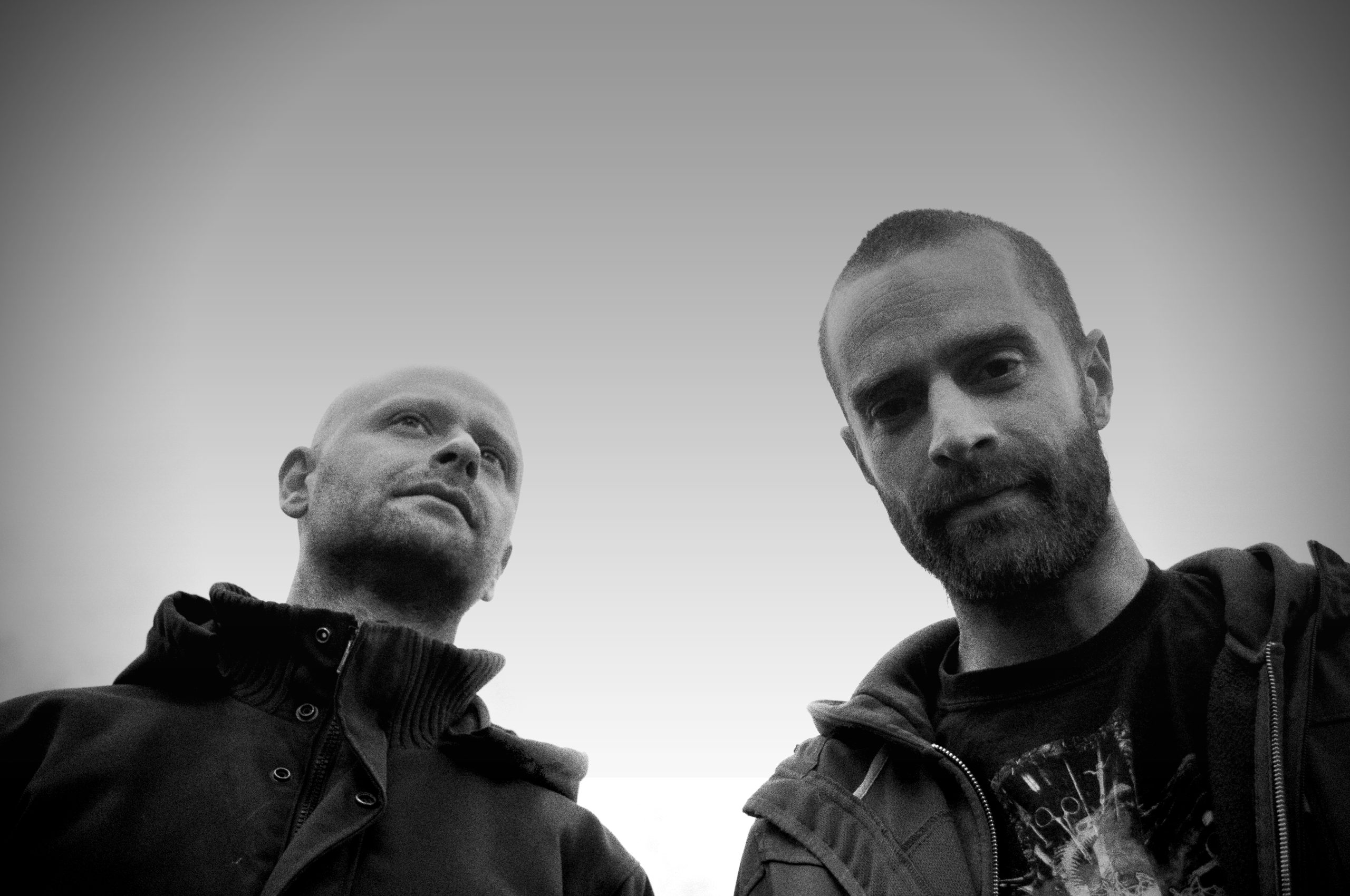
Dutch electronic duo Tangent returns after a 3-year hiatus with “Disclosure,” their 7th album, released today via n5MD. The album draws on ambient, electronic, and IDM sounds, revisiting the shadowy, dystopian atmosphere that has long defined the duo’s musical identity.
“Disclosure” references these themes: things long hidden, inner conflict, doubt, and facing what’s been kept out of sight for a long time, after a hard time and a long hiatus. Tangent creates a world where darkness and hope can live together across seven tracks.

The opening title track, “Disclosure,” sets the tone, tracing the slow arrival of uncomfortable truths. At its heart, the idea moves from creepy tension to a darker, heavier reality, with a growing sense of discomfort. “Absence of Force” explores the resistance of silence and the search for your voice through control and emotional control.
The next track, “Unfound Existence,” is introspective and concerns the search for identity and self-understanding. Its theme of entering uncharted personal or creative territory adds a further dimension to the album’s rumination on change and uncertainty.
“Denial” explores internal conflict in the face of difficult realities. The track explores the gap between what people know and what they are prepared to accept. “Vector of Acceleration” suggests a more primitive existential horror, the sense that things are slipping out of our control. Another way to look at this tension is “Sonoluminescence,” a track about hope, survival, and seeing the light after the dark. It’s an emotional breath of fresh air in the album’s dark world.
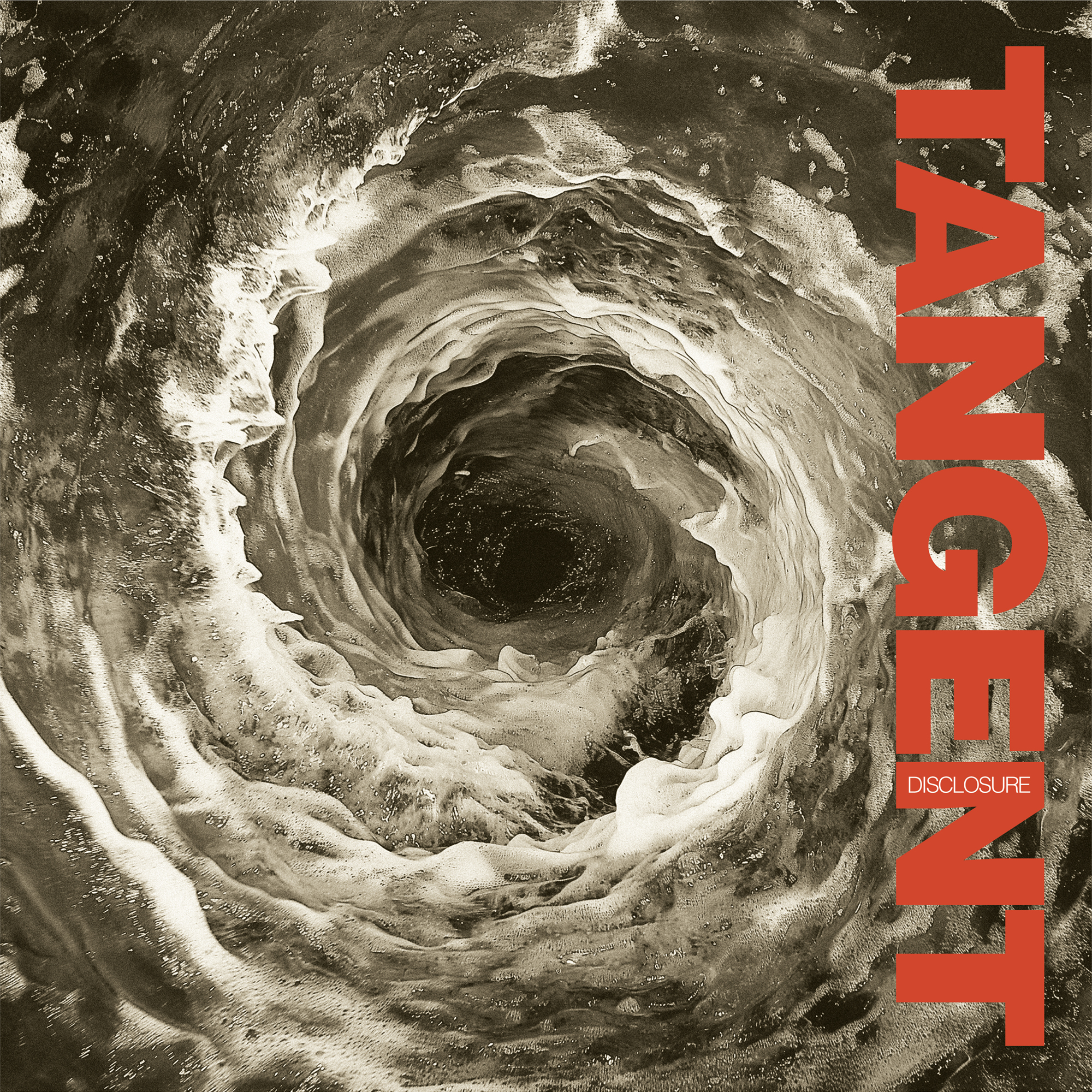
“Opposing Forces“ is the album’s closing track, and it leaves you with a feeling of tension and unresolvedness. It captures the eternal struggle between hope, darkness, and change, without a clear answer. Tangent is back in the sound with “Disclosure,” and each song approaches that territory from a different angle, creating a connected journey through hard truths, personal discovery, fear, and the possibility of moving forward. The album invites you to sit with the questions.
Album Review
From heartbreak to hope, Sacha Mullin maps the human experience on “Social Touch” [album]

Produced by William Parker Wood, Sacha Mullin’s fourth solo album, “Social Touch,” was released on Dipterid Records. The record blends eclectic influences, pop-forward sounds, emotionally driven songwriting, and unique vocals to explore the complex feelings that define human relationships.
Across 10 tracks, Mullin explores love, conflict, isolation, grief, and hope to craft a collection that reflects how people relate, grapple with understanding each other, and seek comfort. “Social Touch” explores the openness, frustration, and growth that come with opening yourself up to someone else.
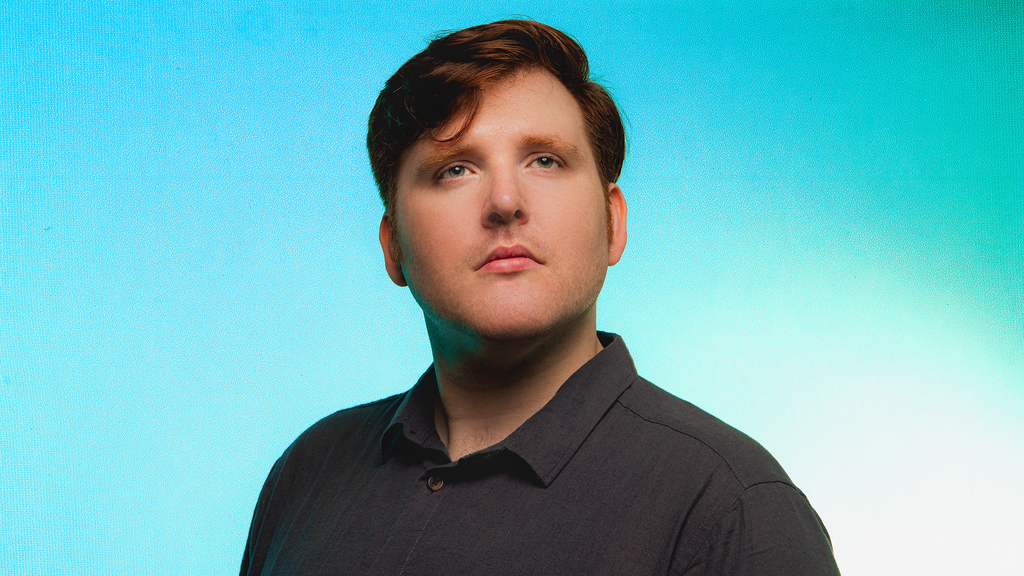
The album opens with “Joy,” a song about the comfort and openness of finally being close to the one you love. That sense of connection bleeds into the tender emotional space of “Don’t Wanna Hurt U,” a song about boundaries and trying not to hurt a partner’s feelings. “Hypocenter” feels like a relationship at the breaking point, capturing the moment built-up tension erupts into conflict.
On “Bed All Day,” Mullin is introspective, dealing with burnout, loneliness, and the anxiety of even saying out loud that love is in the picture. In “Mime,” the theme of difficult relationships returns, but with a focus on silence, poor communication, and the frustration of not being heard.
The album’s title track, “Social Touch,” is central to the album and touches on the need for physical contact in an increasingly digital world. It captures the album’s larger themes and prompts you to question the value of genuine human interaction. “Tears Into Platinum” offers a fresh perspective on how creativity and resilience can give meaning to grief and pain, while “Odd Radio Circle” explores the mind’s odd movement, the chaos within that can make it hard to work through your own thoughts.

The final two tracks are a welcome change of pace. “Let’s Cruise!” is groove, freedom, and forward movement, an escape from emotional heaviness and getting stuck in difficult feelings. The album closes with “Tall Ask,” a song that celebrates emotional openness, warmth, and hope for a more daring future.
“Social Touch” is a tenfold perspective of personal reflection and attainable pop songwriting. The album explores intimacy, inner struggle, and moments of brighter release. This album gives you a chance to reflect on your relationships and discover new shades of feeling.

-

 Artist Spotlight4 days ago
Myster Rhythm searches for answers and reconciliation on latest release “What’s Goin On?”
-

 Artist Spotlight4 days ago
Amerakin Overdose turns betrayal into a battle cry on latest release “Parasite”
-

 Artist Spotlight4 days ago
Aric Coyote calls for unity and a brighter tomorrow on latest release “Children of The Sun”
-

 Artist Spotlight4 days ago
Carl Kammeyer turns personal appreciation into universal connection with “Only You”
-

 Artist Spotlight4 days ago
Brian Asha celebrates real-life adventure on “Mighty Man (Jack De Keyzer’s Rock’n’Roll Remix)”
-

 Artist Spotlight3 days ago
Eylsia proves that hope can find its voice even through hardship in “Find Another Way”
-

 Artist Spotlight4 days ago
Eylsia finds love in life’s smallest moments on latest release “I See You”
-

 Album Review1 day ago
From heartbreak to hope, Sacha Mullin maps the human experience on “Social Touch” [album]