
Album Review
Belle Lundon Gets Emotional and Existential on “Space Cadet”
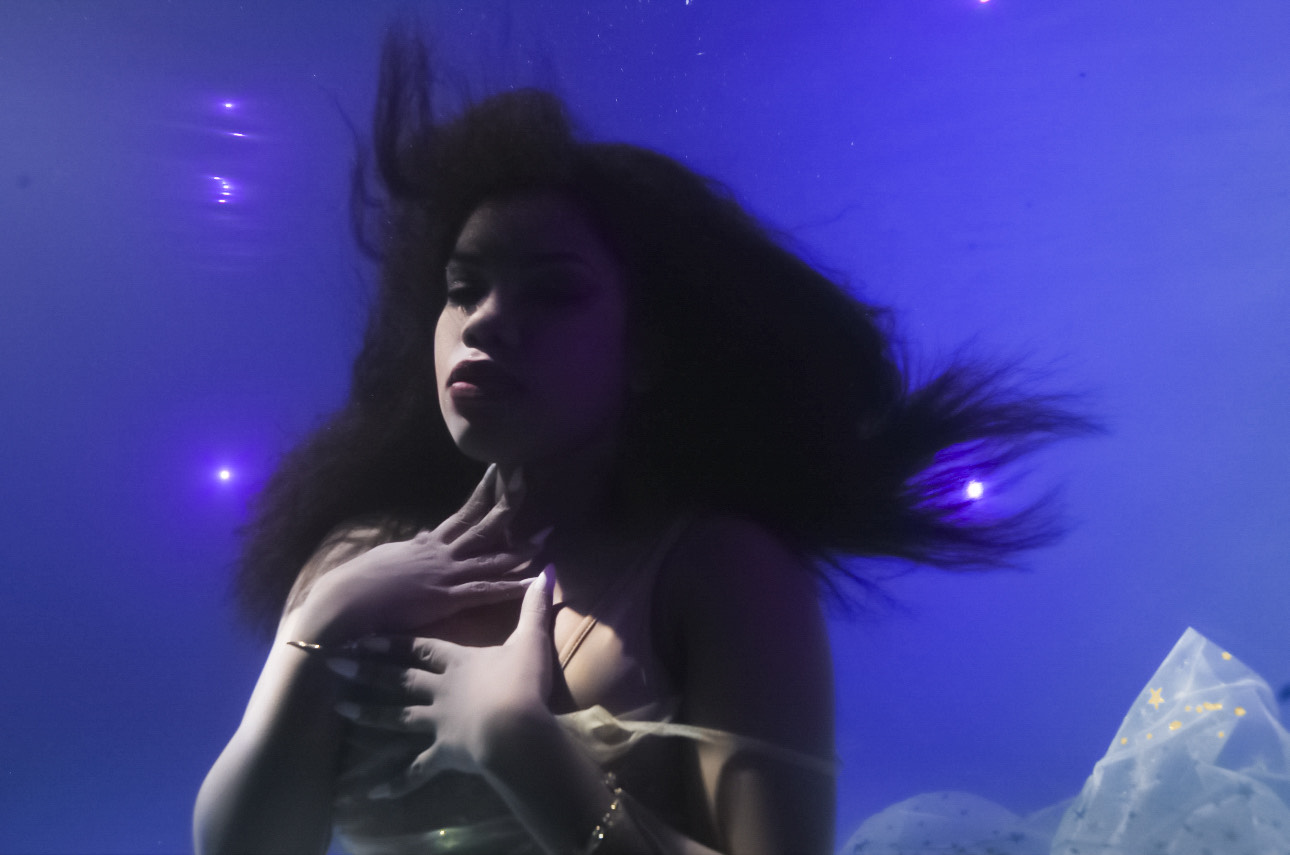
Belle Lundon is a multifaceted artist excelling in music, acting, and songwriting. Raised in New Orleans and now based in Houston, her artistic journey blossomed at the California Institute of the Arts. In 2016, Belle won a Coca-Cola music competition, leading to a performance at the Apollo Theater in New York where she captivated audiences with “He Wants It All” by Forever Jones. Beyond covers, Belle’s original song “My Soul to Keep” earned her the W.A.M. Award for Best Gospel Song in 2020. Belle’s passion lies in sharing her music globally, with dreams of embarking on international tours, always striving for authenticity, success, and happiness in her artistry.
Her latest single, “Space Cadet” captures the internal struggle of feeling overwhelmed and seeking redemption and support. It conveys a narrative of personal turmoil, mistakes, and the human desire for a sense of upliftment and understanding. The recurring motif of drowning and being lifted up symbolizes the search for hope and assistance in times of despair.
The lyrics delve into themes of vulnerability, redemption, and the human condition. The repeated lines “Feels like I’m drowning, grab my hands and lift me up” suggest a plea for help and connection, emphasizing the universal need for support and understanding. The contrast between “giving up” and “not giving up” reflects the internal conflict between resignation and resilience. The mention of “Subliminal like haiku” indicates a nuanced and profound communication of feelings, akin to the brevity and depth of haiku poetry. The invocation of “Chrios” could symbolize a call to a higher power or inner strength, adding a spiritual dimension to the song’s exploration of seeking guidance and clarity.
For further thematic exploration, artists like Sufjan Stevens, with his introspective and often spiritual lyrics, and Florence + The Machine, known for their poetic and metaphysical themes, would resonate with the mood and style of “Space Cadet.”
“Space Cadet” seems to be a richly textured song that weaves together themes of struggle and resilience with a musical backdrop that spans pop, R&B, and electronic genres, infused with elements of dream pop and synth-pop. The song’s narrative centers on the journey through hardship, underlined by an emotional plea for support and the hope for a brighter, more euphoric future. Its lyrics reflect a deep sense of being overwhelmed yet underscore a strong will to persevere and overcome, making it a poignant anthem for those facing their own battles.
The combination of hopeful, resilient, and determined moods with the thematic focus on struggle, resilience, and support creates a compelling contrast against the relaxed, dreamy, and ethereal tones provided by the music’s instrumentation. The use of synth, drums, guitar, and piano, alongside the subgenres like chillwave and lo-fi, suggests a sound that is both introspective and uplifting, capable of transporting the listener to a state of contemplation and solace.
This duality between the song’s thematic depth and its sonic atmosphere might be what Belle Lundon aims to convey: a message that even in the depths of adversity, there is a space for dreaming, hope, and finding support, whether through personal connections or the universal experience of music. “Space Cadet” appears to be an invitation to acknowledge our vulnerabilities and struggles but also to remember the strength and resilience within us that helps to navigate through tough times.
–James Watkins













Album Review
Dian Sheng explores identity, life and love with “Sid” album

Dian Sheng releases his long-awaited first English-language album, “Sid,” a genre-defying collection of songs that includes pop, rock, electronic, and jazz. “Sid” is a deep, meditative exploration of identity, relationships, and self-growth, spanning 29 minutes and 12 seconds across eight tracks. This album is a personal exploration of the complex emotions of mankind and the vitality and jubilation of life.
From the opening track, “Right Now,” Dian Sheng establishes a sense of urgency and reflection. The upbeat song “I Come From Far” examines the connection between the self and one’s environment. It has joyful beats and layers that make you think and feel like part of the narrative.
The jazz ballad “Undecided Love” delves into the complexities of modern romance, featuring tender vocals and instrumentation that showcase Sheng’s delicate touch as a songwriter. “It Will Be Alright” is an empowering anthem about overcoming life’s biggest obstacles, combining electronic beats with a rock influence.
“Seventeen” is bursting with youthful energy, and its production captures the restlessness and emotionality of adolescent life. Two introspective songs with similar atmospheres, “The Way Before” and “This Life,” match chilling melodies with moving lyrics that touch on bygone relationships, self-awareness, and the quest for meaning we all experience.
The album concludes with “Shining As Your Name,” and the final few minutes of this piece alone evoke a strong sense of hope. Dian Sheng demonstrates his ability to join emotional depth with new styles. “Sid” is an invitation into the rich musical universe of Dian Sheng, where you can both consider yourself and feel influenced.
Connect with Dian Sheng on | Facebook | X | Spotify | Instagram |
Written by:
Faith Koch
Album Review
Ty Wilson delivers grit and heart on new country album “Northern Heart, Southern Soul”
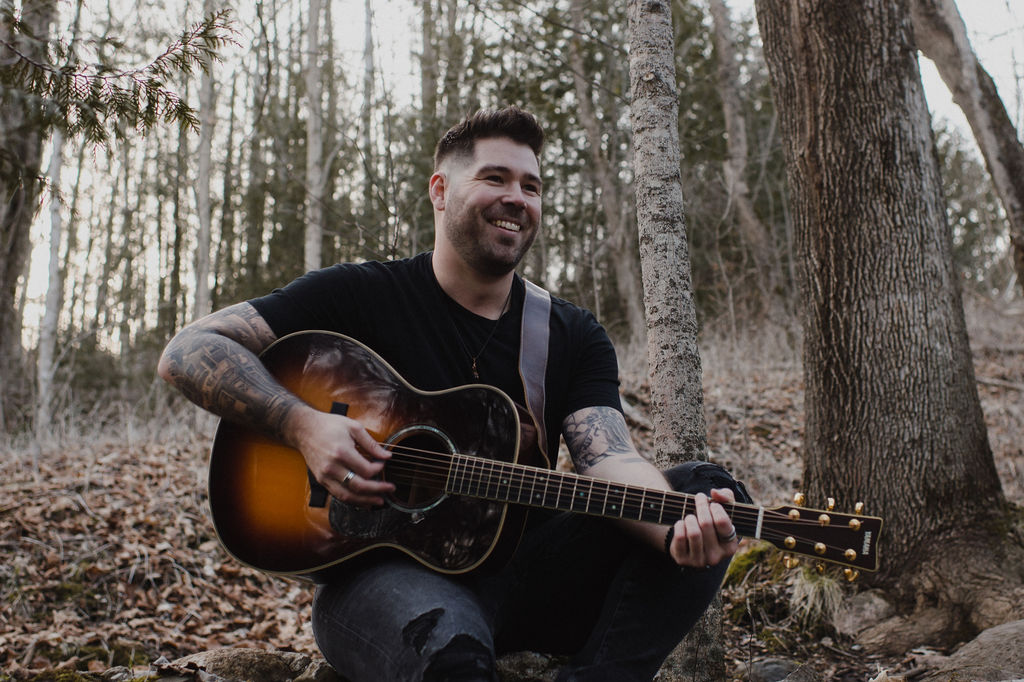
Ty Wilson’s “Northern Heart, Southern Soul” arrives like a long stretch of open highway at sunset as an honest, contemplative, and strategic ballad. Wilson’s eight-song LP marks the end of a project that melds his Canadian roots with the time-tested sounds of Southern country and Americana.
To give the album its sound, Wilson enlisted Nashville-based producer and drummer Jay Tooke, who has worked with groups such as The Steel Woods, Randy Houser, and Wyatt Flores. Production and engineering were handled by Edgewater Music Group, which is based in Texas, and the result is a brief but potent album that embraces the Southern sound he cherishes while retaining Wilson’s unique storytelling.
Always wanting to release a full-length album, Wilson has accomplished that with “Northern Heart, Southern Soul,” and its tied-together story reflects themes of perseverance, love, and contemplation. “Chasin’ Headlights“ is dedicated to his fiancée, a rock that sustains him on his busy touring schedule. It captures the silent grit that accompanies a life on the road. The album’s second single, “Alabama Way,“ is an unabashed nod to the Southern influences on the album after Wilson’s Red Dirt-informed sound.
Filling out the emotional spectrum of this album are songs like “Good Thing Goin’” and “Missin’ the Boat,“ which indulge happy thoughts about romance and momentum, alongside deeper rumination on regret and fidelity in works like “Can’t Live Without Her.“ “Knew You Then,“ with Mason Keck, brings a reflective edge as it reminisces about relationships and the passage of time.
One of the best songs on the album is “Born to Lose,” and it’s a testament to the power of classic country storytelling. The power of hard times and perseverance underlies this song, which serves as a stirring reminder that some of the most poignant voices in populist music are born of struggle. The final song, “Glory, When I Win,” is equally good and provides a triumphant emotional payoff. The song really demonstrates how difficult it is for independent artists to break through. They have to cope with failure and keep going, hoping the next mile will be a winner.
“Northern Heart, Southern Soul” is a brief work at just 26 minutes and 40 seconds long, and it’s about keeping it real. It illustrates how a northern identity and southern influence can coexist, proving that exceptional country music has no geographical boundaries.
Connect with Ty Wilson on Website | Facebook | Instagram | Spotify | TikTok |

-

 Artist Spotlight6 days ago
The Perfect Storm celebrates friendship with new release “A Song for My Friends”
-

 Artist Spotlight6 days ago
Michael Soul hides from being open with new release “Hiding”
-

 Artist Spotlight6 days ago
Grace Doty lights up the sky with new release “Sunset Colors”
-

 Album Review2 days ago
Dian Sheng explores identity, life and love with “Sid” album
-
 Artist Spotlight2 days ago
Feel the vibe with Sporty-O’s new EP “The P.L.U.R. Project,” a blend of emotions and sound
-
 Artist Spotlight2 days ago
“Boom” by Chandra explodes with energy and in-depth storytelling
-

 Artist Spotlight2 days ago
Lana Crow turns a dream inspiration into pop anthem with “In Spirit”
-

 Artist Spotlight3 days ago
Dax turns years of questions into new release “God, Can You Hear Me?”