
News
Derek Chauvin’s Trial To Be Separate From Other Officers Charged in George Floyd’s Murder
Former Minneapolis Police Officer, Derek Chauvin, will not be tried with the other officers who are also responsible for George Floyd‘s death. Hennepin County Judge Peter Cahill cited the ongoing COVID-19 pandemic…

Former Minneapolis Police Officer, Derek Chauvin, will not be tried with the other officers who are also responsible for George Floyd‘s death.
Hennepin County Judge Peter Cahill cited the ongoing COVID-19 pandemic for the reason for his ruling.
Chauvin is being charged with second-degree murder, third-degree murder, and second-degree manslaughter. The other three officers, Thomas Lane, J. Alexander Kueng, and Chauvin’s brother-in-law, Tou Thao, are being charged with aiding and abetting second-degree murder and manslaughter.
Derek Chauvin is going to trial in March, meanwhile, his co-defendants will be tried in August.
In November Cahill had a different tune and said it would be best to try all four officers together because the jury will have “all of the evidence and the complete picture of Floyd’s death.” But he had a change of heart as coronavirus cases rise.
NPR obtained court documents that state, “The physical limitations of courtroom C-1856, the largest courtroom in the Hennepin County Government Center, make it impossible to comply with COVID-19 physical restrictions in a joint trial involving all four defendants beginning March 8, 2021 given the number of lawyers and support personnel the parties have now advised the Court are expected to be present during trial.”
Cahill also cited issues of the availability of the COVID-19 vaccine and advised to take precaution when scheduling the trials of the other officers. “COVID-19 continues to be a public health emergency,” the court said. “While the State believes the situation will be greatly improved by June due to vaccinations, the Court is not so optimistic given the news reports detailing problems with the vaccine rollout.”
Prosecutors are unhappy with this ruling and was hoping that Derek Chauvin will be tried with his co-defendants. “The evidence against each defendant is similar and multiple trials may retraumatize eyewitnesses and family members and unnecessarily burden the State and the Court while also running the risk of prejudicing subsequent jury pools,” Minnesota Attorney General Keith Ellison said in a statement.
What are your thoughts?
The post Derek Chauvin’s Trial To Be Separate From Other Officers Charged in George Floyd’s Murder appeared first on The Source.

News
Judge delays ruling on Lil Durk bond, release status still unclear
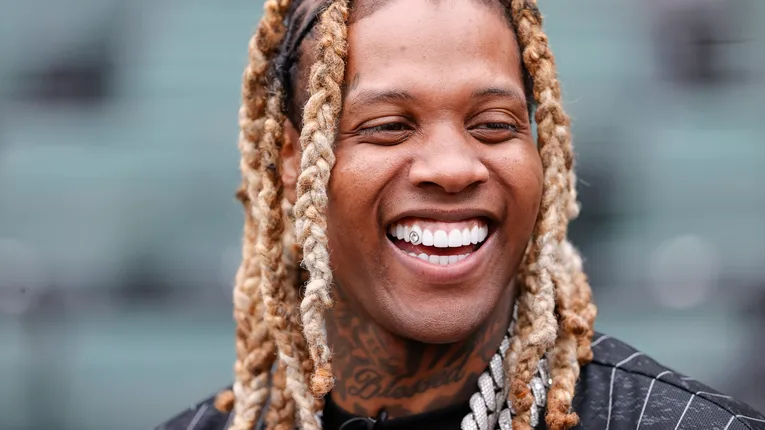
Lil Durk is still awaiting word on whether he will be granted bond after a hearing last week with Judge Michael W. Fitzgerald, who has yet to rule. The delay does not change the rapper’s legal status, as his defense is still pushing for his release ahead of a scheduled VICAR trial in August 2027.
At the bond hearing, Durk’s legal team argued why he should be allowed to return home while awaiting trial. His lawyers cited the time he has already spent in custody, noting he has been behind bars for some two years now. They also said he deserves some form of restitution after being found not guilty of the murder-for-hire plot involving Lul Pab detailed in the information given.
The defense also offered a significant bail package to support the request. The deal called for a proposed payment of $1 million and royalties from music publishing. Character letters from multiple high-profile people, including JAY-Z and J. Cole, also supported the package.
The letters were submitted as part of the defense’s bid to show support for Durk and bolster the case for his release. However, in its own filing, the prosecution downplayed the materials’ importance.
Hours before the bond hearing, prosecutors filed a response raising concerns about alleged contraband inside the jail. They accused Durk of bringing contraband into the facility, giving the court another issue to consider in weighing the defense’s request.
The prosecution also attacked the character letters submitted for Durk, saying they lacked substance. Its filing therefore challenged the allegations of conduct and the weight to be given to the defense’s support.
These competing arguments give the judge several issues to consider. On one hand, Durk’s attorneys cite the proposed financial conditions, character references, and his time in custody. In contrast, prosecutors allege factors that should weigh against his release.
No decision was made immediately after the hearing, and available information does not indicate when Judge Fitzgerald will rule. So Durk is in limbo, waiting for the next court move as both sides wait.
The rapper’s profile and the time he’s already spent in custody mean the case continues to draw attention. His defense wants him out long before his August 2027 trial, but the prosecution’s filing has added another layer to the bond proceedings.
The proposed $1 million payment, book royalties and letters from prominent figures have not yet produced an immediate result. The judge has not yet decided, and it is unclear what will happen to Durk’s custody.
These are the defense’s proposed conditions and the prosecution’s allegations. None of these should be considered a decision until the court decides. The next big thing will be Judge Fitzgerald’s ruling on whether Durk can be released pending trial.
News
Tupac Shakur Murder Case: Keefe D’s Appeal Accepted as Court Deadlines Loom
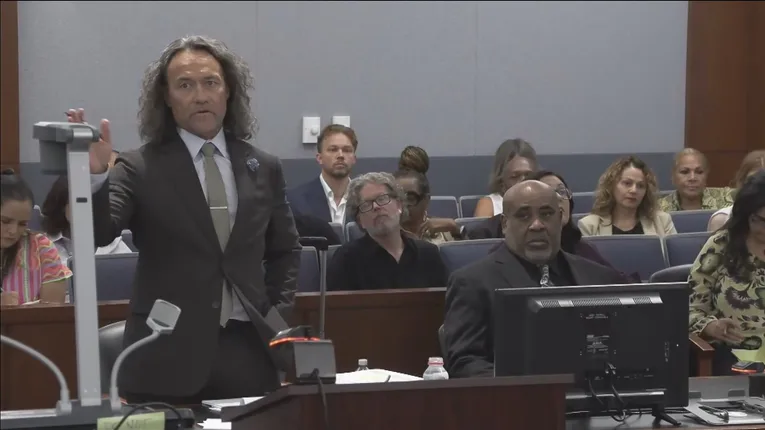
Duane “Keefe D” Davis cleared a key procedural step in his effort to overturn his murder conviction in the slaying of Tupac Shakur. Davis also faces several deadlines to file the necessary documents, and the Nevada Supreme Court has accepted his appeal, adding another legal development to the case.
Davis’ attorney, Michael Sanft, first filed the appeal on October 30. But Sanft died last week, and Davis has no lawyer at this time, according to the information. Despite that development, the court accepted and filed the appeal on November 9.
The acceptance is a step toward appealing the conviction, but it does not mean the conviction has been overturned or that Davis has won his appeal. Instead, the case is progressing to the next stage, where certain procedural requirements must be met.
According to the information, Davis has some deadlines looming. Within two weeks of the appeal being accepted, he must file a transcript request form.
He has three weeks to file a docketing statement. Beyond those initial requirements, Davis has four months to deliver an opening brief, which will be an important part of presenting his arguments in the appeal process.
The deadlines are complicating an already complicated situation, and Davis’Davis’ attorney is no longer available to take him on as a client. The information provided does not identify a replacement attorney or explain how his legal representation will be handled moving forward.
Sanft’s death also comes at a sensitive time in the proceedings. He filed the appeal before he died, so now the court has accepted a legal challenge from an attorney who is no longer able to continue working on the matter.
Davis’ first job is to make sure the proper documents are filed within the court’s deadlines. The next few weeks will be crucial, as missing procedural deadlines could further complicate the appeal.
The case is still closely watched because of its connection to Tupac, whose death has kept public attention alive. Davis’ bid to overturn his conviction adds another chapter to the legal drama surrounding the rapper’s killing.
But the acceptance of the appeal must be understood for what it is: permission for the appellate process to continue, not a ruling on the underlying arguments. The Nevada Supreme Court has not ruled to overturn Davis’s conviction based on the information provided.
Davis now faces a series of important steps: the transcript request is due in two weeks, the docketing statement in three, and the opening brief in four months. How those requirements are dealt with will dictate the next phase of his appeal.

-

 Artist Spotlight6 days ago
Séhkou unveils a beautiful connection between faith and intimacy on latest release “Song of Songs 1:3-4 (I Know)”
-

 Artist Spotlight6 days ago
Alias Wayne celebrates the beauty of genuine affection on latest release “Tribute”
-

 Artist Spotlight6 days ago
Mel Denisse creates an intimate escape from reality on latest release “underneath the world”
-
 Artist Spotlight6 days ago
GMG_Grizz brings melodic rap and undeniable attitude on latest release “Something Slight”
-

 Artist Spotlight6 days ago
François Marius pushes romantic excitement into a dancefloor celebration with “La Loco”
-

 Artist Spotlight4 days ago
Bash Co. examines emotional imprisonment and love on “Dungeon”
-
 News4 days ago
Judge delays ruling on Lil Durk bond, release status still unclear
-
 Artist Spotlight5 days ago
Doble Pista explores the memories that stay with us on new single “Memoria en la Piel”