
News
Ebro Questions Usher & Chris Brown Feud, Suggests Canceled Shows Could Be Ticket Sales
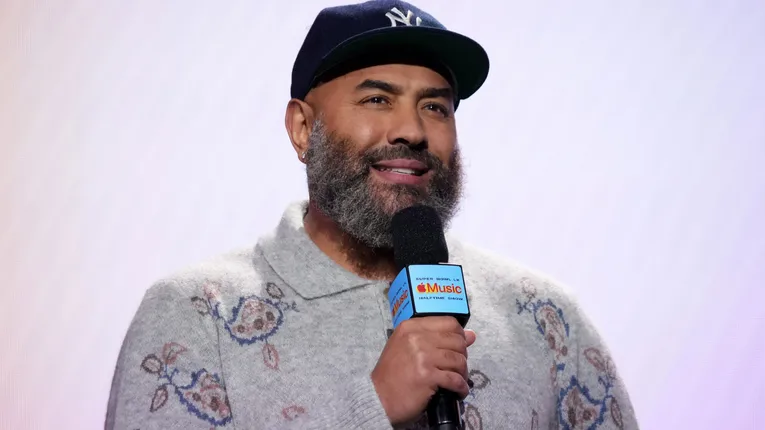
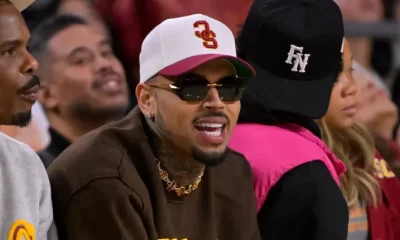
Ebro asked, “Is it really beef between Usher and Chris Brown?” He suggested the whole situation could be a marketing strategy rather than an authentic conflict. During this week’s episode of The Ebro Laura Rosenberg Show, the host described the rumors as possibly a marketing tactic and questioned ticket sales for the artists’ shows.
Usher and Chris Brown are rumored to be feuding after a show in Atlanta was delayed on November 5. The incident sparked rumors that the two artists were not on good terms, and other reports claimed their respective teams intervened.
The discussion grew after information shows that in Los Angeles and Miami were being canceled. The information available did not include any reason for those cancellations, but the developments fuelled more speculation about what might be going on behind the scenes.
Ebro offered his own take on the podcast. He said he initially viewed the story about Chris Brown and Usher getting into an argument as a marketing move, arguing that controversy can help generate attention.
“When the story [broke] that Chris Brown & Usher got into it, I thought it was a marketing hustle,” Ebro said. “Controversy sells. I think the shows that got canceled were because of bad ticket sales.
His remarks imply that he suspects the public discourse around the supposed feud may be playing a promotional role. He also linked the reported cancellations to what he suspects may be weaker demand for tickets, though he did not present evidence to establish that as the reason.
The distinction matters because the situation is still wrapped in speculation. The postponed Atlanta show and alleged cancellations are now part of the conversation. Still, the information provided does not confirm any public revelation of a personal disagreement by either artist or that ticket sales are the reason for the canceled dates.
Ebro’s theory is just another angle on a story that has generated a lot of discussion in music and entertainment conversations. Of course, when two big performers are involved, the possibility of friction is always of interest, especially when reports start to include their teams and planned appearances.
But the former Hot 97 host doesn’t seem to believe the situation should be taken at face value. He called it a possible marketing hustle, suggesting that the controversy may be generating publicity when ticket sales could be an issue.
His remarks also underscore the challenge of distinguishing real conflict from promotional speculation when information is thin. A show being delayed or canceled can raise questions, but without confirmed explanations, the reasons are unknown.
For now, Ebro’s remarks are his personal interpretation of the developments rather than confirmation of what is happening between Usher and Chris Brown. It is unclear whether the reported tension is real or part of a wider publicity strategy. But his suggestion that low ticket sales could be a reason for the cancellations adds another dimension to the ongoing conversation.






News
Judge delays ruling on Lil Durk bond, release status still unclear
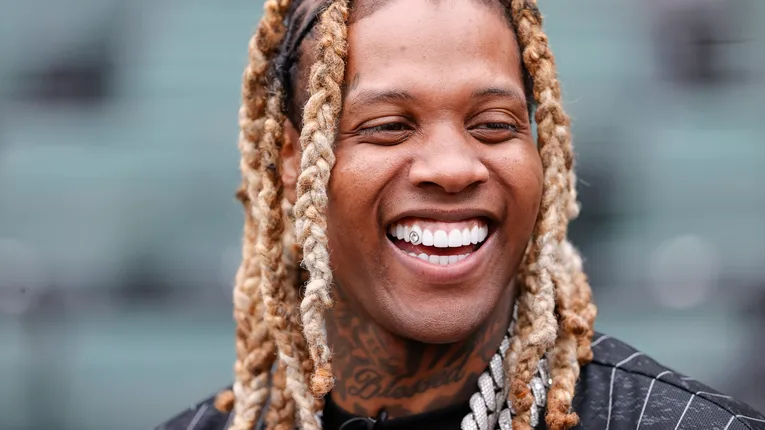
Lil Durk is still awaiting word on whether he will be granted bond after a hearing last week with Judge Michael W. Fitzgerald, who has yet to rule. The delay does not change the rapper’s legal status, as his defense is still pushing for his release ahead of a scheduled VICAR trial in August 2027.
At the bond hearing, Durk’s legal team argued why he should be allowed to return home while awaiting trial. His lawyers cited the time he has already spent in custody, noting he has been behind bars for some two years now. They also said he deserves some form of restitution after being found not guilty of the murder-for-hire plot involving Lul Pab detailed in the information given.
The defense also offered a significant bail package to support the request. The deal called for a proposed payment of $1 million and royalties from music publishing. Character letters from multiple high-profile people, including JAY-Z and J. Cole, also supported the package.
The letters were submitted as part of the defense’s bid to show support for Durk and bolster the case for his release. However, in its own filing, the prosecution downplayed the materials’ importance.
Hours before the bond hearing, prosecutors filed a response raising concerns about alleged contraband inside the jail. They accused Durk of bringing contraband into the facility, giving the court another issue to consider in weighing the defense’s request.
The prosecution also attacked the character letters submitted for Durk, saying they lacked substance. Its filing therefore challenged the allegations of conduct and the weight to be given to the defense’s support.
These competing arguments give the judge several issues to consider. On one hand, Durk’s attorneys cite the proposed financial conditions, character references, and his time in custody. In contrast, prosecutors allege factors that should weigh against his release.
No decision was made immediately after the hearing, and available information does not indicate when Judge Fitzgerald will rule. So Durk is in limbo, waiting for the next court move as both sides wait.
The rapper’s profile and the time he’s already spent in custody mean the case continues to draw attention. His defense wants him out long before his August 2027 trial, but the prosecution’s filing has added another layer to the bond proceedings.
The proposed $1 million payment, book royalties and letters from prominent figures have not yet produced an immediate result. The judge has not yet decided, and it is unclear what will happen to Durk’s custody.
These are the defense’s proposed conditions and the prosecution’s allegations. None of these should be considered a decision until the court decides. The next big thing will be Judge Fitzgerald’s ruling on whether Durk can be released pending trial.
News
Tupac Shakur Murder Case: Keefe D’s Appeal Accepted as Court Deadlines Loom
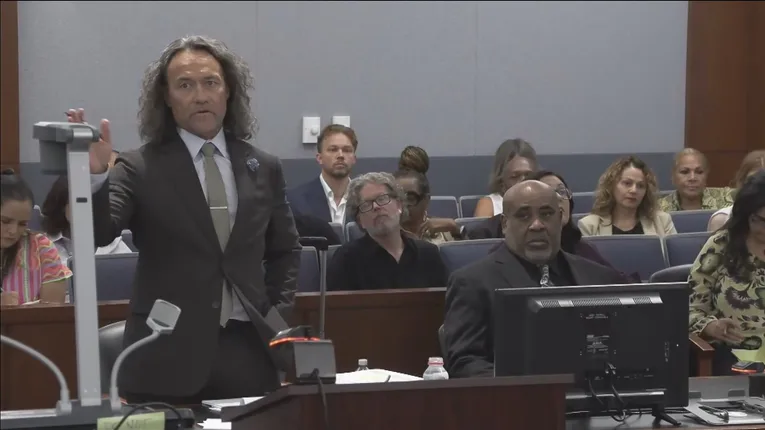
Duane “Keefe D” Davis cleared a key procedural step in his effort to overturn his murder conviction in the slaying of Tupac Shakur. Davis also faces several deadlines to file the necessary documents, and the Nevada Supreme Court has accepted his appeal, adding another legal development to the case.
Davis’ attorney, Michael Sanft, first filed the appeal on October 30. But Sanft died last week, and Davis has no lawyer at this time, according to the information. Despite that development, the court accepted and filed the appeal on November 9.
The acceptance is a step toward appealing the conviction, but it does not mean the conviction has been overturned or that Davis has won his appeal. Instead, the case is progressing to the next stage, where certain procedural requirements must be met.
According to the information, Davis has some deadlines looming. Within two weeks of the appeal being accepted, he must file a transcript request form.
He has three weeks to file a docketing statement. Beyond those initial requirements, Davis has four months to deliver an opening brief, which will be an important part of presenting his arguments in the appeal process.
The deadlines are complicating an already complicated situation, and Davis’Davis’ attorney is no longer available to take him on as a client. The information provided does not identify a replacement attorney or explain how his legal representation will be handled moving forward.
Sanft’s death also comes at a sensitive time in the proceedings. He filed the appeal before he died, so now the court has accepted a legal challenge from an attorney who is no longer able to continue working on the matter.
Davis’ first job is to make sure the proper documents are filed within the court’s deadlines. The next few weeks will be crucial, as missing procedural deadlines could further complicate the appeal.
The case is still closely watched because of its connection to Tupac, whose death has kept public attention alive. Davis’ bid to overturn his conviction adds another chapter to the legal drama surrounding the rapper’s killing.
But the acceptance of the appeal must be understood for what it is: permission for the appellate process to continue, not a ruling on the underlying arguments. The Nevada Supreme Court has not ruled to overturn Davis’s conviction based on the information provided.
Davis now faces a series of important steps: the transcript request is due in two weeks, the docketing statement in three, and the opening brief in four months. How those requirements are dealt with will dictate the next phase of his appeal.

-

 Artist Spotlight7 days ago
Stephani Ezatoff honors Elvis Presley’s legacy on powerful new single “Run On”
-

 Artist Spotlight7 days ago
Fanny Alexandra explores emotional recovery and self-discovery on “Ceasefire”
-

 Artist Spotlight7 days ago
Alwyn Morrison explores betrayal, judgment, and survival on new EP “Trial”
-

 Artist Spotlight7 days ago
Stephanie Porter unveils the admiration and happiness with latest release “He Thinks That I’m Wonderful”
-

 Artist Spotlight3 days ago
Séhkou unveils a beautiful connection between faith and intimacy on latest release “Song of Songs 1:3-4 (I Know)”
-
 Artist Spotlight7 days ago
Kay Onishi drops dark synth-trap banger on latest release “30 SECOND RULING”
-

 Artist Spotlight3 days ago
Alias Wayne celebrates the beauty of genuine affection on latest release “Tribute”
-
 Artist Spotlight3 days ago
GMG_Grizz brings melodic rap and undeniable attitude on latest release “Something Slight”