
News
Ice Cube’s Transition from Rap to Film Nets $160 Million
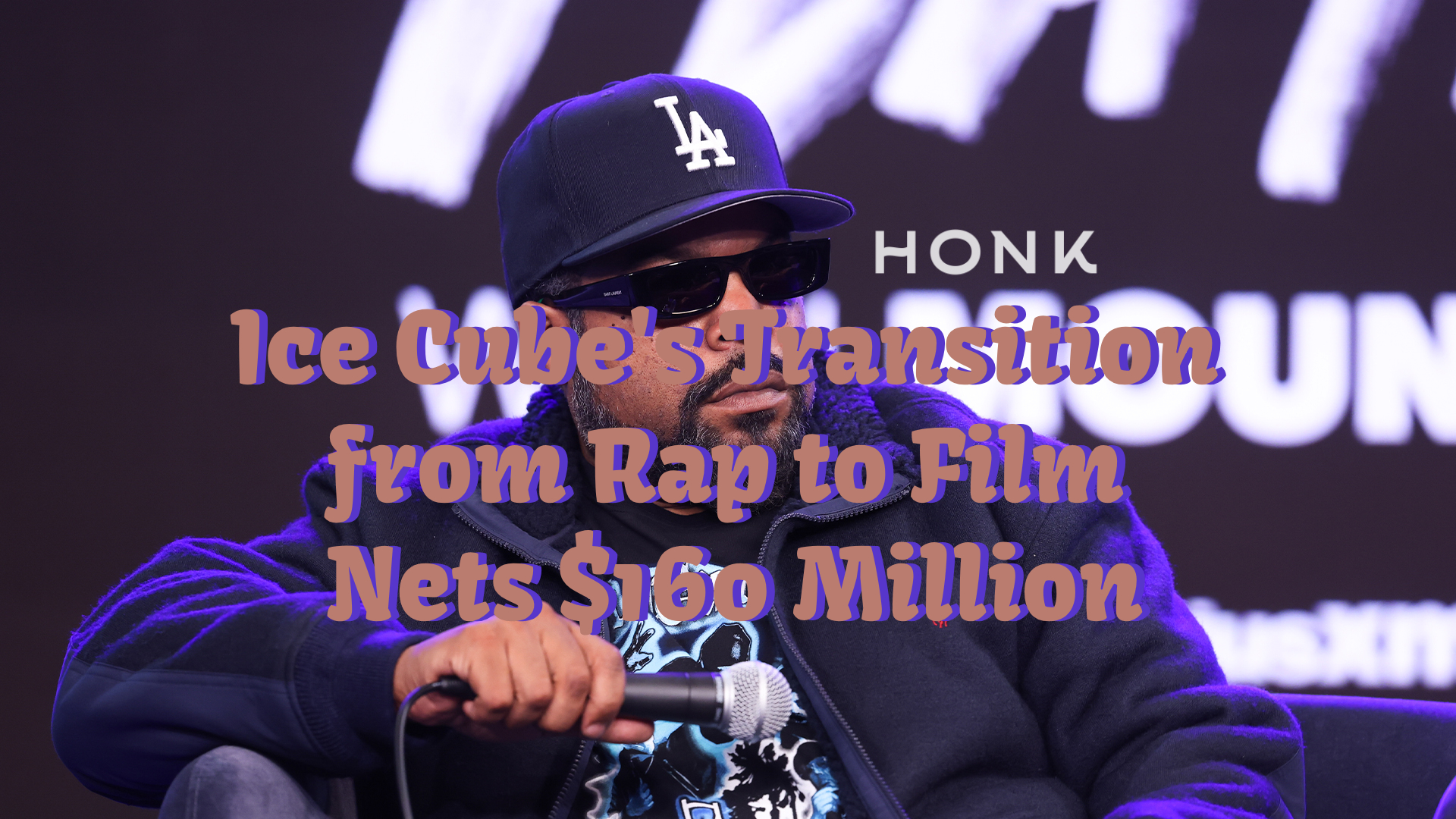
Ice Cube is one of the few characters in entertainment who has transitioned from music to movies along the way, building a financial empire estimated at $160 million in net worth. Not only was his transformation from controversial and influential rapper in the late 1980s to respected actor, screenwriter, producer, and entrepreneur a story of reinvention, but it’s also a strategic, multifaceted career spin that demonstrates both creative prowess and business intelligence.
Ice Cube has lived much of his public life in the limelight as part of the pioneering rap group N.W.A. His unvarnished lyricism and bracing social commentary helped establish the ethos of West Coast hip-hop and served as a template for gangsta rap as a style. N.W.A’s influential debut, Straight Outta Compton, put Ice Cube on his path to fame; still, he was able to assert himself as more than just a rapper soon after. After splitting with the group over disagreements over payment and management, he’d embarked on a successful solo career, dropping albums such as AmeriKKKa’s Most Wanted and Death Certificate, each of which only served to solidify his status as a lyrical titan with incisive political insight.
Check out this article: Rubi Rose Announces Her Single Status and Readiness to Mingle After Brief Romance with Druski
But his charge into film made him a true star and skyrocketed his wealth. His film debut was in 1991’s “Boyz n the Hood,” a critically praised drama that emphasized his natural acting talent and introduced him to a different audience. The performance kicked off decades of a second act that greatly diversified his portfolio.
Cube recognized early that Hollywood was a vehicle for storytelling and impact. In contrast, while many artists simply take acting roles, Ice Cube’s approach was more proactive in writing and producing his own projects. He co-wrote and starred in Friday, a low-budget comedy that became a cult classic, in 1995. Its commercial success garnered two sequels and inspired a cultural phenomenon that we still feel today. Not only did the Friday franchise solidify his legacy in front of the camera, but it also showed his skills behind the scenes.
Cube moved into mainstream, family friendly territory with the Barbershop and Are We There Yet? franchises. These genres exposed him to a wider demographic and demonstrated his capability to succeed with varied genres, from gritty urban dramas to family comedies. That versatility made him a hot property in Hollywood, landing him parts in major studio fare, such as 21 Jump Street and its sequel, and in action pics, such as xXx: State of the Union and Ride Along, which both turned into big moneymakers.
Much of Ice Cube’s wealth comes from work behind the camera. The formation of his own production company, Cube Vision, allowed him to control more of his projects’ creative and financial aspects. With Cube Vision, he not only acted in or wrote films but also produced them, often taking a chunk of backend profits. This type of vertical integration is uncommon in the industry and speaks to his business acumen. By owning his work and creating roles for himself, Cube built revenue streams extending long past a traditional salary.
Beyond music and film, Ice Cube has continued investing in companies that have surely helped add to his growing net worth. Such activities include his co-founding the BIG3 basketball league, which has turned into a genre-defining sports entertainment property, further cementing his track record of identifying and nurturing opportunities outside of traditional entertainment.
Check out this article: Tory Lanez Involved in Car Accident, Says He Felt Targeted
Ice Cube’s net worth of $160 million is the culmination of decades of diversification, relentless work ethic, and innovation. He also used his success in music to launch an enduring career in film and television, in which he seized creative control, created hit franchises, and moved into more mainstream territory. Instead of being pigeonholed or confined to his roots in rap, he opted for growth and moved through the ups and downs of two cutthroat industries with purposeful intent.
What makes Ice Cube’s story especially compelling is that his transition wasn’t accidental. It was purposeful and systematic. He could see the way that culture was headed, understood how to tell different stories, and leveraged that to redefine not only himself but also the type of roles and opportunities that were available to artists who had grown up in similar environments.
Ultimately, Ice Cube’s evolution from revolutionary rapper to Hollywood powerhouse has gone beyond fame. It’s a case study in brand building, creative control, and savvy investing. His $160 million fortune is the culmination of a career defined by talent, vision, and an unyielding conviction in the power of owning one’s own narrative.








Celebrity
Boosie Badazz Responds to Kewon White’s Claims About Dallas Shooting
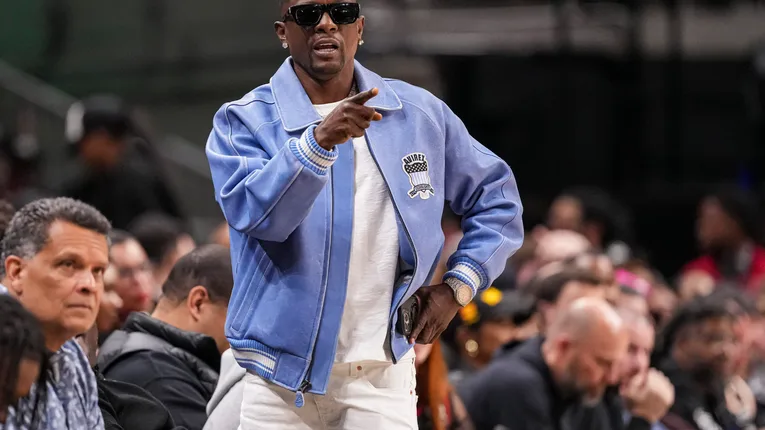
Boosie Badazz is responding after Kewon White, the man recently convicted of killing Mo3, spoke about the 2020 shooting involving the Louisiana rapper and said he had multiple chances to kill him. Speaking from jail during an interview with Cam Capone News, White talked about his problems with Boosie’s behavior on a trip to Dallas after Mo3’s death. White told the rapper he shot at Boosie about 10 times but wasn’t trying to kill him. He claimed he had three opportunities to kill the rapper.
Boosie was shot in the leg in Dallas on November 14, 2020, days after Mo3 was killed and one day after Boosie attended a vigil for his late collaborator. Boosie has taken note of the new comments in part because White is currently appealing his murder conviction. Boosie also questioned why White would go public with information about the shooting while appealing his case.
In a reply on social media, Boosie wondered why White would do that, believing the jailhouse interviews might cause more problems for the convicted killer. He also objected to the decision to explore the particulars of Mo3’s death while trying to appeal the conviction. White was convicted this month of capital murder for shooting Mo3, whose real name was Melvin Noble, on a Dallas highway in 2020. White has filed a notice of appeal since.
Read More: DJ Vlad Challenges Boosie Badazz Over Federal Gun Case
So the timing of White’s comments has become a central part of Boosie’s reaction. Boosie didn’t address White’s allegations regarding the 2020 shooting but did ask why someone challenging a murder conviction would even talk about case details in public interviews.
The case has also included allegations against Yella Beezy. During White’s trial, prosecutors said Beezy paid White to kill Mo3. White has denied receiving any payment from Beezy, and Beezy has denied any involvement in the alleged murder plot.
White’s conviction and subsequent appeal have kept the case in the public conversation, and his recent jail interview added another chapter. His remarks on Boosie also address a violent period following Mo3’s death, during which Boosie traveled to Dallas and was shot. For Boosie, the problem is bigger than what happened in 2020. White’s choice to discuss the shooting while seeking an appeal has caused him to publicly question the strategy behind the interviews and the timing of the disclosures.
Celebrity
DJ Vlad Challenges Boosie Badazz Over Federal Gun Case
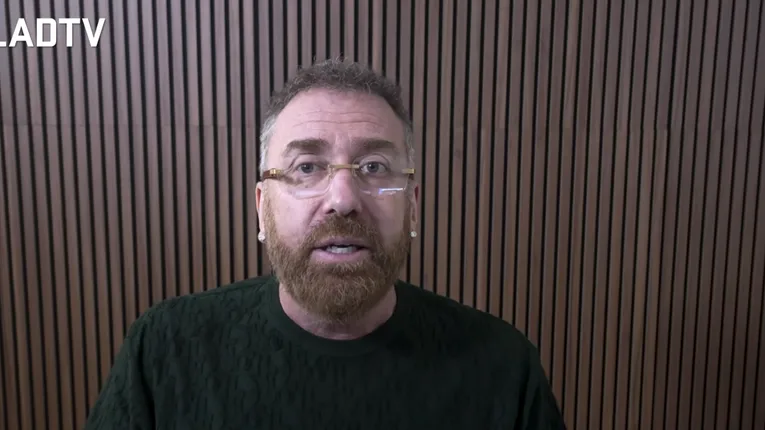
DJ Vlad is taking his beef with Boosie Badazz to the next level, asking whether the rapper’s behavior in his federal gun case matches the anti snitching code he’s long imposed on others in hip hop.
In a new clip for VladTV, Vlad looked back at Boosie’s federal gun case and pointed to court documents he says show the rapper from Baton Rouge shifting blame onto his security guard. Vlad said the paperwork runs counter to Boosie’s long track record of publicly denouncing rappers he believes are snitching to authorities.
The latest row is another sign of an already frayed relationship. Boosie has been one of VladTV’s most frequent interview guests. Still, their relationship has soured over the years over issues involving interview payments, business dealings, and, most recently, Boosie’s push for a presidential pardon.
The pardon controversy has become a major part of the ongoing public beef between the rappers. Boosie reportedly paid $600,000 to two lobbyists, Jack Burkman and Jacob Wohl, to lobby President Donald Trump for a pardon in his federal gun case. When the pardon didn’t come through, Boosie accused them of misleading him and demanded $300,000 back. Burkman and Wohl have denied scamming Boosie, saying they were hired to advocate for him, not to promise a pardon.
Read More: Aubrey O’Day Reacts After Former Diddy Staffers Reportedly Join Usher’s Team
Boosie went on 60 Minutes to discuss the issue, which brought more attention to the situation. He later complained about how the interview was portrayed and released purported messages involving the lobbyists while defending himself against claims his actions were snitching.
Vlad is now using the controversy to call Boosie out on a principle that has been a major talking point in the rapper’s public commentary. Vlad mentioned Boosie’s situation as part of other past hip-hop discussions he’s had with Gunna, Young Thug, T.I., and Gucci Mane.
“The court documents for Boosie’s federal gun case are another point of contention for Vlad. His case hinges on whether the rapper’s alleged remarks about his security guard should be measured by the same yardstick Boosie has used to measure other artists. The charge is particularly noteworthy as Boosie has cultivated a strong public persona against what he considers snitching. With that history, the latest exchange with Vlad is more personal, adding to a complicated fallout between the two.

-
 Artist Spotlight2 days ago
C’batch turns an old guitar performance into a new story with “Our Little Pooh Pea (The Last Light) 4 – Cinematic”
-

 Artist Spotlight5 days ago
“NO MORE” by Amanda Holley connects healing, awakening, and survival
-

 Artist Spotlight3 days ago
Sara Diana follows a wild spirit into the moonlight on latest release “Her Hair’s Like Fire”
-
 Artist Spotlight5 days ago
“Subterranean Homesick Blues” finds a new direction through Ghost of Panama
-

 Artist Spotlight5 days ago
Lisa Jo draws a line under the past with latest release “Done Druggin’ Away the Pain”
-

 Artist Spotlight3 days ago
Tabi Harlowe captures the ache behind attraction with latest release “So Pretty (It Hurts)”
-

 Artist Spotlight3 days ago
Dusty Edinger crackle tension into rock electricity with latest release “We Outshine”
-
 Artist Spotlight5 days ago
Crooner Ed captures a sweet romantic moment on “I Love This View”