
News
Herb Alpert’s Jazz Journey to an $850 Million Net Worth

The classic jazz musician Herb Alpert carved his own path to wealth and influence, exploiting a union of will, musical talent, and entrepreneurial acumen with a net worth of $850 million. Famous as the frontman of the group Herb Alpert & the Tijuana Brass and co-founder of A&M Records, Alpert turned his love of the fine arts and the performing arts into an empire, which signaled a net worth of $850 million.
Alpert’s path started not in a boardroom with the silky notes of a trumpet. He was a Los Angeles-born and bred artist who felt music his whole life. His early passion for the trumpet provided the bedrock for a career that spanned decades and defied the traditional molds. While so many in music over the past six decades have come and gone, some with one-hit wonders and fun fads, Alpert has achieved sustained success while always evolving with the times and trends, yet boiling it down to the fact that he is at heart a jazz musician whose sound was big enough to bridge generations.
The creation of Herb Alpert & the Tijuana Brass was the first critical inflection point in Alpert’s career. The group’s sound, a mixture of Mexican mariachi and smooth jazz, resonated with audiences in the 1960s. Albums like Whipped Cream & Other Delights and Going Places were trailblazing. At one time, Alpert had five albums in the Top 20 at the same time on the Billboard charts, a feat that 45 years later is still astonishing.
Check out this article: “Things Found In Books” by Yvonne Lyon & Boo Hewerdine unleashes the eclectic treasure of forgotten fragments of memories
But musical success eventually brought fame and basic riches, and veteran A&R man Herb Alpert’s move to the business side of music powered his real wealth. In 1962, he co-founded A&M Records with Jerry Moss, a label that would reshape the independent music landscape. What distinguished A&M was its artist-first philosophy. Instead of attempting to shape musicians into marketable commodities, A&M fostered artistic independence and signed legendary artists like The Carpenters, Janet Jackson, Cat Stevens, and Sting to its label.
With Alpert as co-head, A&M Records emerged as a music industry powerhouse. Though the label initially snubbed the mainstream hip-hop sound at the time, its focus on quality music and artistic freedom helped it swell quickly, eventually amassing a reputation that drew in major talent. To Herb Alpert, A&M was an extension of his artistic vision. His double life, as both artist and executive, gave him a special advantage, allowing him to see both sides of the glass in the studio.
However, the real financial leap arrived in 1989, when Alpert and Moss sold A&M Records to PolyGram for a reported $500 million. This single deal launched Alpert into a different financial orbit, one that firmly situated him as a musician with outsized commercial success and a businessman in the hardest sense. It is worth mentioning that Herb Alpert didn’t just accidentally grow rich; he developed it deliberately, with an artist’s eye for opportunity and a dogged commitment to quality.
After A&M, Alpert remained active both musically and charitably. He stayed musically engaged, making albums, going on tours, and receiving accolades, including several Grammy Awards and a National Medal of Arts. For all his vast riches, Alpert never cut himself off from the art that made his fortune. His enduring love for jazz and performance helped authenticate his princely mien, making him stand out from other corporate moguls, for whom business seemed the only show in town.
Check out this article: Kanye West Stands Defiant Amid Allegations and Controversial Remarks
Along with music, Alpert invested heavily in both art and education. Through the Herb Alpert Foundation, he has given tens of millions for arts education, helping fund programs that nurture young artists and musicians. No schools had his name on them, but institutions like the Herb Alpert School of Music at UCLA and the California Institute of the Arts are named for him; he believed in supporting future generations.
What is particularly remarkable about Herb Alpert’s financial journey is how he built a legacy without sacrificing his artistic principles. He built a varied portfolio that blended creativity and commerce. Whether it was album sales, touring revenue, ownership of his own label, or investments, every facet of his career was driven by an authentic strategic vision. In the shifting terrain of the music industry, Herb Alpert remains a lodestar for what’s possible when passion meets vision. His $850 million fortune is a testament to decades of innovation, effort, strategy, and innovation in attribute and strategy.









News
Judge delays ruling on Lil Durk bond, release status still unclear
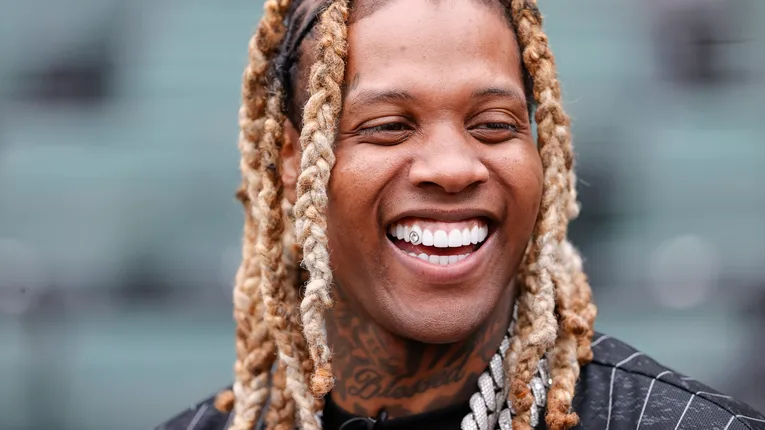
Lil Durk is still awaiting word on whether he will be granted bond after a hearing last week with Judge Michael W. Fitzgerald, who has yet to rule. The delay does not change the rapper’s legal status, as his defense is still pushing for his release ahead of a scheduled VICAR trial in August 2027.
At the bond hearing, Durk’s legal team argued why he should be allowed to return home while awaiting trial. His lawyers cited the time he has already spent in custody, noting he has been behind bars for some two years now. They also said he deserves some form of restitution after being found not guilty of the murder-for-hire plot involving Lul Pab detailed in the information given.
The defense also offered a significant bail package to support the request. The deal called for a proposed payment of $1 million and royalties from music publishing. Character letters from multiple high-profile people, including JAY-Z and J. Cole, also supported the package.
The letters were submitted as part of the defense’s bid to show support for Durk and bolster the case for his release. However, in its own filing, the prosecution downplayed the materials’ importance.
Hours before the bond hearing, prosecutors filed a response raising concerns about alleged contraband inside the jail. They accused Durk of bringing contraband into the facility, giving the court another issue to consider in weighing the defense’s request.
The prosecution also attacked the character letters submitted for Durk, saying they lacked substance. Its filing therefore challenged the allegations of conduct and the weight to be given to the defense’s support.
These competing arguments give the judge several issues to consider. On one hand, Durk’s attorneys cite the proposed financial conditions, character references, and his time in custody. In contrast, prosecutors allege factors that should weigh against his release.
No decision was made immediately after the hearing, and available information does not indicate when Judge Fitzgerald will rule. So Durk is in limbo, waiting for the next court move as both sides wait.
The rapper’s profile and the time he’s already spent in custody mean the case continues to draw attention. His defense wants him out long before his August 2027 trial, but the prosecution’s filing has added another layer to the bond proceedings.
The proposed $1 million payment, book royalties and letters from prominent figures have not yet produced an immediate result. The judge has not yet decided, and it is unclear what will happen to Durk’s custody.
These are the defense’s proposed conditions and the prosecution’s allegations. None of these should be considered a decision until the court decides. The next big thing will be Judge Fitzgerald’s ruling on whether Durk can be released pending trial.
News
Tupac Shakur Murder Case: Keefe D’s Appeal Accepted as Court Deadlines Loom
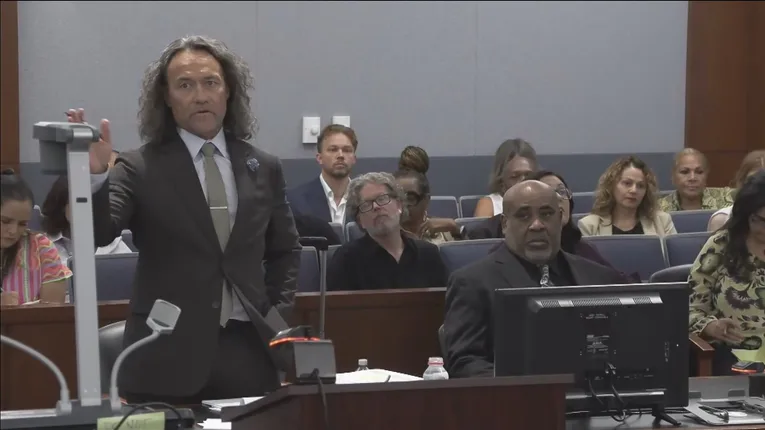
Duane “Keefe D” Davis cleared a key procedural step in his effort to overturn his murder conviction in the slaying of Tupac Shakur. Davis also faces several deadlines to file the necessary documents, and the Nevada Supreme Court has accepted his appeal, adding another legal development to the case.
Davis’ attorney, Michael Sanft, first filed the appeal on October 30. But Sanft died last week, and Davis has no lawyer at this time, according to the information. Despite that development, the court accepted and filed the appeal on November 9.
The acceptance is a step toward appealing the conviction, but it does not mean the conviction has been overturned or that Davis has won his appeal. Instead, the case is progressing to the next stage, where certain procedural requirements must be met.
According to the information, Davis has some deadlines looming. Within two weeks of the appeal being accepted, he must file a transcript request form.
He has three weeks to file a docketing statement. Beyond those initial requirements, Davis has four months to deliver an opening brief, which will be an important part of presenting his arguments in the appeal process.
The deadlines are complicating an already complicated situation, and Davis’Davis’ attorney is no longer available to take him on as a client. The information provided does not identify a replacement attorney or explain how his legal representation will be handled moving forward.
Sanft’s death also comes at a sensitive time in the proceedings. He filed the appeal before he died, so now the court has accepted a legal challenge from an attorney who is no longer able to continue working on the matter.
Davis’ first job is to make sure the proper documents are filed within the court’s deadlines. The next few weeks will be crucial, as missing procedural deadlines could further complicate the appeal.
The case is still closely watched because of its connection to Tupac, whose death has kept public attention alive. Davis’ bid to overturn his conviction adds another chapter to the legal drama surrounding the rapper’s killing.
But the acceptance of the appeal must be understood for what it is: permission for the appellate process to continue, not a ruling on the underlying arguments. The Nevada Supreme Court has not ruled to overturn Davis’s conviction based on the information provided.
Davis now faces a series of important steps: the transcript request is due in two weeks, the docketing statement in three, and the opening brief in four months. How those requirements are dealt with will dictate the next phase of his appeal.

-

 Artist Spotlight4 days ago
Danzzino challenges the cost of love and loyalty on reflective new single “GOLD DIGGA”
-

 Artist Spotlight4 days ago
NTRYKEY Targets Burnout of Chasing Dreams on Gritty New Single “Run It”
-
 Artist Spotlight4 days ago
Diego Urcola celebrates the transformative beauty of love returned on “The Day You Love Me”
-

 Artist Spotlight4 days ago
Siren Plunges Into Destiny, Spiritual Guidance, and the Courage to Follow Your Calling on “Give Me a Sign”
-

 Artist Spotlight3 days ago
With “Marble White,” IRONA finds an unusual connection between architecture and love
-
Artist Spotlight4 days ago
MIVA embodies honesty and emotional consistency in search of real love with “LIGHT ON ME”
-

 Artist Spotlight3 days ago
LIVA NOVA embraces freedom and digital innovation on “Küss mich und verpiss dich”
-

 Artist Spotlight3 days ago
Stefanie Michaela celebrates family, love, and Christmas joy in “Happy Hearts”