
Artist Spotlight
IL CARAVAGGIO Let Emotion Lead on “To Feel Good”

IL CARAVAGGIO‘s “To Feel Good” is different from their other songs because it doesn’t tell a story. Instead, it invites listeners into a space where mood takes over. This song is meant to be felt, not explained. It is an immersive experience driven by rhythm, tone, and emotional weight rather than straightforward storytelling.
The song starts with a hypnotic groove that slowly pulls you in. The production feels smooth and planned, letting each sound exist for its emotional effect instead of its technical difficulty. The song flows naturally, and nothing feels rushed or overworked. This makes the listener want to give in to the song’s mood.
IL CARAVAGGIO doesn’t focus on the lyrics; instead, they use vocals to express feelings. The delivery is smooth and full of feeling, and it blends in perfectly with the instrumental layers. Words turn into textures, and cadence and tone carry meaning just as much as language does. It’s a new way of doing things that gets better with each listen.
The vagueness of “To Feel Good” is what makes it work. The song doesn’t spell everything out, which lets people interpret it in their own way. Every person who listens can bring their own feelings into the soundscape, making the experience very personal. It works well for both quiet, late-night times alone and for dimly lit rooms with other people.
This release shows that IL CARAVAGGIO is a confident artist who trusts feelings more than words. “To Feel Good” doesn’t ask questions or give answers; it just makes you feel something and lets it stay with you. This song is a subtle but powerful reminder that, for people who like atmospheric, mood-driven music, sound can say more than words ever could.


Artist Spotlight
The Night and The Dirty explore personal growth and memory on “Reflections”
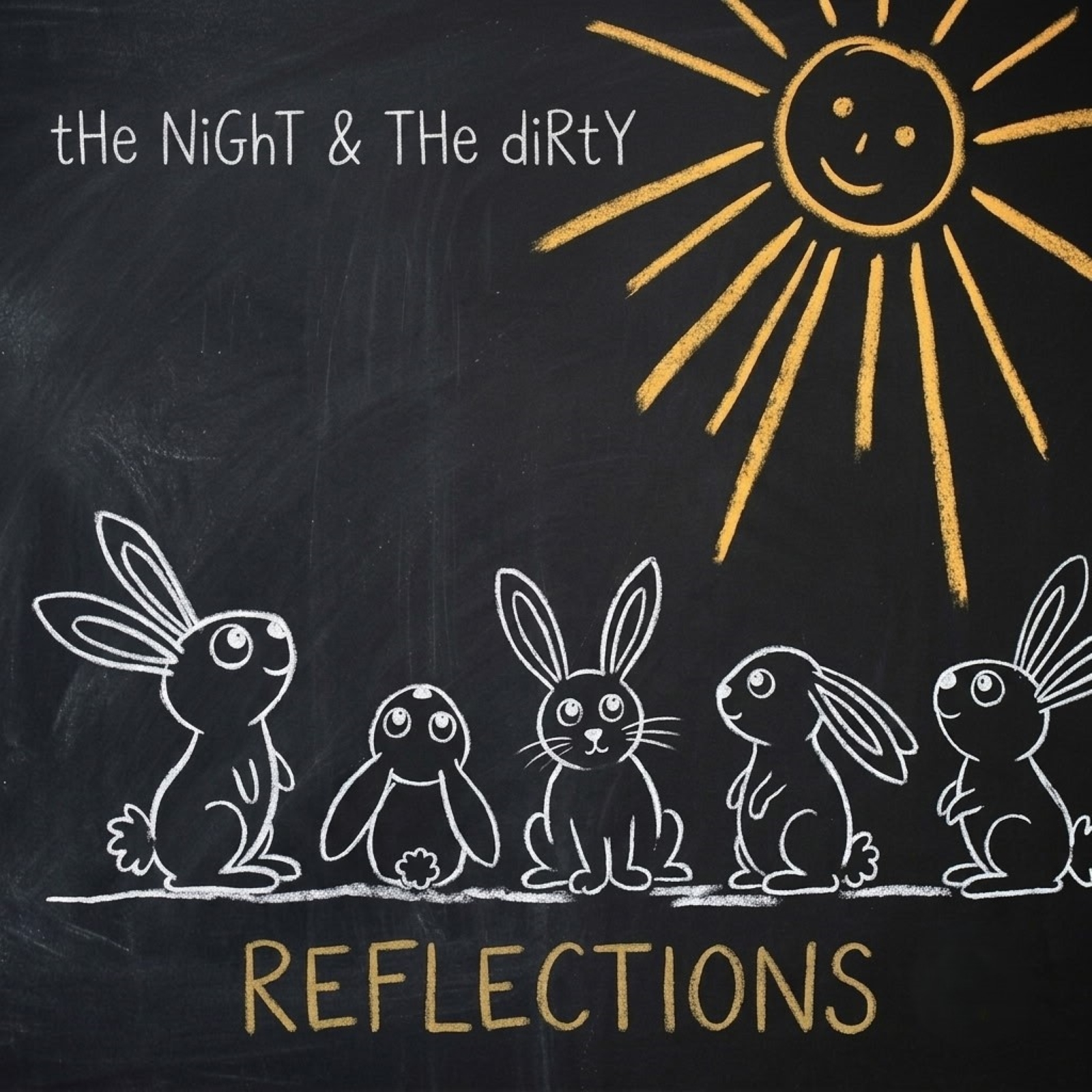
Looking back can bring up old feelings, but it can also show how much someone has changed. The Night and The Dirty operate in this space with “Reflections,” an alt-rock/folk-rock song built around introspection, memory, and the personal growth that comes from coming to terms with the past.
“Reflections” draws its emotional power from the link between pain and self-discovery. The song explores how we can look back and learn who we are today, rather than leaving memories behind. The themes feel personal but not out of touch, and you can relate the song’s ideas to your own life.
The Night and The Dirty fuse alternative-rock atmosphere with folk-rock introspection. That mix works well for a song about emotional depth and personal transformation. “Reflections” is the simple act of looking inward and returning to moments that left an indelible impression.
The single also hints at the band’s broader artistic arc. The Night and The Dirty are independent artists who love music with character, atmosphere, and emotional substance. “Reflections“ takes that approach, exploring memories, inner questions, and the slow work of self-understanding. With “Reflections,” The Night and The Dirty gives you a chance to look back and see how you’ve changed. This release is a thoughtful addition to their atmospheric alt-rock and folk-rock direction.
Album Review
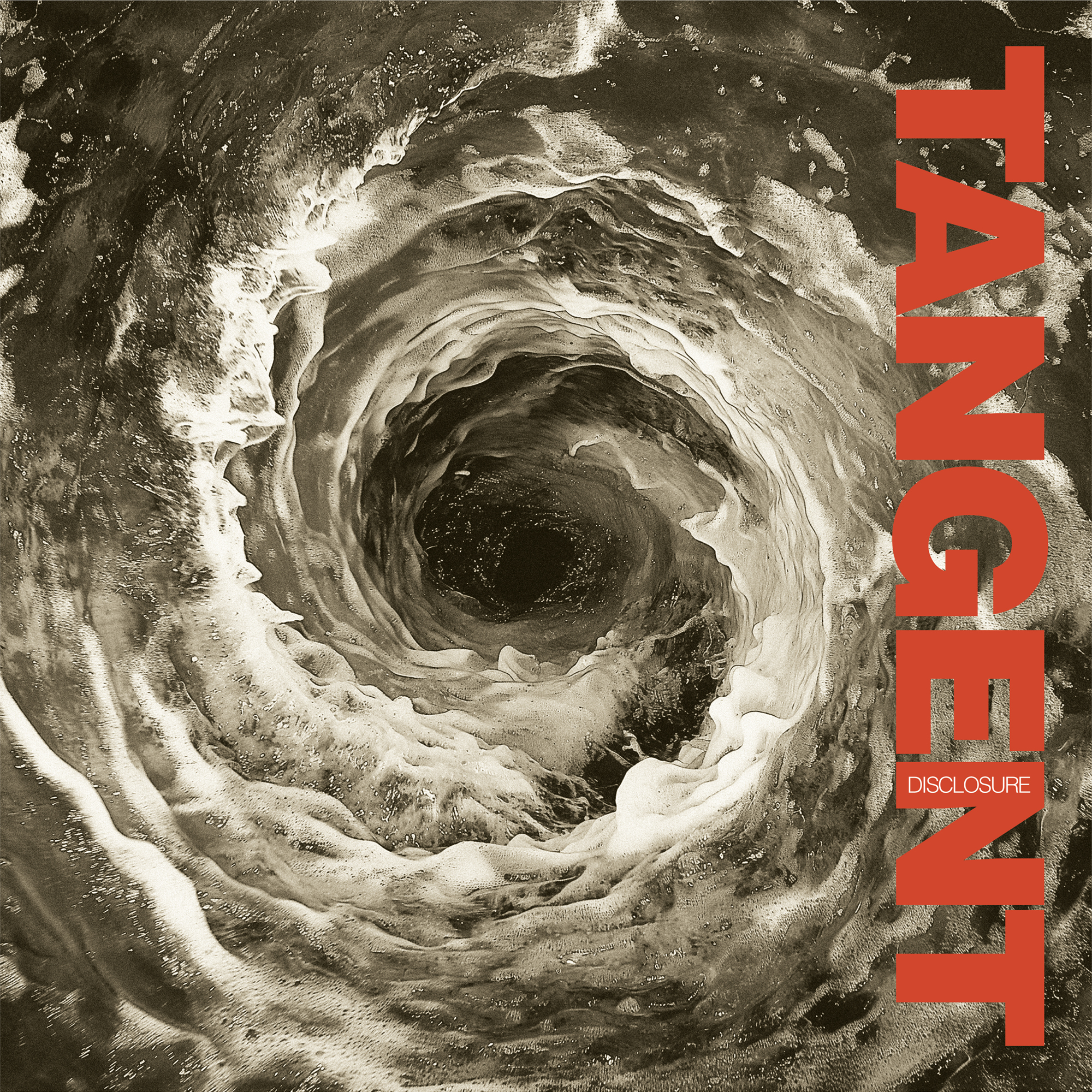
Tangent return with “Disclosure,” a dark electronic journey through truth and uncertainty [album]
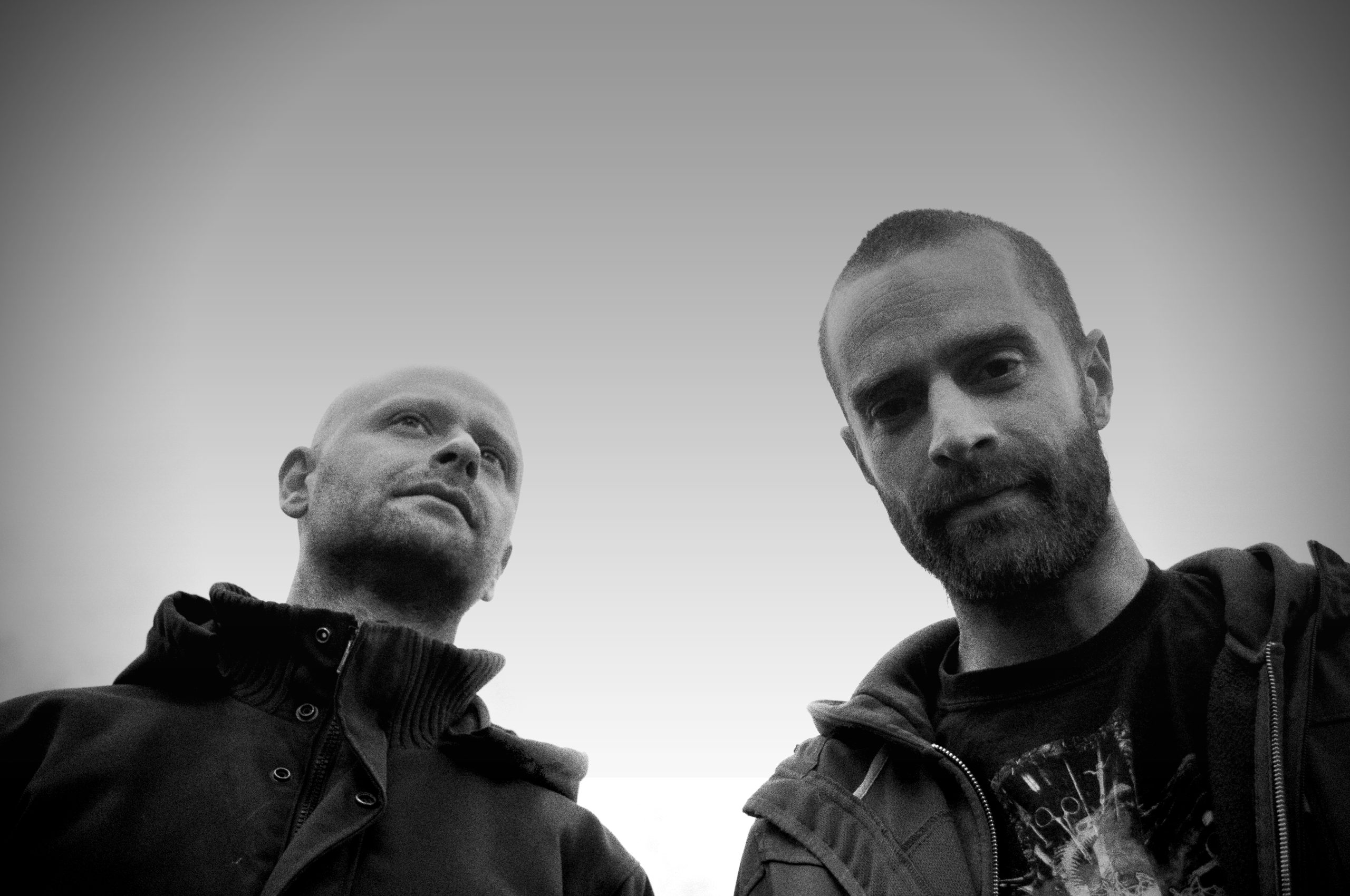
Dutch electronic duo Tangent returns after a 3-year hiatus with “Disclosure,” their 7th album, released today via n5MD. The album draws on ambient, electronic, and IDM sounds, revisiting the shadowy, dystopian atmosphere that has long defined the duo’s musical identity.
“Disclosure” references these themes: things long hidden, inner conflict, doubt, and facing what’s been kept out of sight for a long time, after a hard time and a long hiatus. Tangent creates a world where darkness and hope can live together across seven tracks.
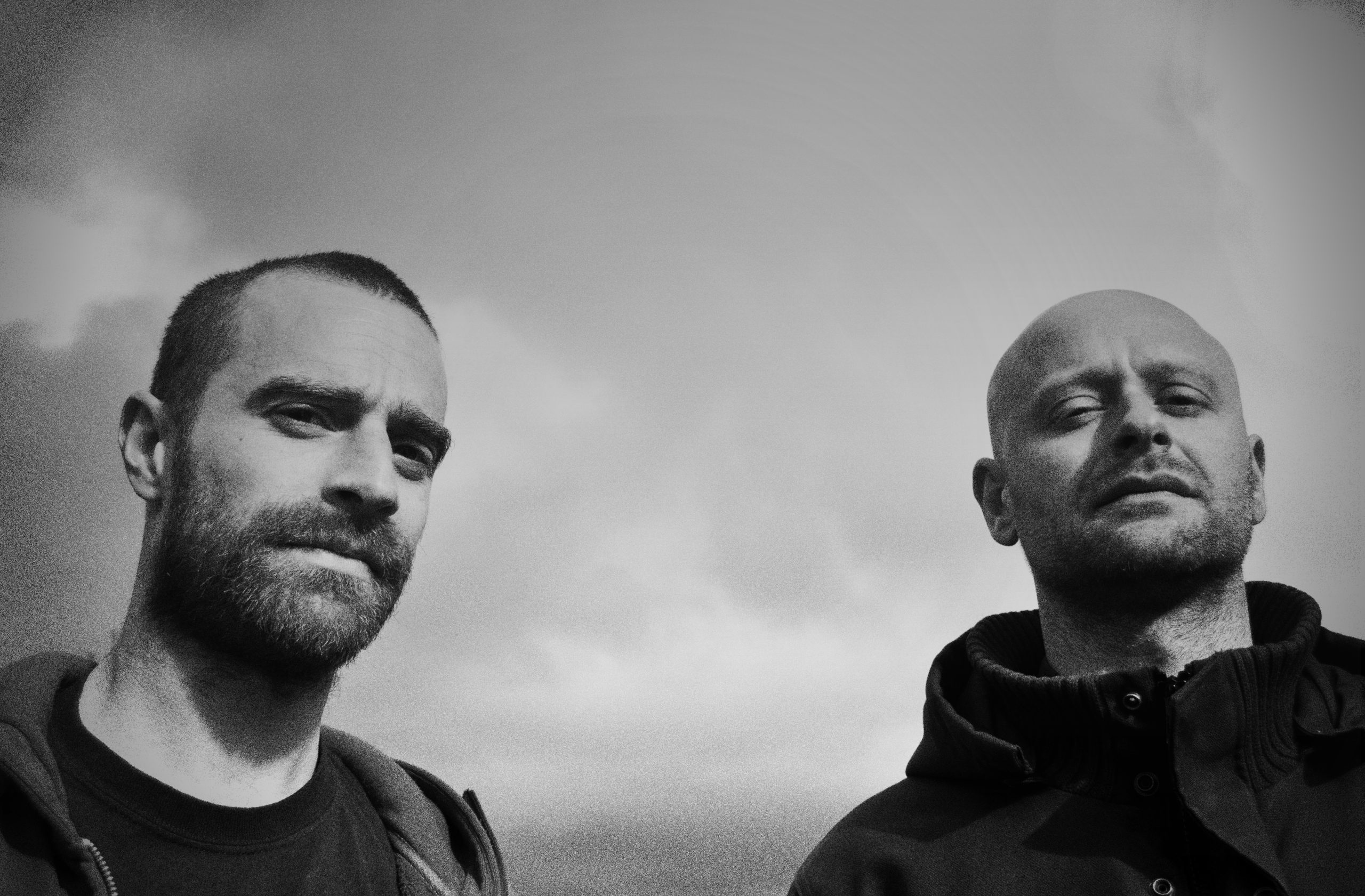
The opening title track, “Disclosure,” sets the tone, tracing the slow arrival of uncomfortable truths. At its heart, the idea moves from creepy tension to a darker, heavier reality, with a growing sense of discomfort. “Absence of Force” explores the resistance of silence and the search for your voice through control and emotional control.
The next track, “Unfound Existence,” is introspective and concerns the search for identity and self-understanding. Its theme of entering uncharted personal or creative territory adds a further dimension to the album’s rumination on change and uncertainty.
“Denial” explores internal conflict in the face of difficult realities. The track explores the gap between what people know and what they are prepared to accept. “Vector of Acceleration” suggests a more primitive existential horror, the sense that things are slipping out of our control. Another way to look at this tension is “Sonoluminescence,” a track about hope, survival, and seeing the light after the dark. It’s an emotional breath of fresh air in the album’s dark world.
“Opposing Forces“ is the album’s closing track, and it leaves you with a feeling of tension and unresolvedness. It captures the eternal struggle between hope, darkness, and change, without a clear answer. Tangent is back in the sound with “Disclosure,” and each song approaches that territory from a different angle, creating a connected journey through hard truths, personal discovery, fear, and the possibility of moving forward. The album invites you to sit with the questions.

-

 Artist Spotlight4 days ago
Myster Rhythm searches for answers and reconciliation on latest release “What’s Goin On?”
-

 Artist Spotlight4 days ago
Amerakin Overdose turns betrayal into a battle cry on latest release “Parasite”
-
 Artist Spotlight4 days ago
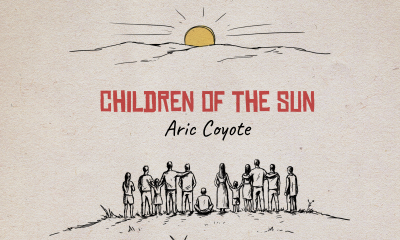
Aric Coyote calls for unity and a brighter tomorrow on latest release “Children of The Sun”
-

 Artist Spotlight3 days ago
Carl Kammeyer turns personal appreciation into universal connection with “Only You”
-

 Artist Spotlight3 days ago
Brian Asha celebrates real-life adventure on “Mighty Man (Jack De Keyzer’s Rock’n’Roll Remix)”
-

 Artist Spotlight2 days ago
Eylsia proves that hope can find its voice even through hardship in “Find Another Way”
-

 Artist Spotlight4 days ago
Eylsia finds love in life’s smallest moments on latest release “I See You”
-

 Album Review1 day ago
From heartbreak to hope, Sacha Mullin maps the human experience on “Social Touch” [album]