
Hip-Hop
Lee Clark Allen channels vulnerability into vintage soul with “I Get Weak”

In a society largely built upon the bravado of invincibility, Lee Clark Allen plunges into emotional transparency with his new single, “I Get Weak.” The Duluth-based singer-songwriter and producer, whose real name is Patrick Lee Clark, brings us a soulful track that pleads with listeners to bang to its every heartbeat. Allen brings a melting pot of musical genres to the table. You can hear the fingerprints of classic soul and gospel in the rich fabric of his vocal phrasing, and an unassuming thread of blues and R&B keeps the production relatively spirited and smooth at once.
But “I Get Weak” is a lesson in emotional candor set to music. At the center is Allen’s voice, one that is dynamic, textured, and intimately expressive. It’s the kind of vocal that is living in the lyrics. As he reveals his weakness, the song is no longer about weakness but about strength in surrender. It’s soul music of the sort that not only begs to be played in the background, but demands to be felt in the chest. The production is both thoughtful and smooth, equal parts classic retro soul and contemporary brilliance with nods to neo-soul as well as alt-rock moods.
You’ll hear traces of jazz skill in the instrumentation, layered in a very modern approach that never detracts from the raw heart of the track. Lee Clark Allen is revealing an identity. “I Get Weak” is a love letter to emotional honesty, delivered over a genre-fluid soundscape that makes it timeless and entirely now. Allen does not simply cannibalize his influences he marinates them into something thoroughly his. For listeners to whom soul is the resonant and slow-burning triumph of Lee Clark Allen’s “I Get Weak.” Never has vulnerability sounded so unbeatable.



Artist Spotlight
iLLLACAT brings sharp bars and catchy production with latest release “Like Dat”

iLLLACAT drops “Like Dat,” a Hip-Hop cut with punchy production, percussion, and synths that give the record movement. Bookie comes on the track and sets the tone immediately with the hard lines, “Get out of my face with the gas, we’re on the chase for the cash, if you’re moving fake I’ll pass, I’ll pack it, and I’ll put it in a bag.” The delivery is right there in the money, the movement, and staying away from anything fake.
The production leaves plenty of space to land those words. Percussion powers the track with synths adding another layer to the beat, a backdrop for the straight-up vocal approach. “Like Dat” maintains tight energy and, instead of overcomplicating its message, lets the verses do the work in terms of personality.
The line, “Steady making money while smoking a pain killer” provides another memorable moment and an insight into the attitude that runs throughout the record. iLLLACAT brings us “Like Dat”, a pure hip-hop joint with Bookie on the track. A catchy production that stays sharp, an assertive voice, memorable lines, and enough rhythmic punch to keep the record moving.
Connect with iLLLACAT on Spotify || Instagram || Facebook || Youtube
Artist Spotlight
ALPHA CENTAURI blends hip-hop, funk and afrobeat ambition on latest release “The Future Right Now”
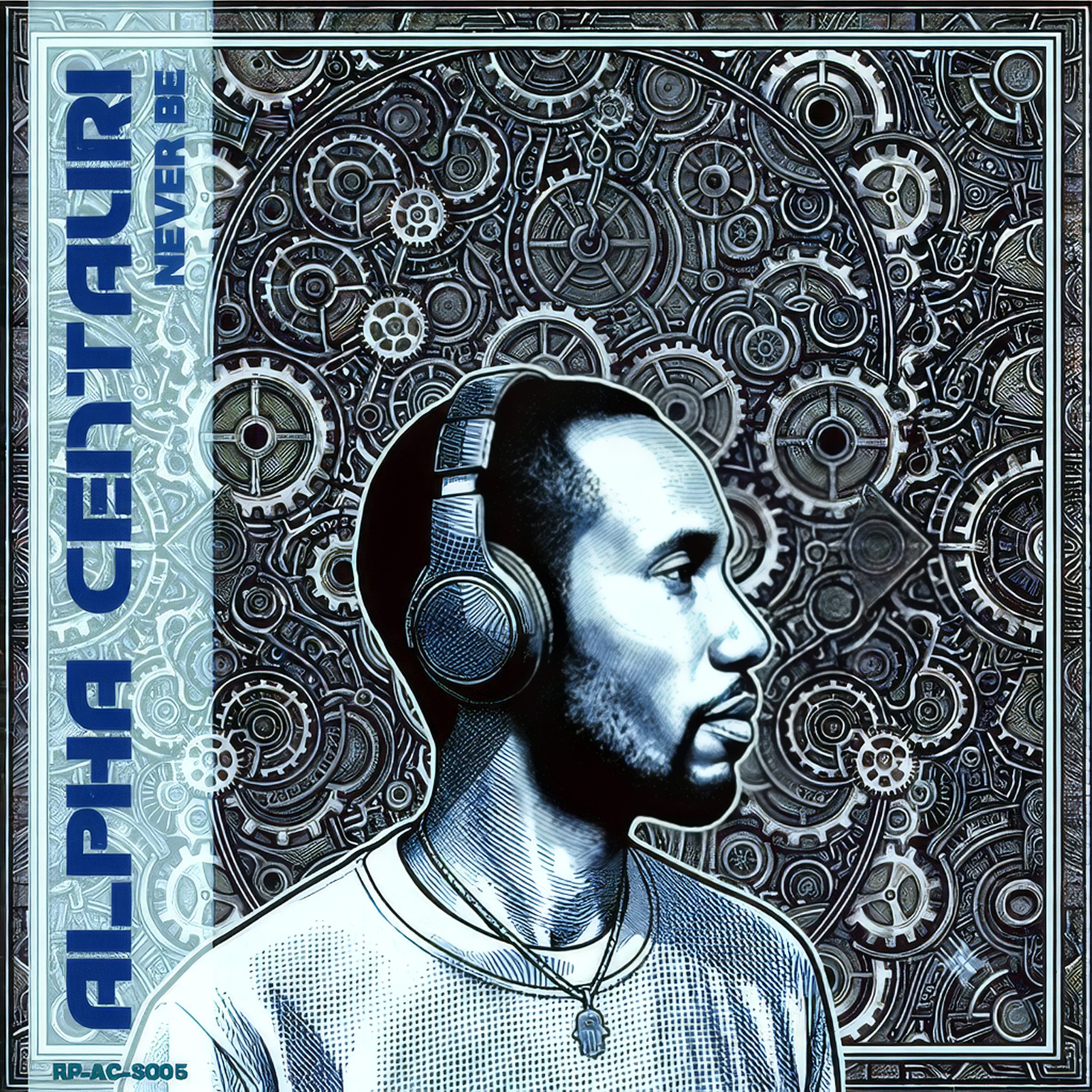
ALPHA CENTAURI introduces his debut album, “The Future Right Now,” with a 10-track project recorded live off the floor with a stacked 8-piece band. The Vancouver, Canada-based hip-hop artist brings together funk, Afrobeat, jazz, and hip-hop across a record produced by Wes Smith and mixed by Justin Hicks. From the opening track, “We Rise,” catchy bass, synths, and drums establish an energetic foundation as Alpha delivers the words, “Okay 1,2,3, here we go, Alpha about to show them who he is,” followed by “Family the air in my wings as i take flight.”
“Get Your Money Up” shifts into cool drums, guitars, and horns, with Alpha’s rap flow remaining catchy as the song focuses on readiness, focus, and turning big dreams into reality. “Grow” follows with horns, catchy drums, and sub-bass, carrying the inviting line, “Baby let me get up in your mind, I think we can grow.” On “I’ll Fly,” light shaker, smooth guitars, toms, and kick create another distinct texture, while Alpha reflects on ambition and resilience with “Headed to the top and they wanna know why” and “what do they want from me, i gave it all, had to pick myself so they’ll never see me fall.”
The album continues through “Evermore,” “Higher Up,” “Never Be,” “Expect Us,” “Rugare,” and “Aria’s Lullaby.” “Higher Up” brings an R&B feel with chilly rap flows, while “Never Be” moves with faster rap delivery. “Rugare” opens with slap bass, muted guitar, and catchy drums, and “Aria’s Lullaby” takes a more personal direction, like a message to a daughter. It opens with “Who we are who we are, Hey there little Aria, got something for your soul,” set against strings holding the melody. Across its ten tracks, “The Future Right Now” presents ALPHA CENTAURI’s blend of live instrumentation, rap, and varied musical textures.
Connect with ALPHA CENTAURI on Spotify || Instagram || Facebook || Youtube

-

 Entertainment7 days ago
The Jonas Brothers Just Played Halftime At The NFL’s First-Ever Game In Australia
-

 Entertainment7 days ago
Harry Styles Is Extending His Tour Into 2027 — And Finally Playing U.S. Stadiums Solo
-

 Entertainment7 days ago
Taylor Swift Is Finally Heading Back To The CMAs After A Decade Away
-

 Artist Spotlight4 days ago
Eylsia creates an electronic energy on latest release “Music in My Mind”
-
 Artist Spotlight4 days ago
Karate Boogaloo proves simple riffs still hit hard on latest release “Down Home”
-

 Artist Spotlight4 days ago
Burd & Keyz celebrates a new chapter through hip-hop on latest release “Miracles”
-

 Artist Spotlight4 days ago
ELISA MINELLI offers courage in your own hands with latest release “Grab Your Guitar”
-

 Artist Spotlight4 days ago
ALEXATOR turns electric guitars and synths into pure energy with latest release “Through the Fire”