
News
Ralo’s Redemption, Atlanta Rapper Buys Block, Builds City’s First Vine City Mosque


News
DJ Akademiks weighs In on Meek Mill’s war with Live Nation
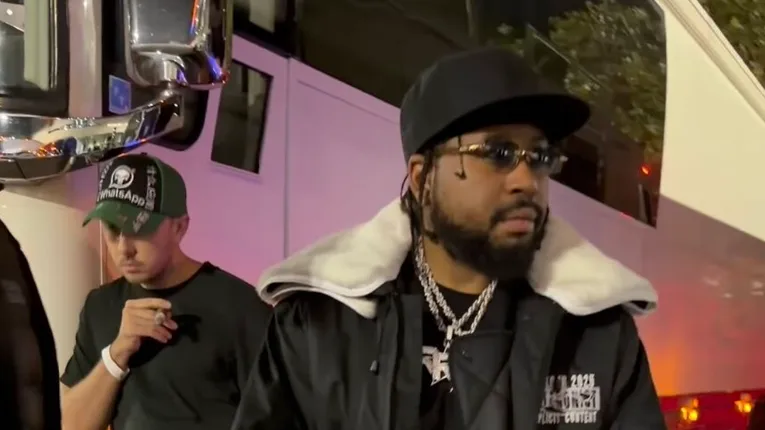
DJ Akademiks weighed in on Meek Mill’s spat with Live Nation, offering his own take on what might be behind the rapper’s complaints about touring and promotion. Akademiks addressed the subject during a livestream, where he alleged that Meek had taken an advance during the COVID period.
Meek has said he feels caught in a deal with Live Nation and that the company is not doing enough to promote his tour dates. He also claimed that the company had prevented him from performing in certain markets. The information provided does not independently verify those claims.
Akademiks hypothesized that Meek could have taken an advance during the pandemic when touring wasn’t possible, like other artists. He said such arrangements were common at the time, but the money would still have to be paid back under the terms of the deal.
That’s Akademiks’ take on how it went down, not a fact-checked record of Meek’s deal. The information does not include the agreement itself or a response from Live Nation to Meek’s accusations or to Akademiks’ interpretation.
Akademiks also offered Meek a potential way forward. He suggested the rapper repay the advance and consider touring smaller venues, which he said could fill more reliably and help avoid the risk of dates being canceled.
This comes as Meek has publicly expressed frustration with the arrangement. On X Wednesday night, the rapper wrote: “I want out of my Live Nation contract.” He added that he felt “trapped and shelved” by it. He also questioned whether the company was promoting his shows, asking fans to post proof of a Meek Mill billboard in Los Angeles.
Meek’s posts suggest the deal is hindering his ability to perform and promote his music. Akademiks, however, described it in terms of the potential financial commitments that come with an advance and the difficulties of booking larger tours.
The two views are still different. Meek has criticized the company’s management of his tour, while Akademiks has offered a theory about the contractual and financial issues at play. The contract terms and Live Nation’s response are not in the documents provided.
Akademiks’ comments are another public take on the dispute, but they don’t settle anything. The deal details haven’t been released, so Meek’s complaints and the streamer’s proposed solution are still just claims and opinion, respectively.
News
Jagged Edge’s Brandon Casey responds to civil sexual assault lawsuit allegations
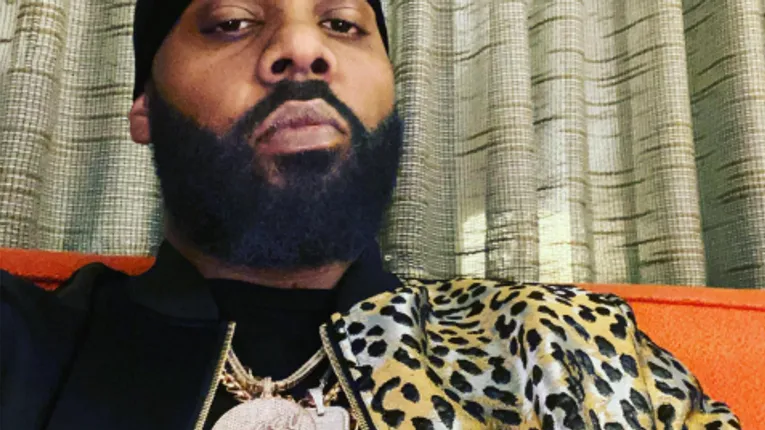
Brandon Casey, the R&B singer in Jagged Edge, is being sued in a civil case by Tylilah S. Lee, who says he sexually assaulted her as a child. Casey’s legal counsel has denied the allegations.
The lawsuit information says Lee claims the incidents happened five times in Philadelphia between the ages of six and 10. She says Casey approached her after she played him a song she’d written. The allegations concern incidents that allegedly occurred about two decades ago.
Lee says she also played Casey a song called “Walked Out of Heaven” in 2003. That same year, Jagged Edge released a song called “Walked Outta Heaven.” But the lawsuit does not include a copyright claim, and the song is referenced as part of Lee’s account of her alleged relationship with Casey.
Lee says the alleged abuse left her with emotional depression and anxiety. The charges remain allegations in a civil suit and have not been established as fact. Casey has vehemently denied the allegations. His attorney, Leron E. Rogers of Fox Rothschild LLP, issued a statement on his behalf denying the battery and sexual assault allegations.
“Our client, Brandon Casey of Jagged Edge, flatly denies the false allegations of battery and sexual assault contained in the civil Complaint,” the statement read. The claims concern events that allegedly date back about 20 years and are “baseless” and unsupported by any corroboration known to the defense, Rogers said. The statement said Casey had also already issued a firm denial in court.
The lawsuit paints Casey, an R&B singer in the group Jagged Edge, as central to the disturbing allegations. The complaint includes Lee’s account of the alleged incidents, the time period in which she says they occurred, and how she first came into contact with Casey. The complaint also mentions the song, but the details make it clear that copyright is not the topic of the legal proceedings. The central allegations are sexual assault and battery.
Casey has denied the allegations, and the case remains a civil lawsuit at this stage. The information does not constitute a court finding or result. Any account of the claims should thus separate Lee’s allegations from Casey’s denial. The case remains active, and additional developments are needed to determine how the claims proceed in court. For now, the allegations stand as part of the civil complaint, which Casey’s reps have publicly denied.

-

 Artist Spotlight6 days ago
ANTHONY JOHN SISSIAN shares kindness and human connection in “I’M ON YOUR SIDE”
-

 Artist Spotlight6 days ago
Hal Miles celebrates a generation that made its own soundtrack on latest release “Born In The 80s”
-

 Artist Spotlight6 days ago
The Meir delivers a powerful reminder to rise above limitations on latest release “Limitless”
-

 Artist Spotlight6 days ago
Dassi Rozenkrantz unleashes restless creative energy through “Mad Rabbit”
-

 Artist Spotlight6 days ago
Victoria Asschenfeldt offers heartfelt family warmth for Christmas with “I Wish You All a Merry Christmas”
-

 Artist Spotlight6 days ago
Alex Zind relishes the feeling of finding your perfect romantic partner in “The Same”
-

 Artist Spotlight6 days ago
Nevz brings the crowd and confident party energy to “All My Ladies”
-
 Artist Spotlight3 days ago
Kevin Shabach makes a statement with determination to inspire through “All In”