
Entertainment
Viola Davis: “I Betrayed Myself, And My People” By Starring In “The Help”
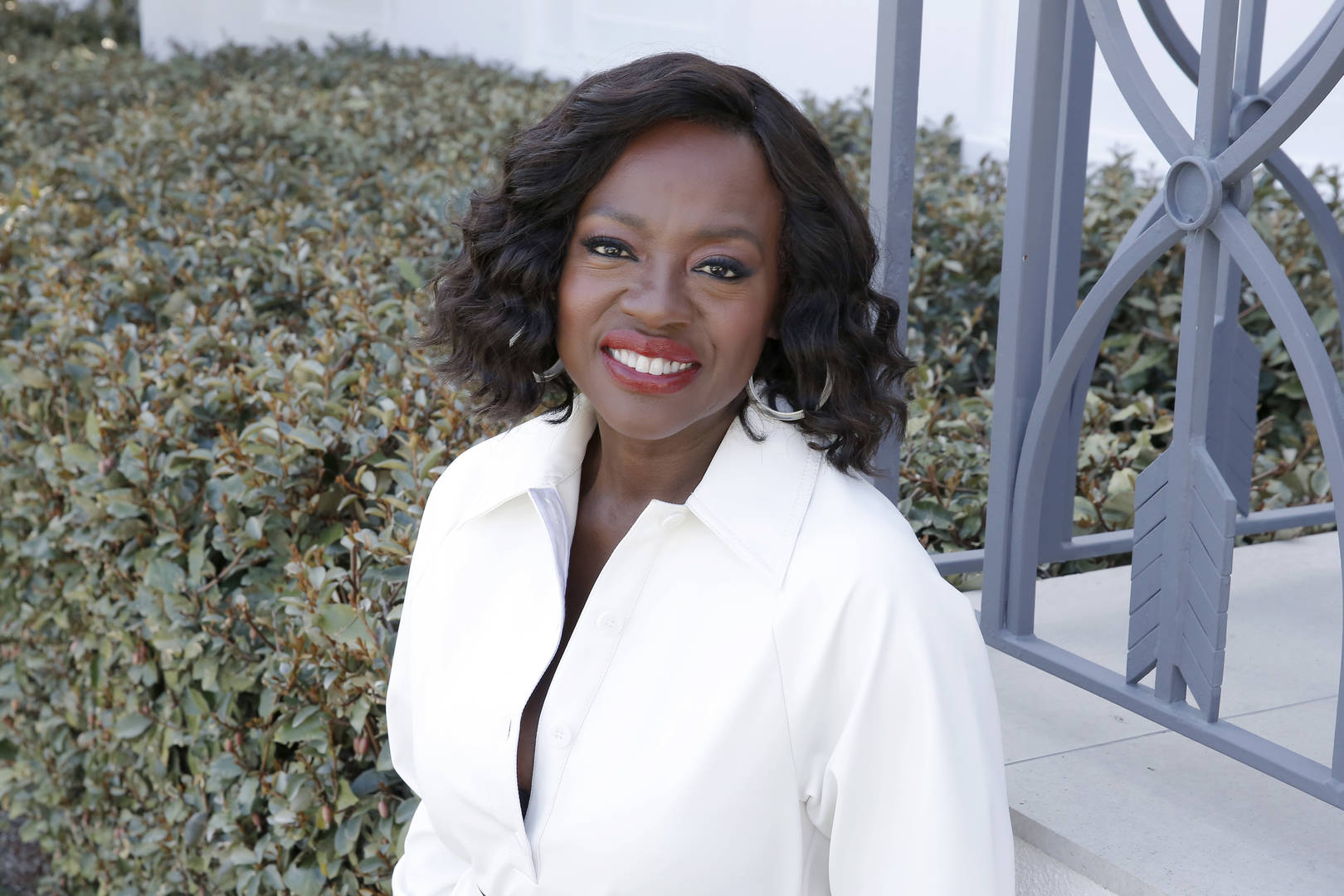
Viola Davis says she feels that she betrayed herself by playing Aibileen in The Help. In a new profile in Vanity Fair, Davis says the film was focused on catering to a white audience.
Rachel Murray / Getty Images
“Not a lot of narratives are also invested in our humanity,” says Davis. “They’re invested in the idea of what it means to be Black, but…it’s catering to the white audience. The white audience at the most can sit and get an academic lesson into how we are. Then they leave the movie theater and they talk about what it meant. They’re not moved by who we were.”
Critics argue The Help embraces the cliche “white savior” trope. The writing technique refers to a white person who provides help to non-white people in a self-serving manner and has been done time and time again in the cinema.
“There’s no one who’s not entertained by The Help. But there’s a part of me that feels like I betrayed myself, and my people, because I was in a movie that wasn’t ready to [tell the whole truth],” Davis says.
She argues The Help was “created in the filter and the cesspool of systemic racism.”
[Via]













Artist Spotlight
Marsha Bartenetti reinvents in her own style “New York Minute”

Marsha Bartenetti’s latest release, “New York Minute,” written by Don Henley, Danny Kortchmar, and Jai Winding, offers emotional depth, turning a timeless look at life’s fragility into a reflective, cinematic journey. Stephan Oberhoff’s arrangement perfectly frames Bartenetti’s voice, and Kevin Bate’s expressive cello adds a warm resonance that makes the track feel like a movie.
The way each instrument sounds makes it feel planned, which lets the listener stay in the fleeting moments the song so beautifully describes. Bartenetti’s singing is the best part of the song. She shows an openness that feels real, as if she has lost something and still fully embraces love and presence with complete honesty. Her choice of words and small changes in tone make the lyrics feel even closer.
“New York Minute,” is a new version that pays tribute to the original while showcasing Bartenetti’s own style. The movie-like instruments and heartfelt vocals make the song feel both personal and universal. It makes us think about how hard it is to let go and hold on.
Artist Spotlight
“Yonkers” – Song by Tyler, the Creator
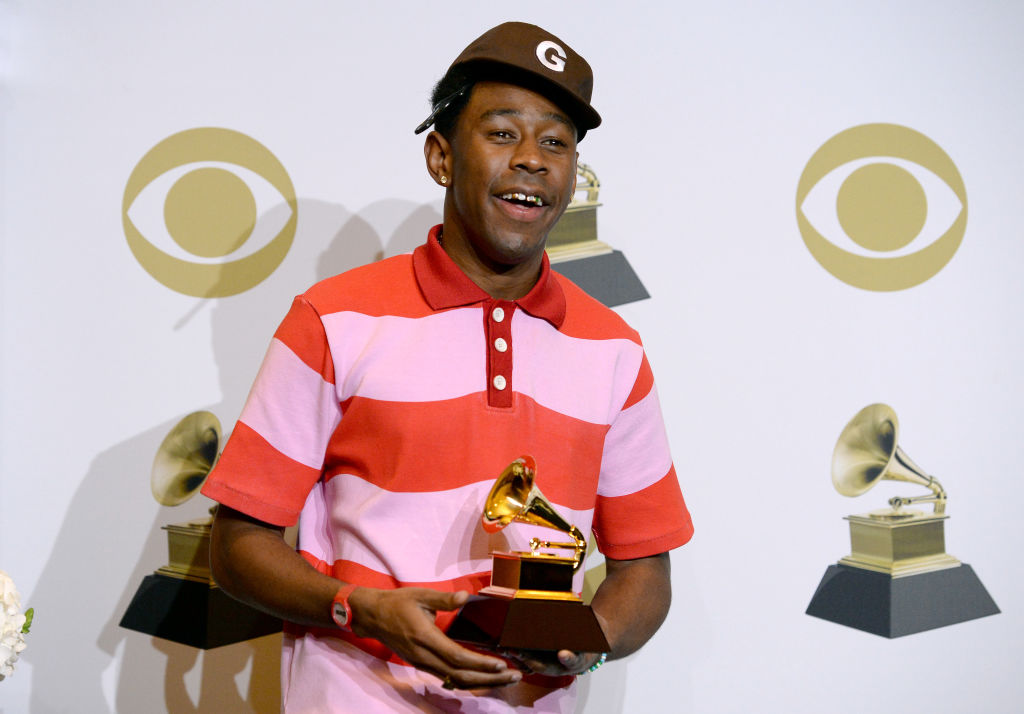
15 years ago, Tyler, the Creator released “Yonkers.” The song would go on to shape a generation of hip-hop fans and make him one of the most talked-about artists in modern music. Tyler’s work on “Yonkers,” which came out of the Los Angeles group Odd Future, was a brave mix of raw lyrics, dark humor, and simple production that made him stand out from other artists right away.
“Yonkers,” which is just over three minutes long, seems simple but has a big effect. The song’s production is based on a spooky bassline, simple piano chords, and simple drums. This puts Tyler’s voice and story front and center. His flow is slow and threatening, and it sends out a stream of verses that balance shock value with deep thoughts on themes like being alone, rebelling, and thinking about oneself. This song has a modern twist on the gritty, confrontational style of hip-hop that was popular in the early 2010s.
The music video for “Yonkers” became a cultural phenomenon all by itself. In the black-and-white video, Tyler looks straight into the camera while doing something that surprised both fans and critics. Tyler became known as an artist who isn’t afraid to push boundaries when the song’s raw lyrics and stark images quickly went viral. The video’s viral success brought Odd Future national attention and helped Tyler get more work, including his albums Goblin (2011) and Wolf (2013), which were both well-received by critics.
People who didn’t like “Yonkers” thought it was a new take on hip-hop. People in the genre often liked flashy production and collaborations, but Tyler’s solo song showed that minimalism can be just as interesting, if not more so, when it has strong lyrics. Young people who wanted realness and change connected with the song’s unapologetic tone, and its influence can still be heard in music today. Many contemporary artists assert that Tyler’s early compositions, particularly “Yonkers,” significantly influenced their lyrical writing and visual storytelling techniques.
“Yonkers” was a big moment in Tyler, the Creator’s career. It was a bold statement from a single artist who wanted to change the rules of hip-hop, and it captured the spirit of early Odd Future, a group that thrived on chaos, creativity, and free expression. More than ten years later, the song is still a touchstone for fans and a turning point in the growth of alternative rap. Its creepy beat, controversial lyrics, and viral music video are still seen as examples of a time when hip-hop was pushing its limits and welcoming a new generation of voices that were willing to question the way things were.
“Yonkers” is a cultural artifact, a snapshot of the time that shaped Tyler, the Creator’s unique artistic style, and a reminder of how powerful bold, unapologetic music can be.

-

 Artist Spotlight3 days ago
Jonathan Zogbi reaches new heights with new release “Sky High”
-

 Album Review4 days ago
Dian Sheng explores identity, life and love with “Sid” album
-
 Artist Spotlight4 days ago
Feel the vibe with Sporty-O’s new EP “The P.L.U.R. Project,” a blend of emotions and sound
-

 Artist Spotlight2 days ago
Shweta Harve sings of love that stands strong like a Tree on “Have You Loved Like a Tree?”
-
 Artist Spotlight2 days ago
Reetoxa captures a fleeting moment in new release “Thrift Shop Dress”
-

 Artist Spotlight5 days ago
Dax turns years of questions into new release “God, Can You Hear Me?”
-
 Artist Spotlight2 days ago
Reetoxa sings about being alone but still creating something meaningfulwith new album “Soliloquy”
-
 Artist Spotlight2 days ago
SweetCandy! reveals the truth behind new release “ISOLATED DISPOSITION”