
Music
Jhene Aiko, Kehlani, Summer Walker, And Teyana Taylor Agree That Most Pop Is Just R&B
Getty Image A new virtual roundtable takes on the state of R&B as a genre and the music industry’s various shortcomings. …

2020 has seen many American institutions coming to grips with a number of long-standing traditions with racist roots and determining ways to move forward. Earlier this year, The Grammy Awards and Republic Records both took steps to remove references to “urban” as a placeholder for typically Black-dominated genres of music in response to comments from Billie Eilish, Tyler The Creator, and others.
Now, a group of stars who’ve been leading the way in the recent resurgence of R&B are also pointing out some of the more racially-motivated discrepancies in how the recording industry classifies music. In this month’s Billboard feature, Jhene Aiko, Kehlani, Summer Walker, and Teyana Taylor participated in a virtual roundtable discussion about the state of R&B, talking about its reemergence as a pop-culture force, and how it differs from genres like rap and pop.
During the discussion, Jhene points out exactly the problem with how R&B is treated within the business. “There are different sounds within R&B that I’m seeing reflected in other genres,” she notes. “We’re seeing more rappers singing, being more melodic, doing more love and sexy songs. You probably wouldn’t have heard that from a straight-up rapper back in the day. And now there are traditionally pop artists doing R&B albums, but it’s called pop… I’m like, ‘This is a very ’90s R&B sound, but it’s considered pop.’”
Taylor wonders, “If an actual R&B singer sang what the pop artist sang, would the R&B singer get the same exposure?” while Walker agrees, “Pop gets all the credit, for sure. We’re cute over here when they want to be in their feelings. But when it’s time to get to the money, it’s all about pop.” Teyana clarifies, “We’re not a bunch of bitter, angry R&B chicks complaining either. We want to be honest without coming off feeling a type of way.” Walker feels the double standard “irritates me a little when it comes to radio. It seems the only songs from me that do super good on the radio are those that are more upbeat.”
The discussion also turns to industry colorism, outlets trying to sexualize them at a young age, and the scrutiny that comes with social media. Read the full feature here.

Artist Spotlight
Alwyn Morrison explores betrayal, judgment, and survival on new EP “Trial”

Life isn’t always a straight line, and Alwyn Morrison explores that in “Trial,” a four-track EP that goes beyond the familiar territory of love and heartbreak. The project blends pop, rock, and singer-songwriter influences, exploring themes of betrayal, false accusations, emotional pain, self-defense, and survival. Each track is inspired by courtrooms and is a step in a personal journey of understanding, acceptance, and ultimately freedom.
The first track, “Puzzle Piece,” is Morrison’s raw, heavy alternative rock sound, fitting the weight of betrayal and false accusations. The song has a sense of tension, putting you in the shoes of someone trying to understand a difficult situation. Followed by “Everybody Bleeds,” which follows that emotional path, creating a song about confusion, openness, and the struggles we all face, and it’s an emotional listen, with hard truths and personal experiences laid bare.
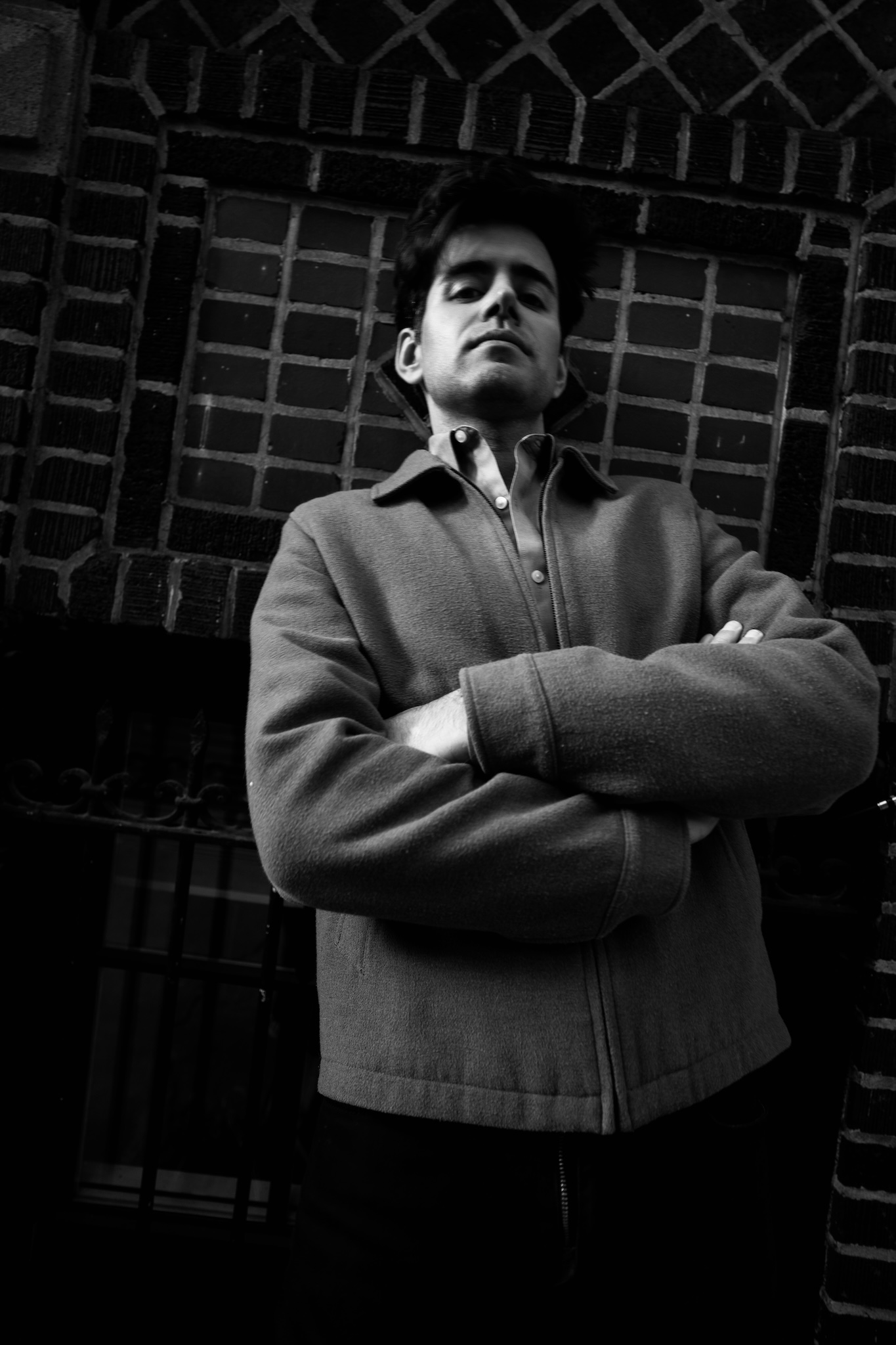
The project’s focus track, “Monster,” goes into more personal territory. It explores what happens when we are judged or condemned for the choices we make, and it carries a message that goes far beyond Morrison’s own experience. The central theme will strike a chord with anyone who has felt misunderstood, unfairly labeled, or defined by others’ opinions.

The EP closes with “Fireflies,” a track that shifts the mood, contrasting childhood innocence and memories with the realities of adult life. The sequence moves the story toward resilience, survival, and earned acceptance. Alwyn Morrison spins a musical tale of hard life experiences put to the test. The courtroom concept gives the four songs real purpose to move on without letting past experience dictate the future.
Artist Spotlight
Fanny Alexandra explores emotional recovery and self-discovery on “Ceasefire”

Not every fight ends a relationship, and there could be long-term emotional damage, with questions about identity, attachment, and the difficult path to moving on. “Ceasefire” is a ghostly alternative rock ballad in which Fanny Alexandra navigates difficult terrain, exploring emotional dependency and the search for selfhood after a toxic relationship.
“Ceasefire” is full of sad melodies and hints of atmospheric rock, making it a dark, cinematic listen. The song’s alt-rock pivot provides an emotionally charged foundation, and it’s about the internal battle, especially when your identity has been so tied to another person.
Fanny Alexandra’s ethereal vocal approach suits the song, lending real emotional weight to the exploration of self-loss and internal tension. “Ceasefire” is a reflective track, with atmospheric instrumentation and deeply personal songwriting that capture feelings that can linger long after a tough chapter closes.
It’s about finding yourself again, and its emotional arc moves from openness and dependence to the hard-earned discovery that personal freedom is more than just walking away. Fanny Alexandra’s love for dark, emotional alternative music inspired “Ceasefire.” Her art is about intimate storytelling, cinematic atmosphere, and making music that explores the quieter struggles people tend to keep inside. In this record, she turns the fallout from a toxic relationship into a meditative reflection on the long road to selfhood.

-

 Album Review3 days ago
Legends of the Seven Golden Vampires explore healing and personal growth on “The Pumphouse of Broken Dreams” [album]
-

 Artist Spotlight3 days ago
Ricky’s Rebel Rabble honor family and remembrance through “Molly”
-
 Artist Spotlight4 days ago
T1M1 featuring Keybeaux confront artificial creativity with latest release “Hip Slop”
-

 Artist Spotlight3 days ago
for KING & COUNTRY celebrate faith and everyday joy on “the most beautiful colours”
-

 Album Review3 days ago
Brynja Rán finds clarity in complicated relationships on “Unblurred” [album]
-

 Artist Spotlight4 days ago
Lil Bales unveils a love bomb on latest release “Rust”
-
 Artist Spotlight1 day ago
Boy Sim explores heartbreak and self-deception on “Cloud Nine”
-

 Artist Spotlight4 days ago
Terry Ennison examines faith, illusion, death, and transformation on latest release “Testimonial”