
Entertainment
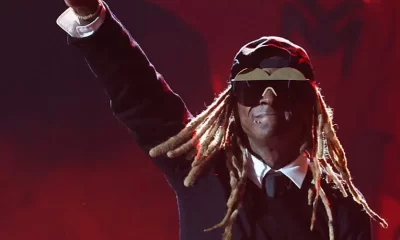
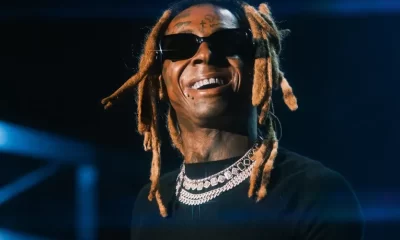
Lil Wayne Defies Aging Norms in Hip Hop, “I Have Everything to Talk About”
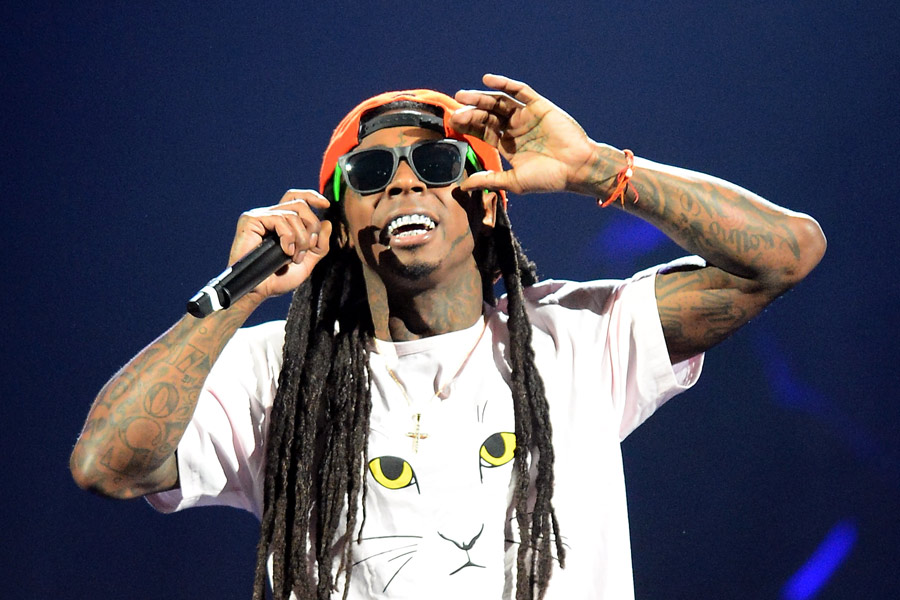
In a recent episode of his Apple Music show, Young Money Radio, Lil Wayne spoke passionately about the buzz surrounding André 3000’s reflections on the challenges of aging in hip hop. Wayne expressed disappointment at what he perceived as a bleak outlook on finding inspiration in one’s 40s.
André 3000 pondered the struggle to unearth compelling content in his recent GQ interview without naming names. However, Lil Wayne took a stand for creativity and individuality. Wayne emphasized, “I have everything to talk about!” and showcased a steadfast commitment to authenticity despite the ever-changing music industry landscape.
Joined by Tyga on the show, Wayne’s guest argued for staying connected to the music scene, asserting its importance. However, Wayne expressed reservations about the potential creative pitfalls of trying to conform to current trends at his age. “I don’t listen,” he asserted, “I just go in my little hole. I love what I do, I just put it out and swing for the fences, man.”
As André 3000 pointed out, “I don’t have anything to talk about in that way. I’m 48 years old.” Lil Wayne, on the other hand, emerged as a symbol of resilience, challenging the notion that age dictates the themes of hip hop. The conversation highlights the evolving dynamics within the genre and the ongoing quest for authenticity.
Ultimately, as André 3000 raises valid concerns about navigating one’s 40s in hip hop, Lil Wayne stands firm, proving that passion and individuality can defy the constraints of age. It’s a testament to the enduring power of hip hop, thriving on authentic, ever-evolving narratives that artists bring to the mic. Share your thoughts with us on this dynamic debate in Honk Magazine.







Celebrity
Blueface Swatted Again as Nevaeh Akira and Their Son Are Caught in the Chaos
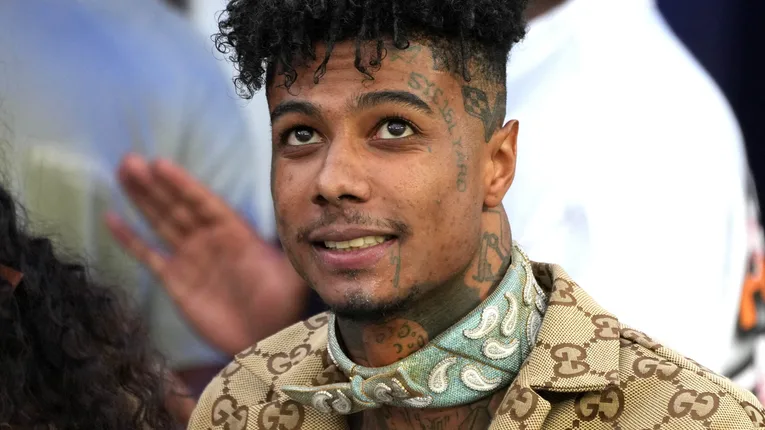
Blueface was the victim of another swatting incident during a recent livestream. This time, it also involved his on-again, off-again girlfriend, Nevaeh Akira, and their son, Johnathan Jr. What started as yet another break in the rapper’s streaming schedule quickly became a bigger conversation about his relationship with Nevaeh and their murky breakup status.
“Swatting” is when someone makes a false police report to get the authorities to raid a streamer’s current stream. Blueface has faced this situation multiple times recently and has discussed it as part of the reality of streaming. However, during this latest incident, Nevaeh and their young son were also present.
Read More: Cardi B Draws the Line After Fan Reaches for Her During Performance in Las Vegas Nightclub
As of now, Blueface and Nevaeh’s relationship status is unknown. Their livestream gave viewers a look at a dynamic that seems to shift between separation, reconciliation, and an effort to hold on to some partnership. Regardless of which way they go, their shared parenthood is a big part of the situation.
The latest incident also reminds us how quickly Blueface’s personal life can bleed into his streaming presence. What could have been a private relationship discussion unfolded next to a police response, bringing both the relationship and the realities of livestreaming to light.
The current situation appears to have been resolved without incident for Blueface and Nevaeh, but their relationship remains unresolved. Their latest livestream suggests they still have unresolved issues, whether they decide to rekindle their relationship or remain friendly partners focused on their son.
Celebrity
Cardi B Draws the Line After Fan Reaches for Her During Performance in Las Vegas Nightclub
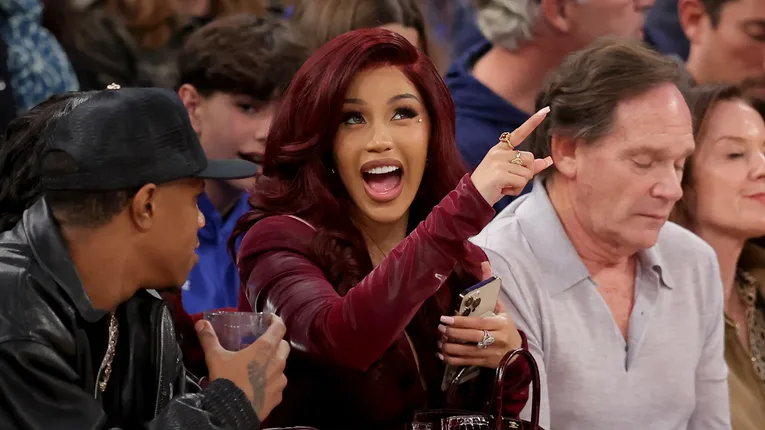
Cardi B made it clear she had boundaries on the dance floor when a fan tried to touch her while she was dancing at a Las Vegas nightclub. The incident happened while the Bronx superstar was performing at a Las Vegas nightclub during her iHeartRadio Music Festival weekend.
Cardi was dancing with her back to the crowd when a fan reached out and tapped her behind. Hollywood Unlocked captured the interaction on camera and posted it to Instagram, where it shows Cardi instantly swatting the fan’s hand away after he tried to tap her.
That brief exchange ignited a flurry of online activity. Some fans criticized the attendee for crossing a personal boundary, while others responded to the unexpected moment with humor. Regardless of the response, the episode showed the unpredictable nature of celebrity encounters in a crowded public space.
Cardi has always been candid and forthcoming with her audience online, but that intimacy doesn’t always carry over to in-person interactions. The nightclub incident was a brief reminder that you can still set boundaries as a performer in a high-energy environment, with fans close to the stage.
Read More: Migos Reunion Album Could Arrive in January 2027 as Quavo Teases Group’s Return
The timing also comes as Cardi B is still riding the buzz surrounding her ongoing beef with BIA. Some fans might even jokingly link the nightclub incident to how Cardi deals with conflicts in the public eye. Still, the two are very different situations, and her interactions in the feud have taken place in a very different context.
The nightclub clip has now become another Cardi B moment that everyone is talking about, combining her signature stage energy with an instant interaction that clearly defined where she draws the line.

-

 Artist Spotlight6 days ago
iLLLACAT brings sharp bars and catchy production with latest release “Like Dat”
-

 Artist Spotlight6 days ago
Joshua Jamison unveils intimacy and a full rock expression on latest release “Windows”
-
 Artist Spotlight6 days ago
ALPHA CENTAURI blends hip-hop, funk and afrobeat ambition on latest release “The Future Right Now”
-

 Artist Spotlight6 days ago
Emilie Thorsby turns self-belief into a bold musical statement with latest release “Amazing as hell”
-

 Artist Spotlight5 days ago
Amanda Fagan unveils lost love and regret on latest release “Forever Yearn”
-

 Artist Spotlight6 days ago
UNDAUNTED unveils broken memories with latest release “Shattered Echoes”
-

 Artist Spotlight22 hours ago
“NO MORE” by Amanda Holley connects healing, awakening, and survival
-
 Artist Spotlight22 hours ago
“Subterranean Homesick Blues” finds a new direction through Ghost of Panama