
Album Review
Artificial Incline unveils its emotionally charged new album premiere, “Used to Be”
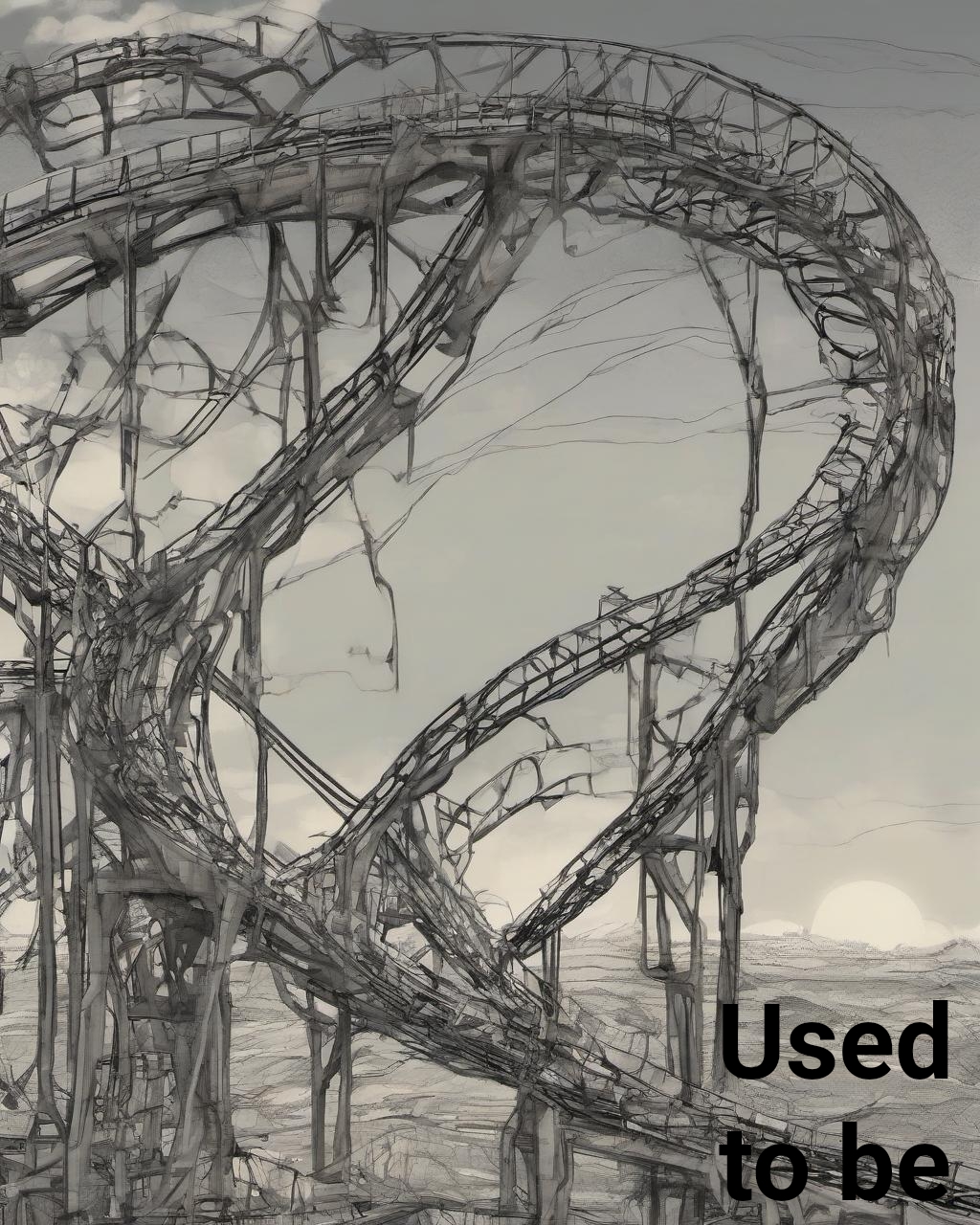
The premiere of Artificial Incline’s latest album, “Used to Be,” enriches the musical landscape of Strathmore, Canada. This four-track masterpiece explores the complexities of romantic relationships, emotional resilience, and self-identity, offering a cathartic listening experience that transcends genre boundaries. The album showcases sophisticated lyrical craftsmanship while adhering to classic pop sensibilities, marking a significant evolution in Artificial Incline’s journey as an artist and songwriter.
Thematically, “Used to Be” draws inspiration from personal experiences of relationship discord, delving into topics such as infidelity, betrayal, emotional volatility, and verbal conflicts, all while seeking healing. Artificial Incline utilizes music to process trauma and achieve transformative catharsis. Reflecting on their artistic growth, they emphasize that “good things take time,” a sentiment echoed throughout the album’s dynamic and evocative tracks.
Opening with “King Without a Crown,” which explores existential loneliness alongside the quest for self-actualization. This classic pop anthem highlights the tension of navigating a life or ambition where recognition remains elusive. It captures the haunting reality of feeling lost while striving for greatness, embodying the paradox of “living the nightmare as a king without a crown.” Through enchanting vocal performances, Artificial Incline vividly conveys both regret and aspiration.
The title track, “Used to Be,” follows and provides a passionate, candid portrayal of yearning for clarity within failing relationships. Its stirring melodies and melancholic undertones reflect on past emotional frameworks, advocating for compassion and understanding during difficult times. This piece encourages listeners to embrace resilience and acknowledge the intricate fragility of love, resonating with those who have experienced the turmoil of fading connections.
“Far Away“ marks a significant shift toward introspection, featuring a soulful arrangement that radiates vulnerability. This track weaves a poetic and sonically rich tapestry, guiding listeners through a landscape of self-awareness and emotional clarity. Its evocative delivery pays heartfelt tribute to the insights gained from breaches of trust, offering solace to those who have found clarity on life’s unpredictable adventure.
Closing the album is “Ink and Color,” an elegantly crafted piece that leaves a lasting impression. This track seamlessly blends haunting rhythms with poignant storytelling about faded memories, combining catchy beats and expressive piano chords. The poetic lyricism and deep emotional resonance of “Ink and Color” reflect on the shadows of superficial love and attraction, ultimately shaping our identities.
Throughout “Used to Be,” each composition demonstrates meticulous melodic brilliance, with Artificial Incline showcasing its artistry through intricate beats, lush arrangements, and unmistakable authenticity. As they continue establishing their presence in the contemporary music scene, this album reinforces their emergence as a formidable musical force. “Used to Be” is valuable to the artist’s evolving discography, appealing to audiophiles and fans of innovative, genre-defying narratives. The emotionally resonant themes woven throughout these tracks engage a diverse global audience, marking this release as an essential listening experience not to be overlooked.
CLICK HERE TO STREAM Artificial Incline’s Album “Used to Be“ on Spotify.
CONNECT WITH Artificial Incline | Instagram |













Album Review
Cognitive Constellation Corps blurs humanity and technology on “Thank You for Your Feedback (I)” album

In a world of notifications and automated responses, algorithms, and feedback requests, Cognitive Constellation Corps finds something unexpectedly human inside the machinery. “Thank You for Your Feedback (I)” is an alt-pop exploration of connection, isolation, communication, and the increasingly complicated relationship between people and technology, transforming familiar procedural language into something else.
Created by Brooke Tamsin Clevenger, a Belfast-based artist, the project’s principal composer, lyricist, producer, and conceptual director, the album is deliberately constructed around what happens to human emotion when our lives are increasingly structured by systems that process information rather than necessarily understand feelings. The album opens with “Opening Loop (i),” which introduces that world through the idea of repetition, linking software loops to the habits we humans learn in modern life.
Followed by “Signal Received (i),” the track becomes more fragile, a mix of bubbling electronic movement and the promise of waiting for a response. It picks up the strange emotional weight that can be behind something as simple as a digital signal. “Thank You For Your Feedback (i)” examines the pressure to be constantly evaluated, and “Echo Chamber (i)” reflects on how digital interaction creates intimacy and amplifies alienation. “The Curve of Clarity (i)” is a road toward understanding where data and human realization begin to converge.
On the production side, the project explores electronic textures without allowing its technological concept to overwhelm its emotional core. “Threadbare, Threadshare (i)” turns the fatigue of constant communication into an interesting concept. “The Response Loop (You’re Still Talking)” injects a sense of urgency with a faster, more club-friendly beat that mixes early-80s electronic music with state-of-the-art sounds.
“Harmonic Distortion (i)” continues the album’s obsession with emotion that has been filtered, and “Always (i) [Sevahem]” is an appropriate closer, reflecting on organic feeling and ancient human knowledge through the prism of digital sound. “Thank you for Your Feedback” is a tech-driven concept that is always aware of the person behind the screen. Cognitive Constellation Corps is cerebral and electronic and conceptually ambitious while remaining emotionally accessible.
Album Review
With “The Rhythm of Mandolay” album, Eye Travel finds beauty in the space between memory, melodies, and moments
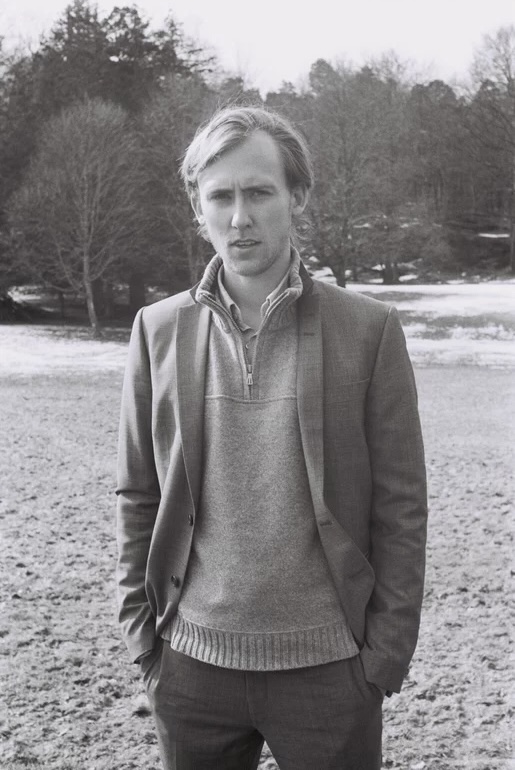
With “The Rhythm of Mandolay,” Gothenburg singer-songwriter Christoffer Andersson, known from his musical project Eye Travel, reveals a deeply personal world. It is an 11-track album forged in time, reflection, and creative discovery and a crossroads between past and present.
The project was recorded with Charles Storm at the Cloudchamber studio on the island of Hisingen, and it turns individual songs into a linked collection where raw emotion, acoustic beauty, and vintage influences coexist. The album kicks off with “Holly,” a dramatic opener built on an Omnichord foundation and expressive vocals that have a theatrical quality. Next up is “Birdsong,” a more delicate affair with breezy melodies that recall the charms of 90’s pop.
For “Verona,” Eye Travel strips everything back and creates an intimate acoustic moment that captures feelings of distance and quiet longing. “Going Under” takes a different direction, using heavy Moog bass and lush string and flute arrangements to create a boisterous, vintage-inspired sound with lots of movement. Meanwhile, “This Planet” takes a bright, catchy pop approach that brings a playful energy, and “Beech Street” is a warm, reflective acoustic folk-pop memory trip.
“Castle” slows the pace to a gentle European folk feel, establishing an intimate, personal atmosphere. “Scientia” is a nicely placed instrumental lullaby that helps the album flow, and “Surface” is a quick but poignant glimpse of a fleeting feeling. “Pauline” is one of the album’s most powerful moments, a grand, emotional performance that captures its drama.
The last song on the album, “Comforting Hell,” leaves a bittersweet taste, exploring the tricky places where sadness and comfort can coexist. “The Rhythm of Mandolay” is an album carefully constructed on the rhythm of contrast. Eye Travel delivers a timeless record that is so very human, drawing on vintage influences, acoustic storytelling, and emotional honesty.
Connect – FB

-

 Artist Spotlight6 days ago
iLLLACAT brings sharp bars and catchy production with latest release “Like Dat”
-
 Artist Spotlight6 days ago
Joshua Jamison unveils intimacy and a full rock expression on latest release “Windows”
-

 Artist Spotlight6 days ago
ALPHA CENTAURI blends hip-hop, funk and afrobeat ambition on latest release “The Future Right Now”
-

 Artist Spotlight6 days ago
Emilie Thorsby turns self-belief into a bold musical statement with latest release “Amazing as hell”
-

 Artist Spotlight5 days ago
Amanda Fagan unveils lost love and regret on latest release “Forever Yearn”
-

 Artist Spotlight6 days ago
UNDAUNTED unveils broken memories with latest release “Shattered Echoes”
-

 Artist Spotlight6 days ago
NITESHØRE embraces the long road to progress with “Marathon Mind”
-

 Artist Spotlight17 hours ago
“NO MORE” by Amanda Holley connects healing, awakening, and survival