
Album Review
The Vlade delivers the sound of life’s reflection with “It Could Be Better” (album)

The Vlade, the musical moniker of Vlad Kolarov, released his sophomore album, “It Could Be Better,” a 14-track exploration celebrating the glorious messiness of life. It’s a 50-minute album that has soul-baring and intimate moments. This proves that The Vlade is capable of writing deep, intimate lyrics that connect with everyone.
From the resilience of “I’m Still Here,” a track that establishes a mood of resolve that’s effective both for stadium speakers and late-night listening. “Falling for You” carves out a melodic space for those who know the thrill and fear of taking emotional risks. Each track explores ideals of freedom, friendship, and personal growth, as well as the relentless grind of everyday life. These, along with other great tunes like “Walk On” and “Hope,” portray a spirit of never giving up, offering an emotional range from soaring guitars to catchy melodies that stay lodged in your head.
The title track, “It Could Be Better,” articulates the human saga of recognizing our faults without succumbing to them and radiating hope. “It Could Be Better” is worth fighting for as a reflection of life. The album’s combination of hard-hitting riffs, melodic ballads, and evocative storytelling makes it hard to ignore. It calls on you to embrace your own journey as well. This album is a reminder for people who have felt trapped, made the moves they needed to make anyway, and who still believe in something better.

Album Review
Orshina turns personal grief into a powerful message of remembrance on “Requiem for “NOVA”” (album)
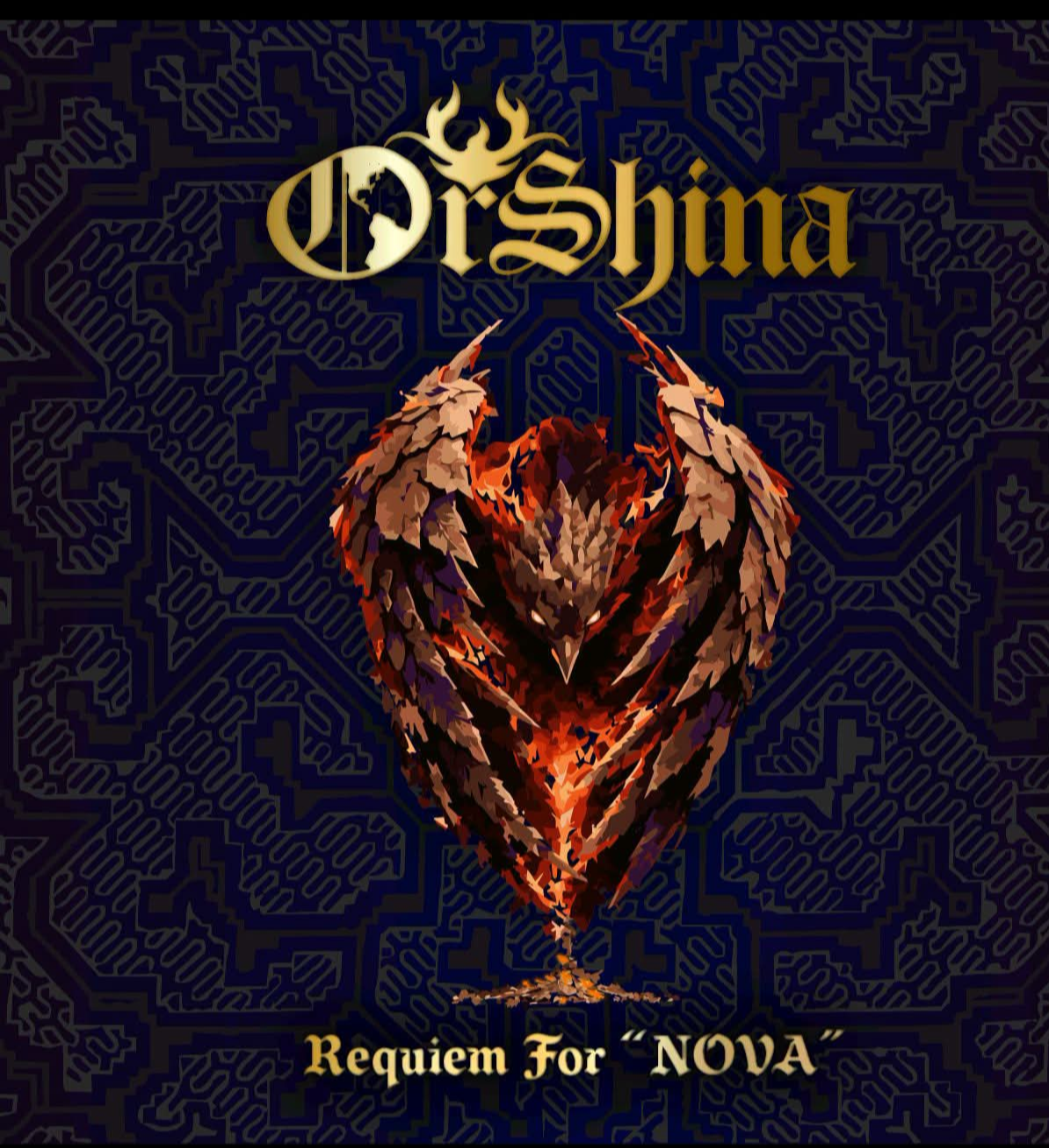
Orshina’s new album, “Requiem for “NOVA”,” is emotionally charged, turning personal pain into a message of remembrance, healing, and hope. The result is a blend of ambient and rock that explores the raw emotions of loss and reflection. The album is a journey through a very difficult creative process, crossing grief, rage, trauma, and collective pain, not forgetting the importance of remembering those who are no more.
The album was recorded mostly at Orshina’s home studio and features violinist Maianne Tur, drummer Roey Brosh, and vocalists Idit Eshel and Shiran Tzfira. Additional drums and mixing were done at Leon Sound Pro. The album opens with “Graveyard Blues,” which lays out the core themes of grief and loss. It serves as a reflective launchpad, drawing you into the project’s emotional weight.
“Bread & Circus” looks outward, exploring the dissonance between private grief and a world obsessed with entertainment. The song asks how easy it is to miss serious pain when the attention is elsewhere. With “Hell In Paradise,” Orshina explores the difficulty of carrying trauma in a world that can feel peaceful on the surface.
“Rest In Music” takes music to a place you can visit when it’s hard to understand or put feelings into words. The song is also about the creative process as a way to sit with complicated feelings and begin working through them. “Dressed up for the Devil” is a darker emotional journey, dealing with grief as well as anger, bitterness, and destructive thoughts.
The album moves from the personal to the historical tragedy with “Holocausts and Slavery,” the collective suffering. In a project of remembrance, Orshina places these subjects within a larger responsibility to recognize painful histories and link them to individual grief. Through “Requiem for “NOVA,”” the artist creates a musical statement about healing and the importance of keeping memories alive through a difficult creative process. “Requiem for “NOVA”” is a tribute to the lost, a reminder that hope can exist alongside sorrow.
Album Review
With “MAHA,” Pridhvi Sunain Zoro confronts capitalism, love, and the fight for equality (album)
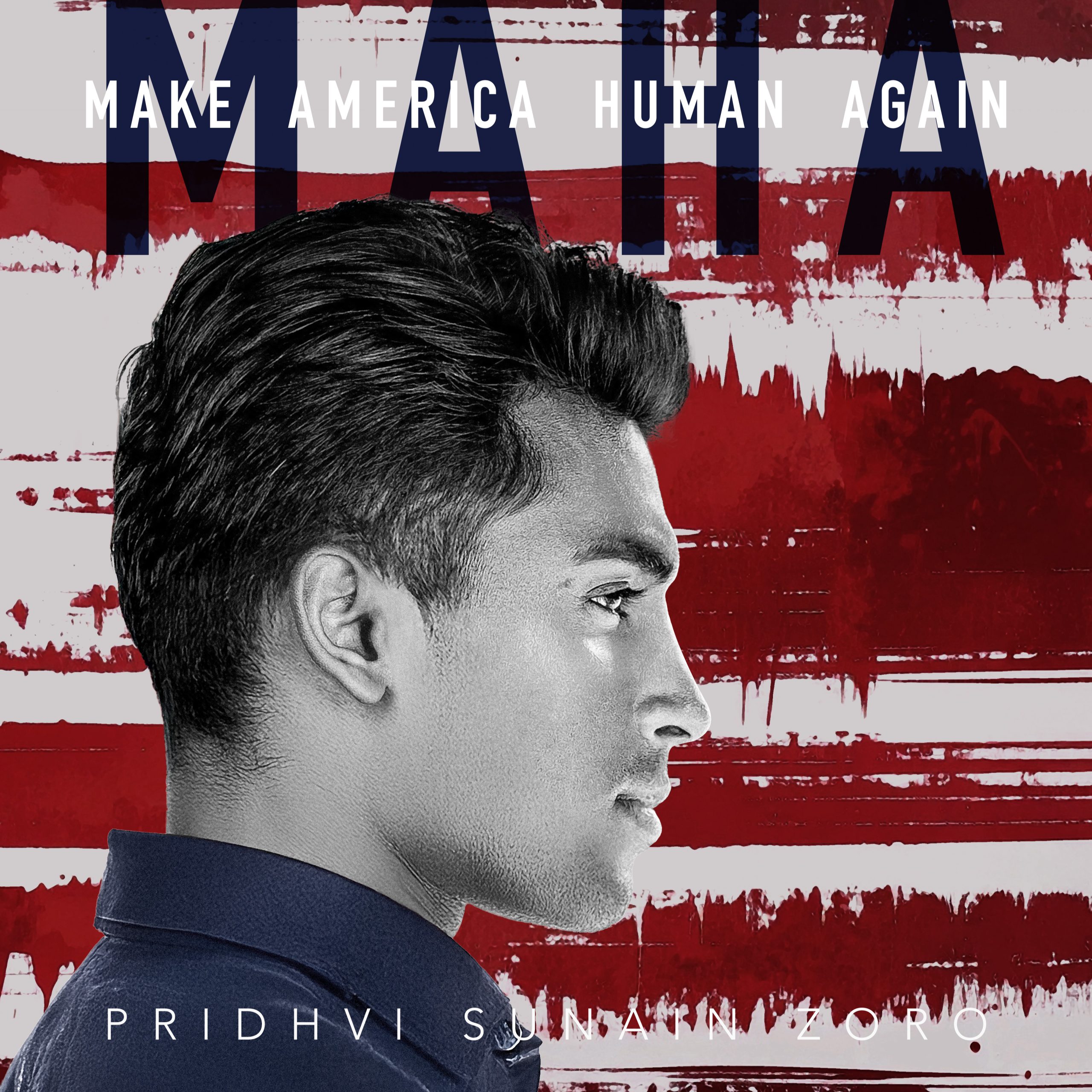
Pridhvi Sunain Zoro’s latest album, “MAHA (Make America Human Again),” is a nine-song concept album that reflects on the strains of modern American life through rock and pop. It serves as a platform for a bigger project than the individual fight, such as economic insecurity, racial division, environmental ruin, and shifting relationships.
The album has three phases, Collapse, Humanity, and Ascent, and follows a larger emotional arc. It asks what happens when people are disconnected from each other and what it takes to re-establish a sense of shared humanity. The first phase, Collapse, sets the album’s critical tone. “Freaking Dance / Fucking Dance” is about modern capitalism and the exhaustion that comes from having to work, compete, and survive in a system that can feel like a trap.
“Falling Through the Fire” explores love and its effects on ordinary duties, aging, and time. Meanwhile, “Give Me a World” shifts the conversation to environmental issues, condemning consumerism and calling for greater harmony with the earth. Across these tracks, the intersection of individual and social struggles creates a vivid picture.
The album features the next phase, Humanity, and it has tracks like “Human Again,” a song that addresses social inequality and the importance of continuing to fight the good fight, while “Love Just Fades Away” explores the role of dating apps, algorithms, and limitless options in modern love and ponders the importance of true connection in an ever more digital age.
Next up is “Children of the Storm,” which tackles the thorny issue of gun violence, the plight of children, and society’s failure to save vulnerable lives, including children in war. This is where much of the album’s emotional weight comes in, narrowing its scope to human ramifications.
The final stage, Ascent, looks forward with “Shades With Ease,” a track that pleads for racial equality and unity and closes the gaps history has created. “Slash the Ghost” explores ghosting and emotional avoidance, suggesting that honest communication is key to valuable relationships. The album’s closing track, “Live Beyond,” turns the album’s themes inward, examining identity, purpose, and the choice to be one’s true self, not what is expected.
“MAHA (Make America Human Again)” follows a clear conceptual arc from social frustration to collective responsibility to personal growth. Zoro’s signature artistic gesture is weaving political, environmental, and emotional concerns into one big conversation. The album is ultimately about humanity and how people must actively protect it through empathy, honesty, and the choices they make every single day.

-
 Artist Spotlight4 days ago
Kamil Koksa captures shimmering romance on latest release “HIGH ON THE HOLIDAYS”
-

 Artist Spotlight4 days ago
Austin Powell unveils a cheeky energy on latest release “Retribution”
-
 Artist Spotlight5 days ago
BIG OZ brings west coast swagger and modern hip-hop energy on latest release “OH MY”
-
 Artist Spotlight4 days ago
Wyn Davies pulls back the curtain on truth and human connection with “The Lifting of the Veil”
-

 Artist Spotlight4 days ago
Naomi Jane unveils a statement of independence on latest release “Passenger Princess”
-
 Artist Spotlight4 days ago
With “We’ll Leave the Light On,” Troy Landon embraces the power of being there for others
-

 Artist Spotlight5 days ago
loveoleglove asks for a way back into a guarded heart with latest release “Open Mine”
-
 Artist Spotlight5 days ago
With “Cyberstalking,” One Empty Toybox turns a serious issue into a purpose-driven release