
Album Review
Block turns heartbreak into light on “Love Crash,” a raw journey through survival
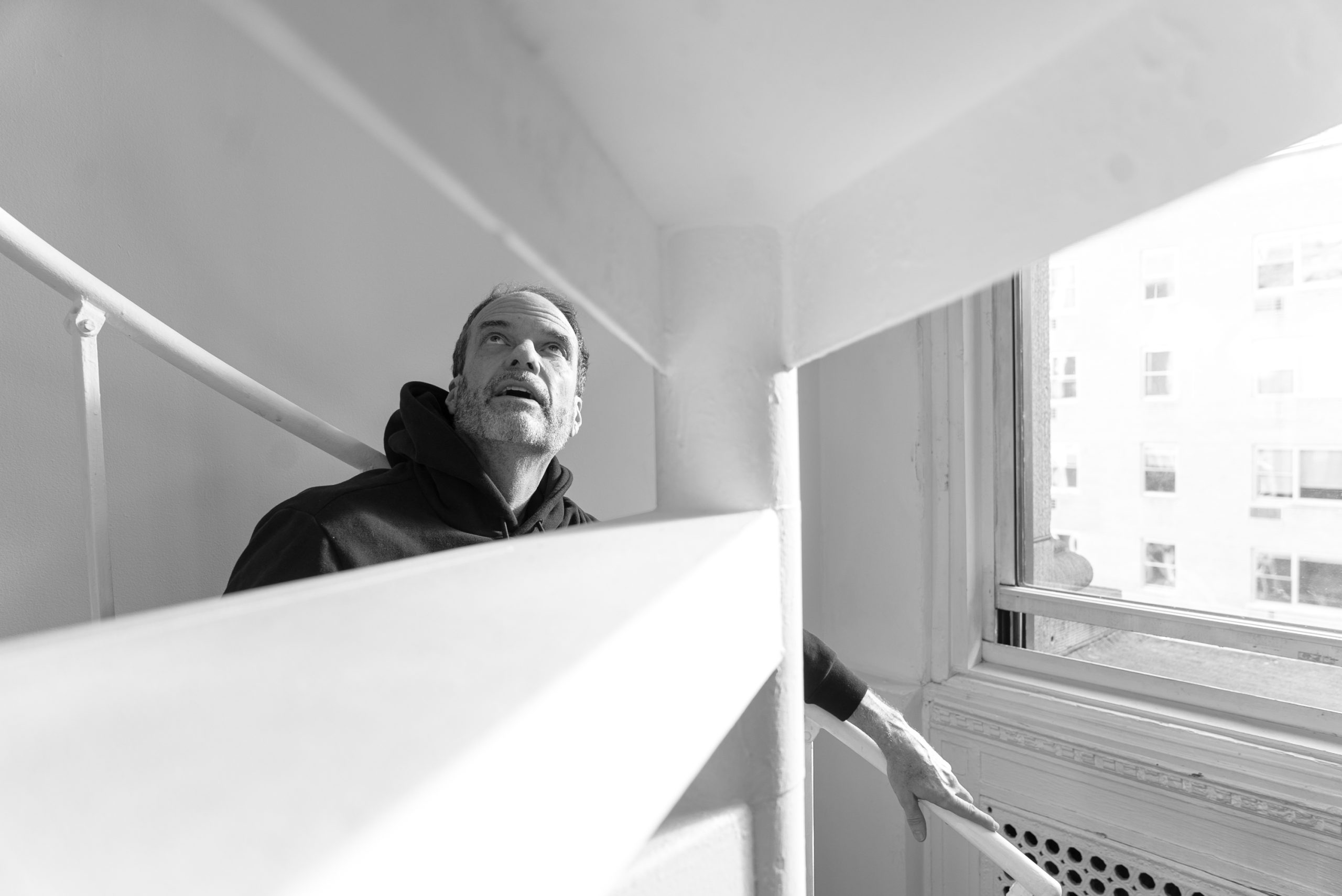
Block’s sixth studio album, “Love Crash,” is a 10-track rock record that takes a human, quietly hopeful approach to heartbreak. Illuminated by openness, humor, and a surprising sense of joy, the album is a 32-minute, 45-second journey through grief, reflection, and emotional recovery.
With the first track, “I Thought I Won The War,” Block sets a tone of emotional ambiguity where wins are dubious, and wars within are still raging. “California Calls” wants to be far away, wants to go away, but memory tugs the other way. “Over And Over” is about cycles of emotion that keep repeating, even when you want to move on. “Firefly” offers a softer light, pointing to fragile hope in emotional weight.
“All In My Head” explores the inner turmoil of the mind, which is louder than the world outside. “Song To Jamie” feels like a letter written from regret and memory. “The Heartbreak Song” is a total embrace of emotional collapse, but it’s structured and honest. “Carly Says” is about the voices outside that inform the decisions inside. “No One Ever Taught Me How” emphasizes the lack of emotional experience and difficulty in dealing with emotions. “Still Life” ends on a quiet note of pause, as if everything has been dealt with but not forgotten.
The album was written from a dark place, and each song was a step to emotional healing. Produced by Chris Kuffner, with final mixing and mastering by ECR President Blake Morgan, “Love Crash” is a patchwork of imperfect moments, sewn together with honesty, of an artist processing pain while still reaching for the light.
Photo Credit: Dave Doobinin

Album Review
With “Island Poetry” album, Mad Painter turns classic rock influences into its own musical world
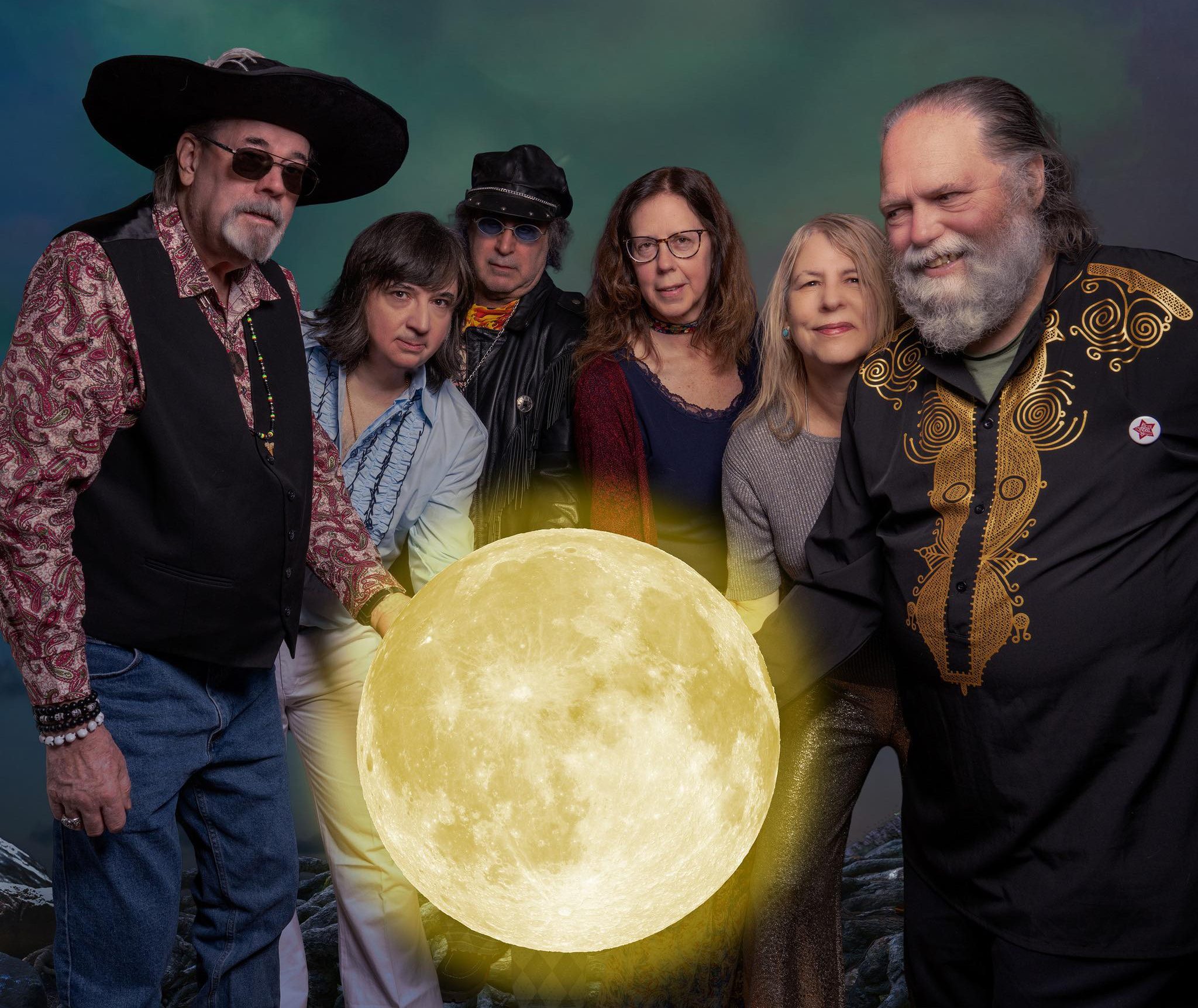
“Island Poetry,” Mad Painter’s new album, is a 12-song rock record that shines with strong musicianship, classic influences, and a clear sense of character. Alex Gitlin created the album, which features Hammond organ, electric guitar, piano, bass, drums, and layered vocals for a full sound that spans different sides of rock.
The album opens with “Debt Collector,” a Deep Purple-inspired track that gives it instant weight and drive, while “Empty Bottles” is pure rock territory, with all the energy that comes with Status Quo. Then “Spin Your Ventilator” gets a bit more rocking with the side power of AC/DC, while “Suit Of Worries” returns to a heavier Deep Purple sound, with a more tense, dramatic feel.
The album never strays from its rock roots, but it keeps changing gears. Rainbow-inspired “You Dreamed I Was In Love” adds a different sort of melodic, dramatic color to the record. Followed by “Nektarized,” a space-disco diversion under the influence of Ganymed, one of the album’s odder turns. Queen’s theatrical sweep continues, and “Shadow of the Words” adds even more drama. Guitars feature heavily in “Two Horsemen,” with dual guitar textures reminiscent of Wishbone Ash.
“I Am The King” shifts mood again and draws on the Moody Blues, showing how Mad Painter soaks up its influences without getting mired in the same style. “Stand Your Ground” chooses the harder road, throwing in the speed and aggression of Motörhead. Something about “Tommy Lost It All” feels different from the rest, as it builds on Mad Painter’s established sound, making it more a statement of the band’s identity than a reference point.
The album closes with Mad Painter’s take on the Uriah Heep classic, “Circle Of Hands.” Gitlin’s songwriting on “Island Poetry” is aided by Al Hendry on drums, Kenne Highland on bass, Al Naha on guitar, and backing vocalists Sharon Crumrine and Julie Gee. Six tracks also feature lyrics from writer and music journalist Dmitry M. Epstein, who brings humor, character, and dramatic imagery. The result is a rock album that honors its influences but gives each song its own space in the journey.
Album Review
Cognitive Constellation Corps blurs humanity and technology on “Thank You for Your Feedback (I)” album

In a world of notifications and automated responses, algorithms, and feedback requests, Cognitive Constellation Corps finds something unexpectedly human inside the machinery. “Thank You for Your Feedback (I)” is an alt-pop exploration of connection, isolation, communication, and the increasingly complicated relationship between people and technology, transforming familiar procedural language into something else.
Created by Brooke Tamsin Clevenger, a Belfast-based artist, the project’s principal composer, lyricist, producer, and conceptual director, the album is deliberately constructed around what happens to human emotion when our lives are increasingly structured by systems that process information rather than necessarily understand feelings. The album opens with “Opening Loop (i),” which introduces that world through the idea of repetition, linking software loops to the habits we humans learn in modern life.
Followed by “Signal Received (i),” the track becomes more fragile, a mix of bubbling electronic movement and the promise of waiting for a response. It picks up the strange emotional weight that can be behind something as simple as a digital signal. “Thank You For Your Feedback (i)” examines the pressure to be constantly evaluated, and “Echo Chamber (i)” reflects on how digital interaction creates intimacy and amplifies alienation. “The Curve of Clarity (i)” is a road toward understanding where data and human realization begin to converge.
On the production side, the project explores electronic textures without allowing its technological concept to overwhelm its emotional core. “Threadbare, Threadshare (i)” turns the fatigue of constant communication into an interesting concept. “The Response Loop (You’re Still Talking)” injects a sense of urgency with a faster, more club-friendly beat that mixes early-80s electronic music with state-of-the-art sounds.
“Harmonic Distortion (i)” continues the album’s obsession with emotion that has been filtered, and “Always (i) [Sevahem]” is an appropriate closer, reflecting on organic feeling and ancient human knowledge through the prism of digital sound. “Thank you for Your Feedback” is a tech-driven concept that is always aware of the person behind the screen. Cognitive Constellation Corps is cerebral and electronic and conceptually ambitious while remaining emotionally accessible.

-

 Artist Spotlight7 days ago
Dan Webb finds joy and movement ahead on new single “Thai Basil”
-

 Artist Spotlight7 days ago
Steven Luke explores love, loss, and the cost of connection on “Seasons (to be human)”
-
 Artist Spotlight4 days ago
Max Ceddo captures one-sided communication on latest release “So You Say”
-

 Artist Spotlight3 days ago
Captain Iron / Windrift Band turns up the heat with latest release “Salsa Caliente”
-

 Artist Spotlight4 days ago
“Keep T Moving” shows Meas & Riddie’s fresh approach to house music
-

 Artist Spotlight4 days ago
Erica Whitney enters the emotional ring with latest release “Logic KO”
-

 Artist Spotlight3 days ago
Captain Iron / Windrift Band turns salsa into a celebration with latest release “Viva La Rosa”
-

 Artist Spotlight4 days ago
Jason Jarrett celebrates love, togetherness, and the moment with “Then We Dance”