
Artist Spotlight
NAY PORTTELA bridges folk traditions and new expression on latest release “Don’t Wake Me”
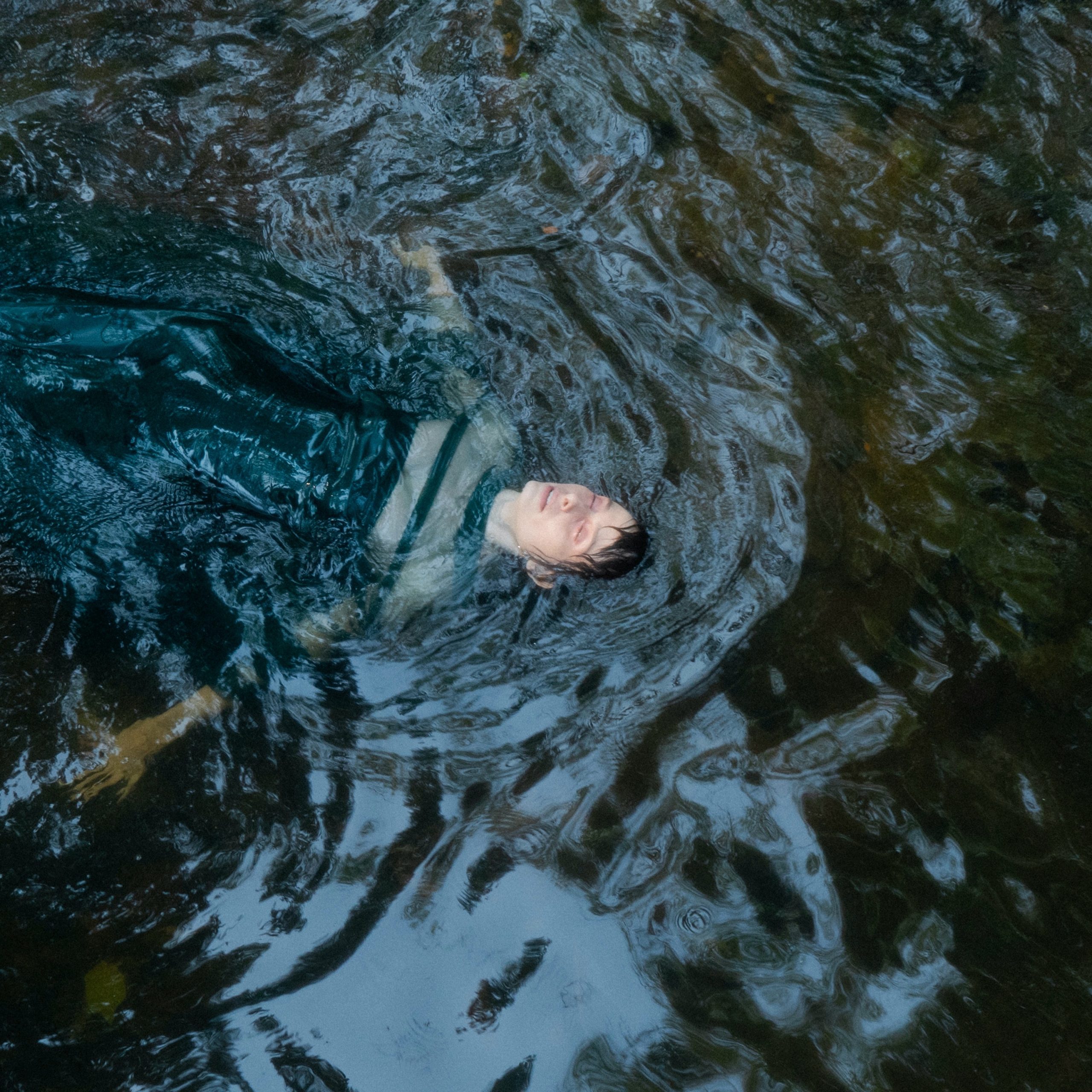
“Don’t Wake Me” is an English-language song that gives NAY PORTTELA‘s music an international flavor while retaining the Brazilian musical identity that underpins her work. On the track, her voice takes center stage, carrying the English lyrics with the distinctive presence that defines her performances. It’s the nexus of linguistic expansion and the musical roots that still influence her sound.
“Don’t Wake Me” musically couples the usual pulse of indie folk with layers of viola caipira, creating a dialogue between different veins of folk music. The combo gives the song a character that straddles Brazilian roots and a broader folk sensibility. The track doesn’t separate those influences but lets them sit together, with Nay’s vocal performance acting as the through line of the arrangement.
The song is visually presented as a lyric video with chords and visually directed by Rodolfo Ruben. It keeps the focus on the music and words while adding another dimension to how the track is presented. “Don’t Wake Me” finally opens up another side of NAY PORTTELA’s artistic language, broadening its linguistic scope while still maintaining its Brazilian identity.
Connect with NAY PORTTELA on Spotify || Instagram || Facebook || Youtube


Artist Spotlight
Bash Co. examines emotional imprisonment and love on “Dungeon”

Love is often seen as freedom, connection, and emotional release, and in the single “Dungeon,” Bash Co. takes a more complex look at reality, exploring what happens when an emotion becomes a prison. The song has been described as a darker take on “Velvet” and is part of an artistic duality between opposing emotional states. “Dungeon” explores being trapped by feelings that should otherwise bring freedom.
The song tells a story of emotional entrapment, fractured communication, and a broken inner state. Bash Co. examines how difficult it can be to shake attachment and emotional intensity. This picture fits with the song’s theme of pain and imprisonment.
The recording process also unexpectedly influenced the final direction. “Dungeon” was written on an acoustic octave guitar, inspired by a series of technical setbacks that helped Bash Co. hone in on the mood he was seeking. Those struggles could’ve thrown him off his game, but instead he used the experience to get closer to the suffocating character that the song’s lyrical concept demanded.
This is especially relevant to the release’s identity. The emotional side is also offered as a philosophical exploration, not as personal history. “Dungeon” would suit “Velvet” much better, and the two pieces explore the dichotomy between emotional freedom and constraint, providing a wider context for Bash Co.’s creative direction. The two releases are divided by a study of how the same emotional terrain can lead to very different experiences.
Album Review
Girlhood find clarity in complicated connections with “This Will Make Sense In The End” (album)
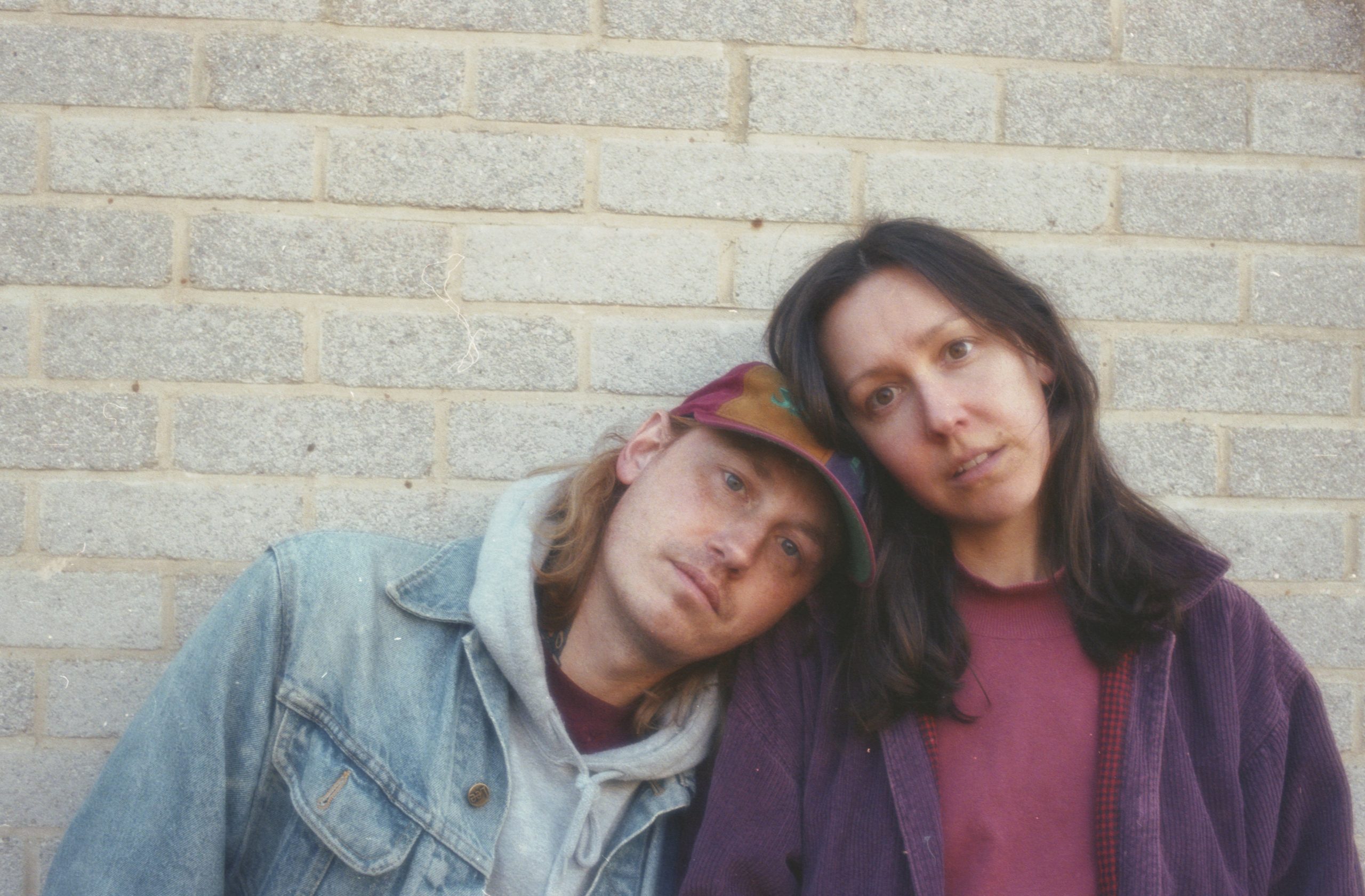
Relationships are an emotional contradiction, and Girlhood’s fourth album, “This Will Make Sense In The End,” navigates the contradictions of love, attraction, disappointment, and personal growth. Singer-songwriter Natalie Holmes has delivered a pop album that explores that line between wanting to connect and knowing when to protect yourself.
The album’s ten tracks provide a thoughtful exploration of relationships with food, often as a metaphor for emotional hunger, control, intimacy, and the desire to feel whole. It’s an album that’s about exploring uncomfortable relationship dynamics while keeping personal discovery in sight. It starts with “It Could Be Worse,” and it’s about the exhaustion and bitterness of an unbalanced relationship. It’s about the slow realization that wanting more isn’t unreasonable.
The lead single “Lemon Aid” is an intriguing balance of external playfulness and internal frustration, and it is all the brighter for the emotional pressure. “Picnic” takes a generally happy setting and uses it to explore the negotiations and power dynamics that can lurk just beneath the surface of a relationship. Attraction is also explored on the album, and the difficult area of physical desire as opposed to a real emotional connection.
“Cracked” is about the intoxicating allure of a toxic situationship and owning your confidence and sensuality. “Island to Island” also explores the confusion that can happen when physical chemistry feels like the start of something deeper. “Straight at the Bar” is about wanting to be accepted for who you are, not for who someone else wants you to be. “Silver Lining” touches on both mental and physical health, while “Born Hungry” pays tribute to life’s opportunities and the need to let go of toxic attachments.
The final song, “Wouldn’t Change a Thing,” is reflective, taking the record into a space of self-love, acceptance, and appreciation for one’s past. “This Will Make Sense In The End” is defined by the tension between desire and control. Girlhood is about finding perfect love and learning not to lose yourself in the search.

-

 Artist Spotlight6 days ago
Stephani Ezatoff honors Elvis Presley’s legacy on powerful new single “Run On”
-

 Artist Spotlight6 days ago
Stephanie Porter unveils the admiration and happiness with latest release “He Thinks That I’m Wonderful”
-

 Artist Spotlight6 days ago
Alwyn Morrison explores betrayal, judgment, and survival on new EP “Trial”
-

 Artist Spotlight6 days ago
Fanny Alexandra explores emotional recovery and self-discovery on “Ceasefire”
-

 Artist Spotlight3 days ago
Séhkou unveils a beautiful connection between faith and intimacy on latest release “Song of Songs 1:3-4 (I Know)”
-
 Artist Spotlight6 days ago
Kay Onishi drops dark synth-trap banger on latest release “30 SECOND RULING”
-
 Artist Spotlight3 days ago
Alias Wayne celebrates the beauty of genuine affection on latest release “Tribute”
-
 Artist Spotlight3 days ago
GMG_Grizz brings melodic rap and undeniable attitude on latest release “Something Slight”