
Artist Spotlight
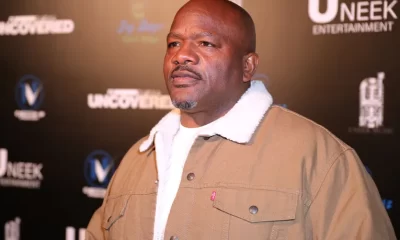
Big U Faces 43-Count Federal Indictment in Explosive Legal Battle
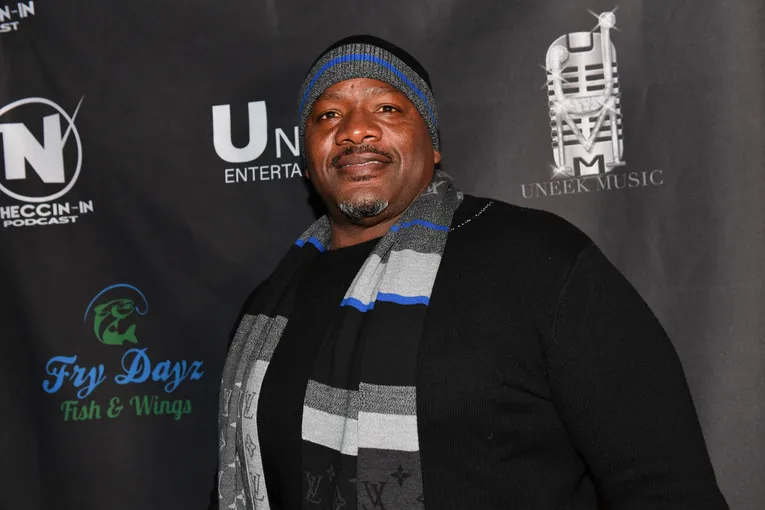
In a surprising turn of events, federal prosecutors have announced serious charges against Eugene Henley Jr., better known as “Big U.” He is a well-known figure linked to the Rollin’ 60s Crips gang and is now facing a total of 43 charges, including crimes like racketeering, wire fraud, embezzlement, and even murder. Big U was taken into federal custody on March 19 and is set to appear in court on April 8 in Los Angeles. The indictment reveals a troubling account of Big U’s alleged criminal activities. Acting U.S. Attorney Joseph McNally stated, “As the indictment alleges, Mr. Henley led a criminal enterprise that engaged in everything from murder to complicated schemes to steal money from taxpayers and a charity.”
This serious set of charges indicates that prosecutors are looking to secure a big conviction that could shake up organized crime in Los Angeles. Big U has been controversial in the hip-hop and street culture scene. Some people see him as a figure who has turned his life around and helps the community, while others have raised concerns about his connections to illegal activities. This indictment appears to back up long-standing suspicions from law enforcement, but it also opens up questions about his influence and the extent of his operations.
If found guilty, he could face a long prison sentence, which would significantly impact both his presence in the streets and his role in the cultural scene. Federal officials have clarified that disrupting criminal organizations is a top priority. McNally added, “Today’s charges against the leaders of this criminal group will make our neighborhoods in Los Angeles safer.” This case strongly conveys that no one is above the law. As news of this indictment spreads through the hip-hop community, discussions are now focused on its implications for society.





Artist Spotlight
“Subterranean Homesick Blues” finds a new direction through Ghost of Panama
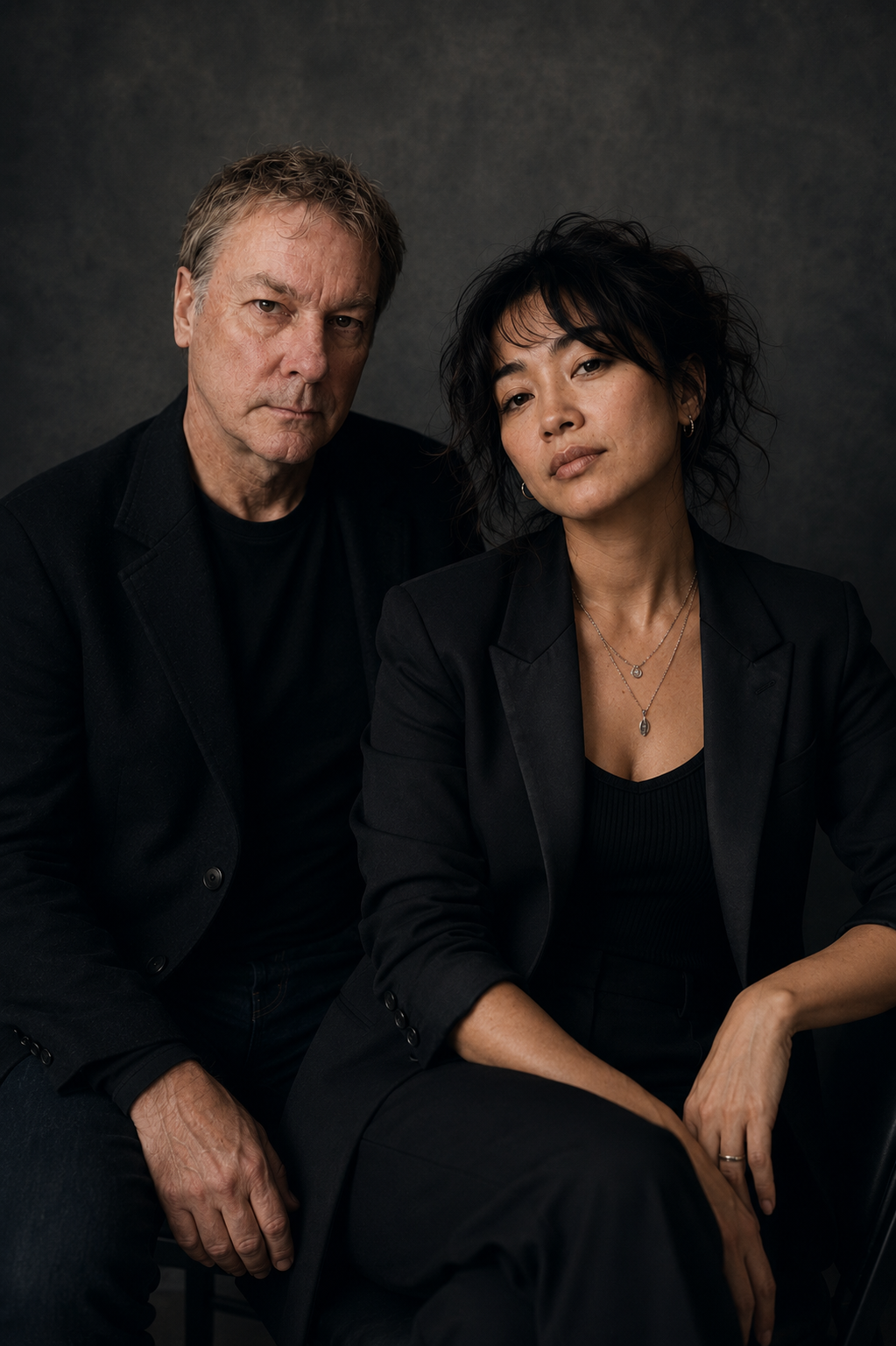
Rearranging a song that carries six decades of cultural weight is a creative challenge, but Ghost of Panama approaches “Subterranean Homesick Blues” with clear purpose. The rock band radically reworks Bob Dylan’s counter-culture hit, reshaping its identity while keeping its rebellious spirit. It’s a tribute to musical heritage and a statement of artistic independence all in one.
This new interpretation is very much shaped by the production, made at Ghost of Panama’s home studio in West London. The setting allows an intimate approach to reinterpreting a familiar song and lets the group engage directly with the material, taking it in a new artistic direction.
“Subterranean Homesick Blues” centers on the tension between conservation and transformation. Ghost of Panama is true to the song’s rebellious spirit without adding to its legacy, and this approach gives the release an adventurous feel, grounded in countercultural energy but driven by a desire to see what the composition can become in a different musical context.
Their version of this 60-year-old classic shows that respecting a song’s history can also mean breaking the rules and finding new ways to express its spirit. Fundamentally, “Subterranean Homesick Blues” presents Ghost of Panama as artists who want to engage with the past without being tied to it. The release’s strongest identity is a familiar heritage reimagined through a singularly forward-looking creative vision.
Artist Spotlight
“NO MORE” by Amanda Holley connects healing, awakening, and survival

“NO MORE“ carries that kind of emotional weight, and some songs feel like they come from lived experience but reach for something bigger. Amanda Holley blends R&B and soul, turning a lifetime of survival into a vision of healing, awakening, and the determination to move beyond what caused the pain.
“NO MORE“ is a healing anthem for people who have gone through bad experiences and reached a place of higher awareness, but it’s also an emotionally charged protest. The duality is introspective and outward-looking at the same time, turning personal survival into a broader declaration that some experiences, conditions, or cycles should end.
Holley had a premonition of the song six months before the world went into global shutdown. In the vocal booth, working out melodies with her collaborators, she pictured people in the streets. Those images were hard to imagine at the time, but subsequent events would make them painfully familiar.
“NO MORE“ is given a particularly contemplative underpinning by the context. The identity of R&B and soul leaves room for emotion. The song’s themes link survival, awakening, resistance, and the need for change. Amanda Holley is an artist using music to process personal endurance and a broader sense of social awakening. It’s got a complicated significance, and its release feels like a glimpse of a moment when personal intuition and public reality collided in an unexpected way.
Photo Credit: Yulia Shusharina

-

 Artist Spotlight6 days ago
iLLLACAT brings sharp bars and catchy production with latest release “Like Dat”
-

 Artist Spotlight6 days ago
Joshua Jamison unveils intimacy and a full rock expression on latest release “Windows”
-

 Artist Spotlight6 days ago
ALPHA CENTAURI blends hip-hop, funk and afrobeat ambition on latest release “The Future Right Now”
-

 Artist Spotlight6 days ago
Emilie Thorsby turns self-belief into a bold musical statement with latest release “Amazing as hell”
-

 Artist Spotlight5 days ago
Amanda Fagan unveils lost love and regret on latest release “Forever Yearn”
-

 Artist Spotlight6 days ago
UNDAUNTED unveils broken memories with latest release “Shattered Echoes”
-

 Artist Spotlight6 days ago
NITESHØRE embraces the long road to progress with “Marathon Mind”
-

 Artist Spotlight13 hours ago
“NO MORE” by Amanda Holley connects healing, awakening, and survival