
Album Review
Gitkin unveils an afro-latin blues with sonic psychedelia in his recent Album “Golden Age”
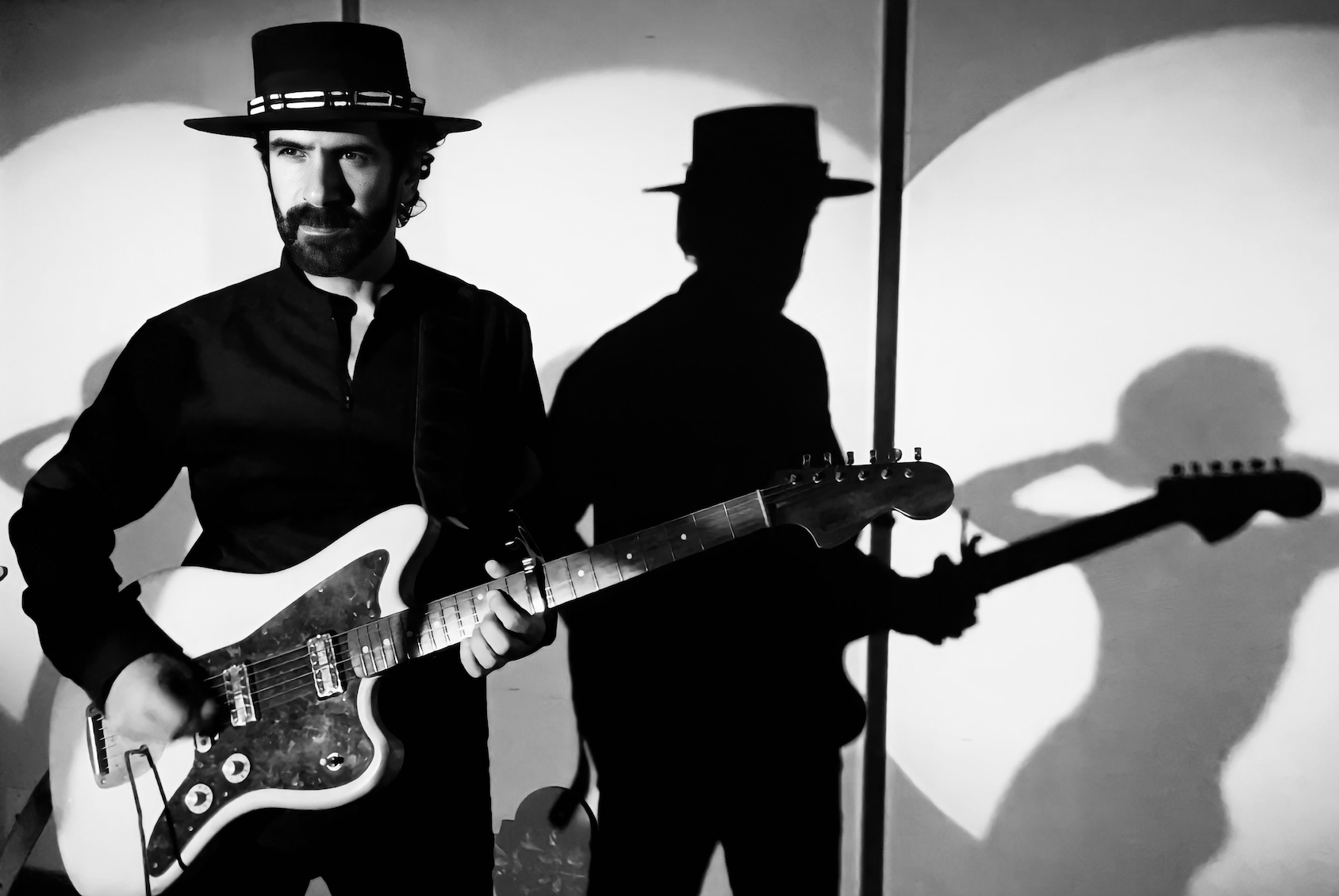
The undisputed king of modern cumbia and master of genre fusion, Brian J. Gitkin, unveils his latest 10-track masterpiece, “Golden Age,” released under Wonderwheel Recordings. This wordless sonic adventure transcends borders, featuring a guest appearance by multi-instrumentalist and producer Assaf Spector, delivering thrilling depths of Afro-Latin, desert rock, and blues with heavy doses of psychedelia. Rooted in the musical heartbeat of New Orleans, “Golden Age” offers a mesmerizing exploration of culture, rhythm, and electric guitar brilliance. This primarily instrumental experience enthralls audiences from start to finish.
Gitkin, a New Orleans-based multi-instrumentalist, channels the rhythmic soul of the Crescent City through the hypnotic twang of his signature Silvertone guitar. The album commences with the dynamic title track, “High Noon,” setting the tone for its adventurous spirit, a far-reaching sound exploration. Fans are treated to a dazzling mix of intoxicating African and Latin American influences, spiced with the desert rock of Mali and the electrified chicha style of Peru.
The second track, “Cumbia-ya,” exudes celebration with its infectious beats as the album continues to break boundaries with “Delta Mystic,” along with “Iced Coffee” and “Go Time,” the 5th composition featuring the expertise of Simon Moushabeck on the keyboard and Washington Duke on drums, which seamlessly blends jazz, funk, and Afro-American Mardi Gras roots into a jubilant groove.
Subsequently, “The One,” the eighth track, presents a hypnotic blend of classic Sudanese influences, Tuareg-style guitars, and Black Sabbath-inspired heaviness. The composition is propelled forward by a Giorgio Moroder-esque bassline, combining ’70s disco energy with soulful guitar motifs, showcasing Gitkin’s versatility and fearless approach to creating fresh, boundary-pushing music. The album’s standout track, “Tall Oaks Drive,” takes listeners on a cosmic ride with its psychedelic sitar riffs and melodic cinematic atmosphere reminiscent of a vintage spy thriller. The album concludes with the soul-stirring final track, “Golden Age,” providing a sense of closure and triumph.
Throughout “Golden Age,” Gitkin’s guitar melodies convey stories without words, evoking emotions of contemplation, joy, and spiritual upliftment. His ability to weave together global sounds with New Orleans’ rich musical heritage establishes him as a visionary in the global music scene. This album is essential for fans seeking adventurous, deeply reflective, and genre-defying sonic experiences.
For more information about Gitkin, please visit [website].
CLICK HERE TO STREAM Gitkin’s Album “Golden Age“ on Spotify.
CONNECT WITH Gitkin | Instagram | Facebook |













Album Review
Dian Sheng explores identity, life and love with “Sid” album

Dian Sheng releases his long-awaited first English-language album, “Sid,” a genre-defying collection of songs that includes pop, rock, electronic, and jazz. “Sid” is a deep, meditative exploration of identity, relationships, and self-growth, spanning 29 minutes and 12 seconds across eight tracks. This album is a personal exploration of the complex emotions of mankind and the vitality and jubilation of life.
From the opening track, “Right Now,” Dian Sheng establishes a sense of urgency and reflection. The upbeat song “I Come From Far” examines the connection between the self and one’s environment. It has joyful beats and layers that make you think and feel like part of the narrative.
The jazz ballad “Undecided Love” delves into the complexities of modern romance, featuring tender vocals and instrumentation that showcase Sheng’s delicate touch as a songwriter. “It Will Be Alright” is an empowering anthem about overcoming life’s biggest obstacles, combining electronic beats with a rock influence.
“Seventeen” is bursting with youthful energy, and its production captures the restlessness and emotionality of adolescent life. Two introspective songs with similar atmospheres, “The Way Before” and “This Life,” match chilling melodies with moving lyrics that touch on bygone relationships, self-awareness, and the quest for meaning we all experience.
The album concludes with “Shining As Your Name,” and the final few minutes of this piece alone evoke a strong sense of hope. Dian Sheng demonstrates his ability to join emotional depth with new styles. “Sid” is an invitation into the rich musical universe of Dian Sheng, where you can both consider yourself and feel influenced.
Connect with Dian Sheng on | Facebook | X | Spotify | Instagram |
Written by:
Faith Koch
Album Review
Ty Wilson delivers grit and heart on new country album “Northern Heart, Southern Soul”
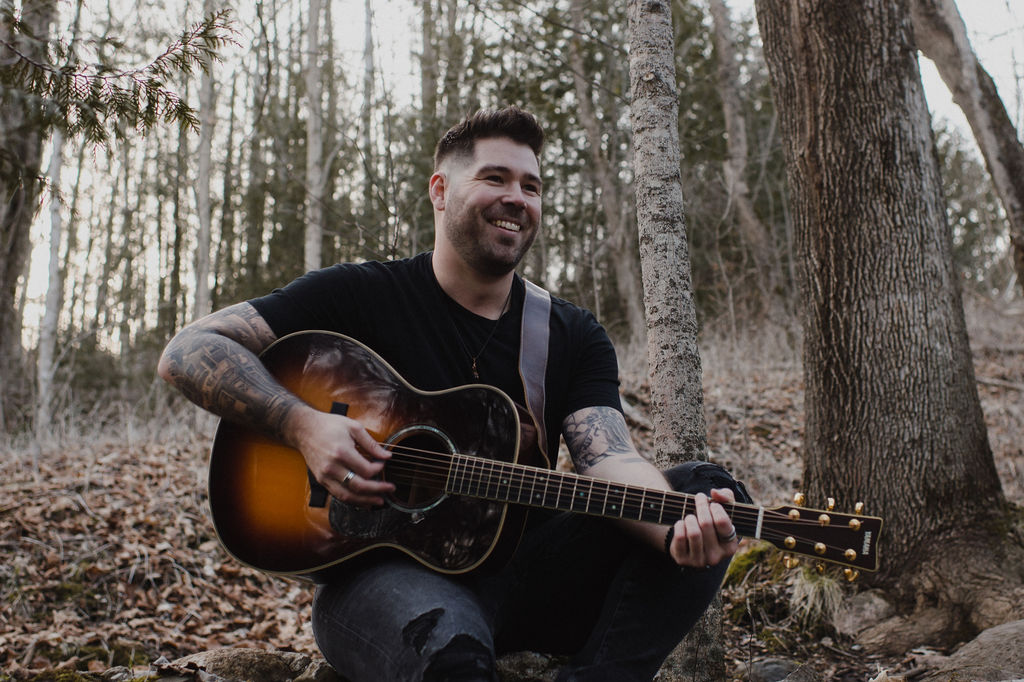
Ty Wilson’s “Northern Heart, Southern Soul” arrives like a long stretch of open highway at sunset as an honest, contemplative, and strategic ballad. Wilson’s eight-song LP marks the end of a project that melds his Canadian roots with the time-tested sounds of Southern country and Americana.
To give the album its sound, Wilson enlisted Nashville-based producer and drummer Jay Tooke, who has worked with groups such as The Steel Woods, Randy Houser, and Wyatt Flores. Production and engineering were handled by Edgewater Music Group, which is based in Texas, and the result is a brief but potent album that embraces the Southern sound he cherishes while retaining Wilson’s unique storytelling.
Always wanting to release a full-length album, Wilson has accomplished that with “Northern Heart, Southern Soul,” and its tied-together story reflects themes of perseverance, love, and contemplation. “Chasin’ Headlights“ is dedicated to his fiancée, a rock that sustains him on his busy touring schedule. It captures the silent grit that accompanies a life on the road. The album’s second single, “Alabama Way,“ is an unabashed nod to the Southern influences on the album after Wilson’s Red Dirt-informed sound.
Filling out the emotional spectrum of this album are songs like “Good Thing Goin’” and “Missin’ the Boat,“ which indulge happy thoughts about romance and momentum, alongside deeper rumination on regret and fidelity in works like “Can’t Live Without Her.“ “Knew You Then,“ with Mason Keck, brings a reflective edge as it reminisces about relationships and the passage of time.
One of the best songs on the album is “Born to Lose,” and it’s a testament to the power of classic country storytelling. The power of hard times and perseverance underlies this song, which serves as a stirring reminder that some of the most poignant voices in populist music are born of struggle. The final song, “Glory, When I Win,” is equally good and provides a triumphant emotional payoff. The song really demonstrates how difficult it is for independent artists to break through. They have to cope with failure and keep going, hoping the next mile will be a winner.
“Northern Heart, Southern Soul” is a brief work at just 26 minutes and 40 seconds long, and it’s about keeping it real. It illustrates how a northern identity and southern influence can coexist, proving that exceptional country music has no geographical boundaries.
Connect with Ty Wilson on Website | Facebook | Instagram | Spotify | TikTok |

-

 Artist Spotlight6 days ago
François Marius & Bérénice turn moments into magic with “Happy Day”
-

 Artist Spotlight6 days ago
Vibrational Match serves up light and breezy vibes in “On a Sunny Shore”
-

 Artist Spotlight6 days ago
Spiros Exaras blends jazz with greek roots on “Kalamatiano Medley”
-

 Artist Spotlight6 days ago
Mracks paints city life in new release “Cornerstore”
-
 Artist Spotlight6 days ago
Una Lengua Infinita releases gentle string quartet piece on “Bajo un cielo cuadrado”
-

 Artist Spotlight4 days ago
MTS Management Group artists celebrates friendship with new release “A Song for My Friends”
-

 Artist Spotlight4 days ago
Michael Soul hides from being open with new release “Hiding”
-

 Artist Spotlight4 days ago
Grace Doty lights up the sky with new release “Sunset Colors”