
Album Review
Eddie Cohn stirs a poetic reckoning of emotional emancipation to bid farewell with “Wheels Stop”

Eddie Cohn, a distinguished musician based in Los Angeles, has significantly evolved in his artistic trajectory and stylistic versatility. His latest single, “Wheels Stop,” emphasizes his penchant for profound introspection. This track, a prominent feature on his forthcoming six-track EP, examines themes of confusion, unraveling the intrigues of toxic relationships and the fears of being lost in thoughts while seeking to recover one’s mental sanity. It transcends a mere cathartic expression, embodying a dynamic and unapologetically assertive progression toward creative autonomy.
From the outset, “Wheels Stop” is marked by a palpable intensity, driven by a brooding undercurrent that underlies Cohn’s formidable vocal execution. His voice strikes a nuanced interplay of weariness and optimism, expertly encapsulating the sensation of standing at the brink of a bittersweet transformative experience. The lyrics demonstrate a precise mastery of poetic conciseness, with each line meticulously crafted to augment a rhythmic underpinning that aligns with the gradual revelation of more profound insights.
Musically, “Wheels Stop” navigates a richly contrasting soundscape, merging grunge, 80s rock, and contemporary indie influences. Jake Reed’s precise drumming provides a robust anchor, while Dan Lutz’s resonant bass maintains a hypnotic pulse throughout the piece. These core components effectively reflect the emotional turbulence central to pursuing liberation. Brett Farkas’s guitar work, augmented by Phil Peterson’s intricate layering of instrumentation, introduces an atmospheric depth, culminating in a multidimensional sonic experience. The production methodology, juxtaposing traditional studio techniques with innovative remote collaborations, underscores the creative possibilities inherent in contemporary music production.
Kevin Penner’s proficient mixing and mastering enhance the track’s polished finish, preserving its emotional integrity while avoiding any descent into overproduction. “Wheels Stop” crystallizes a moment of clarity interwoven with melodic richness, marking a significant milestone in Cohn’s artistic development. This track provides an enriching auditory experience for discerning listeners who value music imbued with compelling complexity.
For more information about Eddie Cohn, please visit [website].
CLICK HERE TO STREAM Eddie Cohn’s “Wheels Stop“ on Spotify.
CONNECT WITH Eddie Cohn | Instagram | Twitter | Facebook |











Album Review
Girlhood find clarity in complicated connections with “This Will Make Sense In The End” (album)
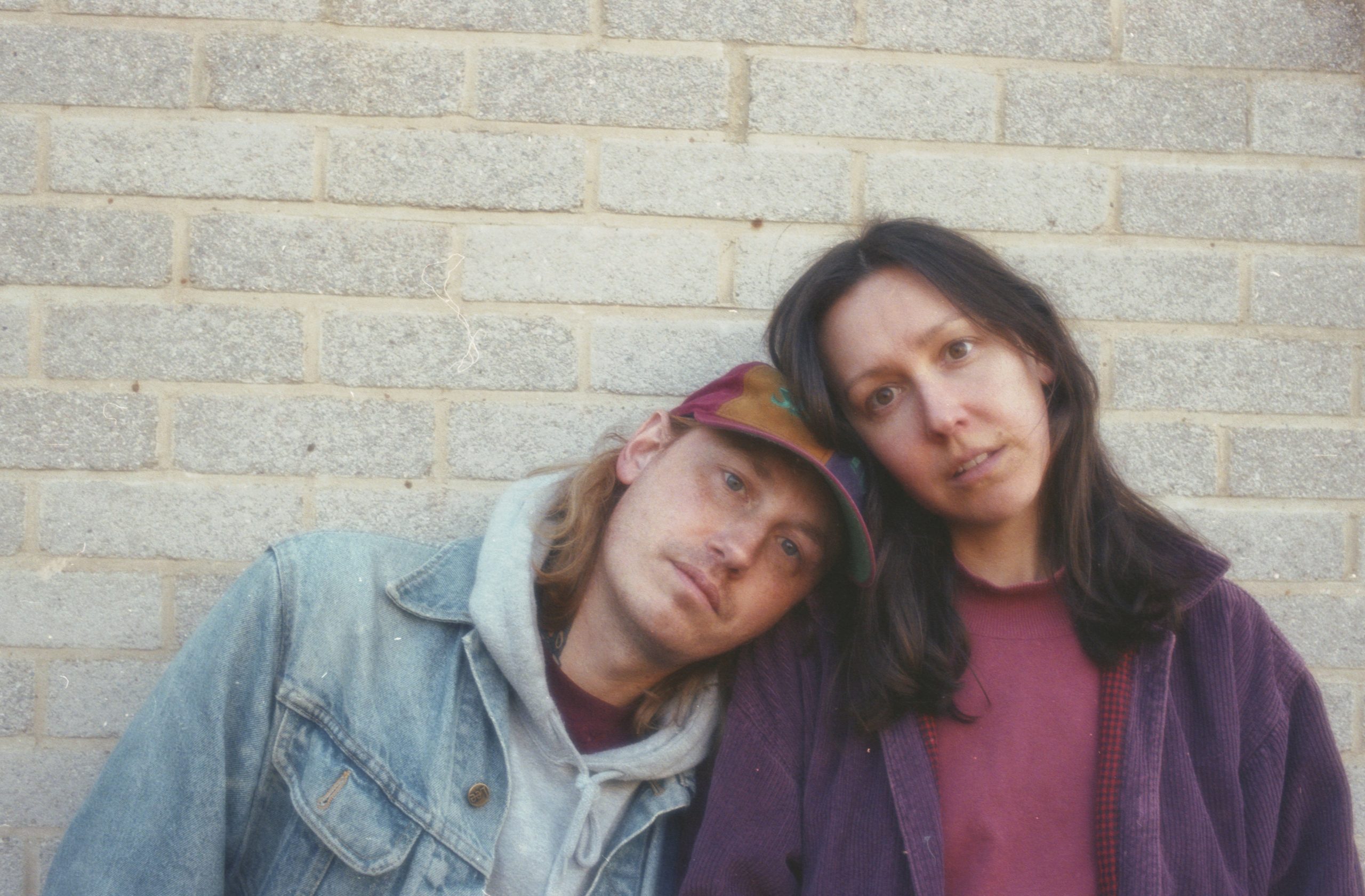
Relationships are an emotional contradiction, and Girlhood’s fourth album, “This Will Make Sense In The End,” navigates the contradictions of love, attraction, disappointment, and personal growth. Singer-songwriter Natalie Holmes has delivered a pop album that explores that line between wanting to connect and knowing when to protect yourself.
The album’s ten tracks provide a thoughtful exploration of relationships with food, often as a metaphor for emotional hunger, control, intimacy, and the desire to feel whole. It’s an album that’s about exploring uncomfortable relationship dynamics while keeping personal discovery in sight. It starts with “It Could Be Worse,” and it’s about the exhaustion and bitterness of an unbalanced relationship. It’s about the slow realization that wanting more isn’t unreasonable.
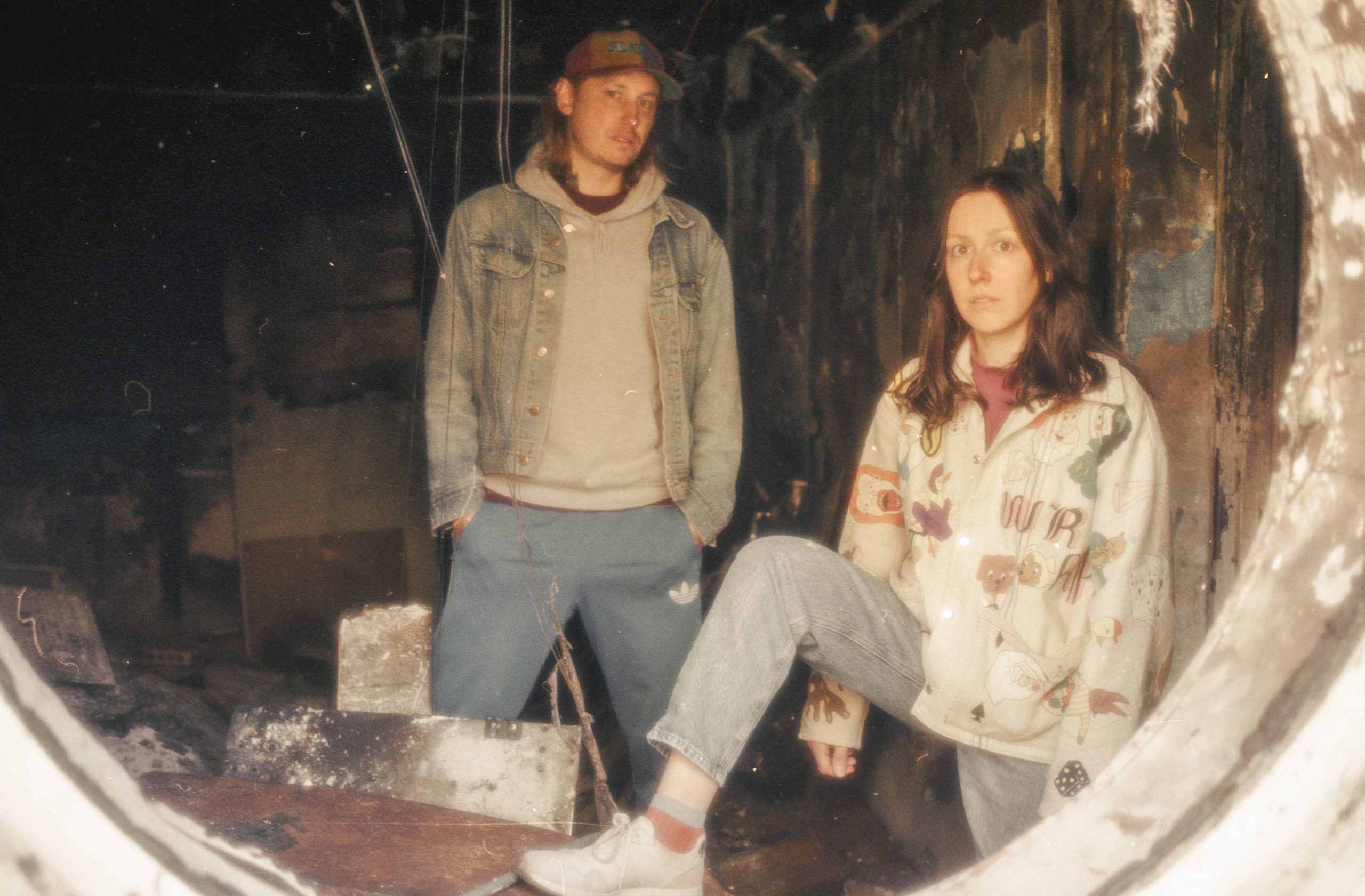
The lead single “Lemon Aid” is an intriguing balance of external playfulness and internal frustration, and it is all the brighter for the emotional pressure. “Picnic” takes a generally happy setting and uses it to explore the negotiations and power dynamics that can lurk just beneath the surface of a relationship. Attraction is also explored on the album, and the difficult area of physical desire as opposed to a real emotional connection.
“Cracked” is about the intoxicating allure of a toxic situationship and owning your confidence and sensuality. “Island to Island” also explores the confusion that can happen when physical chemistry feels like the start of something deeper. “Straight at the Bar” is about wanting to be accepted for who you are, not for who someone else wants you to be. “Silver Lining” touches on both mental and physical health, while “Born Hungry” pays tribute to life’s opportunities and the need to let go of toxic attachments.
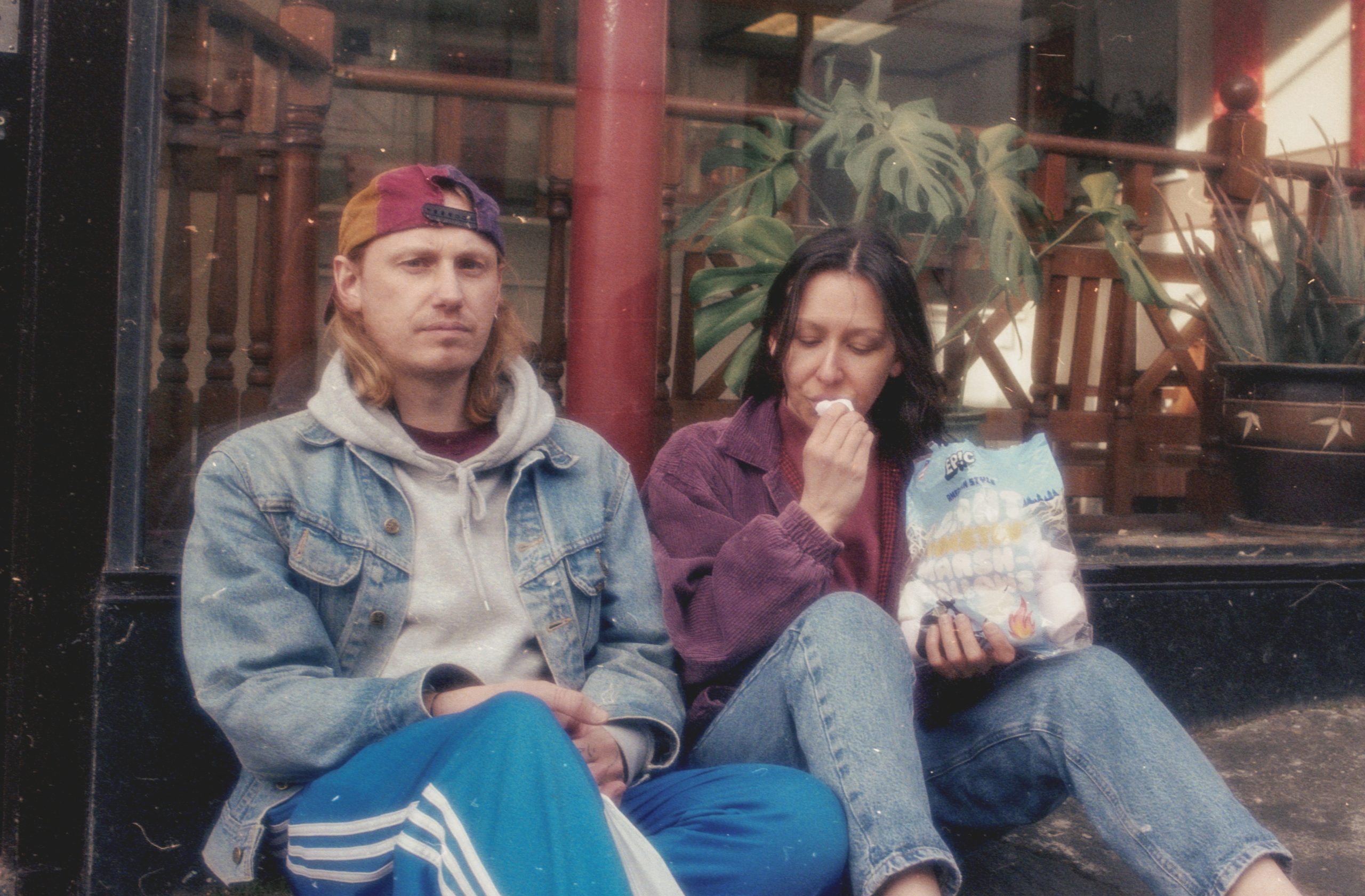
The final song, “Wouldn’t Change a Thing,” is reflective, taking the record into a space of self-love, acceptance, and appreciation for one’s past. “This Will Make Sense In The End” is defined by the tension between desire and control. Girlhood is about finding perfect love and learning not to lose yourself in the search.
Album Review
The Pink Diamond Revue create their own musical universe on “At The Discotheque” album
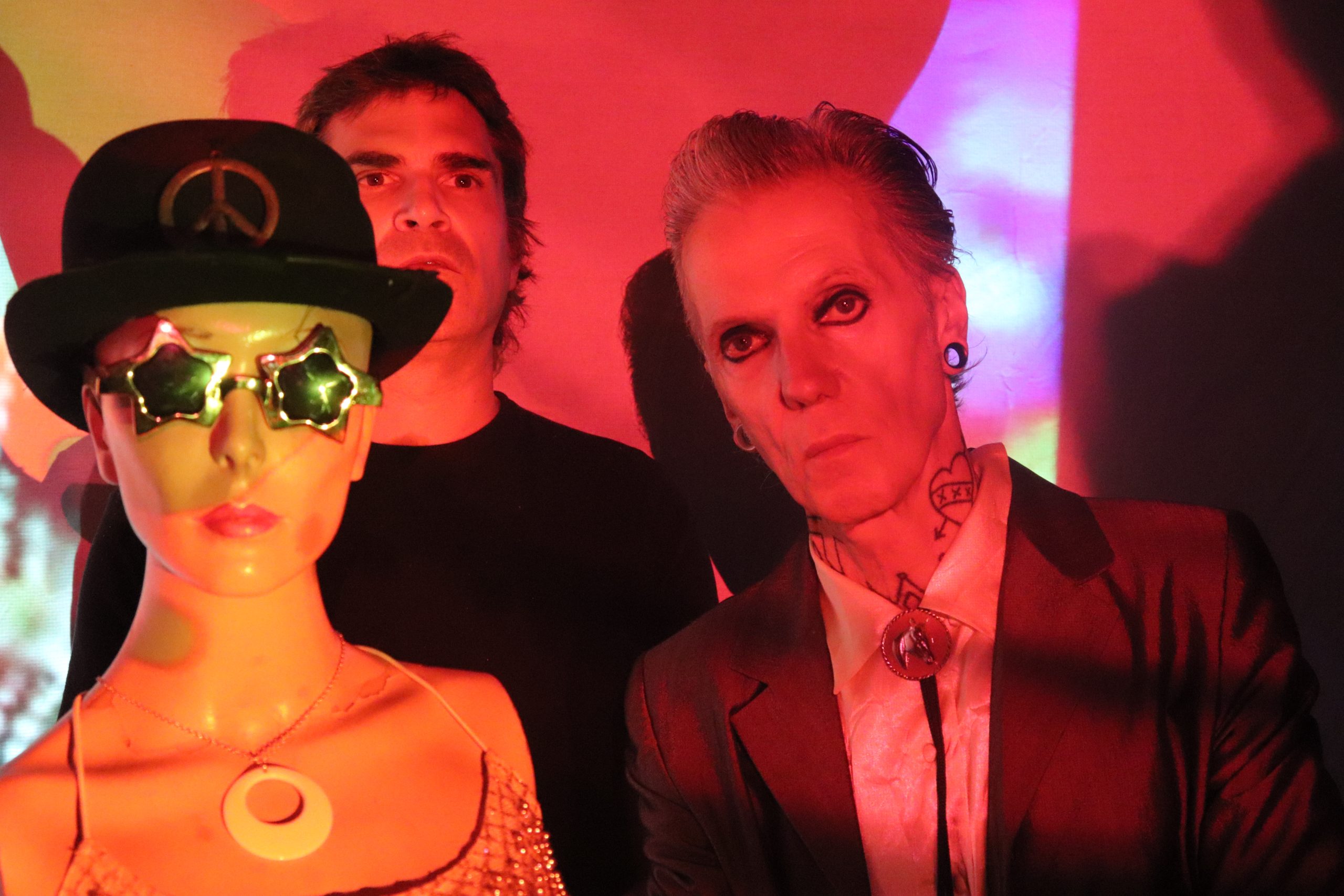
“At The Discotheque,” a decade-in-the-making album, blends vintage musical influences with forward-facing electronic experimentation. The album fuses 1950s rock ‘n’ roll, vintage blues, surf guitar, synth-punk, acid house, and electronic music into a sound defined by contrast. It looks to musical history while finding new possibilities in modern production.
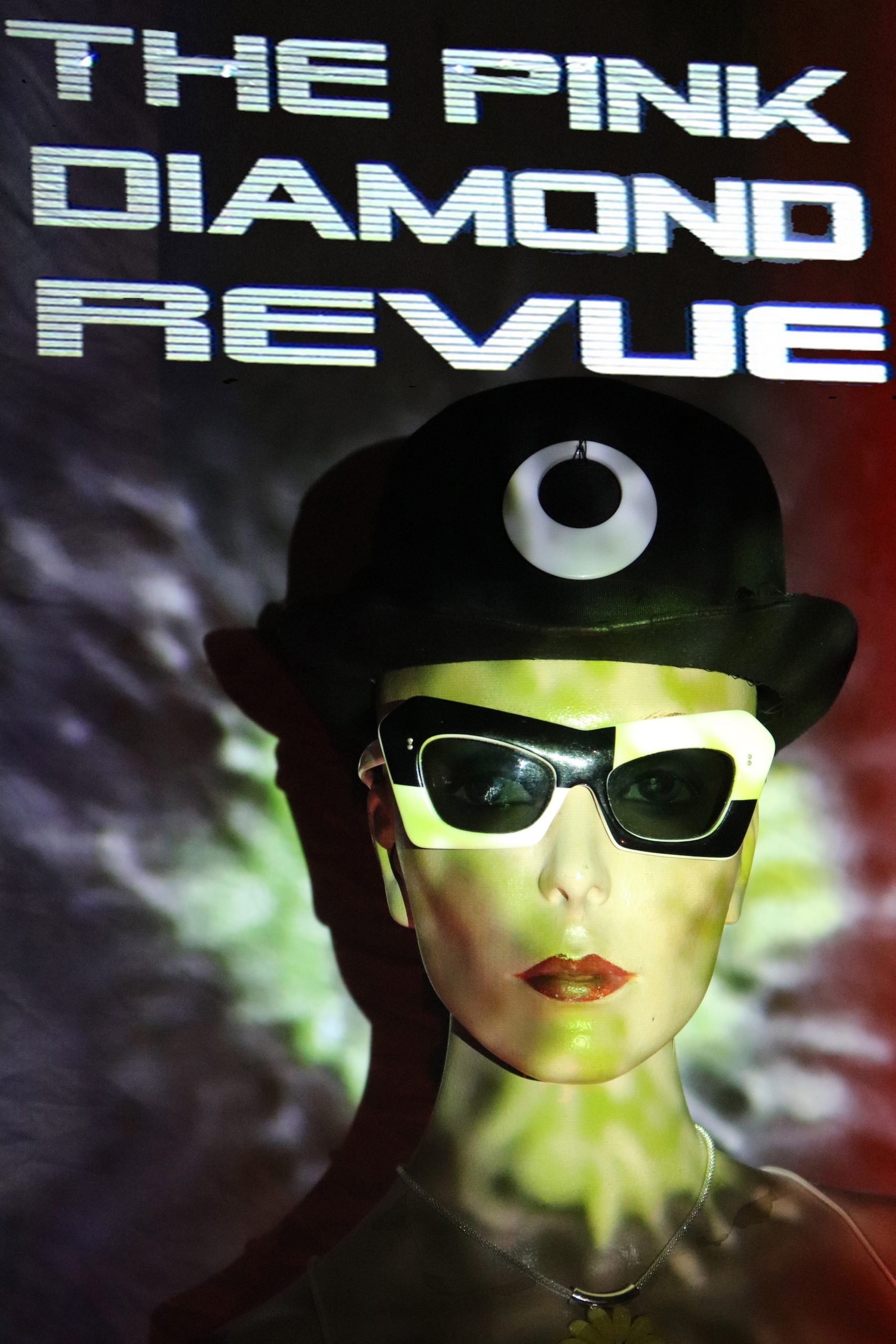
The album kicks off with “She Is,“ introducing ACiD DoL, the artificial female mannequin that is the band’s frontwoman and central visual figure. “The Fuzz Guitar“ combines classic rock sounds with modern electronic production, while “Portable Radio“ transforms retro transistor radio broadcasts into rhythmic loops.
Elsewhere, “The Ton Up Boy” winks at 50s and 60s British motorcycle culture, adding another dimension to the album’s retro underpinnings. The Pink Diamond Revue also ventures into more experimental and darker territory. “Acid Dol“ delves into the darker side of the mysterious figurehead with industrial bass and fierce electronic rhythms, and “Lux“ conjures a hypnotic atmosphere with smoky club visuals and psychedelic textures.
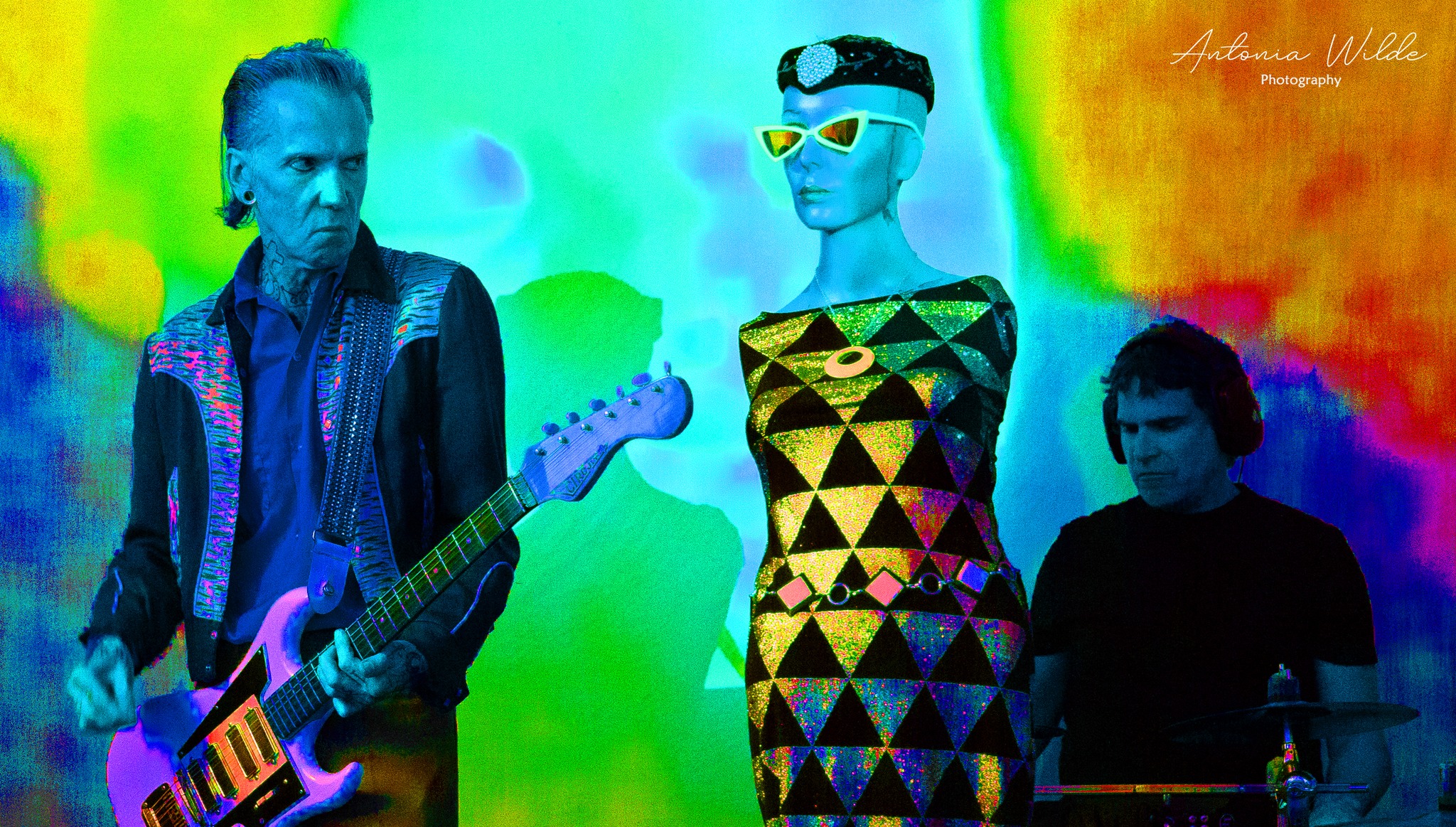
The title track, “At The Discotheque,” shines a light on the dancefloor as a space of freedom, escape, and musical expression. The tracks “Go Go Girl,” “Way Out,” and “Microdot” take that energy even further, with space-rock influences, rave-inspired rhythms, and gritty industrial sounds.
“Final Meal Request“ feels like something out of a classic horror or noir film, and the three versions of “Milkshake“ each present a different aspect of the band’s sound, ranging from blues-rock to psychedelic dub to atmospheric reverb. “At The Discotheque” feels more like an exploration of musical eras, giving the project its own identity, and keeps the album moving between the familiar and the unexpected.

-

 Artist Spotlight7 days ago
Séhkou unveils a beautiful connection between faith and intimacy on latest release “Song of Songs 1:3-4 (I Know)”
-

 Artist Spotlight7 days ago
Mel Denisse creates an intimate escape from reality on latest release “underneath the world”
-

 Artist Spotlight7 days ago
GMG_Grizz brings melodic rap and undeniable attitude on latest release “Something Slight”
-

 Artist Spotlight7 days ago
Alias Wayne celebrates the beauty of genuine affection on latest release “Tribute”
-

 Artist Spotlight7 days ago
François Marius pushes romantic excitement into a dancefloor celebration with “La Loco”
-

 Artist Spotlight5 days ago
Bash Co. examines emotional imprisonment and love on “Dungeon”
-

 News5 days ago
Judge delays ruling on Lil Durk bond, release status still unclear
-

 Artist Spotlight6 days ago
Doble Pista explores the memories that stay with us on new single “Memoria en la Piel”