
Album Review
“Once Upon a Time” by Universal Dice
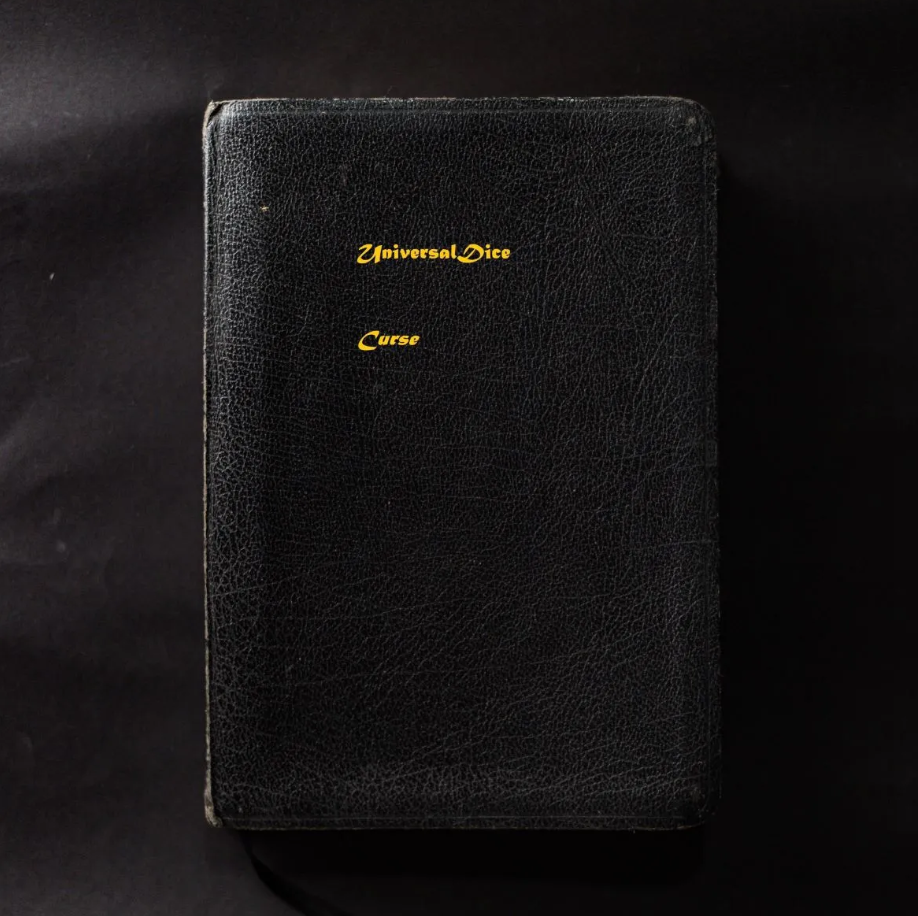
I hope that Universal Dice’s new album release Misfit Memoirs reaches the largest possible audience. The first two singles from the release, “Curse” and the latest song, “Once Upon a Time”, offer evidence that the Gerry Dantone-led project has reached a new peak. “Once Upon a Time” continues developing the band’s songwriting wont for story-focused art that lacks pretentiousness or self-indulgence. The band’s work thus far is a reassuring reminder that ambitious rock works are still out there and deserve maximum exposure. His ability to realize such ambitions without ever descending into unnecessary pomp sets the band’s work even further away from the status quo.
It isn’t an easy balance to maintain. Rock music, reaching back decades, is rife with examples of ham-fisted marriages between ambition and accessibility. Songwriters guilty of overreach have drug potentially great works down with overwrought tendencies. Gerry Dantone’s songwriting avoids such pitfalls. “Once Upon a Time” has an intimate climate. It gives individual listeners the impression that Universal Dice is performing for them alone. The development of the songwriting reinforces this.
Dantone wisely employs a first-person point of view for the lyrics. It gives “Once Upon a Time” storytelling attributes that prod listeners to hang with every word. He sketches out the details with broad strokes focused on significant details rather than weighing down the writing with needless adornments. It is impossible to say for sure without knowing more, but the single comes across as if the words and music came together. I think Dantone began the process with a clear idea of what he wanted the song to say.
It is a certainty that makes the listening experience such a pleasure. There’s surefooted confidence present in each second of this four-minute-long track. However, it isn’t ever strident, and the mid-tempo unfolding of the performance has a calm and considered demeanor. This prevailing mood drew me deeper into its storytelling web. It inspired faith in Dantone’s artistry from the start, and he never gave me a reason to reconsider.
The lyrical brevity underlines the aforementioned certainty. Dantone doesn’t waste a single word in the writing of this track, and his word choices do not disappoint. “Once Upon a Time” pulls no punches. It fleshes out an unforgiving world that Dantone’s sensitive vocal tempers with its thoughtfulness. We experience the emotions present in the song’s words rather than consuming them on a strictly intellectual level.
One of the hallmarks of Universal Dice’s work is the striking balance it maintains between the mental and physical. Dantone and his bandmates have made a name for themselves serving up stimulating musical landscapes capable of moving or entertaining their audience. The lyrical content and concepts are icing on an especially delectable cake. Intelligence and depth distinguish each new outing, and “Once Upon a Time” is no exception. It’s more evidence, if needed, that Universal Dice’s new album Misfit Memoirs will likely rank as their finest collection. We’re lucky to have such meaningful music in times like this, and I hope there’s more to come.
Stacey Winter

Album Review
Dian Sheng explores identity, life and love with “Sid” album

Dian Sheng releases his long-awaited first English-language album, “Sid,” a genre-defying collection of songs that includes pop, rock, electronic, and jazz. “Sid” is a deep, meditative exploration of identity, relationships, and self-growth, spanning 29 minutes and 12 seconds across eight tracks. This album is a personal exploration of the complex emotions of mankind and the vitality and jubilation of life.
From the opening track, “Right Now,” Dian Sheng establishes a sense of urgency and reflection. The upbeat song “I Come From Far” examines the connection between the self and one’s environment. It has joyful beats and layers that make you think and feel like part of the narrative.
The jazz ballad “Undecided Love” delves into the complexities of modern romance, featuring tender vocals and instrumentation that showcase Sheng’s delicate touch as a songwriter. “It Will Be Alright” is an empowering anthem about overcoming life’s biggest obstacles, combining electronic beats with a rock influence.
“Seventeen” is bursting with youthful energy, and its production captures the restlessness and emotionality of adolescent life. Two introspective songs with similar atmospheres, “The Way Before” and “This Life,” match chilling melodies with moving lyrics that touch on bygone relationships, self-awareness, and the quest for meaning we all experience.
The album concludes with “Shining As Your Name,” and the final few minutes of this piece alone evoke a strong sense of hope. Dian Sheng demonstrates his ability to join emotional depth with new styles. “Sid” is an invitation into the rich musical universe of Dian Sheng, where you can both consider yourself and feel influenced.
Connect with Dian Sheng on | Facebook | X | Spotify | Instagram |
Written by:
Faith Koch
Album Review
Ty Wilson delivers grit and heart on new country album “Northern Heart, Southern Soul”

Ty Wilson’s “Northern Heart, Southern Soul” arrives like a long stretch of open highway at sunset as an honest, contemplative, and strategic ballad. Wilson’s eight-song LP marks the end of a project that melds his Canadian roots with the time-tested sounds of Southern country and Americana.
To give the album its sound, Wilson enlisted Nashville-based producer and drummer Jay Tooke, who has worked with groups such as The Steel Woods, Randy Houser, and Wyatt Flores. Production and engineering were handled by Edgewater Music Group, which is based in Texas, and the result is a brief but potent album that embraces the Southern sound he cherishes while retaining Wilson’s unique storytelling.
Always wanting to release a full-length album, Wilson has accomplished that with “Northern Heart, Southern Soul,” and its tied-together story reflects themes of perseverance, love, and contemplation. “Chasin’ Headlights“ is dedicated to his fiancée, a rock that sustains him on his busy touring schedule. It captures the silent grit that accompanies a life on the road. The album’s second single, “Alabama Way,“ is an unabashed nod to the Southern influences on the album after Wilson’s Red Dirt-informed sound.
Filling out the emotional spectrum of this album are songs like “Good Thing Goin’” and “Missin’ the Boat,“ which indulge happy thoughts about romance and momentum, alongside deeper rumination on regret and fidelity in works like “Can’t Live Without Her.“ “Knew You Then,“ with Mason Keck, brings a reflective edge as it reminisces about relationships and the passage of time.
One of the best songs on the album is “Born to Lose,” and it’s a testament to the power of classic country storytelling. The power of hard times and perseverance underlies this song, which serves as a stirring reminder that some of the most poignant voices in populist music are born of struggle. The final song, “Glory, When I Win,” is equally good and provides a triumphant emotional payoff. The song really demonstrates how difficult it is for independent artists to break through. They have to cope with failure and keep going, hoping the next mile will be a winner.
“Northern Heart, Southern Soul” is a brief work at just 26 minutes and 40 seconds long, and it’s about keeping it real. It illustrates how a northern identity and southern influence can coexist, proving that exceptional country music has no geographical boundaries.
Connect with Ty Wilson on Website | Facebook | Instagram | Spotify | TikTok |

-

 Artist Spotlight6 days ago
François Marius & Bérénice turn moments into magic with “Happy Day”
-

 Artist Spotlight6 days ago
Vibrational Match serves up light and breezy vibes in “On a Sunny Shore”
-

 Artist Spotlight6 days ago
Spiros Exaras blends jazz with greek roots on “Kalamatiano Medley”
-

 Artist Spotlight6 days ago
Mracks paints city life in new release “Cornerstore”
-

 Artist Spotlight6 days ago
Una Lengua Infinita releases gentle string quartet piece on “Bajo un cielo cuadrado”
-

 Artist Spotlight4 days ago
MTS Management Group artists celebrates friendship with new release “A Song for My Friends”
-

 Artist Spotlight4 days ago
Michael Soul hides from being open with new release “Hiding”
-

 Artist Spotlight5 days ago
Grace Doty lights up the sky with new release “Sunset Colors”