
Fashion
The Best Air Purifiers and Humidifiers to Create Clean Indoor Air
Which air purifiers and humidifiers actually work, and are they worth it? We consult the experts….

The pandemic, and all the requisite sheltering in place that has accompanied it, has significantly driven up sales of a motley array of items: beans, puzzles, yeast, face masks, stationary bikes, inflatable pools in the warmer months, and, as it gets colder, outdoor space heaters. But the looming threat of an airborne virus coupled with all the time spent at home has also made many of us acutely aware of what we’re breathing in as we’re doing all that baking and puzzling—and keenly interested in figuring out means of making it better. Not to mention that many of the activities that we do from the comfort of our home like, say, that aforementioned baking with a gas stove, can actually be the source of some of the issues with the air.
“Indoor home air quality will be top of mind for the foreseeable future,” says Justin Seidenfeld, founder of Canopy, an innovative new humidifier brand. “People are spending so much time at home and they’re investing, not only into making it look like an oasis, but also in making it as healthy and safe as possible.” The brand saw their online sales jump 105% in spring 2020, compared to the same period a year earlier.
But is the marketing of purified air for your home just that, marketing? Or can it actually have a positive, and perceptible, impact on your health? Experts say yes and no. Dr. L. James Lo, a professor of architectural engineering at Drexel University who studies the health effects of indoor ventilation, says air purifiers can help in reducing the infectivity of aerosolized viruses. “An air purifier removes particles, and aerosolized viral droplets are very small particles,” says Lo. How much they can help depends on their CADR, or “clean air delivery rate,” meaning, as Lo explains, the equivalent of how much fresh air is being delivered into a space. “The downside here is that air purifiers can only be very effective in small spaces,” he adds. (This downside feels less negative when you consider the size of most New York City apartments.) Allergist Dr. Purvi Parikh adds that while HEPA filters (the high efficiency filters found in most of the fancier devices on the market) add a critical layer of protection, they are not foolproof. “Moreover, unless there’s a large amount of virus in the air and larger droplets, the purifier may not help as some viral particles may be too small for a HEPA filter especially if aerosolized,” explains Parikh. She says that from a COVID standpoint, filtering the air in your home is certainly good, but less of a necessity than limiting visitors, wearing a mask, and frequently hand-washing. Both Lo and Parikh agree that opening windows and doors to circulate air can provide a risk reduction similar to most air purification devices.
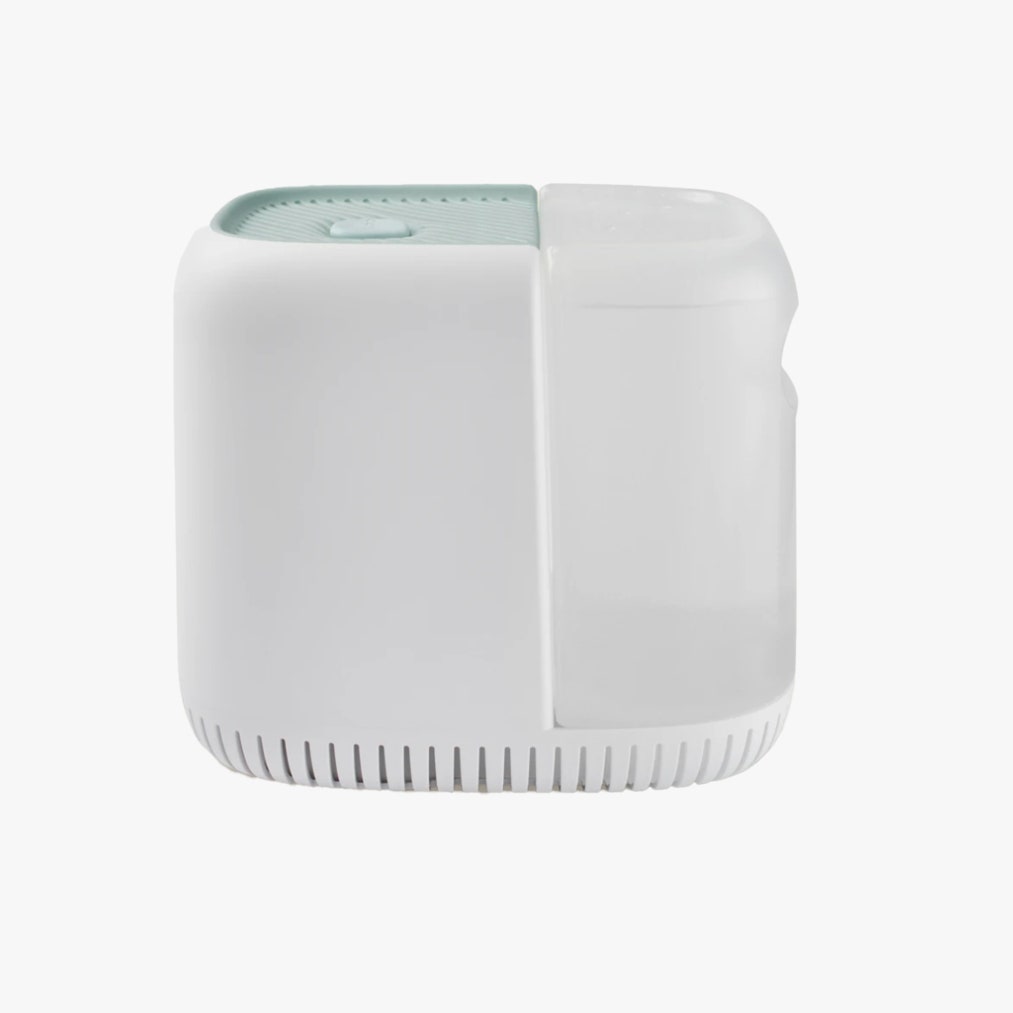
The caveat is, unsurprisingly, that not all the devices showing up as sponsored ads in your Instagram feed will do the job well. Lo underscores the importance of looking into any product’s CADR. It’s important also to differentiate between a humidifier and an air purifier. “Both products have the goal of improving air quality, which is a combination of pollution, humidity, and temperature, but a humidifier adds moisture into the environment, whereas a purifier moves air through a filter to remove impurities from the cycled air,” explains Seidenfeld.
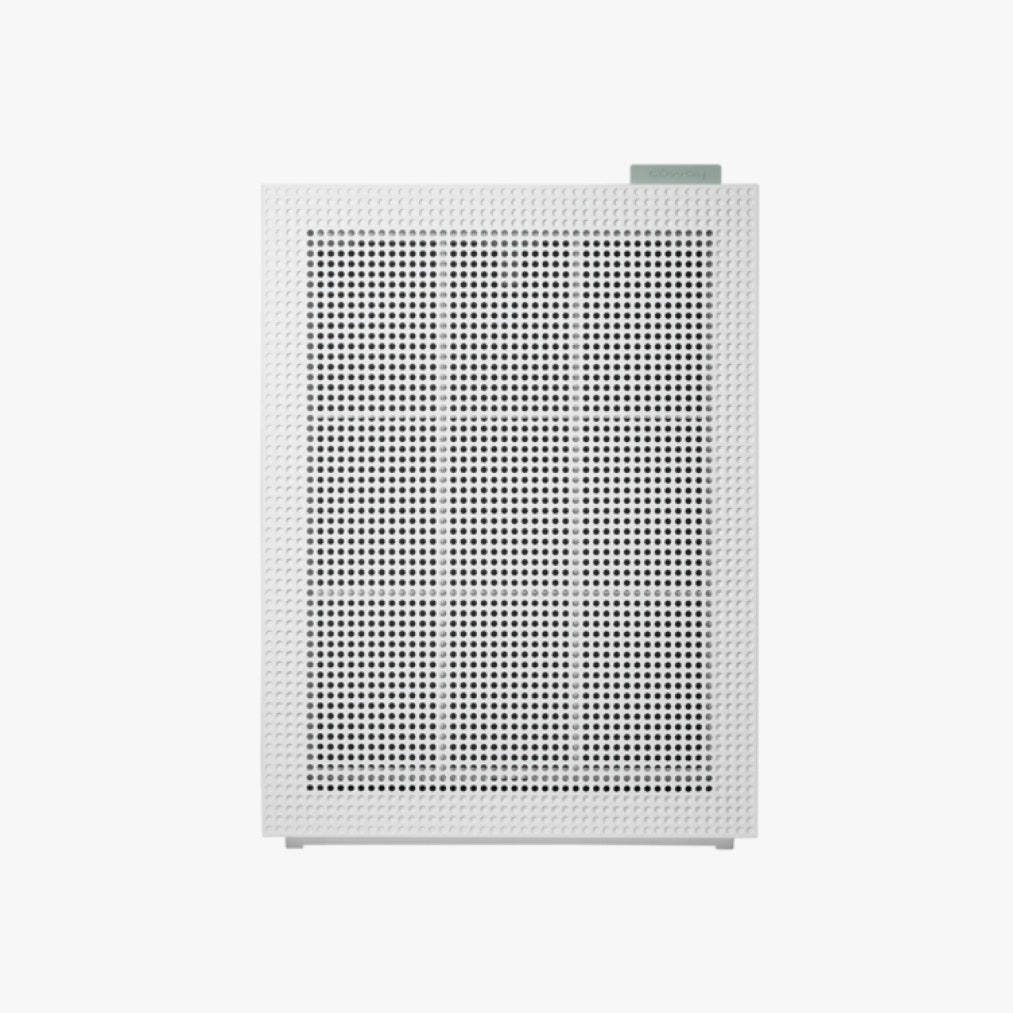
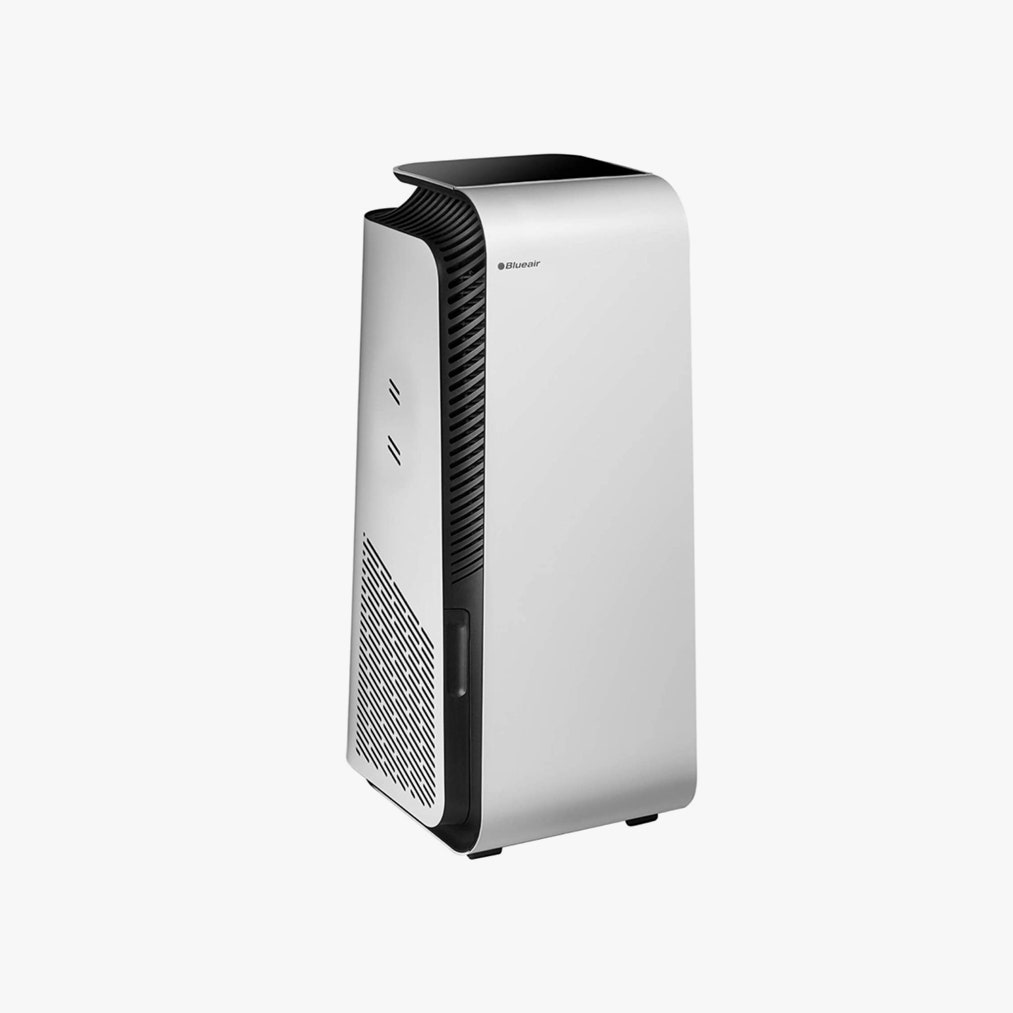
Seidenfeld’s Canopy humidifier is unlike the traditional ultrasonic varieties in that it improves air quality by increasing humidity, doesn’t introduce new pollutants into the air, and impacts the air and surfaces in an entire room, versus just air that flows through a filter. As for air purifiers of note, there is Coway’s Airmega 150, which uses a three-stage filtration system (including a Green True HEPA) and covers 214 square feet; Blueair’s new Health Protect which uses new HEPASilent technologist which improves upon its filtration abilities and saves energy; and Molekule’s Air Mini, which is ideal for smaller spaces, adjusts its speed based on the particles found in the air and can be tracked via a handy app and linked to your Apple Home system. And then there is, of course, Dyson, whose ubiquitous air purifying devices have been cropping up in people’s WFH backgrounds all year. Their most recent launch, Dyson Pure Humidify + Cool, straddles categories. “It’s our first multi-functional product that is a purifier, humidifier, and fan all in one,” says Andrea Ricci, a research engineer at Dyson, explaining the advanced (and complicated) mechanisms that eventually projects purified, humidified air out of the machine’s amplifier and into a room. Even their projection system is thoughtfully conceived of. “Air Multiplier technology ensures that the clean air is circulated throughout the room and dirty air is pushed back toward the machines to be filtered, otherwise you risk purifying the pocket of air surrounding your machine, but not the entire room,” explains Ricci.
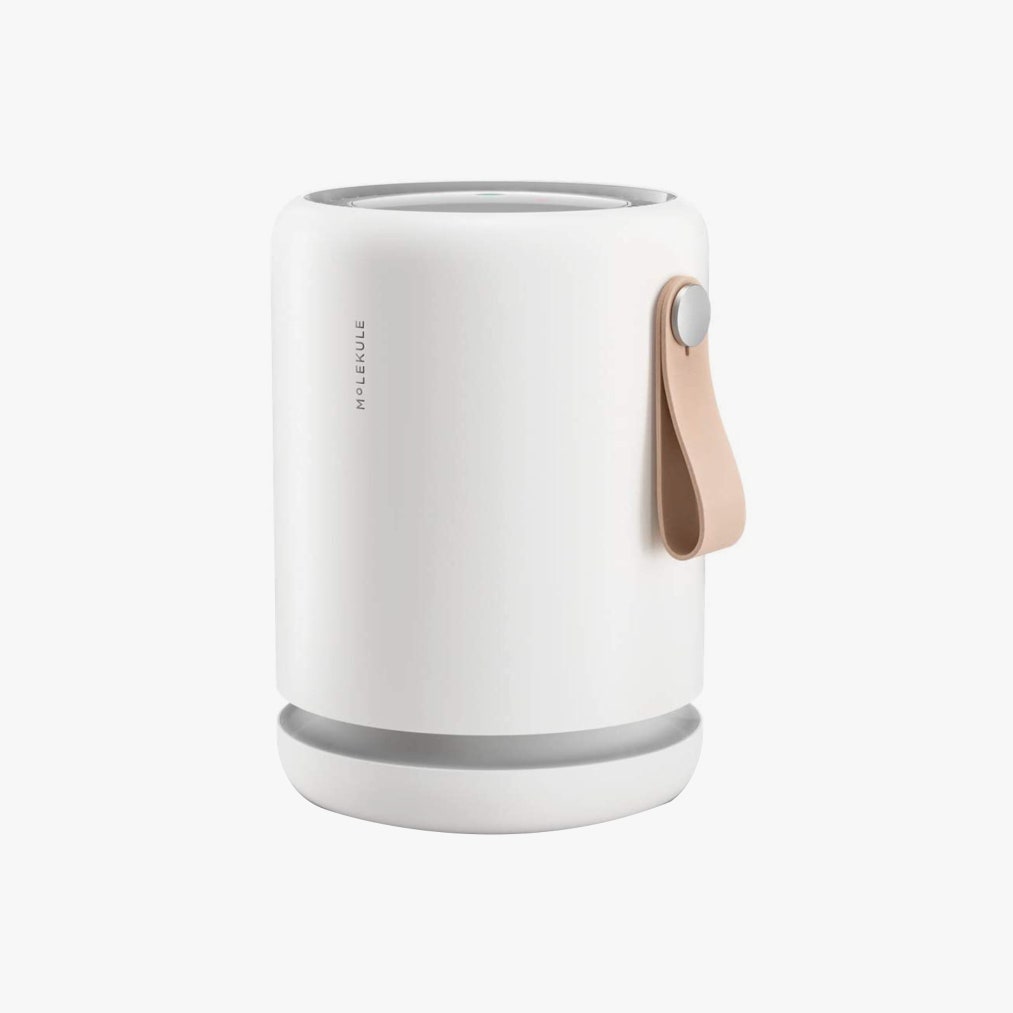
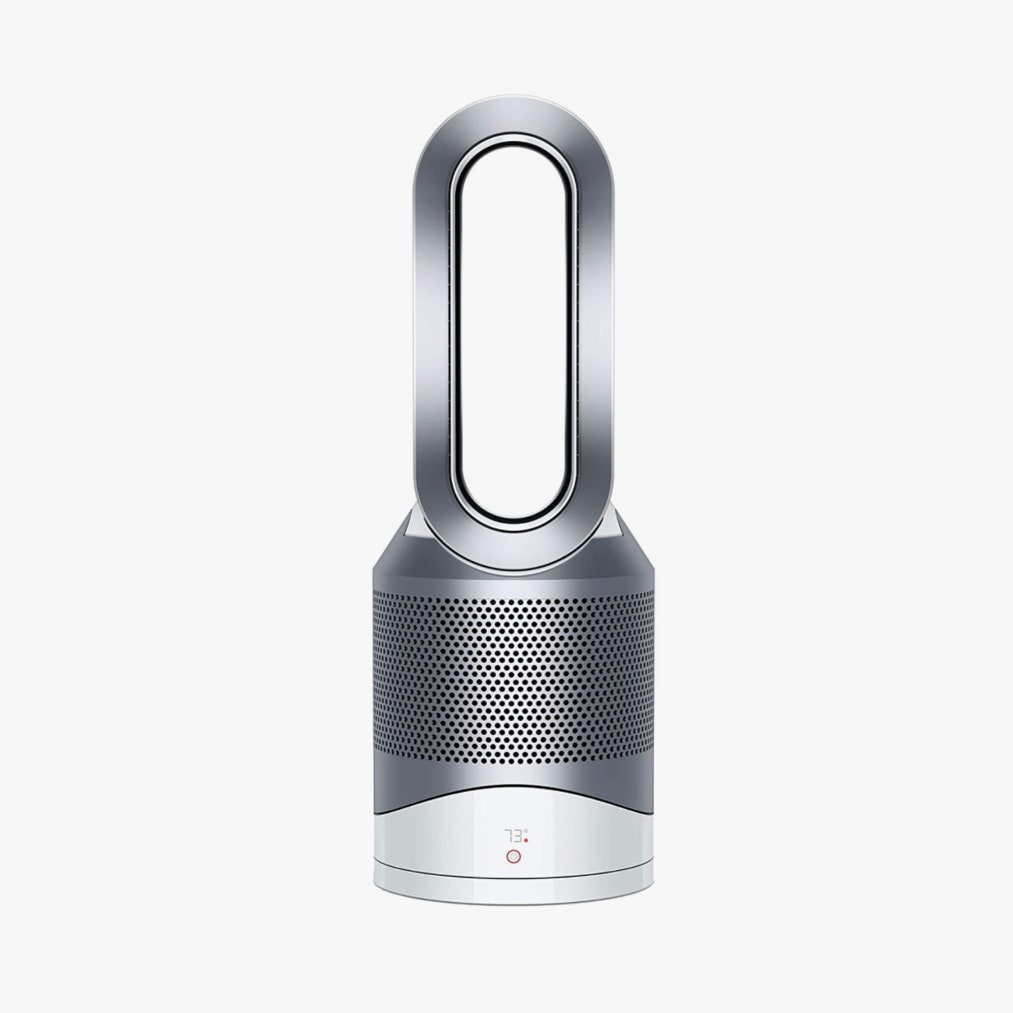
While it’s not yet clear whether air purifiers will help in protecting you against COVID, the devices do have a number of measurable benefits—which, considering how much time we’re collectively spending at home nowadays, is appealing enough. The best air purification technology can destroy an array of pollutants, mold, bacteria, and harmful chemicals. More specifically, says Seidenfeld, it can help to relieve symptoms of cold, flu, and allergies such as nasal congestion, sinus irritation, and cough. And, when it comes to a device that creates optimal humidity, your skin will benefit too. According to New York dermatologist Dr. Dendy Engelman, optimal humidity (40-60%) allows the skin to retain moisture and maintain its barrier function so it can keep harmful pathogens at bay. “In low humid environments there is an imbalance in moisture and in turn it can start to affect your skin in as little as 30 minutes,” adds Engelman, who has been recommending Canopy to her patients to reduce dryness and cracking, redness, fine lines, and potential breakouts.

Entertainment
A$AP Rocky Turned An Entire Manchester City Kit Into His Album Rollout

A$AP Rocky doesn’t do album rollouts quietly, and this one recruited an entire Premier League club to help. Manchester City, PUMA, and Rocky teamed up on a limited apparel run tied to “Don’t Be Dumb,” his 2026 album, timed around his September 5th show at Co-op Live.
The centerpiece is a long-sleeve PUMA King jersey in black and archive gold, with “DON’T BE DUMB” running down the sleeve and AWGE branding worked in throughout. A bold “MANCHESTER” graphic covers the back. Fans could also add limited “A$AP 11” name-and-number printing onto the club’s actual Home, Away, or Third kits, while supplies lasted at retail.
There’s a players-only version too, and it never went up for sale. That one sticks closer to City’s usual sky-blue identity, with its own sleeve detailing and back graphic — the kind of piece that exists purely because a handful of people got lucky.
The whole rollout kicked off with a one-night pop-up on September 4th, when PUMA turned a spot in Manchester’s Northern Quarter into a pop-up cafe for the night, mixing football, music, and street style into one room before the wider release hit the stadium store the next morning. Some of those jerseys even came with golden tickets to the concert or that Saturday’s match.
Rocky has called the project true to his own design language, and it’s not even his only club collaboration this cycle — a similar drop with AC Milan landed around the same time. At this point, the line between fashion week and matchday has basically disappeared.
Entertainment
Quavo And Lids Are Going All In On Atlanta With Their New Cap Pack

Quavo has never been shy about his hat obsession, and Lids just gave him another outlet for it. Their new “Atlanta” pack drops September 12th, marking another round in a partnership that’s been running strong since 2019.
The collection is a love letter to the city, spread across three very different caps. One mashes up pinstripes, script lettering, and Braves branding into a single design, working navy, red, white, and light blue into the mix. Another goes the opposite direction entirely — fully iced out in crystal detailing, done up in black and red, with both the Falcons and the Braves showing up in the design. The third strips things back to an old-school “ATL” trucker cap in red, white, and gold, the kind of understated piece that lets the city’s name do the talking.
None of this is new territory for Quavo. He’s talked before about waiting on hat releases as a kid, and that same excitement seems to be what’s kept this partnership going years past most celebrity collabs. His earlier Lids run leaned on one moment — the Braves’ 1995 World Series win — but this pack pulls from the city’s whole sports history instead of just one highlight.
Lids has called Quavo one of the rare voices who can blend music, fashion, and sports without it feeling forced, and this drop backs that up. Given how fast his past releases have moved, Atlanta might want to set an alarm for September 12th.

-

 Artist Spotlight2 days ago
C’batch turns an old guitar performance into a new story with “Our Little Pooh Pea (The Last Light) 4 – Cinematic”
-

 Artist Spotlight5 days ago
“NO MORE” by Amanda Holley connects healing, awakening, and survival
-

 Artist Spotlight4 days ago
Sara Diana follows a wild spirit into the moonlight on latest release “Her Hair’s Like Fire”
-

 Artist Spotlight5 days ago
“Subterranean Homesick Blues” finds a new direction through Ghost of Panama
-

 Artist Spotlight5 days ago
Lisa Jo draws a line under the past with latest release “Done Druggin’ Away the Pain”
-

 Artist Spotlight4 days ago
Tabi Harlowe captures the ache behind attraction with latest release “So Pretty (It Hurts)”
-

 Artist Spotlight4 days ago
Dusty Edinger crackle tension into rock electricity with latest release “We Outshine”
-

 Artist Spotlight4 days ago
Temidayo Balogun bridges tradition and modern expression on latest release “Ori I “Concept of Democracy”