
Music
Barack Obama Theorizes Why So Many Rappers Supported Donald Trump
Getty Image There are parallels between Donald Trump and rappers that make the mogul seem more attractive to the artists that rallied behind him. …
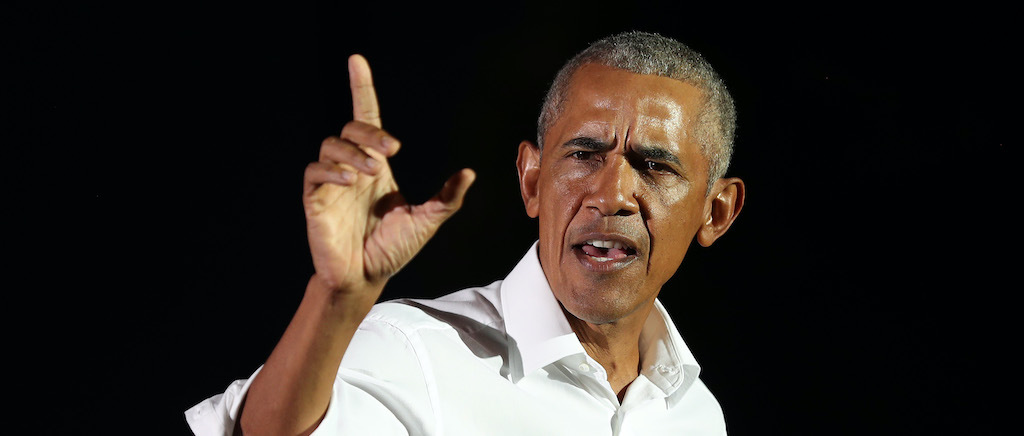
During the recent election, many hip-hop fans were disappointed to find that some of the genre’s biggest stars chose to support Donald Trump in spite of his policies. Lil Wayne, Lil Pump, and more posted to social media openly professing their preference for Trump over his opposition Joe Biden, while others like 50 Cent joked that they liked Trump’s tax policy more than Biden’s. In a recent interview with The Atlantic, former president Barack Obama tries to explain why Trump’s presentation tended to resonate with this particular demographic.
“I have to remind myself that if you listen to rap music, it’s all about the bling, the women, the money,” he says. “A lot of rap videos are using the same measures of what it means to be successful as Donald Trump is. Everything is gold-plated. That insinuates itself and seeps into the culture.”
Indeed, there’s a lot of rap music that is explicitly about the topics mentioned above (and just as much that isn’t), while even some of the most progressive-minded minded rappers across the genre’s 40-year history have engaged at least a few of these tropes in their efforts to make their music and videos palatable to the widest variety of fans. Rappers in the 90s and 2000s often name-checked Trump to associate themselves with the perception of wealth and those constant cameos were a driving force in Kanye West’s 2016 decision to meet with Trump despite the then candidate’s divisive rhetoric. In Obama’s mind, this is symptomatic of growing materialism in the broader American culture, which makes someone like Trump seem more attractive than they really are.
“America has always had a caste system — rich and poor, not just racially but economically — but it wasn’t in your face most of the time when I was growing up,” he explains. “Then you start seeing Lifestyles of the Rich and Famous, that sense that either you’ve got it or you’re a loser. And Donald Trump epitomizes that cultural movement that is deeply ingrained now in American culture.”
He does point out his optimistic view of the future, however, expressing his hope in a younger generation who values different standards for success. “When you look at the younger generation, Malia and Sasha’s generation, you see that more clearly,” he adds. “It’s more often articulated, what they want out of life. They’re much less likely to have a need to be on Wall Street by such-and-such date. That is not how they seem to be defining themselves quite as much. That makes me more optimistic.”

Artist Spotlight
Eylsia explores courage, identity and the unknown on latest release “What Will Become of Me”
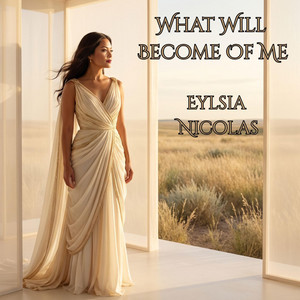
Eylsia’s latest release, “What Will Become of Me,” is a cool pop starter that is built on catchy piano chords and synths. The song’s real strength lies in its honest questions about identity, courage, and what might lie beneath the surface. It is a dialogue with yourself, asking what happens when you stop looking outside and start looking inside.
Eylsia sings about finding courage within herself, a little light on her own, more than any mirror shows. It’s nice not to know, to feel like all the answers don’t have to be figured out today. The song isn’t seeking an ending or trying to resolve the question it is based on.
“What Will Become of Me” centers on the emotional core of self-discovery. The song has a very personal sense of independence, with lyrics about leaving a frame on the wall and not letting anyone else paint the answers in the sky. But Eylsia delivers a contemplative pop moment, with catchy musical elements and a message that leaves the listener with a question that could linger long after the song ends, and the courage at its heart to face the unknown.
Connect with Eylsia on Spotify || Instagram || Facebook || Youtube
Artist Spotlight
Little Quirks expose perfectly timed romance on “Game Boy”
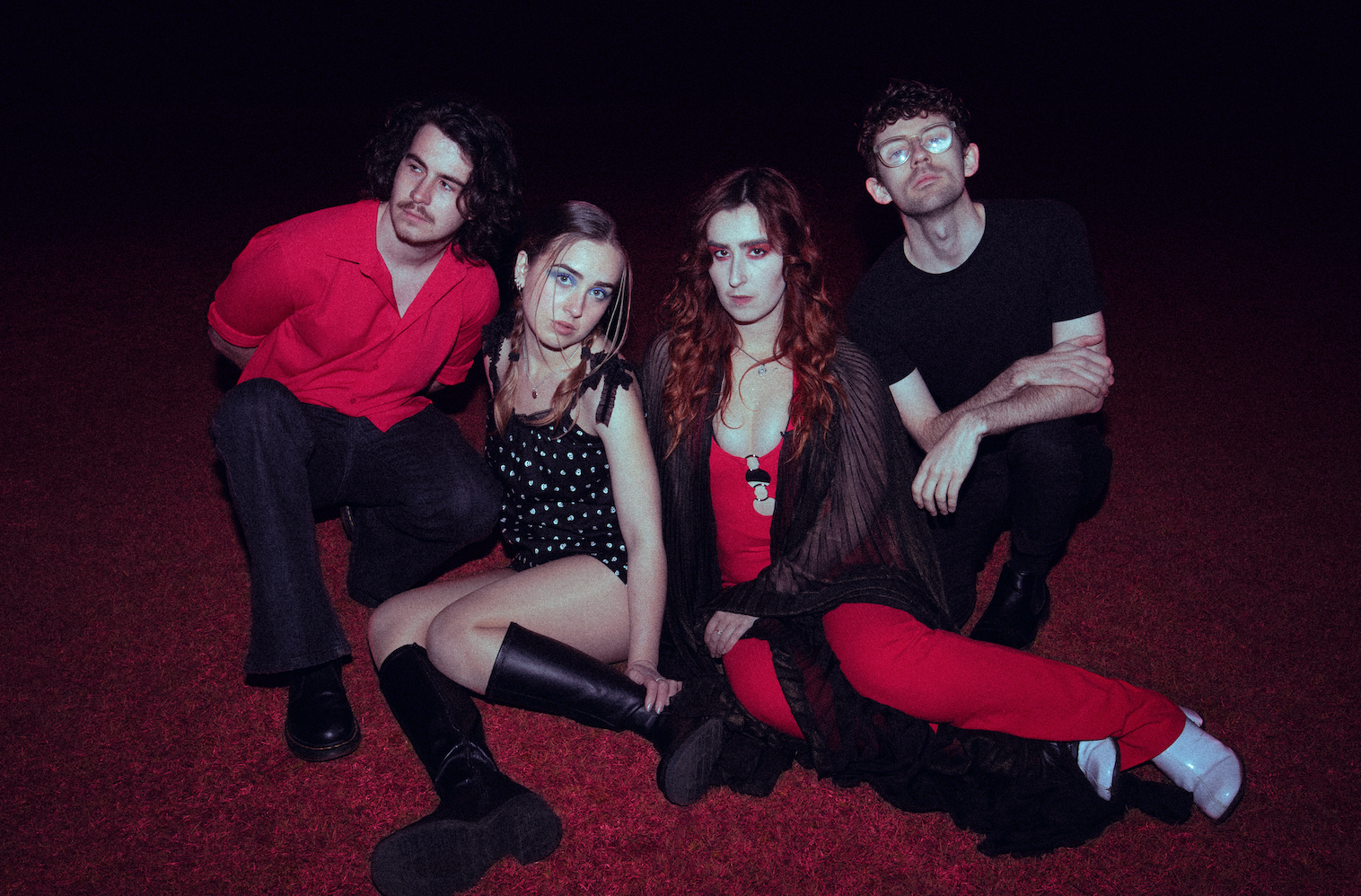
If every move is timed perfectly, romance can feel believable. Shiny charm comes from Little Quirks’ new single, “Game Boy,” which makes it a little more playful and a little more edgy. This is a rock-pop song for the smooth-talking romantic, the one who has all the moves down pat, from flowers on cue to moments that feel a little too cinematic.
This tension fuels the “Gameboy,” and Little Quirks balances an immediate hook with a darker undercurrent. That restlessness is key to the song’s appeal, and it gives the release a sense of constant movement, making its playful attitude active rather than passive. Beneath that happy surface is a smart doubt about romantic performances that are clearly designed to attract people.
“Game Boy” also clearly indicates an artistic shift for the New South Wales band. The track offers another glimpse into a bolder, darker chapter and a glimpse of their upcoming album, “She’s Wild.” Little Quirks never loses sight of the accessible qualities that make pop and rock so immediate, and it expresses the desirable ease of someone who always seems to know what to say or do.
The result is a release built on distinction, playful but pointed, catchy, energetic, and more questioning. “Game Boy” suggests Little Quirks is crafting a space between upbeat musical energy and downbeat emotional concepts. This new music comes from a band that is in a more confident, restless phase of their creative life.
-

 Artist Spotlight6 days ago
Dan Webb finds joy and movement ahead on new single “Thai Basil”
-

 Artist Spotlight6 days ago
Steven Luke explores love, loss, and the cost of connection on “Seasons (to be human)”
-
 Artist Spotlight3 days ago
Max Ceddo captures one-sided communication on latest release “So You Say”
-

 Artist Spotlight3 days ago
“Keep T Moving” shows Meas & Riddie’s fresh approach to house music
-
 Artist Spotlight2 days ago
Captain Iron / Windrift Band turns up the heat with latest release “Salsa Caliente”
-

 Artist Spotlight3 days ago
Erica Whitney enters the emotional ring with latest release “Logic KO”
-

 Artist Spotlight2 days ago
Captain Iron / Windrift Band turns salsa into a celebration with latest release “Viva La Rosa”
-
 Artist Spotlight3 days ago
Jason Jarrett celebrates love, togetherness, and the moment with “Then We Dance”