
Entertainment
Lenny Kravitz’s Unheard Symphony, Rock Icon Calls Out Black Media Snub
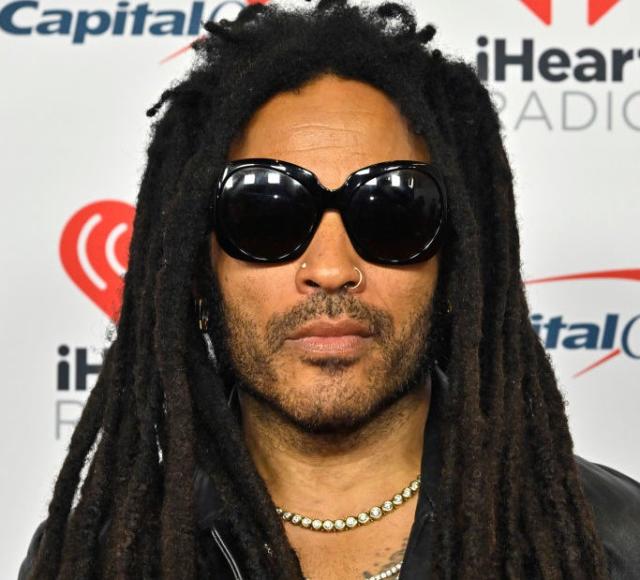
Lenny Kravitz, the powerhouse behind late ’90s and 2000s rock hits, is a prominent figure in his genre. However, he feels that Black media has not recognized his contributions to the music industry. Despite receiving praise from various organizations, Kravitz recently revealed in an exclusive interview cover story that Black platforms like BET or The Source Awards have failed to acknowledge his musical contributions. This has sparked a conversation about recognition and representation in the music industry.
Kravitz expressed his candid disappointment, “To this day, I have not been invited to a BET thing or a Source Awards thing. Here is a Black artist who has reintroduced many Black art forms, broken down barriers—just like those before me. That is positive. And they don’t have anything to say about it?” The absence of such recognition has prompted social media debates, with users speculating on possible reasons and drawing comparisons to other artists’ experiences.
Some discussions have centered on the contrast with artists like Prince, who navigated the rock realm without encountering similar oversights. The debate has also delved into whether rock music is still perceived as a Black art form in the 21st century, considering its historical roots in African American culture. Critics have questioned whether Kravitz’s prolific collaborations with other Black artists have failed to translate into the recognition he deserves.
The discourse has extended to whether Kravitz intentionally courted a white audience, raising questions about the artist’s self-presentation and the evolution of his music. As the industry witnesses an increasing blend of genres, Kravitz’s case serves as a learning example, highlighting the complexities of representation.
While the reasons behind this apparent oversight remain elusive, the ongoing dialogue emphasizes the need for a more inclusive appreciation of artists, especially in a musical landscape where genre boundaries continue to blur. Stay tuned to Honk Magazine for further updates on Lenny Kravitz’s journey in the ever-evolving world of music.

Celebrity
Boosie Badazz Responds to Kewon White’s Claims About Dallas Shooting
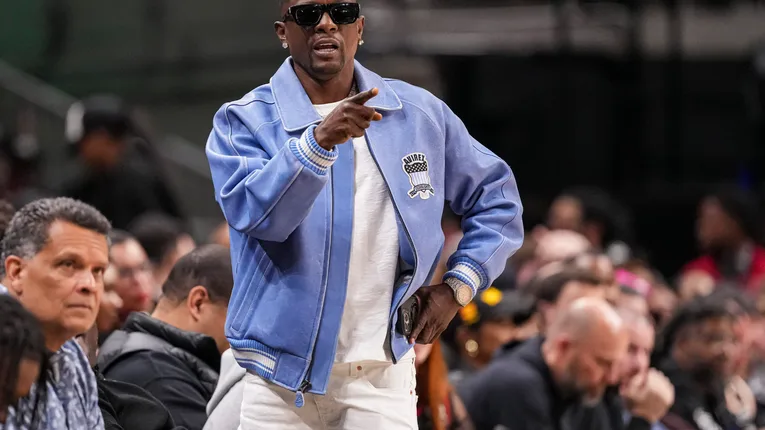
Boosie Badazz is responding after Kewon White, the man recently convicted of killing Mo3, spoke about the 2020 shooting involving the Louisiana rapper and said he had multiple chances to kill him. Speaking from jail during an interview with Cam Capone News, White talked about his problems with Boosie’s behavior on a trip to Dallas after Mo3’s death. White told the rapper he shot at Boosie about 10 times but wasn’t trying to kill him. He claimed he had three opportunities to kill the rapper.
Boosie was shot in the leg in Dallas on November 14, 2020, days after Mo3 was killed and one day after Boosie attended a vigil for his late collaborator. Boosie has taken note of the new comments in part because White is currently appealing his murder conviction. Boosie also questioned why White would go public with information about the shooting while appealing his case.
In a reply on social media, Boosie wondered why White would do that, believing the jailhouse interviews might cause more problems for the convicted killer. He also objected to the decision to explore the particulars of Mo3’s death while trying to appeal the conviction. White was convicted this month of capital murder for shooting Mo3, whose real name was Melvin Noble, on a Dallas highway in 2020. White has filed a notice of appeal since.
Read More: DJ Vlad Challenges Boosie Badazz Over Federal Gun Case
So the timing of White’s comments has become a central part of Boosie’s reaction. Boosie didn’t address White’s allegations regarding the 2020 shooting but did ask why someone challenging a murder conviction would even talk about case details in public interviews.
The case has also included allegations against Yella Beezy. During White’s trial, prosecutors said Beezy paid White to kill Mo3. White has denied receiving any payment from Beezy, and Beezy has denied any involvement in the alleged murder plot.
White’s conviction and subsequent appeal have kept the case in the public conversation, and his recent jail interview added another chapter. His remarks on Boosie also address a violent period following Mo3’s death, during which Boosie traveled to Dallas and was shot. For Boosie, the problem is bigger than what happened in 2020. White’s choice to discuss the shooting while seeking an appeal has caused him to publicly question the strategy behind the interviews and the timing of the disclosures.
Celebrity
DJ Vlad Challenges Boosie Badazz Over Federal Gun Case
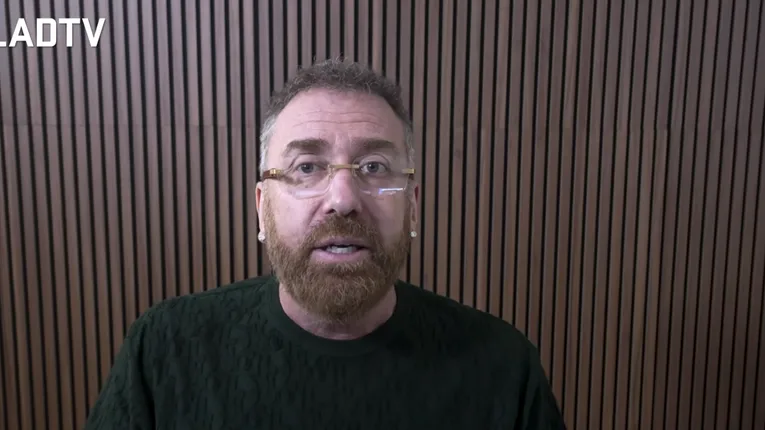
DJ Vlad is taking his beef with Boosie Badazz to the next level, asking whether the rapper’s behavior in his federal gun case matches the anti snitching code he’s long imposed on others in hip hop.
In a new clip for VladTV, Vlad looked back at Boosie’s federal gun case and pointed to court documents he says show the rapper from Baton Rouge shifting blame onto his security guard. Vlad said the paperwork runs counter to Boosie’s long track record of publicly denouncing rappers he believes are snitching to authorities.
The latest row is another sign of an already frayed relationship. Boosie has been one of VladTV’s most frequent interview guests. Still, their relationship has soured over the years over issues involving interview payments, business dealings, and, most recently, Boosie’s push for a presidential pardon.
The pardon controversy has become a major part of the ongoing public beef between the rappers. Boosie reportedly paid $600,000 to two lobbyists, Jack Burkman and Jacob Wohl, to lobby President Donald Trump for a pardon in his federal gun case. When the pardon didn’t come through, Boosie accused them of misleading him and demanded $300,000 back. Burkman and Wohl have denied scamming Boosie, saying they were hired to advocate for him, not to promise a pardon.
Read More: Aubrey O’Day Reacts After Former Diddy Staffers Reportedly Join Usher’s Team
Boosie went on 60 Minutes to discuss the issue, which brought more attention to the situation. He later complained about how the interview was portrayed and released purported messages involving the lobbyists while defending himself against claims his actions were snitching.
Vlad is now using the controversy to call Boosie out on a principle that has been a major talking point in the rapper’s public commentary. Vlad mentioned Boosie’s situation as part of other past hip-hop discussions he’s had with Gunna, Young Thug, T.I., and Gucci Mane.
“The court documents for Boosie’s federal gun case are another point of contention for Vlad. His case hinges on whether the rapper’s alleged remarks about his security guard should be measured by the same yardstick Boosie has used to measure other artists. The charge is particularly noteworthy as Boosie has cultivated a strong public persona against what he considers snitching. With that history, the latest exchange with Vlad is more personal, adding to a complicated fallout between the two.
-
 Artist Spotlight2 days ago
C’batch turns an old guitar performance into a new story with “Our Little Pooh Pea (The Last Light) 4 – Cinematic”
-
 Artist Spotlight5 days ago
“NO MORE” by Amanda Holley connects healing, awakening, and survival
-

 Artist Spotlight3 days ago
Sara Diana follows a wild spirit into the moonlight on latest release “Her Hair’s Like Fire”
-
 Artist Spotlight5 days ago
“Subterranean Homesick Blues” finds a new direction through Ghost of Panama
-

 Artist Spotlight5 days ago
Lisa Jo draws a line under the past with latest release “Done Druggin’ Away the Pain”
-
 Artist Spotlight3 days ago
Tabi Harlowe captures the ache behind attraction with latest release “So Pretty (It Hurts)”
-
 Artist Spotlight3 days ago
Dusty Edinger crackle tension into rock electricity with latest release “We Outshine”
-
 Artist Spotlight5 days ago
Crooner Ed captures a sweet romantic moment on “I Love This View”