
Artist Spotlight
Carl Jones Reveals How A DJ Vlad Sketch Helped Seal His Fate On The Boondocks

The Boondocks wasn’t just any animated show, it became a huge cultural phenomenon. Known for its sharp humor, fearless social commentary, and innovative storytelling, it captured the attention of many. However, behind the scenes, there were some tensions that eventually led to the departure of one of its key producers, Carl Jones. In a recent podcast, he spoke about how a sketch involving DJ Vlad contributed to these challenges. Jones, who worked on the first three seasons of The Boondocks alongside its creator, Aaron McGruder, shared some fascinating insights. Fans may remember the famous episode featuring Usher, which was inspired by Jones’ real life stories.
However, few people knew that a simple animation of DJ Vlad played a significant role in the growing strain between Jones and McGruder. Jones had created an animated portrayal of DJ Vlad and even shared it with him. What seemed like a small creative project was a major tipping point. McGruder wasn’t necessarily upset about the sketch itself but more about what it signified. At that time, Jones was exploring other projects, including an animated series based on Black Dynamite. This shift made McGruder feel like he was losing his collaborator, leading to frustration and a gradual breakdown in their working relationship.
“It kind of unraveled from there,” Jones reflected, noting that the situation with DJ Vlad was more a final straw than the direct cause of their issues. It’s surprising how one small sketch could contribute to a significant change in a creative partnership. Even though it’s tough to hear about behind the scenes struggles of shows we love, Jones’ departure didn’t stop him from making important contributions to animation. The Boondocks remains a legendary series recognized for its audacious and culturally impactful storytelling.

Album Review
Brynja Rán finds clarity in complicated relationships on “Unblurred” [album]
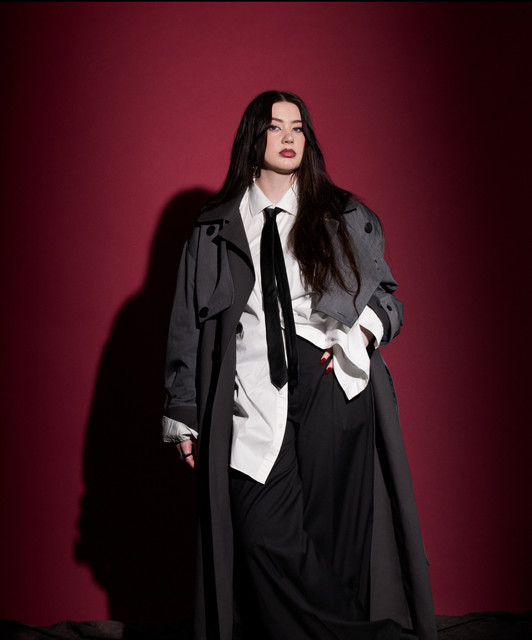
It can be hard to see when a relationship no longer meets your emotional needs, especially when affection, uncertainty, and repeated disappointment are hard to untangle. “Unblurred,” an album built on the bedrock of emotional unavailability, recurring conflict, and the slow dawning that a relationship might need to end, is where Brynja Rán unpacks that difficult process.
The ten songs follow the arc of attachment and frustration, weaving together the story of someone trying to figure out what they deserve. The focus track, “Unblurred Lines,” hits on the album’s central concept. This is when the veils begin to fall, and the person is more ready to see the partner’s behavior for what it is. The song is musically rich, with an acoustic and electric guitar soundscape, synthesizers, bass guitar, drums, and additional instrumentation.
The surrounding songs view the same emotional landscape from different angles. “Cowboy Wannabe” explores a partner masking insecurity with a detached personality, and “Deja Vu” captures the frustration of arguments that go round and round without changing anything. “Adore” is about ignoring red flags when you’re that into something, and “Cherry” is about the temporary comfort of being in a relationship that just isn’t right.
The album opens up by looking at borders and the need for real connection. “Make Me Feel” is about wanting to be loved, and “Until” is about how long you should stay in the twilight zone. “Still Stuck Waiting” captures the frustration of waiting for communication and commitment. “Don’t You Leave” begins with fear of abandonment and moves toward healing, while “What Else” ends the record with emotional exhaustion and a desire to move on.
Rather than treating every experience as a one-off event, the tracklist of “Unblurred” attempts to create a single image of relationship troubles. With this release, Brynja Rán explores unhealthy patterns, boundaries, and getting the clarity to choose a different path.
Album Review
Legends of the Seven Golden Vampires explore healing and personal growth on “The Pumphouse of Broken Dreams” [album]
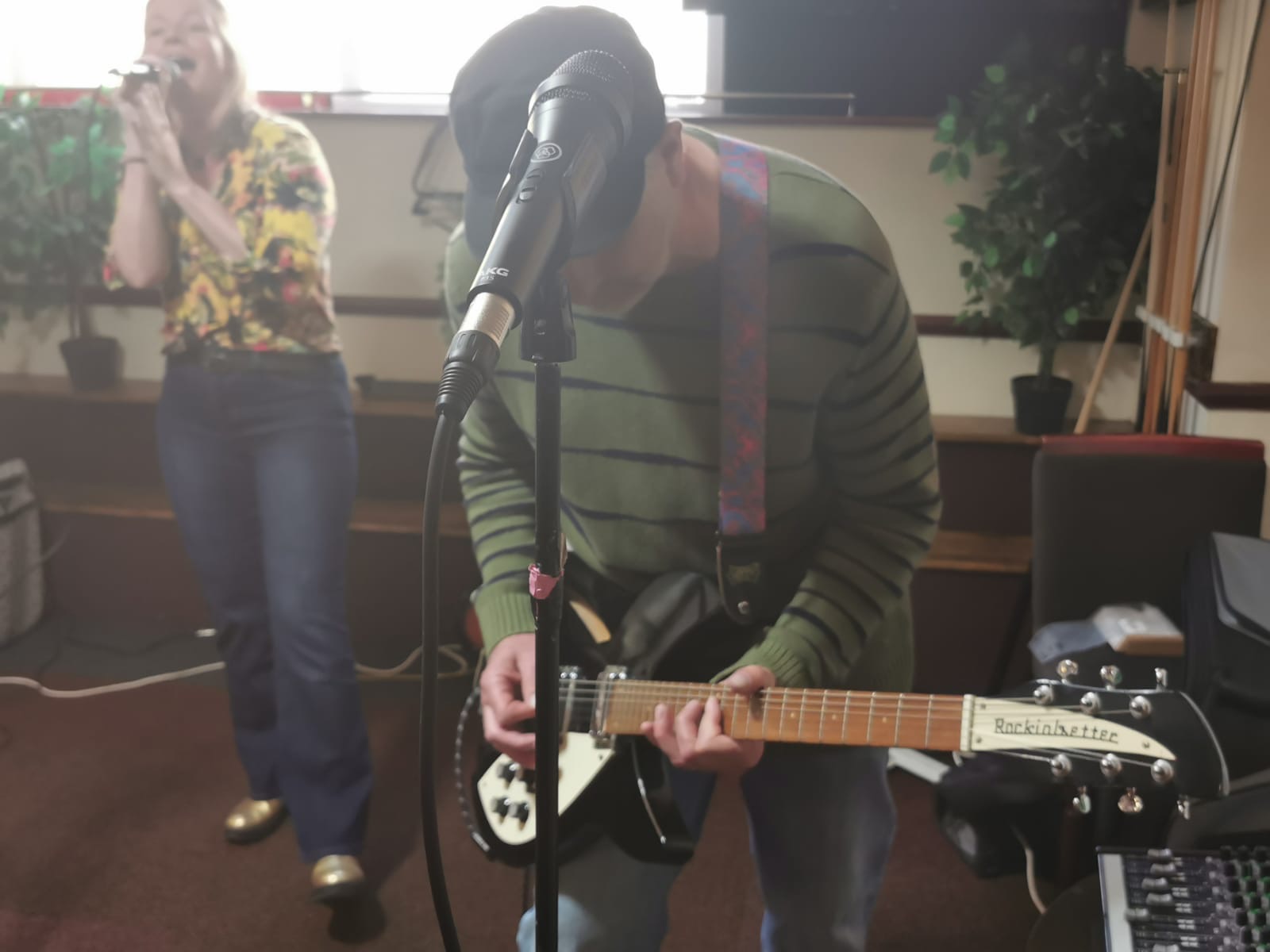
Albums often have a strong sense of identity, with songs linking to a broader emotional and musical direction. The nine-song album “The Pumphouse of Broken Dreams” by Legends of the Seven Golden Vampires, featuring Dutch vocalist Ilse Van Der Linden front and center, is more cohesive.
The band’s melodic psychedelic pop offers a welcome counterpoint to a project that explores recovery, longing, uncertainty, and personal growth. The tracklist is an emotional journey. “To Think, To Heal” starts with the idea of mental healing and moving on from the past. “Flying” is more of an escapist wish to escape the pressures of day-to-day life. “Come Home” is about finding comfort and belonging.
“Here I Am” is about self-awareness and openness. Together, these early songs form an album about finding stability and processing difficult experiences. The middle ground is more emotionally layered. “Hopelessly Devoted To You” is about being attached all the time, and “Lost & Burned” is about being worn out and the results of hard experiences. Then there is “In My Dreams,” which turns into memory and unfulfilled wishes. Later, “AIR” brings the need for freedom, air, space, and a new start.
It ends with “BLEND,” a combination of psychedelic, shoegaze, and electronic influences. The release also includes another visual element from Gareth Halliday, who also worked on Noel Gallagher’s High Flying Birds Who Built The Moon. “The Pumphouse of Broken Dreams” has softer vocals and a range of emotions. This album is deliberately constructed, moving from reflection to acceptance without losing the variety of experiences it tackles.

-
 Artist Spotlight6 days ago
Young Thad F ignores first impressions on latest release “The Way They Look”
-
 Artist Spotlight6 days ago
Ori Dagan brings a timeless attitude on latest release “Why Don’t You Do Right”
-

 Artist Spotlight5 days ago
François Marius pushes lips to feet on the dance-ready on latest release “What You Gonna Do (Radio Edit)”
-
 Artist Spotlight6 days ago
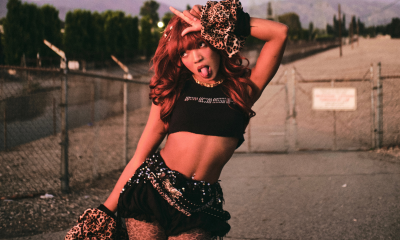
Makhyli sets the rules with bold attitude on latest release “Keep You Waiting”
-
 Artist Spotlight5 days ago
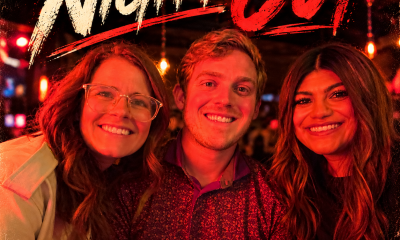
Jason Jarrett creates a country party anthem with latest release “Night Out”
-
 Artist Spotlight6 days ago
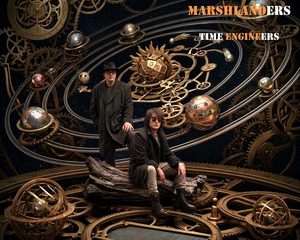
Marshlanders blend metallic blues with raw rock power on latest release “Time Engineers”
-
 Artist Spotlight5 days ago
Metaphoric Mind unveils dark intensity and catchy rhythms on latest release “Jaws”
-
 Artist Spotlight6 days ago
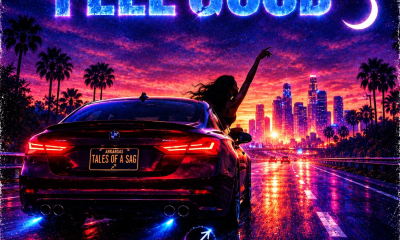
K. Nick mixes smooth R&B with high-energy rap on latest release “FEEL GOOD”