
Artist Spotlight
Geoffrey Dean Captures Fleeting Moments on Jazz-Soaked Single “Came and Went”

The Geoffrey Dean Quartet’s “Came and Went” is a lovely, low-key jazz piece that focuses on mood, space, and emotional nuance. The song is inspired by Miles Davis’s laid-back, expressive style. It sounds like a quiet conversation between musicians who trust the silence as much as the notes.
“Came and Went” is all about feeling, not flash. The trumpet floats with a gentle confidence that doesn’t take over the arrangement. The piano work, on the other hand, gives the track warmth and subtle harmonic movement. The music from both performances makes a soundscape that is reflective, personal, and very human.
The song’s patience is what stands out the most. Instead of rushing to a climax, “Came and Went” lets moments happen naturally, which is what the title means. The melody comes and goes, giving people time to think about their own things. It’s the kind of song that gets better the more you listen to it, revealing new emotional details each time.
It’s clear that the four of them get along well. Every note feels like it was meant to be played that way, thanks to years of playing music and a shared understanding of the emotional heart of jazz. The song has a timeless quality to it that makes it perfect for both late-night listening and focused, attentive listening.
“Came and Went” is Geoffrey Dean’s first single, and it shows how he can honor jazz traditions while still making the music sound fresh and personal. It’s a song that stays with you long after it ends, showing that sometimes the quietest times make the biggest impact.

Artist Spotlight
Lusinate turns viral energy into dancefloor gold with “Bounce for Me”
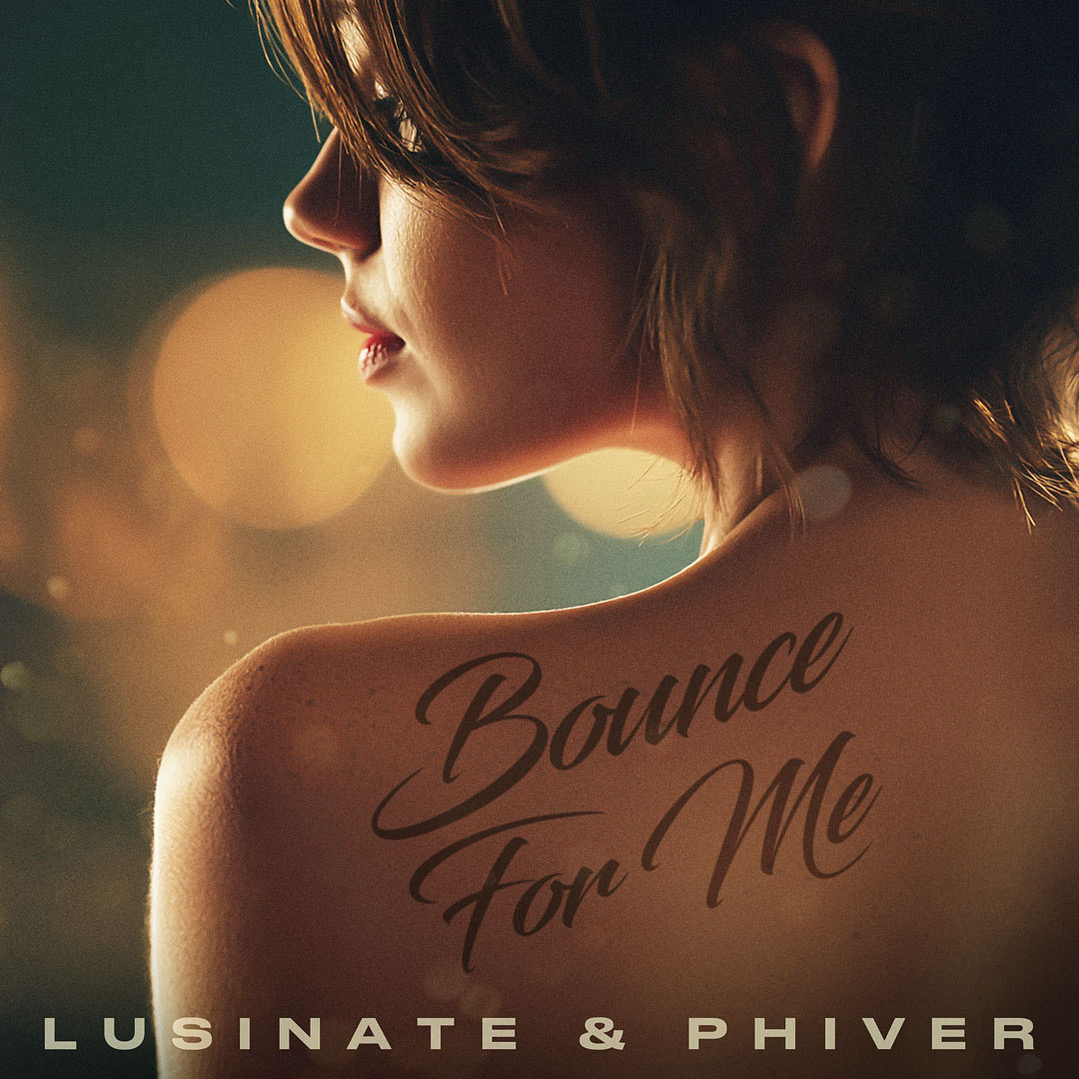
Lusinate’s latest release, “Bounce for Me,” is a track that proves the power of organic momentum and undeniable groove. What began as a simple idea quickly evolved into a full-blown moment, fueled by a viral Instagram preview that drew over 2.4 million views and an overwhelming demand from fans.
That energy translates seamlessly into the final release. “Bounce for Me” pulses with life, driven by a deep bassline, crisp percussion, and a hypnotic vocal that pulls listeners straight into its orbit. It’s the kind of track that doesn’t ask for attention, it commands it.
Lusinate captures that feeling with precision, channeling it into a sound designed for both the dancefloor and intimate moments alike. There’s a subtle playfulness in how the track unfolds, balancing anticipation with release. Lusinate’s own reflection on the track highlights its organic rise, and that authenticity is felt throughout. This isn’t a manufactured hit, it’s a song that found its audience naturally, and grew because people genuinely connected with it.
Artist Spotlight
D. Edge brings a modern twist with new release “TVLK THVT TVLK”
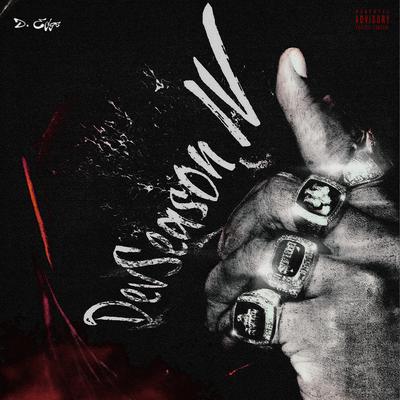
D. Edge’s latest release, “TVLK THVT TVLK,” is a song that makes you remember what bar-driven rap can still do when done with care and personality. The single’s dense lyrics, which are full of layered punchlines and cultural references, make it work without ever feeling too crowded.
Every line has a purpose. D. Edge doesn’t just rap, he builds moments. The anchor part of the song lands on purpose, acting as a reset point that makes you want to listen to it again instead of ending it. This structural awareness is what makes “TVLK THVT TVLK” last.
There are many layers to the listening experience because of the mix of sports references, street commentary, and clever wordplay. Every spin shows something new, like a subtle bar or a rhythmic switch that you didn’t notice the first time.
Connect with D. Edge on Spotify || Instagram || Facebook || Youtube

-

 Artist Spotlight5 days ago
Cries of Redemption tap into raw emotion with “What Lies Beneath” featuring Martina Questa (music video)
-

 Artist Spotlight3 days ago
Hannah Horton uses sound to show kindness with new release “Peace Speak”
-

 Artist Spotlight5 days ago
LeSerge paints a warm new release with “Sweet Stuff”
-

 Artist Spotlight5 days ago
Milyam delivers emotions with a cinematic masterpiece release “Intimacy”
-

 Artist Spotlight5 days ago
Heber Nascimento releases a personal and quietly wide track on “Fumo e Alma.”
-

 Artist Spotlight5 days ago
Mick J. Clark delivers energy and determination on “I Want It More Than You”
-

 Artist Spotlight3 days ago
Captain Iron/Windrift Band turns love into a fun game of chase on new release “PInk Bunny Song””
-

 Artist Spotlight3 days ago
Dam CPH captures fragile love in motion with new release “Paper Boats”