
Music
Hallelujah The Hills’ “Fake Flowers at Sunset” blends folk, disco, and a cautious heart

Hallelujah The Hills is known for taking familiar themes and giving them a surprising twist, and their latest song, “Fake Flowers at Sunset,” does just that. Featuring singer Cassie Berman, this track tells a love story that avoids being overly sentimental. Instead of being mushy, it expresses a deep longing while showing some hesitation. The song blends folk music with a lively disco beat, creating a unique and captivating sound that adds depth to their growing collection of work. With a steady disco rhythm, the song has a playful energy that contrasts with its folk-inspired melodies.
This unexpected mix works wonderfully, echoing the song’s theme about love. Cassie Berman’s voice brings an additional layer of emotion, flowing through the song with a quiet strength that perfectly matches the band’s style. “Fake Flowers at Sunset” avoids typical love song clichés. Hallelujah The Hills offers a more grounded perspective on love. They remind us that love isn’t always straightforward to understand. Sometimes, it’s more like those fake flowers you see at sunset, pretty to look at, but not quite real.
This song also gives us a sneak peek into a larger project called DECK, which has been in the works for over two years. Collaborating with notable artists like Craig Finn, Ezra Furman, and others, DECK promises to deliver a rich and varied experience filled with intriguing stories and sounds. If “Fake Flowers at Sunset” is any indication, listeners can expect an album that defies expectations while being truly captivating. Hallelujah The Hills continues to show that they are not just following the usual paths in music, they are creating their own, one captivating song at a time.


Artist Spotlight
Stephani Ezatoff honors Elvis Presley’s legacy on powerful new single “Run On”

Gospel-rooted music carries emotional weight, especially when it explores the tension between faith, love, and accountability. With “Run On,“ Stephani Ezatoff combines these into a rock version of Elvis Presley’s famous 1967 version of the traditional African American gospel hymn.
Ezatoff doesn’t simply retrace history but surrounds it with a unique atmosphere of powerful vocals and an ever-intensifying arrangement. The single was recorded at the legendary Sound Shop Studio on Music Row in Nashville and has an interesting connection to Elvis Presley’s own recording history. The studio session was located a stone’s throw from RCA’s Studio B, where Elvis recorded his own version of the hymn.
This adds another layer of meaning to an already meaningful release, placing Ezatoff’s take within Nashville’s musical heritage. Aaron Minick’s arrangement plays on the contrast between divine love and judgment, which is central to the track’s identity. The production builds slowly, and the song becomes a dramatic, cinematic experience. Ezatoff also makes a unique contribution by singing all the vocals herself.
The story of how the recording was made adds to the poignancy of “Run On.” This is one of the last releases made at Sound Shop Studio, which hosted artists like Dolly Parton and Brenda Lee, but closed for good just days after the session. For Stephani Ezatoff, “Run On“ is a vital link between generations of musicians preserved in a recording that’s a piece of Nashville history.
Artist Spotlight
Stephanie Porter unveils the admiration and happiness with latest release “He Thinks That I’m Wonderful”
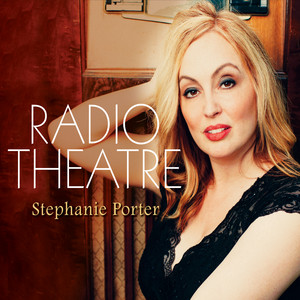
Stephanie Porter‘s latest release, “He Thinks That I’m Wonderful,” is about a romantic relationship that looks good on the outside. Dates, compliments, and things done together all suggest a relationship is going well. Yet beneath that outward affection is a more complex emotional reality. The song creates an interesting contrast in its subject matter, exploring the difference between how someone is perceived by another person and how they feel about themselves.
The song is built on beautiful piano chords, drums, and guitars, creating a clean jazz foundation. A catchy trumpet adds another expressive layer, elevating the emotions as the song develops. The arrangement gives the release a warm musical identity and supports the tension in its story. The track’s blend of jazz instrumentation and personal reflection makes it engaging without losing the emotional complexity at its center.
Stephanie Porter brings that tension into focus with a thoughtful narrative and an arrangement that lets the emotions come through. The result is a jazz record with personality, musical warmth, and a reminder that what you see isn’t always what you get.
Connect with Stephanie Porter on Spotify

-

 Album Review3 days ago
Legends of the Seven Golden Vampires explore healing and personal growth on “The Pumphouse of Broken Dreams” [album]
-

 Artist Spotlight3 days ago
Ricky’s Rebel Rabble honor family and remembrance through “Molly”
-

 Artist Spotlight4 days ago
T1M1 featuring Keybeaux confront artificial creativity with latest release “Hip Slop”
-

 Artist Spotlight3 days ago
for KING & COUNTRY celebrate faith and everyday joy on “the most beautiful colours”
-

 Album Review3 days ago
Brynja Rán finds clarity in complicated relationships on “Unblurred” [album]
-

 Artist Spotlight4 days ago
Lil Bales unveils a love bomb on latest release “Rust”
-

 Artist Spotlight1 day ago
Boy Sim explores heartbreak and self-deception on “Cloud Nine”
-
 Artist Spotlight4 days ago
Terry Ennison examines faith, illusion, death, and transformation on latest release “Testimonial”