
Music
“La Huelga de Tereza” by Una Lengua Infinita turns protest into poetry with a cry for memory
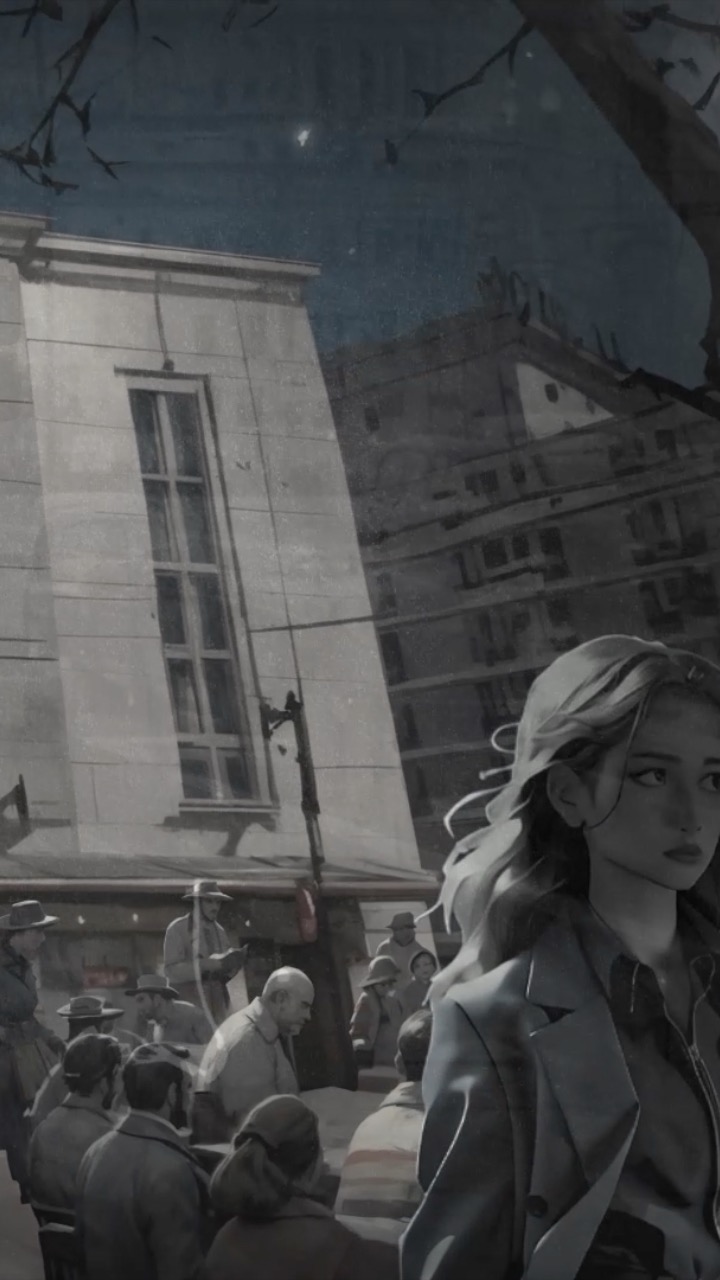
In their new song, “La huelga de Tereza,” Una Lengua Infinita creates a heartfelt tribute to quiet bravery in the face of hardship. The band tells a powerful story without much fanfare, using soft sounds that help convey the experience of one woman’s brave stand against oppression during the final days of Romania’s Ceausescu regime. This isn’t your usual protest song, but something more personal. The song is inspired by Tereza Codotreanu, a woman who worked in a lingerie factory in Iași, Romania, during the late 1980s.
Every day, she took a train to Bucharest not to find work or escape, but to be noticed. Her daily routine became a form of protest, and her silence spoke volumes. “La huelga de Tereza” honors the quiet strength of a woman standing alone. The song has a delicate touch, much like the lace made in the factory where Tereza worked. The simple instruments let the story take center stage, creating an emotional atmosphere that feels both fragile and timeless. There’s a sense of nostalgia, as if walking through a fog of memories. Una Lengua Infinita opts for subtlety over drama, making the moment when the authorities take Tereza’s freedom away hit hard, like a slow-motion punch.
By telling Tereza’s story from Spain today, the band connects different times and places, reminding us that personal experiences are always linked to larger political issues. That history can fade away only if we choose to ignore it. Una Lengua Infinita has created a protest song that whispers instead of shouts, but still resonates louder than many. “La huelga de Tereza” is a tribute and a quiet celebration of a woman who dared to challenge the norm. Una Lengua Infinita shows that language, whether in music or words, can be limitless, especially when it carries the weight of memory and embodies the spirit of resistance.





Artist Spotlight
“Subterranean Homesick Blues” finds a new direction through Ghost of Panama
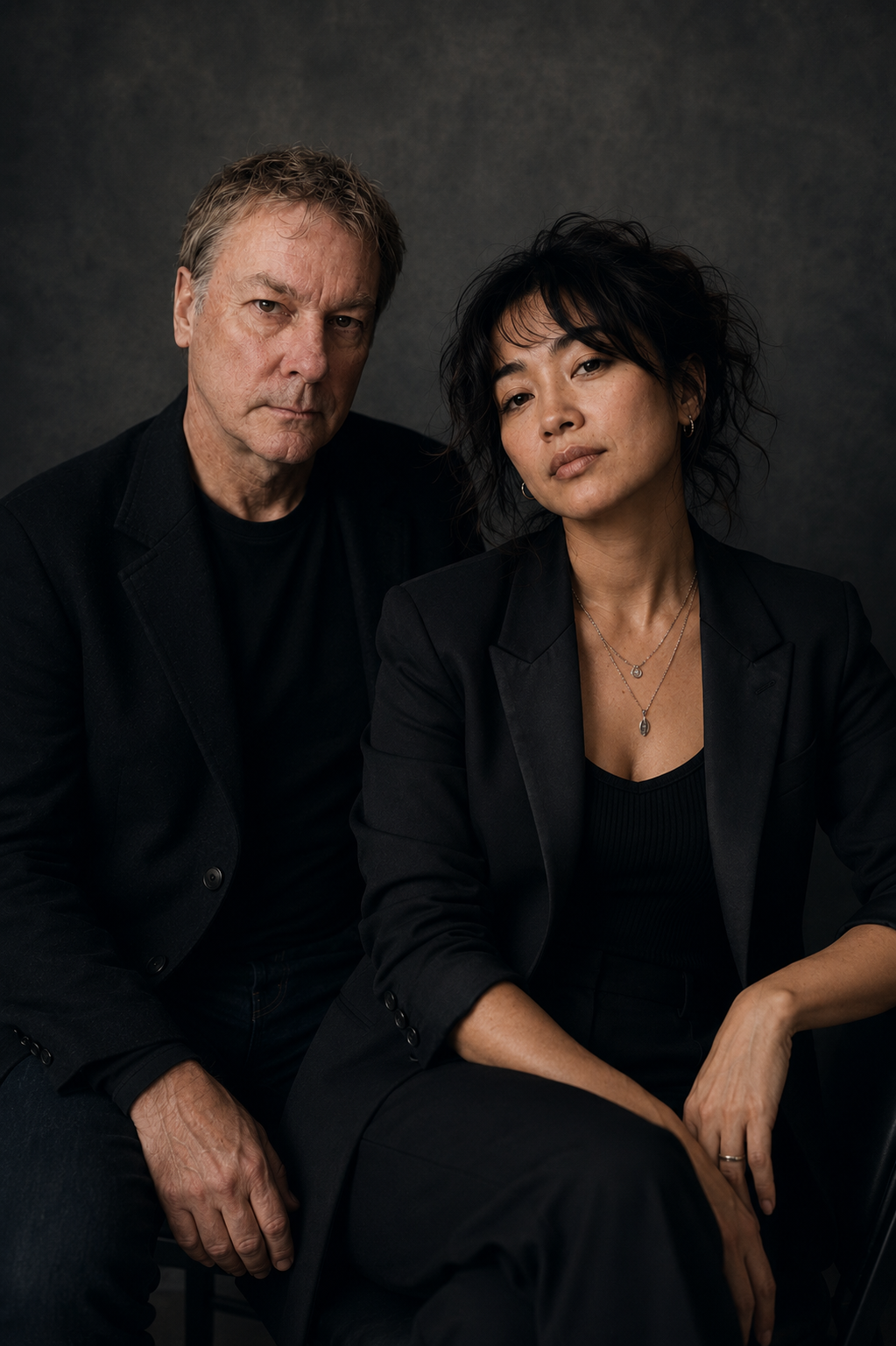
Rearranging a song that carries six decades of cultural weight is a creative challenge, but Ghost of Panama approaches “Subterranean Homesick Blues” with clear purpose. The rock band radically reworks Bob Dylan’s counter-culture hit, reshaping its identity while keeping its rebellious spirit. It’s a tribute to musical heritage and a statement of artistic independence all in one.
This new interpretation is very much shaped by the production, made at Ghost of Panama’s home studio in West London. The setting allows an intimate approach to reinterpreting a familiar song and lets the group engage directly with the material, taking it in a new artistic direction.
“Subterranean Homesick Blues” centers on the tension between conservation and transformation. Ghost of Panama is true to the song’s rebellious spirit without adding to its legacy, and this approach gives the release an adventurous feel, grounded in countercultural energy but driven by a desire to see what the composition can become in a different musical context.
Their version of this 60-year-old classic shows that respecting a song’s history can also mean breaking the rules and finding new ways to express its spirit. Fundamentally, “Subterranean Homesick Blues” presents Ghost of Panama as artists who want to engage with the past without being tied to it. The release’s strongest identity is a familiar heritage reimagined through a singularly forward-looking creative vision.
Artist Spotlight
“NO MORE” by Amanda Holley connects healing, awakening, and survival

“NO MORE“ carries that kind of emotional weight, and some songs feel like they come from lived experience but reach for something bigger. Amanda Holley blends R&B and soul, turning a lifetime of survival into a vision of healing, awakening, and the determination to move beyond what caused the pain.
“NO MORE“ is a healing anthem for people who have gone through bad experiences and reached a place of higher awareness, but it’s also an emotionally charged protest. The duality is introspective and outward-looking at the same time, turning personal survival into a broader declaration that some experiences, conditions, or cycles should end.
Holley had a premonition of the song six months before the world went into global shutdown. In the vocal booth, working out melodies with her collaborators, she pictured people in the streets. Those images were hard to imagine at the time, but subsequent events would make them painfully familiar.
“NO MORE“ is given a particularly contemplative underpinning by the context. The identity of R&B and soul leaves room for emotion. The song’s themes link survival, awakening, resistance, and the need for change. Amanda Holley is an artist using music to process personal endurance and a broader sense of social awakening. It’s got a complicated significance, and its release feels like a glimpse of a moment when personal intuition and public reality collided in an unexpected way.
Photo Credit: Yulia Shusharina

-

 Artist Spotlight6 days ago
iLLLACAT brings sharp bars and catchy production with latest release “Like Dat”
-

 Artist Spotlight6 days ago
Joshua Jamison unveils intimacy and a full rock expression on latest release “Windows”
-

 Artist Spotlight6 days ago
ALPHA CENTAURI blends hip-hop, funk and afrobeat ambition on latest release “The Future Right Now”
-

 Artist Spotlight6 days ago
Emilie Thorsby turns self-belief into a bold musical statement with latest release “Amazing as hell”
-

 Artist Spotlight5 days ago
Amanda Fagan unveils lost love and regret on latest release “Forever Yearn”
-

 Artist Spotlight6 days ago
UNDAUNTED unveils broken memories with latest release “Shattered Echoes”
-

 Artist Spotlight6 days ago
NITESHØRE embraces the long road to progress with “Marathon Mind”
-

 Artist Spotlight13 hours ago
“NO MORE” by Amanda Holley connects healing, awakening, and survival