
Artist Spotlight
Pianist Minna Re Shin presents a new album “Sonate Tableaux”

In collaboration with ombú productions and the Quebec Breast Cancer Foundation, Gallery Gora of Montreal welcomes on June 15th the Canadian pianist Minna Re Shin who will publicly present her most recent multidisciplinary project based on the four-movement work for piano solo by Canadian composer Alain Payette, Sonate Tableaux, which serves as the inspiration for the recording of a digital album and video.
Indulge in the live performance of this dynamic pianist and feel the intense passion and musical poetry that will come to life under her deft fingers. Enjoy the public presentation of the music video which has recently garnered recognition, honours, and distinctions on the international scene, including the Best Classical Music Video Award at the 5th Music Film Festival (Buenos Aires), the Jury Diamond Award for Best Short Music Video at the March 2022 edition of the Europe Film Festival U.K., and the Judge’s Choice Award for Music Video at the 2022 Winter session of the World Premiere Film Awards (Los Angeles). Marvel at the multidisciplinary collaboration among the Canadian female artists who have join forces for the first time in this creative interpretation coloured by the interplay of different art forms (music, painting, dance, and theatre).
With your presence, you will support the Quebec Breast Cancer Foundation in its continuous role in raising awareness and funding for cutting-edge research, groundbreaking innovation, and patient-support programs, and offering hope to breast cancer fighters, survivors, caregivers, and communities.
To purchase tickets for the benefit launch concert event on June 15th, please visit https://pianist-minna-re-shin-launch-concert-june-2022.eventbrite.ca.
The digital album will be available online via CD Baby; please visit www.minnareshin.com/discography/ for updates and direct links to CD Baby for purchase.
Women: Source of Inspiration for the Project
Sonate Tableaux, featuring the musical performance by Minna Re Shin, embraces the theme of beauty, the dynamics of the female body and its movement quality, the empowerment of women, and their role in the art world. Through the prism of her solo piano performance, painter Natalija Jeremic, ballet dancer Catherine Toupin, and mime artist Laurence Castonguay Emery present their interpretations of the Canadian pianist’s rendition of the composer’s work, permitting other women’s voices to be heard through the different art forms featured in the original and multifaceted presentation. The visual musical rendition of the neo-romantic composition interweaves with the imaginative interplay of cinematic applications inspired by the music and the artwork associated with the four movements or “tableaux” of Payette’s piano œuvre.
Minna Re Shin: Pianist and Performing Artist
Winner of numerous prizes in national and international competitions, the Montreal-born pianist of Asian heritage Minna Re Shin has graced the classical music stage with her virtuoso technique, mature artistry, stage personality, and rare sensitivity. This versatile artist has won enthusiasm for her performances of diverse repertoire, including new, lesser familiar works by lesser-known composers who are under-represented on the Canadian and world stage. Here at home and overseas, critics and audiences alike have raved about her performances as “intense,” “inspiring,” and “powerful.” In the words of the legendary Russian pianist Lazar Berman, “Minna Re Shin and her great talent.”
Since her solo début at the age of ten with the Orchestre symphonique de Montréal, this dynamic artist has performed in North America, Europe, Australia, and Asia and has received high praise as recitalist, as chamber pianist, and as soloist in concerts with major orchestras, such as the Orchestre symphonique de Montréal, the Montreal Chamber Orchestra, and the chamber orchestra I Musici de Montréal, and with distinguished conductors like Charles Dutoit, Marc David, and Jacques Lacombe. She has played in many concert series and festivals, including the prestigious International Haydn Festival in Eisenstadt where she made her Austrian début.
Minna Re Shin has also been lauded as a recording artist. Her début CD devoted to Haydn piano sonatas on the ombú productions label has been released to great critical acclaim. Le Journal de Montréal hailed her as a “great performer with great sensitivity and intelligence.” Following the success of this recording, Shin has embarked on a multi-recording project with ombú. Her second solo album, Images & Ballades, which features works by the Canadian composers Alain Payette and Jean Coulthard, was applauded by Paroles et Musique: “the pianist’s interpretation is impeccable; it was as if these two composers had lent her their pen.” Her most recent music album Sonate Tableaux celebrates the world premiere performance of this unknown work, and the complementary performance video marks her début as producer.
For a preview of the video Sonate Tableaux, please visit
www.minnareshin.com/video
To listen to the album Sonate Tableaux, please visit
www.minnareshin.com/media/sonate-tableaux
www.minnareshin.com

Artist Spotlight
“Hell has frozen over” finds Sarina choosing peace over being understood
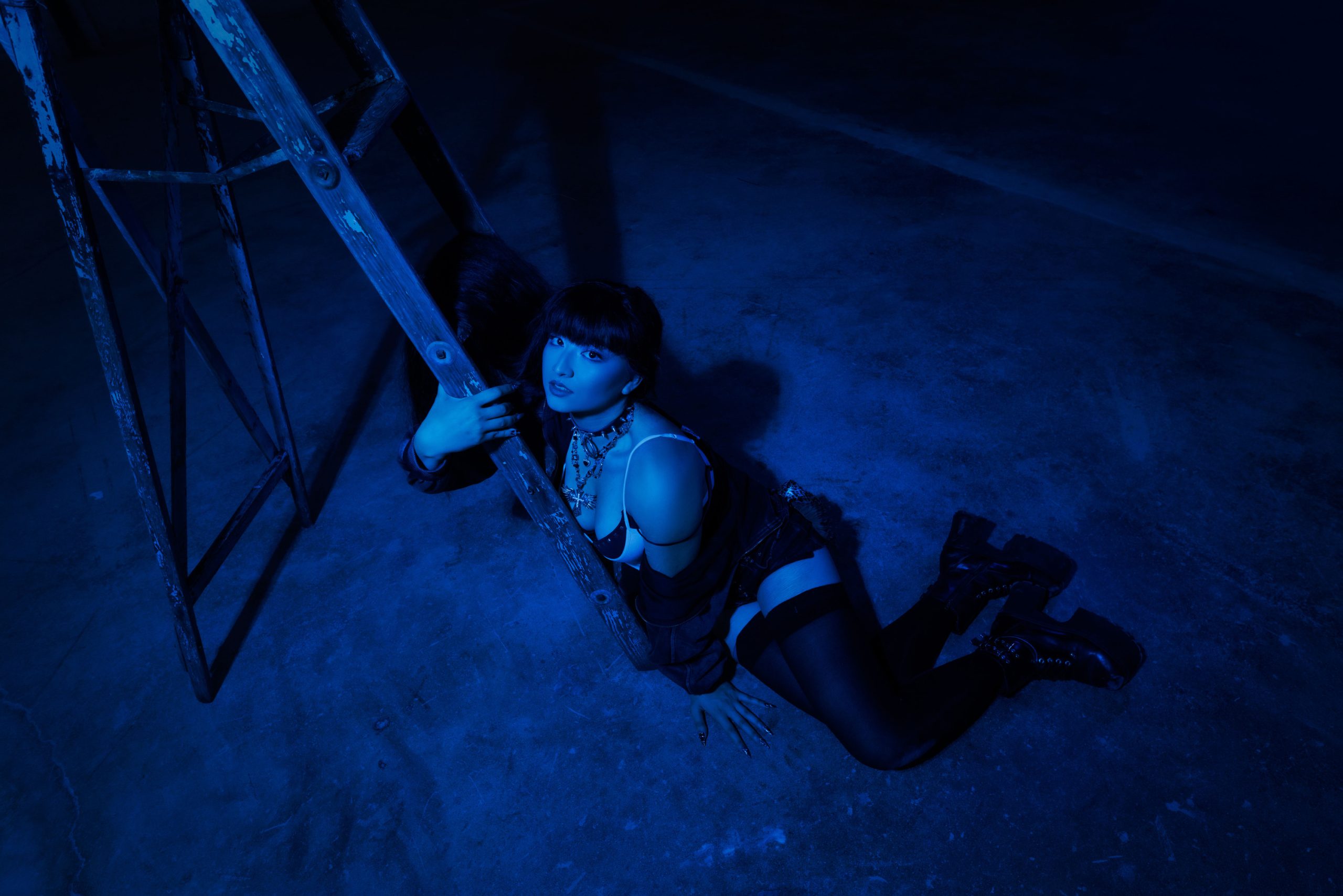
Sarina’s new track, “Hell has frozen over,” explores the less dramatic, more complicated moment of reaching the end of the road, being gaslit, ignored, rejected, and painfully lonely. It translates the emotional burnout into a rock-pop context that’s easy to understand.
“Hell has frozen over” focuses on the decision to step away, instead of explaining, defending, or seeking understanding from people who refuse to listen. The rock foundation gives it the right weight, the pop influence makes it accessible, and the focus stays on the emotional message.
Sarina’s art is the struggle of loss and being strong in yourself. It’s about understanding that protecting your peace is more important than being understood. And that’s the emotional balance that gives the release its character so that the subject matter has relevance beyond a particular circumstance.
“Hell has frozen over“ is a relief from the burden of carrying on a debate that will never be resolved. Sarina turns an experience of isolation into a statement about boundaries, resilience, and the choice not to get caught in the same cycle. The result is a record that’s at its best when it’s being true to what it feels like to finally be free from whatever has been holding you down.
Photo Credit: Andrea Hunter
Artist Spotlight
Girlhood finds summer warmth and quiet freedom on “Lemon Aid”
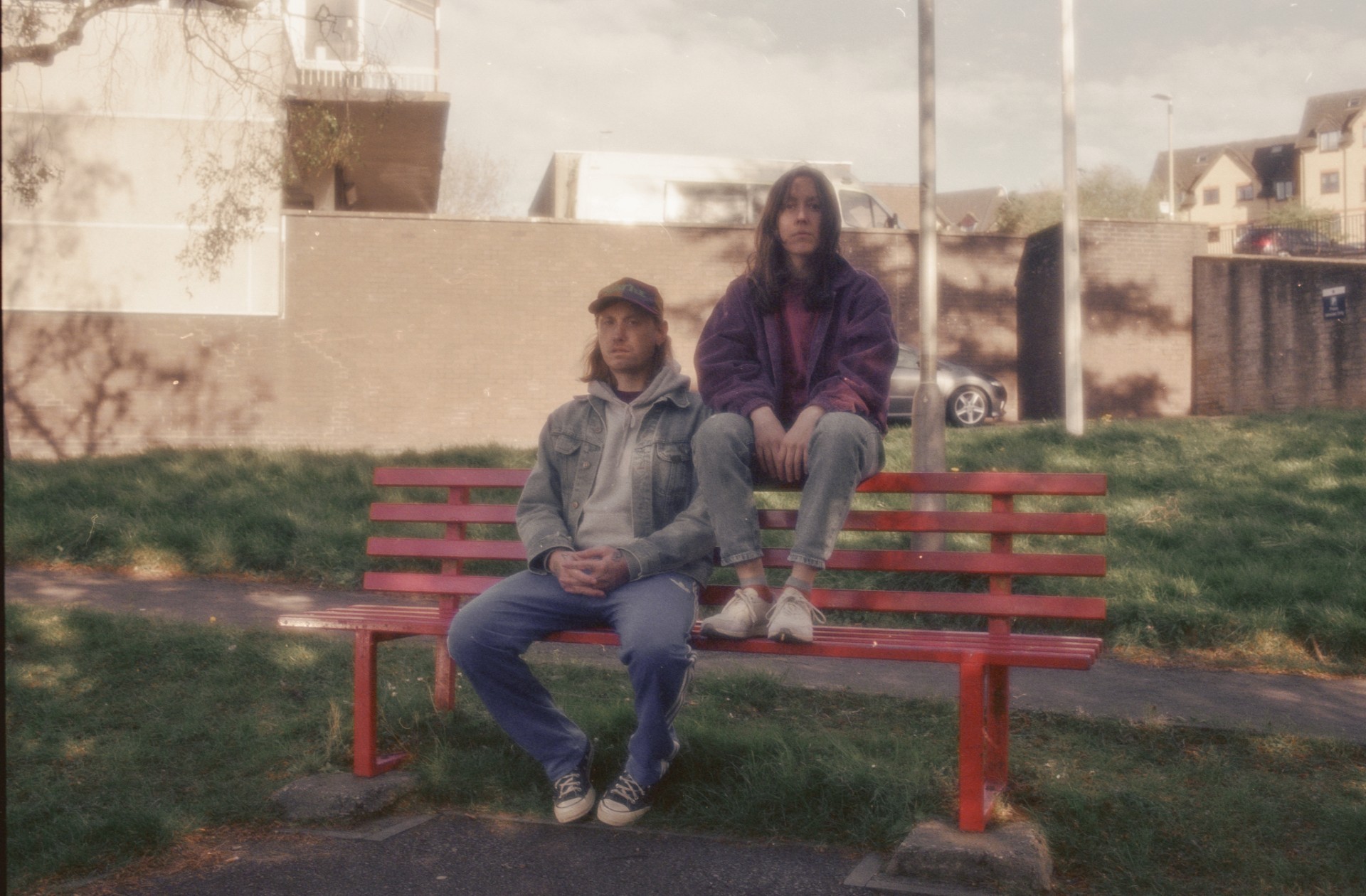
“Lemon Aid“ is a warm indie-pop ballad from Girlhood that finds comfort in the ordinary and weaves in a sense of release. This song is about surrendering to the moment, finding space to breathe, and letting a little lightness back in. This reflective core is surprising, given the warm summer-night feel of the track, hinting at a moment of emotional rebalancing.
Singer-songwriter Natalie Holmes has a tender personality and fronts the slow-burning “Lemon Aid.” The production supports that softness, keeping the song’s gentle mood and intimate direction front and center. Beneath the comfort is a thoughtful examination of pressure, transition, and the need to pause.
The song’s link to the streets of Stroud offers yet another layer of art to the work. Familiar places can mean something when life feels uncertain, and the emotional scene involves storefronts, parks, cafes, and leafy, winding streets. “Lemon Aid“ searches for beauty in everyday places and rituals, finding still moments that mean something without getting carried away.
The track is the first release of Girlhood’s forthcoming album, “This Will Make Sense In The End,” a more reflective chapter with hope at its heart. “Lemon Aid” is about softness, conjuring a space where dancing, wandering, and just existing can feel like a cure. It’s an unleashing of small observations and soft emotional movement and a clear indication of the thoughtful direction that Girlhood is heading next.

-

 Artist Spotlight1 day ago
C’batch turns an old guitar performance into a new story with “Our Little Pooh Pea (The Last Light) 4 – Cinematic”
-

 Artist Spotlight4 days ago
“NO MORE” by Amanda Holley connects healing, awakening, and survival
-
 Artist Spotlight4 days ago
“Subterranean Homesick Blues” finds a new direction through Ghost of Panama
-

 Artist Spotlight3 days ago
Sara Diana follows a wild spirit into the moonlight on latest release “Her Hair’s Like Fire”
-

 Artist Spotlight4 days ago
Lisa Jo draws a line under the past with latest release “Done Druggin’ Away the Pain”
-
 Artist Spotlight3 days ago
Tabi Harlowe captures the ache behind attraction with latest release “So Pretty (It Hurts)”
-

 Artist Spotlight3 days ago
Dusty Edinger crackle tension into rock electricity with latest release “We Outshine”
-

 Artist Spotlight4 days ago
Crooner Ed captures a sweet romantic moment on “I Love This View”