
Artist Spotlight
The Veldt Release New Album
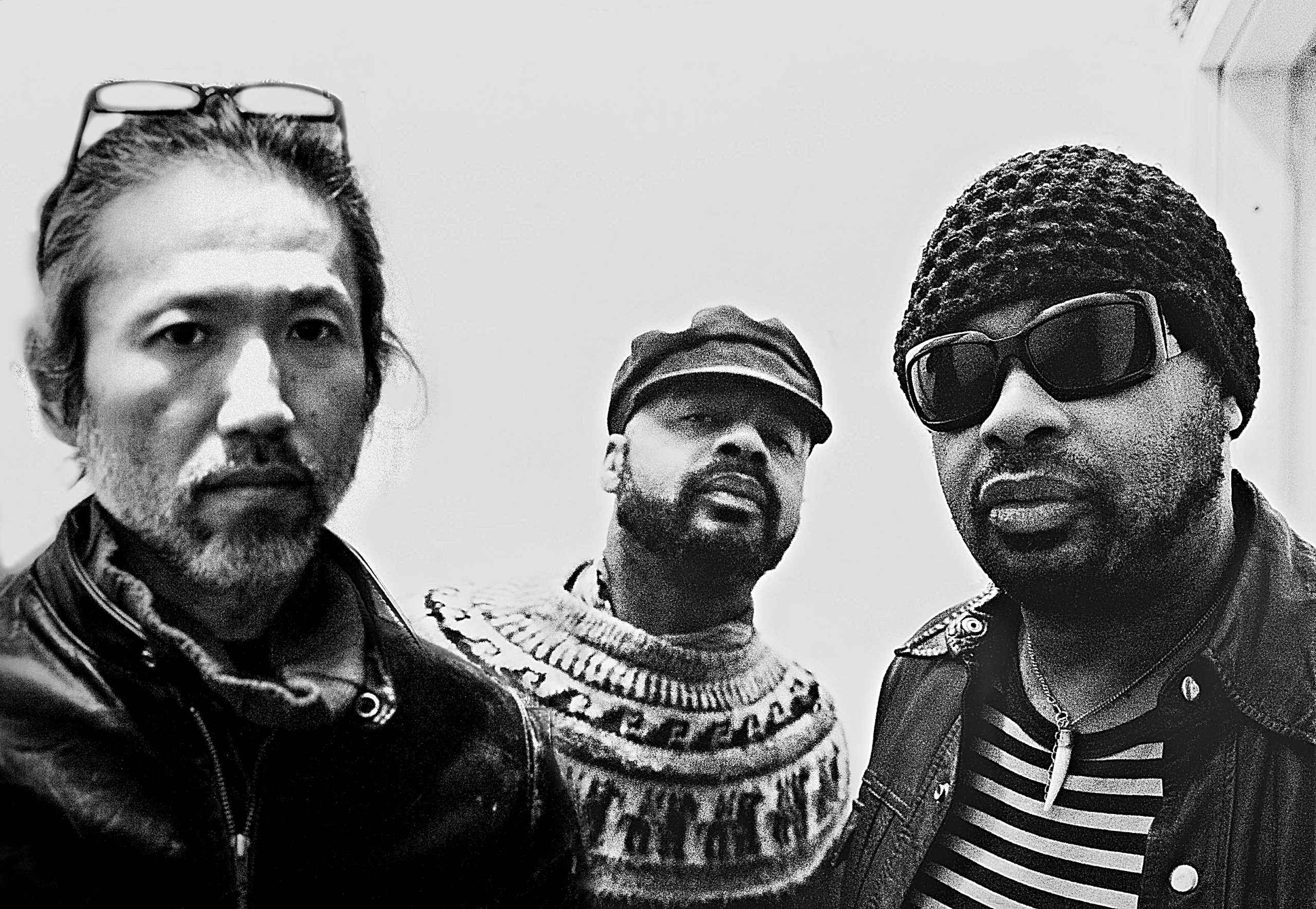
In a single glance, you probably wouldn’t be able to tell that The Veldt is a rock outfit working out of the underground rather than the mainstream – their music has all the trappings of something elite and polished to the finest of details, right down to the contemporary indie influences that so many legendary artists in the genre have been embracing in a bid to keep up with the rising interest in post-punk acts. In the bones of their composing, we can find traces of everything from the shoegaze of old to first-gen noise music, and although this can be said of a lot of players in the domestic underground, The Veldt’s album Entropy is the Mainline to God might be one of the first instances of a modern alternative release garnering the level of attention it has in this era of new waves within a once insular scene.
BANDCAMP: https://theveldtmusic.bandcamp.com/
“Check Out Your Mind,” “New Blood,” “Slave Ship Serenade,” and “Red Flagz” are more harmony-focused than some of the other material on the album, but there isn’t a single track included in Entropy is the Mainline to God that doesn’t feature a mood as the centerpiece of the song. Whether they’re putting everything on the line in metaphorical carnage ala “Requiem for Emmett Till” or getting a little more multi-interpretive and specifically enigmatic with “Sweeter” and “Electric Revolution,” you don’t have to be a professional critic to recognize just how much of a personal investment The Veldt so clearly has in everything they’re singing about in this full-length release; perhaps even more so than we’ve seen in the past thirty years of their output.
I like the instrumental play in “Walk With the Spirits,” “Get Away (Interpolation),” and “New Blood,” and while it’s more of an understated component of the catharsis in “Soul Power,” it’s always a very provocative point of allure in Entropy is the Mainline to God. I get the impression from The Veldt that they don’t want to be regarded in the same light so many of their one-dimensional rivals in the underground have been in the indie press; had this not been the case, I don’t think they would have taken as intellectual a route when structuring the best moments in their new album. There’s an appreciation for intricacy here that is anything but commonplace, anywhere in the industry, and it could play a big part in bringing this act the kind of spotlight they’ve spent so many years earning.
The Veldt drops a fine new LP in Entropy is the Mainline to God that lives up to every bit of the hype it’s attracted on both sides of the pond this year, and while I wouldn’t say it’s the only rock record you should listen to before 2023 is over, there aren’t many that have the sort of compositional versatility its tracklist boasts in spades. Entropy is the Mainline to God has the framework of an alternative rock record but the cosmetic polish of an indie pop affair, and when married together, these two factors produce something that is uniquely The Veldt.
Sebastian Cole








Artist Spotlight
Bash Co. examines emotional imprisonment and love on “Dungeon”

Love is often seen as freedom, connection, and emotional release, and in the single “Dungeon,” Bash Co. takes a more complex look at reality, exploring what happens when an emotion becomes a prison. The song has been described as a darker take on “Velvet” and is part of an artistic duality between opposing emotional states. “Dungeon” explores being trapped by feelings that should otherwise bring freedom.
The song tells a story of emotional entrapment, fractured communication, and a broken inner state. Bash Co. examines how difficult it can be to shake attachment and emotional intensity. This picture fits with the song’s theme of pain and imprisonment.
The recording process also unexpectedly influenced the final direction. “Dungeon” was written on an acoustic octave guitar, inspired by a series of technical setbacks that helped Bash Co. hone in on the mood he was seeking. Those struggles could’ve thrown him off his game, but instead he used the experience to get closer to the suffocating character that the song’s lyrical concept demanded.
This is especially relevant to the release’s identity. The emotional side is also offered as a philosophical exploration, not as personal history. “Dungeon” would suit “Velvet” much better, and the two pieces explore the dichotomy between emotional freedom and constraint, providing a wider context for Bash Co.’s creative direction. The two releases are divided by a study of how the same emotional terrain can lead to very different experiences.
Album Review
Girlhood find clarity in complicated connections with “This Will Make Sense In The End” (album)
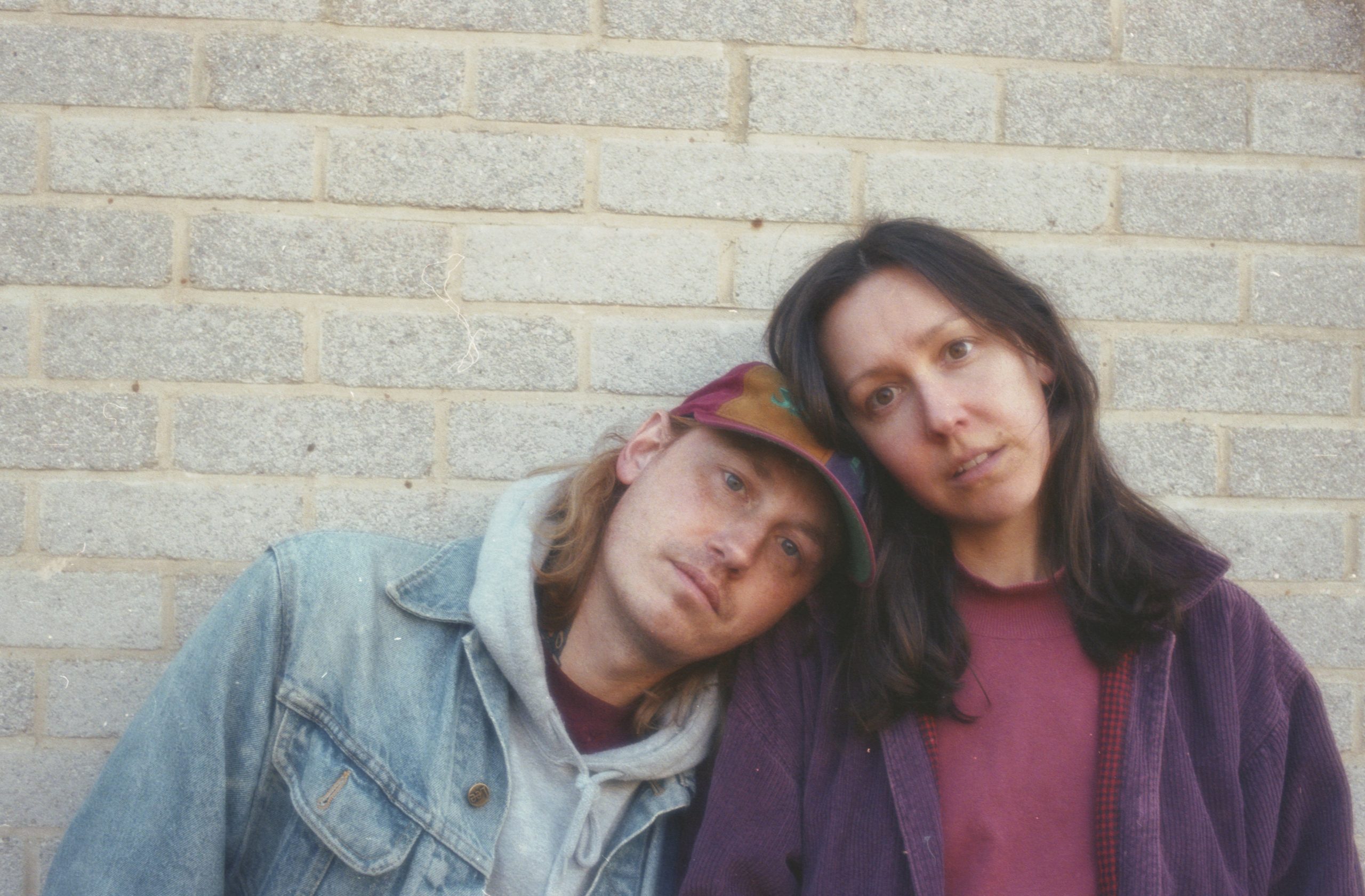
Relationships are an emotional contradiction, and Girlhood’s fourth album, “This Will Make Sense In The End,” navigates the contradictions of love, attraction, disappointment, and personal growth. Singer-songwriter Natalie Holmes has delivered a pop album that explores that line between wanting to connect and knowing when to protect yourself.
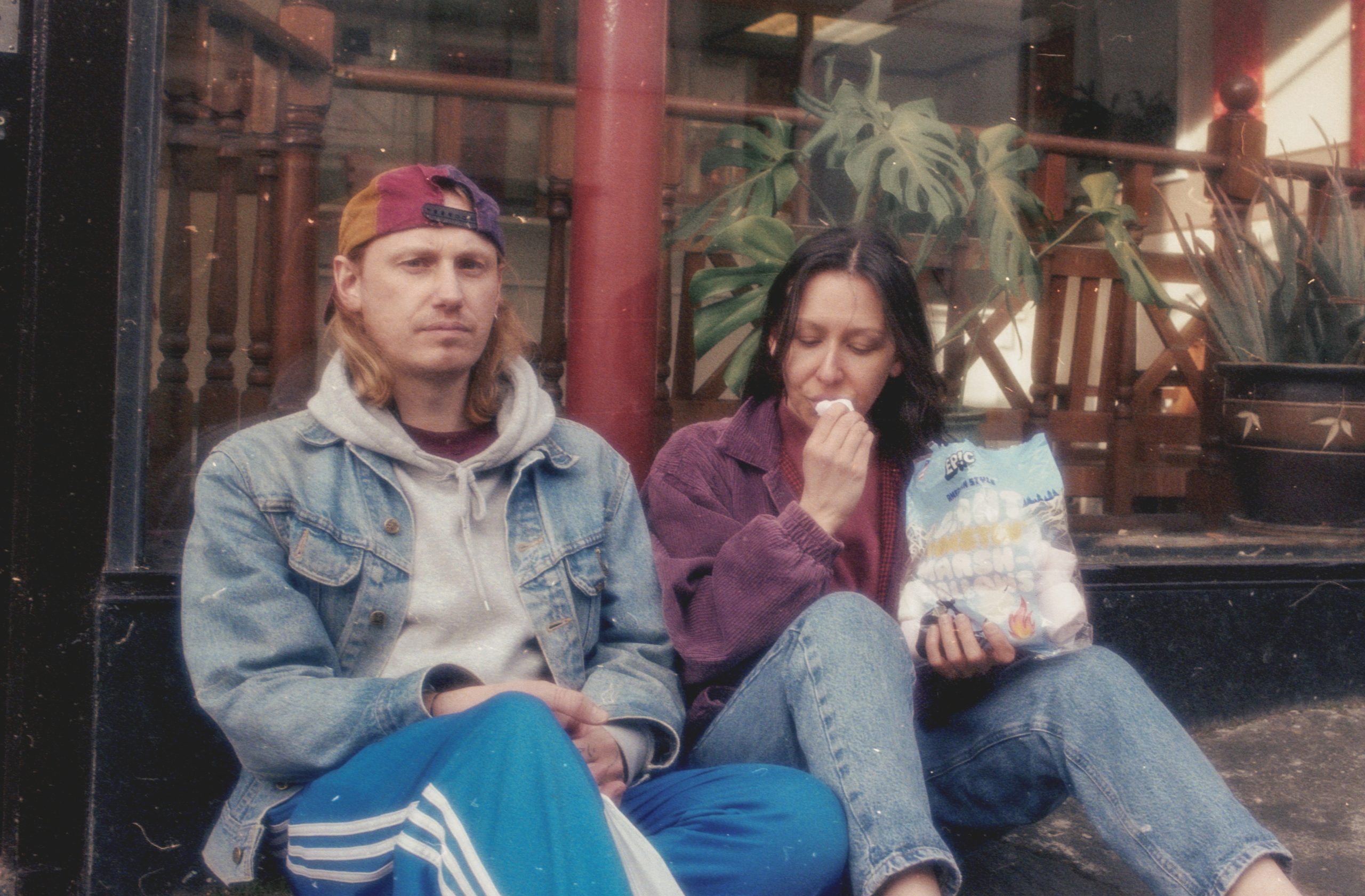
The album’s ten tracks provide a thoughtful exploration of relationships with food, often as a metaphor for emotional hunger, control, intimacy, and the desire to feel whole. It’s an album that’s about exploring uncomfortable relationship dynamics while keeping personal discovery in sight. It starts with “It Could Be Worse,” and it’s about the exhaustion and bitterness of an unbalanced relationship. It’s about the slow realization that wanting more isn’t unreasonable.

The lead single “Lemon Aid” is an intriguing balance of external playfulness and internal frustration, and it is all the brighter for the emotional pressure. “Picnic” takes a generally happy setting and uses it to explore the negotiations and power dynamics that can lurk just beneath the surface of a relationship. Attraction is also explored on the album, and the difficult area of physical desire as opposed to a real emotional connection.
“Cracked” is about the intoxicating allure of a toxic situationship and owning your confidence and sensuality. “Island to Island” also explores the confusion that can happen when physical chemistry feels like the start of something deeper. “Straight at the Bar” is about wanting to be accepted for who you are, not for who someone else wants you to be. “Silver Lining” touches on both mental and physical health, while “Born Hungry” pays tribute to life’s opportunities and the need to let go of toxic attachments.
The final song, “Wouldn’t Change a Thing,” is reflective, taking the record into a space of self-love, acceptance, and appreciation for one’s past. “This Will Make Sense In The End” is defined by the tension between desire and control. Girlhood is about finding perfect love and learning not to lose yourself in the search.

-

 Artist Spotlight7 days ago
Stephani Ezatoff honors Elvis Presley’s legacy on powerful new single “Run On”
-

 Artist Spotlight7 days ago
Alwyn Morrison explores betrayal, judgment, and survival on new EP “Trial”
-

 Artist Spotlight7 days ago
Stephanie Porter unveils the admiration and happiness with latest release “He Thinks That I’m Wonderful”
-

 Artist Spotlight7 days ago
Fanny Alexandra explores emotional recovery and self-discovery on “Ceasefire”
-

 Artist Spotlight3 days ago
Séhkou unveils a beautiful connection between faith and intimacy on latest release “Song of Songs 1:3-4 (I Know)”
-

 Artist Spotlight7 days ago
Kay Onishi drops dark synth-trap banger on latest release “30 SECOND RULING”
-

 Artist Spotlight3 days ago
Alias Wayne celebrates the beauty of genuine affection on latest release “Tribute”
-

 Artist Spotlight3 days ago
GMG_Grizz brings melodic rap and undeniable attitude on latest release “Something Slight”