
Artist Spotlight
Giuseppe Cucè breathes where others rush with latest album “21 grammi”
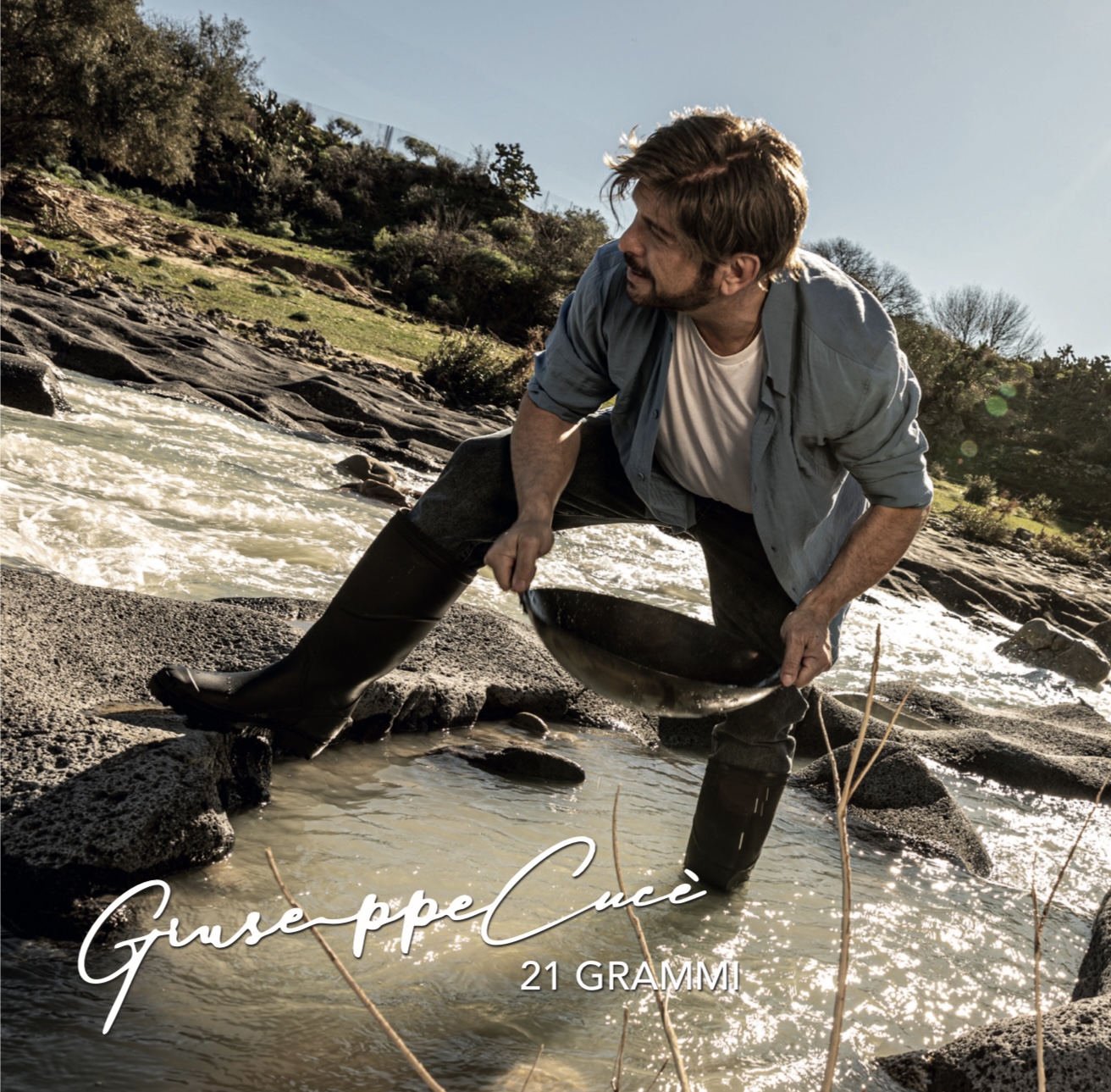
Giuseppe Cucè’s newest work, “21 grammi,” seems revolutionary for being so calm. It’s a single lens on identity, disruption, and renewal. Cucè takes listeners to a place where melody and silence are equally important, and “21 grammi” is the soul’s fragile, intangible essence. The album features a range of styles, including introspective alternative singer-songwriter and cinematic pop. This music comes from the Mediterranean. The sound space is both bright and dark, with warm chord progressions, orchestral crescendos, and ballads with a Latin influence. The strings make things tense, the piano melodies are planned and controlled, and the occasional use of the Hammond organ gives the songs a gospel-like feel.
There aren’t many electronic parts in the production, which makes the warmth of analog sound and the flaws of people stand out. “La mia dea” and “Una notte infinita” are two songs that build like scenes from a movie, with a slow, atmospheric, and emotionally demanding pace. Cucè’s singing is very personal and honest. Instead of being flashy, it focuses on being subtle. He doesn’t shout to get attention, he talks to the other person and expects them to understand.
What sets “21 grammi” apart is its dedication to the album format. In a world where singles are the main focus, Cucè has made a story structure that keeps you interested from start to finish. Separation, truth, and change are not separate feelings, they are all parts of the same story. The record doesn’t try to make the idea of algorithmic immediacy work, it seeks to sustain resonance over time. Hooks don’t blow up, they stay the same.
There is also a quiet way to be defiant. Cucè stands out from the overly polished sound of modern pop music by using orchestral arrangements and real instruments. The result is both real and like a movie, poetic and easy to understand. The album looks less like a product and more like a passage, or a record of change. In the end, you don’t need to worry about “21 grammi.” It gets it slowly, through writing that is complicated and honest about feelings. Cucè has done something very rare, people judge his work by what it means, not how long it is.
Connect with Giuseppe Cucè on Spotify || Facebook || Instagram



Artist Spotlight
Steven Luke explores love, loss, and the cost of connection on “Seasons (to be human)”
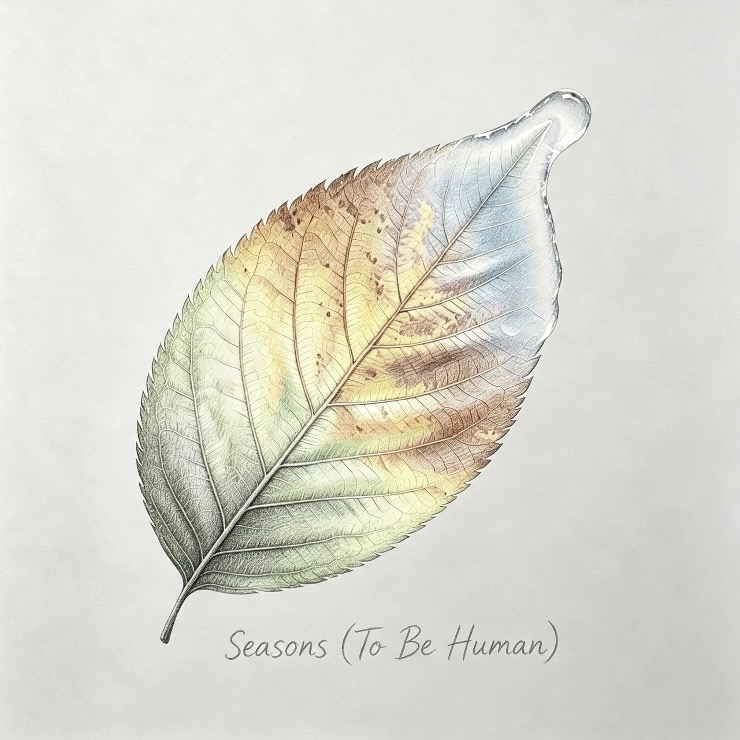
Life is rarely linear, and Steven Luke’s new release, “Seasons (to be human),” accepts that with the reflective weight of an atmospheric alternative rock ballad. The song is built on organic, unfiltered musicianship and a dramatic live cello performance. It examines the highs and lows that make us human.
“Seasons (to be human)” meditates on love, loss, connection, and the emotional toll of moving through life. The poetic writing uses images of snow and cold to describe times when it’s hard to understand another person or even yourself. It’s a sweet take on the song because connection can be very meaningful, but it can also have its own challenges.
It’s the kind of production that’s cinematic but stays in the grand tradition of classic rock balladry. The live cello adds a big, expressive feel to the arrangement, bringing emotional weight while keeping the song’s organic feel. The song creates an emotional space through its sweeping motion, so it feels intimate in subject matter but still reaches for something bigger.
Steven Luke’s vocals suit the song’s style, carrying the themes’ emotional energy without overwhelming them. “Seasons (to be human)“ is a portrait of life in motion, of its warmth and its colder stretches, and all that happens in between. Steven Luke takes those distinctions and makes an organic, cinematic rock statement, with a decidedly human heart.
Artist Spotlight
Dan Webb finds joy and movement ahead on new single “Thai Basil”

“Thai Basil“ is a refreshing change of pace. This new release from Dan Webb is a funk, jazz, and electronic track that trades the heavier subject matter of his recent singles for something much more immediate. It’s a party that celebrates life and the present moment. The track is the first single from his forthcoming fifth album, “Lion Dance,” and draws on Southeast Asian flavors.
The heart of “Thai Basil“ is a stacked horn chart played by Ron Blake and James King, both of whom are in The Rolling Stones’ horn section and also played on Hackney Diamonds and Foreign Tongues. This gives the track a strong brass-led identity, and the horns become a defining part of its musical character. The arrangement suggests a sound meant for movement and energy.
The album’s previous singles have delved into Taoist philosophy, Buddhist tradition, loss, displacement, self-identity and reinvention. “Thai Basil“ breaks from those weightier subjects but keeps the album’s sense of artistic discovery. It’s about presence, pleasure, and the simple fact of being alive.
“Thai Basil“ is more playful and celebratory, never settling into one emotional space, and pulls from a unique array of jazz, funk, and electronic influences. What is released expands the image of what “Lion Dance” can be, showing it can be not just a journey through identity and change, but a journey that can be welcoming and simply happy.

-
 Artist Spotlight5 days ago
NAY PORTTELA bridges folk traditions and new expression on latest release “Don’t Wake Me”
-

 Artist Spotlight5 days ago
Emme Rain makes ambition unmistakable on latest release “Up Next”
-

 Artist Spotlight5 days ago
MomoBaby turns contrasting voices into shared purpose on latest release “That’s Our Job”
-

 Artist Spotlight5 days ago
Ellis B. unveils an effortless groove on latest release “So Smooth”
-

 Artist Spotlight3 days ago
TaniA Kyllikki creates a powerful message of equality through “HUMAN”
-

 Artist Spotlight5 days ago
Murph Law puts survival behind the hustle on latest release “Do It For The Money”
-

 Artist Spotlight3 days ago
“Sing-Along Songs (Album Version)” finds new energy for Arn-Identified Flying Objects and Alien Friends
-

 Artist Spotlight3 days ago
TheBadToddler speaks through desire and rhythm on latest release “Body Language”