
Artist Spotlight
The Veldt Release New Album
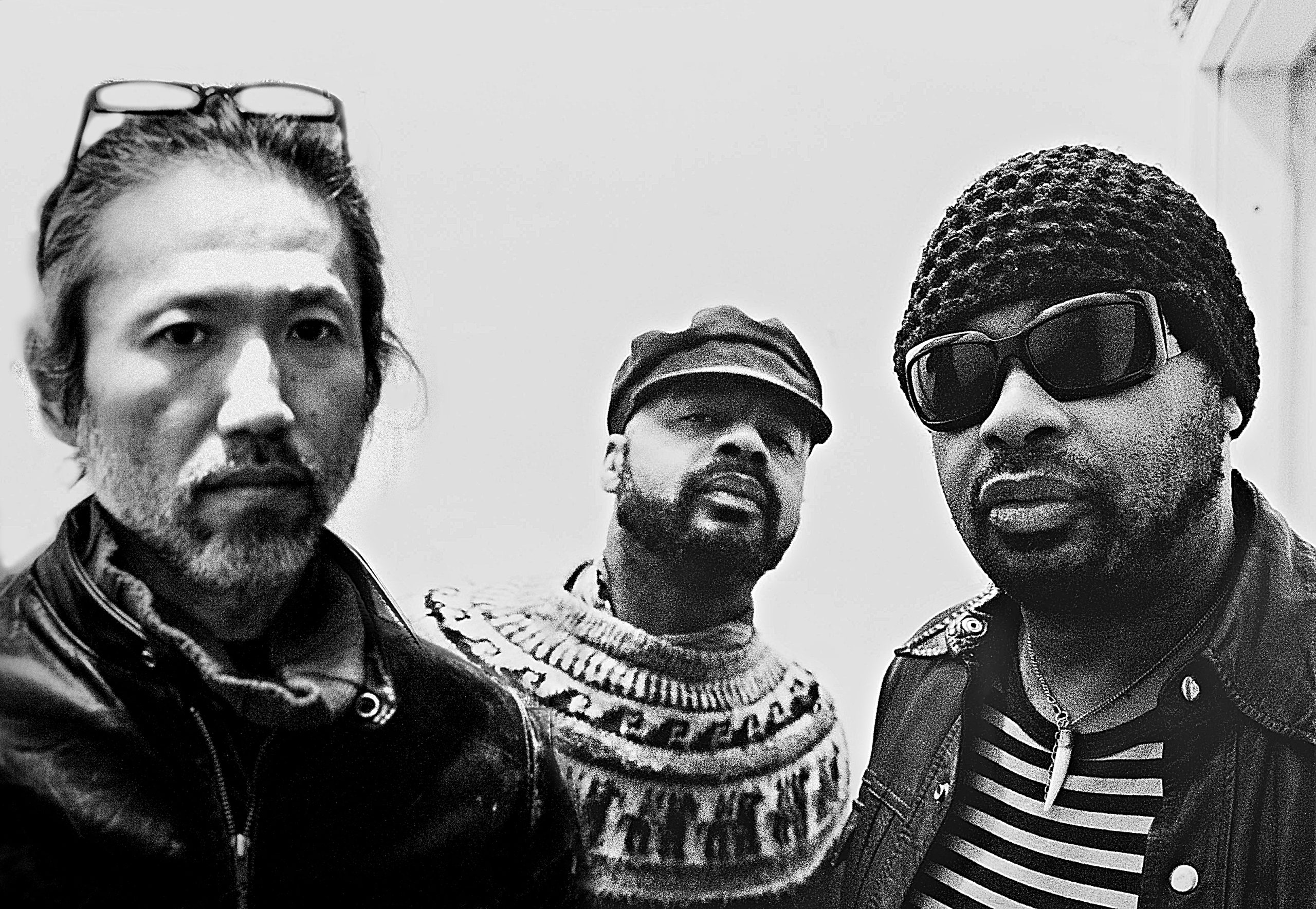
In a single glance, you probably wouldn’t be able to tell that The Veldt is a rock outfit working out of the underground rather than the mainstream – their music has all the trappings of something elite and polished to the finest of details, right down to the contemporary indie influences that so many legendary artists in the genre have been embracing in a bid to keep up with the rising interest in post-punk acts. In the bones of their composing, we can find traces of everything from the shoegaze of old to first-gen noise music, and although this can be said of a lot of players in the domestic underground, The Veldt’s album Entropy is the Mainline to God might be one of the first instances of a modern alternative release garnering the level of attention it has in this era of new waves within a once insular scene.
BANDCAMP: https://theveldtmusic.bandcamp.com/
“Check Out Your Mind,” “New Blood,” “Slave Ship Serenade,” and “Red Flagz” are more harmony-focused than some of the other material on the album, but there isn’t a single track included in Entropy is the Mainline to God that doesn’t feature a mood as the centerpiece of the song. Whether they’re putting everything on the line in metaphorical carnage ala “Requiem for Emmett Till” or getting a little more multi-interpretive and specifically enigmatic with “Sweeter” and “Electric Revolution,” you don’t have to be a professional critic to recognize just how much of a personal investment The Veldt so clearly has in everything they’re singing about in this full-length release; perhaps even more so than we’ve seen in the past thirty years of their output.
I like the instrumental play in “Walk With the Spirits,” “Get Away (Interpolation),” and “New Blood,” and while it’s more of an understated component of the catharsis in “Soul Power,” it’s always a very provocative point of allure in Entropy is the Mainline to God. I get the impression from The Veldt that they don’t want to be regarded in the same light so many of their one-dimensional rivals in the underground have been in the indie press; had this not been the case, I don’t think they would have taken as intellectual a route when structuring the best moments in their new album. There’s an appreciation for intricacy here that is anything but commonplace, anywhere in the industry, and it could play a big part in bringing this act the kind of spotlight they’ve spent so many years earning.
The Veldt drops a fine new LP in Entropy is the Mainline to God that lives up to every bit of the hype it’s attracted on both sides of the pond this year, and while I wouldn’t say it’s the only rock record you should listen to before 2023 is over, there aren’t many that have the sort of compositional versatility its tracklist boasts in spades. Entropy is the Mainline to God has the framework of an alternative rock record but the cosmetic polish of an indie pop affair, and when married together, these two factors produce something that is uniquely The Veldt.
Sebastian Cole







Artist Spotlight
personalheartbreaker and ENCASSATOR unpack manipulation, obsession and remorse on “Sorry Eyed”
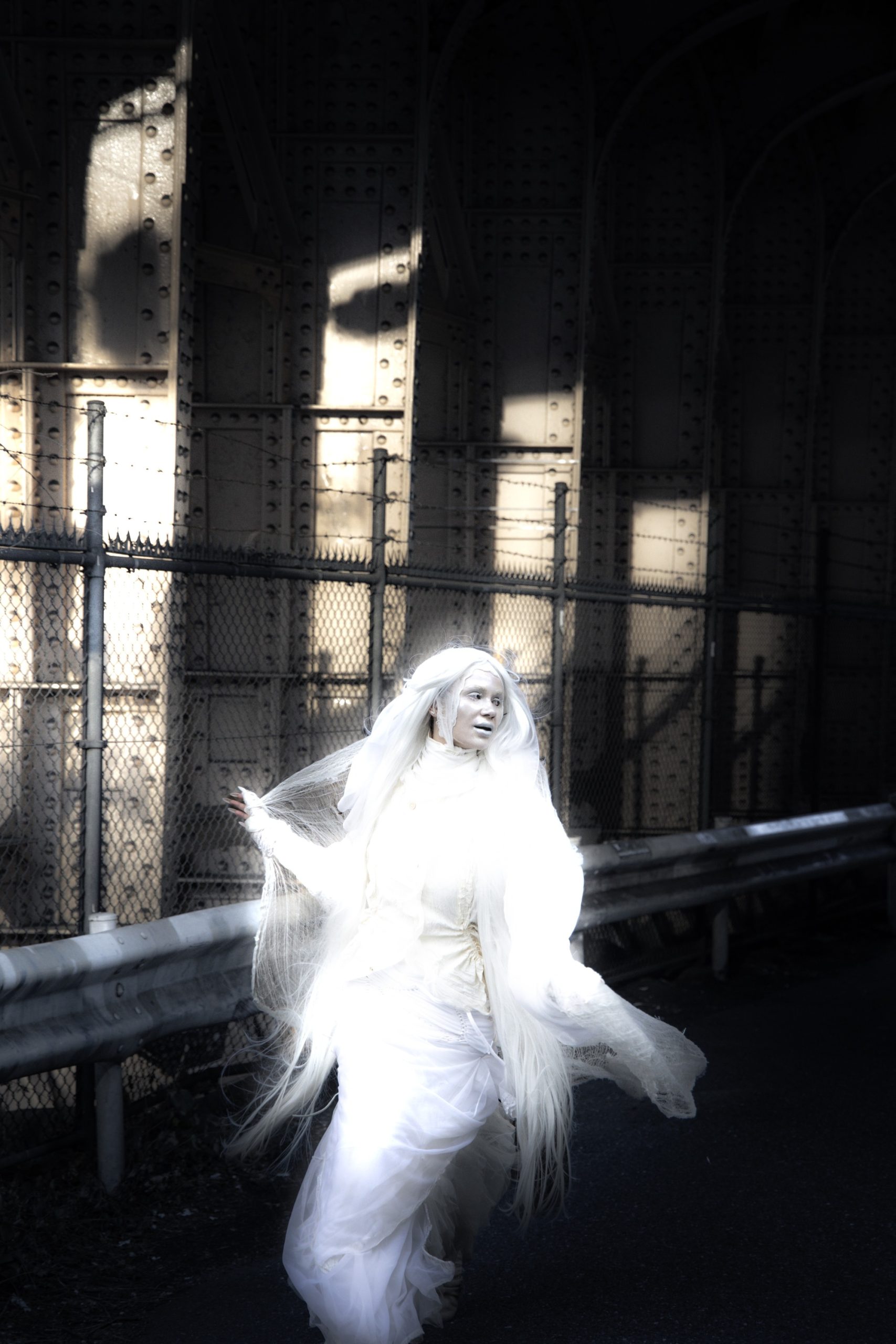
“Sorry Eyed” is a dark shoegaze and alternative rock ballad by personalheartbreaker and ENCASSATOR that explores the space between obsession, emotional dependence, manipulation, and remorse. The new single slowly reveals how reliance is a form of oppression, not just weakness. The result is a psychologically complex song that pulls you into a relationship where trust and exploitation are not mutually exclusive.
The track takes an unsettling emotional turn through its manipulator’s perspective in “Sorry Eyed.” At first, the narrator seems dependent on another person, as if they need comfort, connection, or support. But as the story progresses, that openness starts to resemble exploitation. The song’s heart is the power imbalance, where regret always clashes with self-interest.
This struggle gives the song its emotional weight, because the narrator knows the damage he’s causing but is still addicted to the perks of manipulation. The accompanying music video arrives September 30th and carries that story further with the angel’s trust, devotion, and sacrifice. What begins with faith in a fellow man ends in destruction and offers visual counterpoint to the song’s themes.
“Sorry Eyed” is a collaboration with ENCASSATOR, who produced, recorded, mixed, and mastered the song and played a major role in its development. That full creative engagement helps shape the single into one cohesive piece, where the track’s dark alternative rock, shoegaze identity doesn’t detract from the story but supports it. “Sorry Eyed” is a strong pick for fans who love exploring manipulation and complicated relationships.
Artist Spotlight
“Hell has frozen over” finds Sarina choosing peace over being understood
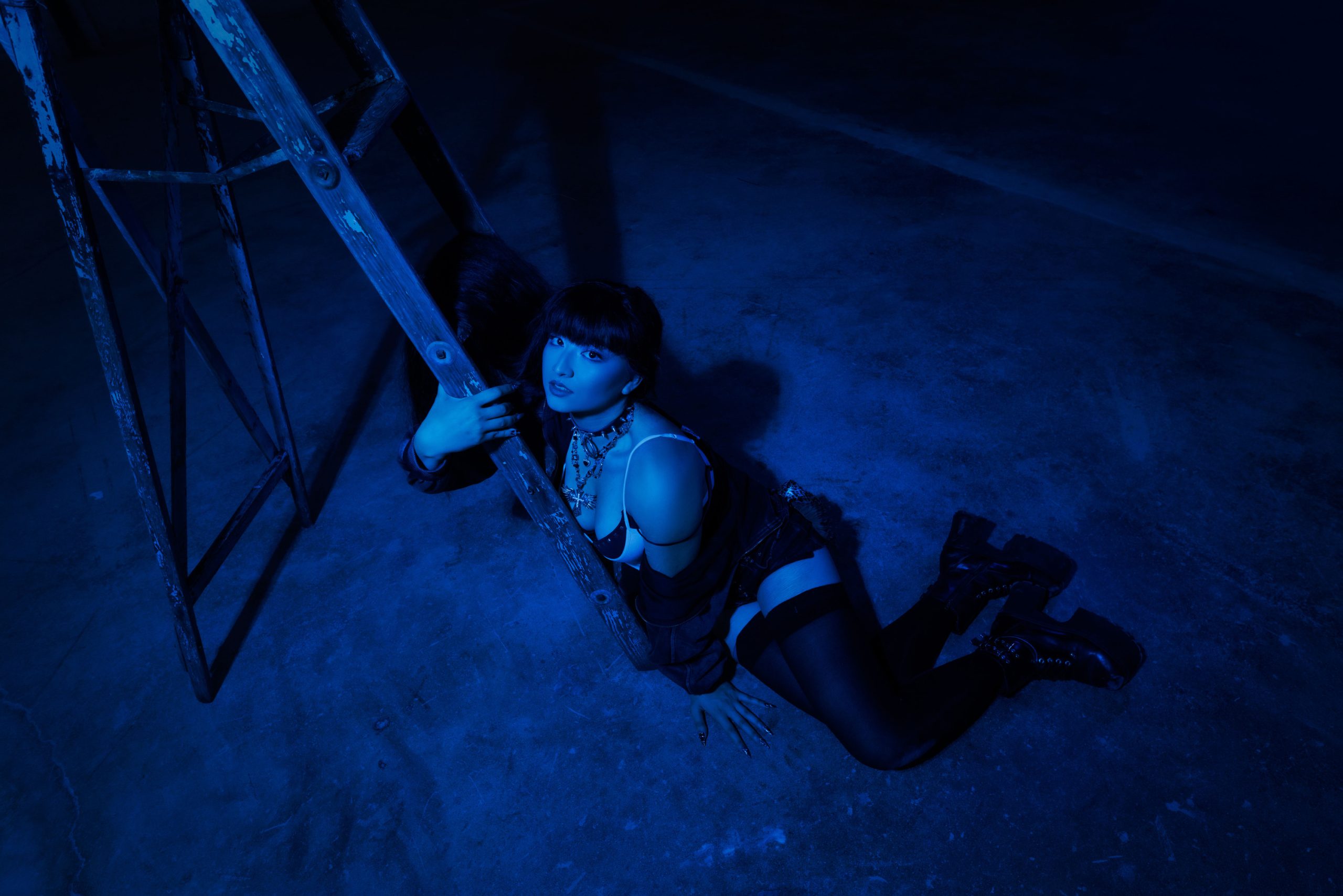
Sarina’s new track, “Hell has frozen over,” explores the less dramatic, more complicated moment of reaching the end of the road, being gaslit, ignored, rejected, and painfully lonely. It translates the emotional burnout into a rock-pop context that’s easy to understand.
“Hell has frozen over” focuses on the decision to step away, instead of explaining, defending, or seeking understanding from people who refuse to listen. The rock foundation gives it the right weight, the pop influence makes it accessible, and the focus stays on the emotional message.
Sarina’s art is the struggle of loss and being strong in yourself. It’s about understanding that protecting your peace is more important than being understood. And that’s the emotional balance that gives the release its character so that the subject matter has relevance beyond a particular circumstance.
“Hell has frozen over“ is a relief from the burden of carrying on a debate that will never be resolved. Sarina turns an experience of isolation into a statement about boundaries, resilience, and the choice not to get caught in the same cycle. The result is a record that’s at its best when it’s being true to what it feels like to finally be free from whatever has been holding you down.
Photo Credit: Andrea Hunter

-
 Artist Spotlight2 days ago
C’batch turns an old guitar performance into a new story with “Our Little Pooh Pea (The Last Light) 4 – Cinematic”
-

 Artist Spotlight5 days ago
“NO MORE” by Amanda Holley connects healing, awakening, and survival
-

 Artist Spotlight3 days ago
Sara Diana follows a wild spirit into the moonlight on latest release “Her Hair’s Like Fire”
-
 Artist Spotlight5 days ago
“Subterranean Homesick Blues” finds a new direction through Ghost of Panama
-

 Artist Spotlight5 days ago
Lisa Jo draws a line under the past with latest release “Done Druggin’ Away the Pain”
-
 Artist Spotlight4 days ago
Tabi Harlowe captures the ache behind attraction with latest release “So Pretty (It Hurts)”
-
 Artist Spotlight4 days ago
Dusty Edinger crackle tension into rock electricity with latest release “We Outshine”
-
 Artist Spotlight3 days ago
Temidayo Balogun bridges tradition and modern expression on latest release “Ori I “Concept of Democracy”