
Album Review
Wastelander’s New Album “What is Left of Me”

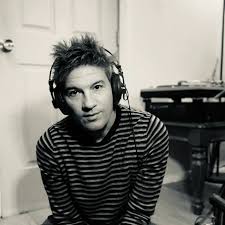
From the poetic folk-rock rundown that we encounter in “Get Older” to the more eclectic feel of “Room Full of Elephants,” the pastoral qualities found in “Broken Leg,” and simplistic melodicism of the rather rousing “Never Trust a Man,” there’s scarcely a moment in Wastelander’s new album What is Left of Me where veteran singer/songwriter Cooper Formant doesn’t sound completely at ease in the recording studio. It can be said that he’s turned in some quality work before now, I think that this latest effort might just be the most confident he’s ever sounded. Under the Wastelander moniker, Formant goes out of his way to reject the filler that many in his age group have come to lean on when crafting a new album, instead favoring a concept that gets back to the basics of folk-rock rhythms and haunting new school harmonies while still allowing himself to explore his depth as a songwriter and arranger. The aptly titled What is Left of Me covers a lot of ground both emotionally and artistically, and I think it’s this player’s most intriguing work to date.
The tempo is as expressive as any of the melodies are in “I Just Want to Be Your Friend (featuring Erin Rae),” the mildly restless “Figure it Out,” superbly paced “Caduceus” and the churning yet wistful “Be Where (also with Rae),” and from where I sit, I think it was important to make it as prominent a feature in What is Left of Me as it wound up being. There’s a great warmth to the fretwork we find throughout this tracklist, and honestly, had the rhythm not been given a little extra panache from Formant, I’m not sure that this record would feel as multidimensional and versatile as it does in this particular instance. Formant’s vocal is challenged for authority over the harmony in “Natural Light” and the similarly absorbing “Get it Right,” but even when the backing instrumentation is giving him a serious run for his money, I don’t believe there’s ever a moment in this LP where he isn’t sounding like the true star of the show from top to bottom. What is Left of Me sports a terrific production quality, but it’s clear to me that all twelve of its obstinate songs would likely sound just as charming in a stripped-down arrangement as they do here.
If what I’m hearing in this latest release from Cooper Formant is essentially just a taste of what he’s planning on filling this unfolding chapter in his career with, then I think it would be safe for his fans and critics to assume that he’s far from finished as a singer/songwriter. Formant has magnificent energy and enthusiasm in this album that is reminiscent of some of the best singers to pick up a guitar, and if he’s able to bring the same trademark tonality he’s injected songs like the title cut and “As You See” with here, I believe he’s going to see a lot more success on the mainstream side of the industry than he has in previous outings in bands like the Fluids. He’s not necessarily breaking any rules in What is Left of Me, but he’s signifying some outstanding consistency as an artist.
Christian Gardenhire








Album Review
Ty Wilson delivers grit and heart on new country album “Northern Heart, Southern Soul”

Ty Wilson’s “Northern Heart, Southern Soul” arrives like a long stretch of open highway at sunset as an honest, contemplative, and strategic ballad. Wilson’s eight-song LP marks the end of a project that melds his Canadian roots with the time-tested sounds of Southern country and Americana.
To give the album its sound, Wilson enlisted Nashville-based producer and drummer Jay Tooke, who has worked with groups such as The Steel Woods, Randy Houser, and Wyatt Flores. Production and engineering were handled by Edgewater Music Group, which is based in Texas, and the result is a brief but potent album that embraces the Southern sound he cherishes while retaining Wilson’s unique storytelling.
Always wanting to release a full-length album, Wilson has accomplished that with “Northern Heart, Southern Soul,” and its tied-together story reflects themes of perseverance, love, and contemplation. “Chasin’ Headlights“ is dedicated to his fiancée, a rock that sustains him on his busy touring schedule. It captures the silent grit that accompanies a life on the road. The album’s second single, “Alabama Way,“ is an unabashed nod to the Southern influences on the album after Wilson’s Red Dirt-informed sound.
Filling out the emotional spectrum of this album are songs like “Good Thing Goin’” and “Missin’ the Boat,“ which indulge happy thoughts about romance and momentum, alongside deeper rumination on regret and fidelity in works like “Can’t Live Without Her.“ “Knew You Then,“ with Mason Keck, brings a reflective edge as it reminisces about relationships and the passage of time.
One of the best songs on the album is “Born to Lose,” and it’s a testament to the power of classic country storytelling. The power of hard times and perseverance underlies this song, which serves as a stirring reminder that some of the most poignant voices in populist music are born of struggle. The final song, “Glory, When I Win,” is equally good and provides a triumphant emotional payoff. The song really demonstrates how difficult it is for independent artists to break through. They have to cope with failure and keep going, hoping the next mile will be a winner.
“Northern Heart, Southern Soul” is a brief work at just 26 minutes and 40 seconds long, and it’s about keeping it real. It illustrates how a northern identity and southern influence can coexist, proving that exceptional country music has no geographical boundaries.
Connect with Ty Wilson on Website | Facebook | Instagram | Spotify | TikTok |
Album Review
Saint Escape sets the past on fire with latest release “Look At What You Made”

Saint Escape isn’t here to reconcile the past, they’re here to torch it. Now, with the release of their new single “Look At What You Made,” Saint Escape have unleashed a punishing, nu-metal-infused anthem that just sounds like an equal measure of reckoning and release. It is loud, confrontational, and honest, exactly what a purging rock record should be.
Produced and mixed by Joe Rickard, Starset, Three Days Grace, Breaking Benjamin, the track delivers a tight punch that fuses wild aggression and arena-sized power. “Look At What You Made” doesn’t stop. Rickard’s slick production redoubles Saint Escape’s raw edge rather than sanding it down, and the song takes on a huge, modern rock sound without losing its bite.
“Look At What You Made” is a primal response to toxic authority figures, the kind who kept order through fear, misinformation, and control, and knew where best to leave emotional scars. On “Look At What You Made,” the anger boiling beneath the surface becomes something purposeful, an anthem for anyone who’s been moulded by manipulation and left in its wake. The effect is communal shake-off, a determination not to be shaped by the past.
And lead vocalist Matt Cox provides a threatening, buffed clean vocal performance, of sorts as well, one that’s heavy with anger and determination. There is rage here, but also clarity, a sense that this is less about revenge than about reclaiming autonomy. As Cox puts it, the song is a purge, a reminder that the future belongs to those willing to to take it back. “Look At What You Made” is a testament to strength and newfound independence, it’s further evidence that Saint Escape are bleeding their past into something louder, stranger, and harder to ignore.

-

 Artist Spotlight5 days ago
Philly and Suzy poke fun at politics with “Dirty Little Girl”
-
 Artist Spotlight5 days ago
Matt Johnson breathes new life into “For Good” with a solo piano interpretation
-
 Artist Spotlight5 days ago
PJ Far-West Selecta drops roots reggae single to lift spirits on “Jah Jah Riddims”
-

 Artist Spotlight5 days ago
Eylsia sings faith and healing in every note on “He Walked Among Us”
-

 Artist Spotlight3 days ago
François Marius & Bérénice turn moments into magic with “Happy Day”
-

 Artist Spotlight5 days ago
SweetCandy! and LAF822 flip the script in “Christmas in May”
-

 Artist Spotlight3 days ago
Vibrational Match serves up light and breezy vibes in “On a Sunny Shore”
-

 Artist Spotlight3 days ago
Spiros Exaras blends jazz with greek roots on “Kalamatiano Medley”