
Featured
Eric Schroeder Releases Album
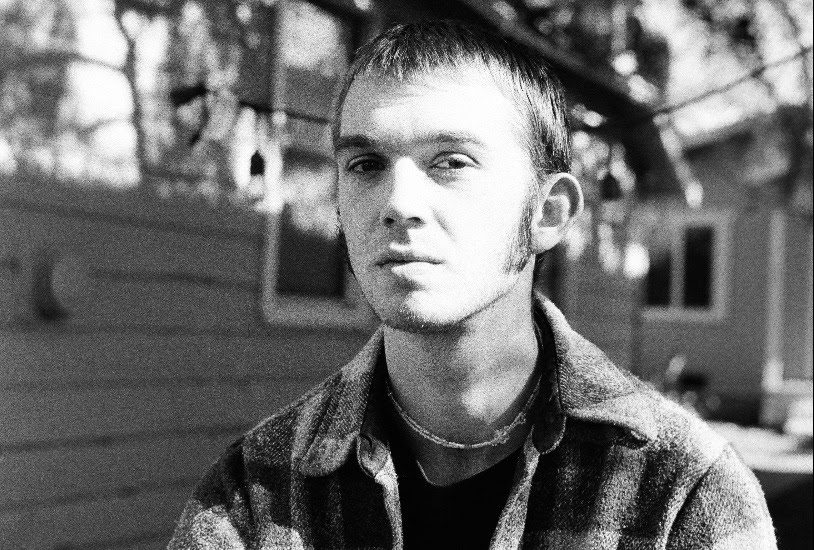
If you’ve ever heard the music of Eric Schroeder before, you already know that melodic sting is often the backbone of his heady rock sound, but in his latest release Turned on the Stereo, which was released this year everywhere quality indie-rock is sold and streamed, it plays as great a role as the lead vocal does. The guitar is the star in the title track of this LP, much as it guides the grooves of singles “Parting (No. 2)” and “Stayed the Same,” and whether you’re a six-string buff or not, it’s an element that will engage anyone who catches a glimpse of this album’s most powerful moments.
There’s a lot more to Turned on the Stereo than just gilded guitar tones; after all, when listening to songs like “Mother Said,” “The Kind of Wound That Never Heals,” “Plan For Me” and the juggernaut “Never Go Away,” everything from the percussion to the vocal harmony itself is presenting us with a different layer of emotion. There’s scarcely a juncture in this record where Schroeder doesn’t sound deeply invested in the narrative he’s trying to get across, which is something I could only wish to see among his mainstream competitors nowadays.
At the center of every song on this LP is the magnetizing melodicism of the leading man, which despite flexing some legit muscle in past releases bearing the Eric Schroeder name sounds much more relaxed and on-point in tracks like “Do Done Now,” “Claire’s Song” and “Easier Way to Go” than it ever did before. There’s no hesitation on the part of our leading man here; if anything, I’m not sure that he’s come across quite as confident in his performance as he does in a couple of this record’s most climactic fever pitches.
As far as the production quality is concerned, Turned on the Stereo is a superbly tight album that doesn’t leave us guessing how richly textured and full a song like the title track or “Never Go Away” might sound in a live capacity, which is undeniably a tough feat to pull off. It’s perhaps not as evenly mixed as The Crucifixion of Eric Schroeder was, but I don’t know that he was looking to go super-polished in this instance; there’s a certain authenticity that comes with filtering fresh material through a raw, unconventional sound, and that could be why this LP stings as hard as it does.
Though I just started exploring Eric Schroeder’s complete discography a little closer this April, I’ve come to appreciate his approach to songwriting all the more thanks to Turned on the Stereo, which I deem the most mature offering he has released thus far. Schroeder isn’t working with major label assets by any means here, but he’s nevertheless turning in something that feels wholly compelling and different from what his contemporaries are producing in this first half of 2024, and that alone makes it a worthwhile listen for anyone who demands organic quality in rock anymore. Top to bottom, this is a terrific listen for those who love indie riffs and smoldering lyrical emissions.
Sebastian Cole







Artist Spotlight
personalheartbreaker and ENCASSATOR unpack manipulation, obsession and remorse on “Sorry Eyed”
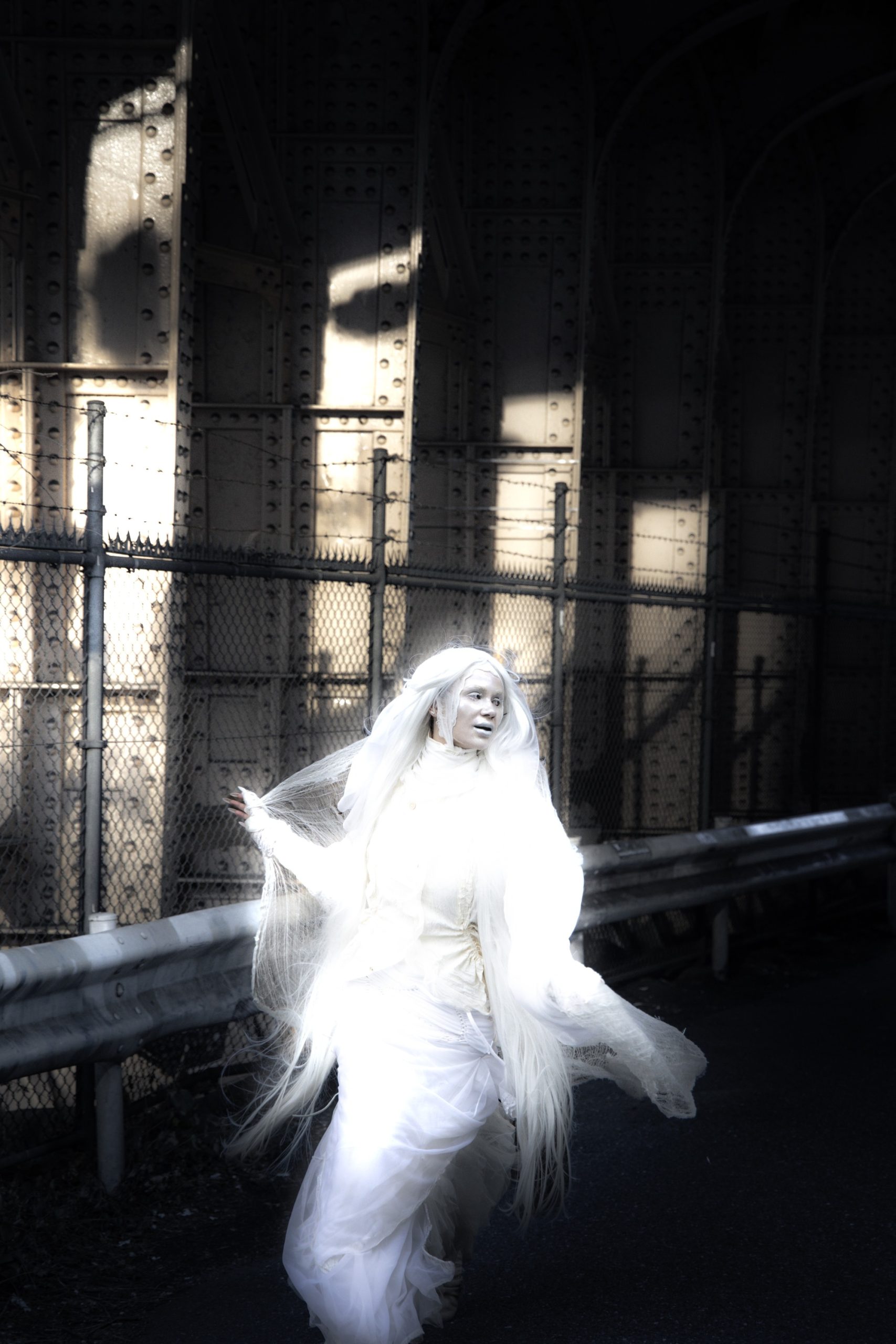
“Sorry Eyed” is a dark shoegaze and alternative rock ballad by personalheartbreaker and ENCASSATOR that explores the space between obsession, emotional dependence, manipulation, and remorse. The new single slowly reveals how reliance is a form of oppression, not just weakness. The result is a psychologically complex song that pulls you into a relationship where trust and exploitation are not mutually exclusive.
The track takes an unsettling emotional turn through its manipulator’s perspective in “Sorry Eyed.” At first, the narrator seems dependent on another person, as if they need comfort, connection, or support. But as the story progresses, that openness starts to resemble exploitation. The song’s heart is the power imbalance, where regret always clashes with self-interest.
This struggle gives the song its emotional weight, because the narrator knows the damage he’s causing but is still addicted to the perks of manipulation. The accompanying music video arrives September 30th and carries that story further with the angel’s trust, devotion, and sacrifice. What begins with faith in a fellow man ends in destruction and offers visual counterpoint to the song’s themes.
“Sorry Eyed” is a collaboration with ENCASSATOR, who produced, recorded, mixed, and mastered the song and played a major role in its development. That full creative engagement helps shape the single into one cohesive piece, where the track’s dark alternative rock, shoegaze identity doesn’t detract from the story but supports it. “Sorry Eyed” is a strong pick for fans who love exploring manipulation and complicated relationships.
Artist Spotlight
“Hell has frozen over” finds Sarina choosing peace over being understood
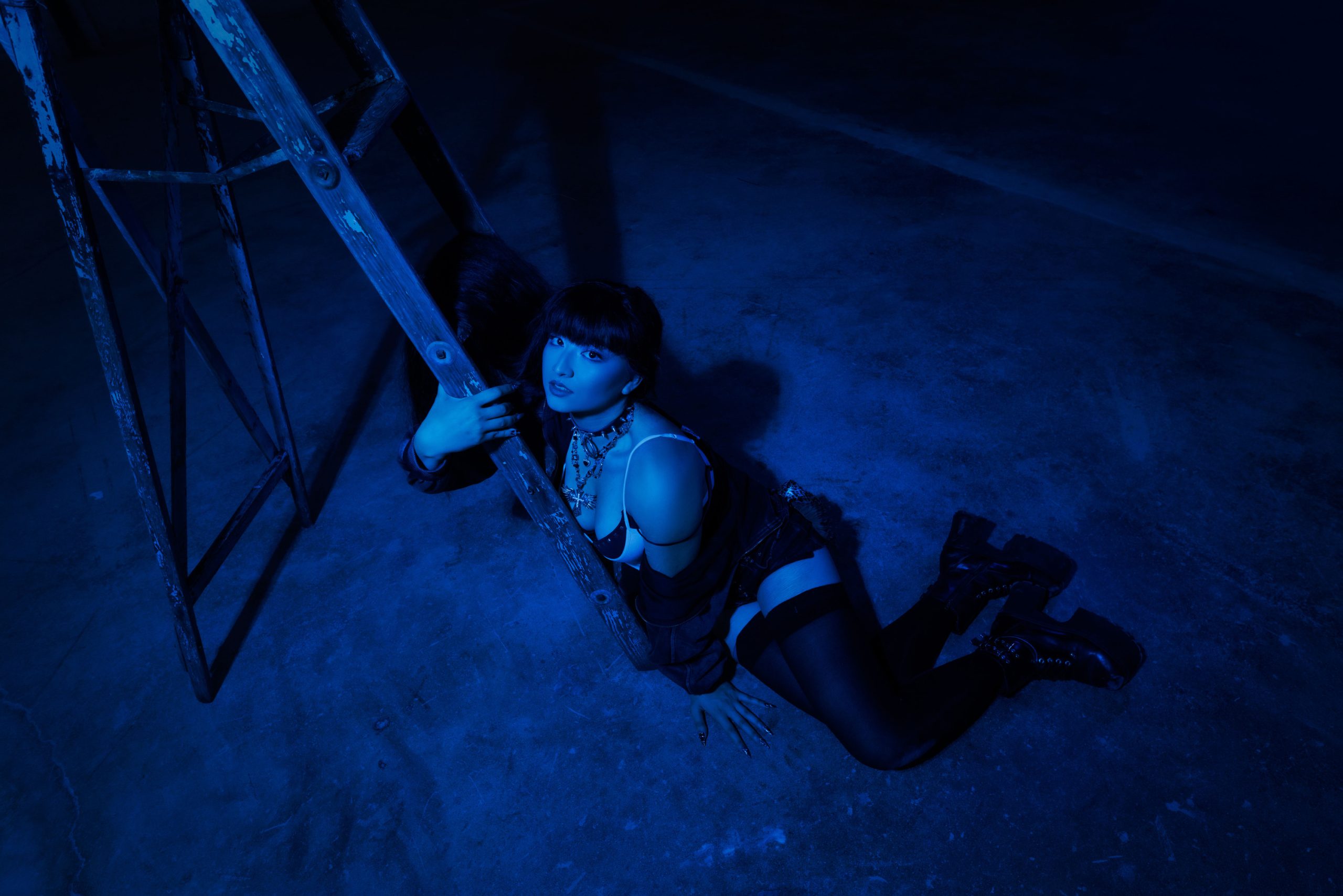
Sarina’s new track, “Hell has frozen over,” explores the less dramatic, more complicated moment of reaching the end of the road, being gaslit, ignored, rejected, and painfully lonely. It translates the emotional burnout into a rock-pop context that’s easy to understand.
“Hell has frozen over” focuses on the decision to step away, instead of explaining, defending, or seeking understanding from people who refuse to listen. The rock foundation gives it the right weight, the pop influence makes it accessible, and the focus stays on the emotional message.
Sarina’s art is the struggle of loss and being strong in yourself. It’s about understanding that protecting your peace is more important than being understood. And that’s the emotional balance that gives the release its character so that the subject matter has relevance beyond a particular circumstance.
“Hell has frozen over“ is a relief from the burden of carrying on a debate that will never be resolved. Sarina turns an experience of isolation into a statement about boundaries, resilience, and the choice not to get caught in the same cycle. The result is a record that’s at its best when it’s being true to what it feels like to finally be free from whatever has been holding you down.
Photo Credit: Andrea Hunter

-
 Artist Spotlight3 days ago
C’batch turns an old guitar performance into a new story with “Our Little Pooh Pea (The Last Light) 4 – Cinematic”
-

 Artist Spotlight5 days ago
Sara Diana follows a wild spirit into the moonlight on latest release “Her Hair’s Like Fire”
-

 Artist Spotlight6 days ago
“NO MORE” by Amanda Holley connects healing, awakening, and survival
-
 Artist Spotlight6 days ago
Lisa Jo draws a line under the past with latest release “Done Druggin’ Away the Pain”
-
 Artist Spotlight6 days ago
“Subterranean Homesick Blues” finds a new direction through Ghost of Panama
-
 Artist Spotlight5 days ago
Tabi Harlowe captures the ache behind attraction with latest release “So Pretty (It Hurts)”
-
 Artist Spotlight5 days ago
Dusty Edinger crackle tension into rock electricity with latest release “We Outshine”
-

 Artist Spotlight2 days ago
Girlhood finds summer warmth and quiet freedom on “Lemon Aid”