
Music
Leajato Robinson’s “Lullaby” is a gentle jazz farewell that speaks to the soul

With “Lullaby”, composer and lyricist Leajato Robinson delivers an intimate meditation on life, loss, and the quiet beauty of letting go. This contemporary jazz piece unfolds like a whispered conversation between souls, an offering of grace in a world often too loud to hear its own heartbeat. At the heart of this recording is the stunning vocal performance by Carolyn Leonhart, whose delivery carries both fragility and strength. Her voice inhabits lines like “You will wander, be alone, laugh and cry, wonder why” that resonate with lived-in honesty, echoing the tender truth that every life must journey through its own mix of solitude and wonder.
Behind her, a remarkable ensemble of musicians builds a sound that feels at once delicate and expansive. Bennett Paster’s piano arrangement sets the stage with measured elegance, every chord placed with intention. Jim Whitney’s bass provides a grounding warmth, while Freddie Bryant’s guitar textures add depth without ever crowding the space. Completing the circle, Rob Garcia’s drums weave subtle rhythms that breathe with the song rather than push against it. Together, the musicians create an atmosphere that feels organic. What makes “Lullaby” so striking is its restraint. Rather than resorting to drama, Robinson and his collaborators rely on the power of subtlety. The song offers listeners the chance to truly feel each note and each word. It’s this sense of space that elevates the piece from simply a beautiful song to an experience of reflection.
Robinson works with elemental imagery, yet the metaphors never feel distant or abstract. Instead, they carry a tenderness that makes them deeply personal, as though the songwriter is gently holding a friend’s hand through a moment of parting. It is a farewell, yes, but one wrapped in love and hope rather than sorrow. “Lullaby” reminds us that music can be both a shelter and a mirror, a space to pause and remember the quiet beauty of being alive. Robinson and his ensemble have crafted a song that feels less like a performance and more like a presence.

Artist Spotlight
The Night and The Dirty explore personal growth and memory on “Reflections”
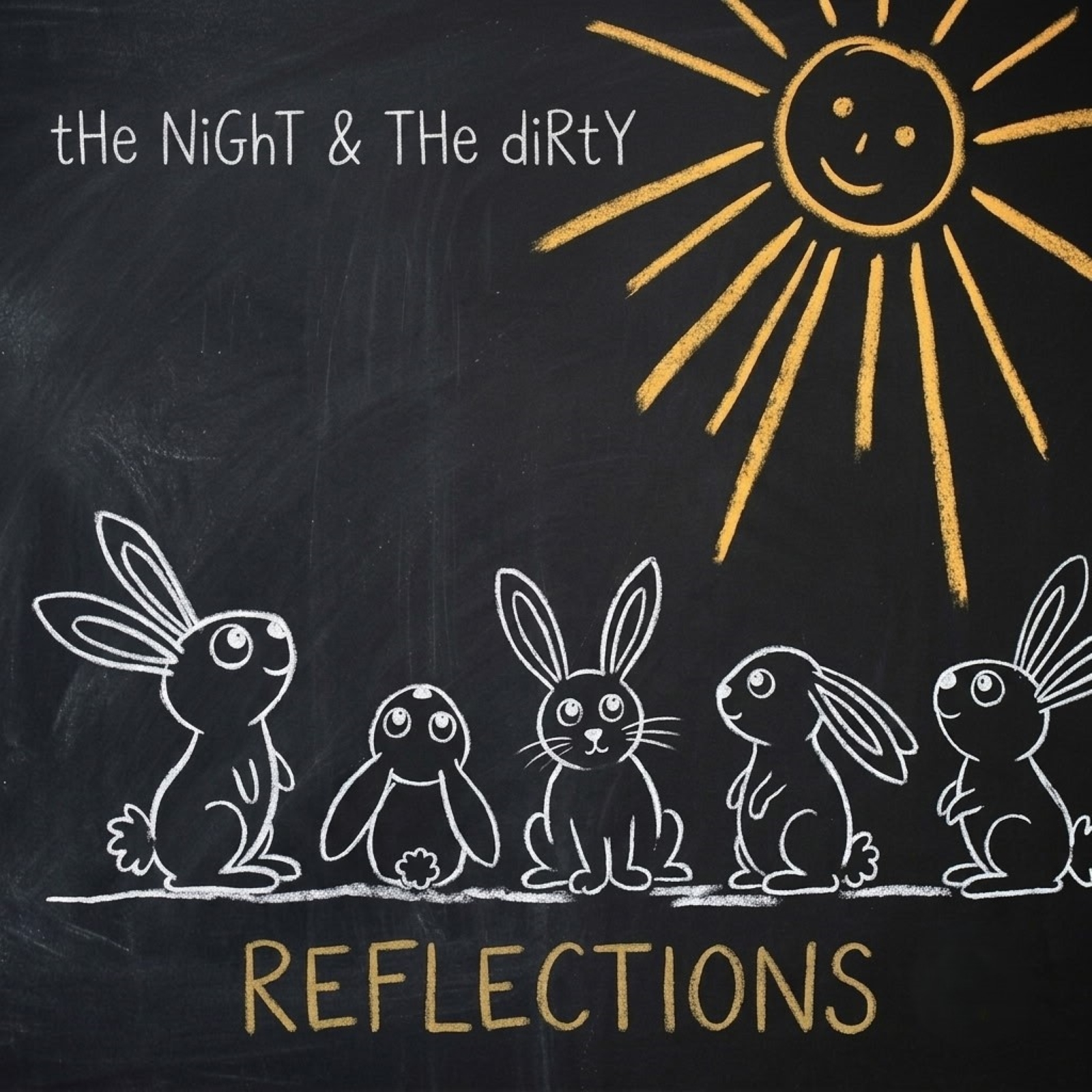
Looking back can bring up old feelings, but it can also show how much someone has changed. The Night and The Dirty operate in this space with “Reflections,” an alt-rock/folk-rock song built around introspection, memory, and the personal growth that comes from coming to terms with the past.
“Reflections” draws its emotional power from the link between pain and self-discovery. The song explores how we can look back and learn who we are today, rather than leaving memories behind. The themes feel personal but not out of touch, and you can relate the song’s ideas to your own life.
The Night and The Dirty fuse alternative-rock atmosphere with folk-rock introspection. That mix works well for a song about emotional depth and personal transformation. “Reflections” is the simple act of looking inward and returning to moments that left an indelible impression.
The single also hints at the band’s broader artistic arc. The Night and The Dirty are independent artists who love music with character, atmosphere, and emotional substance. “Reflections“ takes that approach, exploring memories, inner questions, and the slow work of self-understanding. With “Reflections,” The Night and The Dirty gives you a chance to look back and see how you’ve changed. This release is a thoughtful addition to their atmospheric alt-rock and folk-rock direction.
Album Review
Tangent return with “Disclosure,” a dark electronic journey through truth and uncertainty [album]
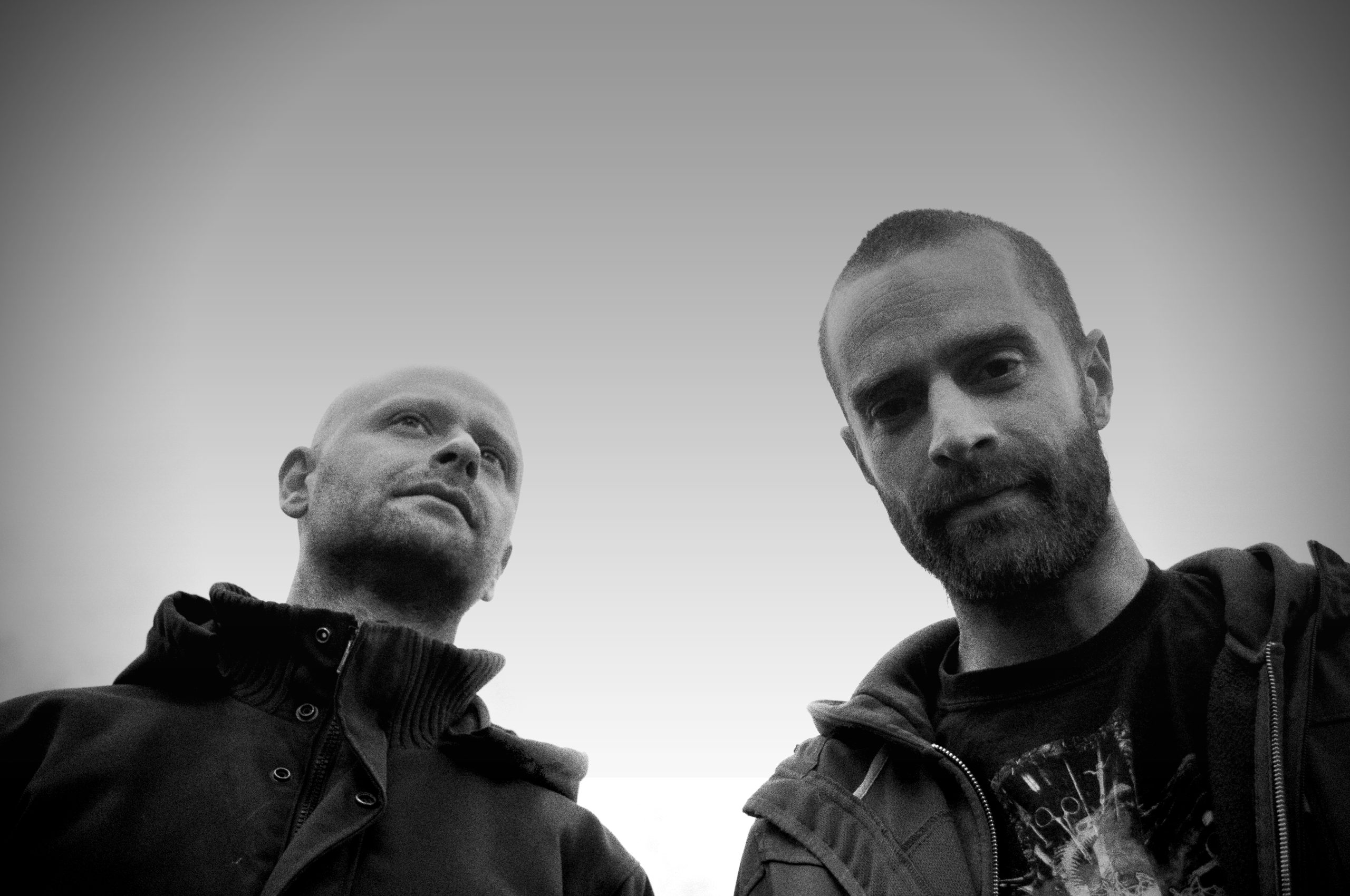
Dutch electronic duo Tangent returns after a 3-year hiatus with “Disclosure,” their 7th album, released today via n5MD. The album draws on ambient, electronic, and IDM sounds, revisiting the shadowy, dystopian atmosphere that has long defined the duo’s musical identity.
“Disclosure” references these themes: things long hidden, inner conflict, doubt, and facing what’s been kept out of sight for a long time, after a hard time and a long hiatus. Tangent creates a world where darkness and hope can live together across seven tracks.

The opening title track, “Disclosure,” sets the tone, tracing the slow arrival of uncomfortable truths. At its heart, the idea moves from creepy tension to a darker, heavier reality, with a growing sense of discomfort. “Absence of Force” explores the resistance of silence and the search for your voice through control and emotional control.
The next track, “Unfound Existence,” is introspective and concerns the search for identity and self-understanding. Its theme of entering uncharted personal or creative territory adds a further dimension to the album’s rumination on change and uncertainty.
“Denial” explores internal conflict in the face of difficult realities. The track explores the gap between what people know and what they are prepared to accept. “Vector of Acceleration” suggests a more primitive existential horror, the sense that things are slipping out of our control. Another way to look at this tension is “Sonoluminescence,” a track about hope, survival, and seeing the light after the dark. It’s an emotional breath of fresh air in the album’s dark world.
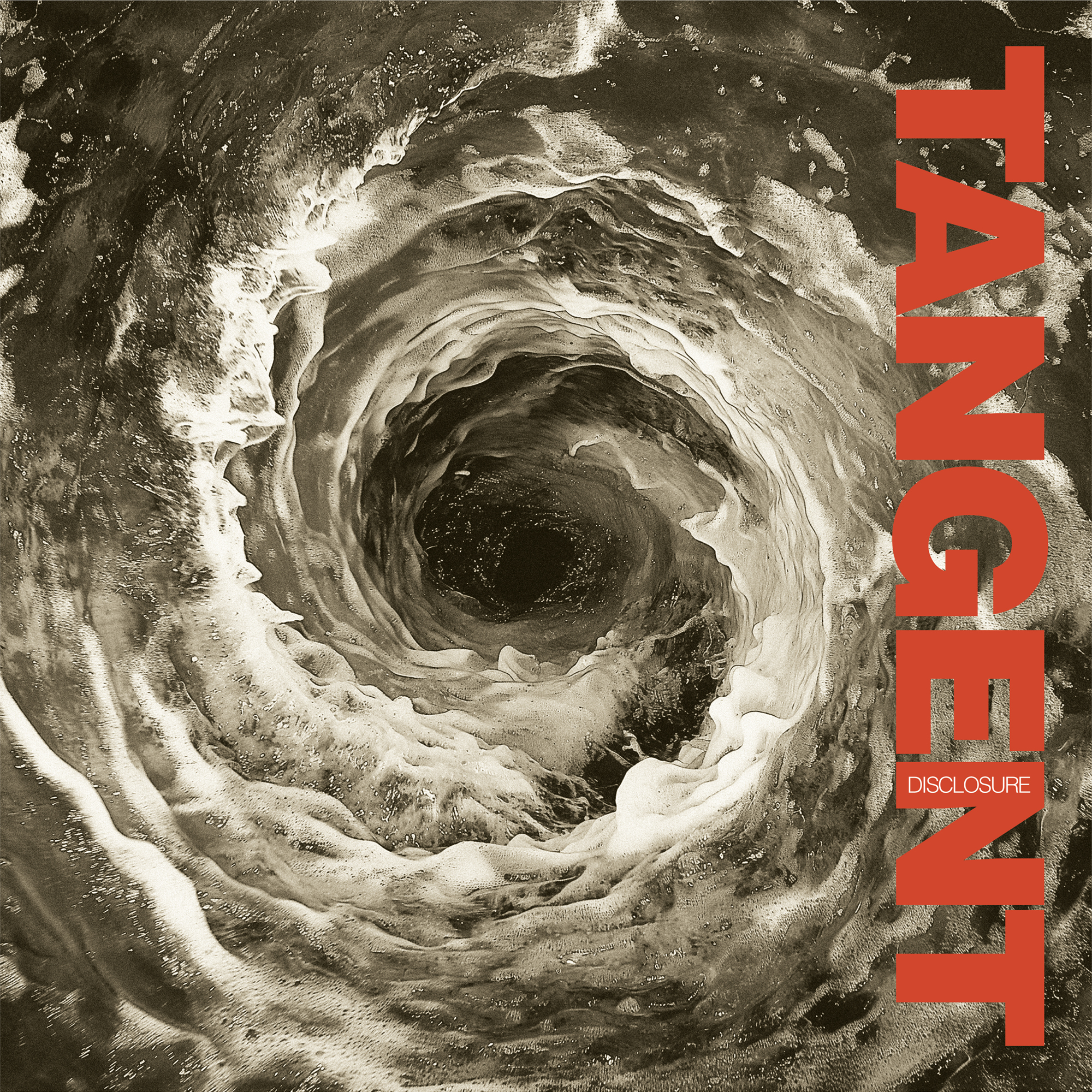
“Opposing Forces“ is the album’s closing track, and it leaves you with a feeling of tension and unresolvedness. It captures the eternal struggle between hope, darkness, and change, without a clear answer. Tangent is back in the sound with “Disclosure,” and each song approaches that territory from a different angle, creating a connected journey through hard truths, personal discovery, fear, and the possibility of moving forward. The album invites you to sit with the questions.

-

 Artist Spotlight5 days ago
Myster Rhythm searches for answers and reconciliation on latest release “What’s Goin On?”
-

 Artist Spotlight5 days ago
Amerakin Overdose turns betrayal into a battle cry on latest release “Parasite”
-

 Artist Spotlight5 days ago
Aric Coyote calls for unity and a brighter tomorrow on latest release “Children of The Sun”
-

 Artist Spotlight4 days ago
Carl Kammeyer turns personal appreciation into universal connection with “Only You”
-

 Artist Spotlight4 days ago
Brian Asha celebrates real-life adventure on “Mighty Man (Jack De Keyzer’s Rock’n’Roll Remix)”
-

 Artist Spotlight3 days ago
Eylsia proves that hope can find its voice even through hardship in “Find Another Way”
-

 Artist Spotlight5 days ago
Eylsia finds love in life’s smallest moments on latest release “I See You”
-

 Album Review2 days ago
From heartbreak to hope, Sacha Mullin maps the human experience on “Social Touch” [album]