
News
UK Supreme Court Defines ‘Woman’ and ‘Sex’ as Biological in Landmark 2025 Ruling
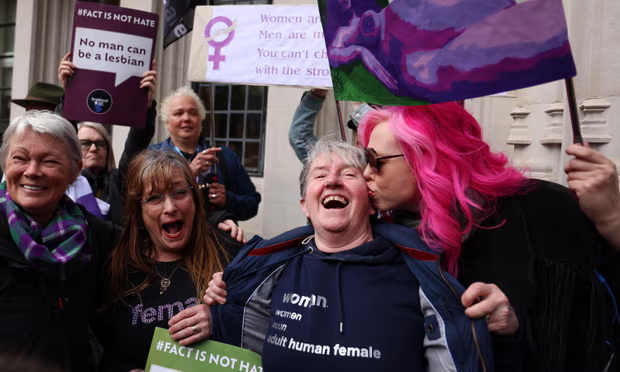
On April 16, 2025, the UK Supreme Court ruled unanimously and definitively that, in the context of the Equality Act 2010, the terms “woman” and “sex” exclusively mean biological sex. This landmark decision will affect gender-based rights and protections across England, Wales, and Northern Ireland. The case was brought by the feminist pressure group For Women Scotland regarding the Scottish government’s understanding of the Gender Representation on Public Boards (Scotland) Act 2018. The law was intended to create gender balance on public sector boards by defining transgender women, those born male but who had legally changed genders, as being “women” under the law.
For Women Scotland argued that this interpretation exceeded the Scottish Parliament’s legislative competence and was inconsistent with the Equality Act 2010. They said the definition of “woman” should be based on biological sex to protect the integrity of single-sex spaces and services. The Supreme Court decision confirmed that for the Equality Act, “woman” and “sex” relate to biological sex. So, under this particular legislation, when it comes to people who have transitioned and gained a Gender Recognition Certificate (GRC), they are not legally recognised as women.
The court stressed that while the protected characteristic of gender reassignment covered transgender people, the 2010 definition of “sex” in the Equality Act is “still based on biology.” This distinction is critical in single-sex exemptions, such as women-only shelters, sports teams and hospital wards. The ruling carries significant implications for interpreting and applying equality laws in the UK. By specifying that “sex” refers to biological sex, the verdict gives a legal basis to organizations and institutions that have adopted single-sex spaces and services.
Check out this article: Is Rihanna Secretly Shooting a Music Video in Paris?
Supporters of the ruling, such as For Women Scotland, maintain that it strengthens the rights and protections of biological women, guaranteeing that places meant for women are restricted to those born female. They cite this clarity as necessary for protecting privacy, safety, and fairness. On the other hand, groups advocating for transgender rights believe the ruling could bring worse treatment and exclusion of transgender people from facilities and services that match their gender identity. The decision drew condemnation from groups like Amnesty International, which called it a blow against the rights and dignity of transgender people.
The UK government later issued a statement welcoming the ruling, arguing it would help defend the importance of single-sex spaces. The ruling continues the government’s previous position that biological sex has legal significance in some pornography law contexts. In Scotland, the measure is a blow to the Scottish government’s plans to legislate for gender inclusivity. The ruling highlights the extent of devolved powers when challenged in light of UK-wide equality desires.
Responses from public figures and advocacy groups are divided. J.K. Rowling, the author of the Harry Potter series, is a staunch voice against such a narrative and has already endorsed For Women Scotland calls in the past. In parallel, LGBTQ+ and allied advocacy groups strive for the inclusion of policies that may permit and reflect gender identity in legal constructs. The decision of the Supreme Court establishes an approach that other legislation and policies on gender/sex in the UK are likely to be influenced by. It highlights a longstanding tension between biological definitions of sex and the recognition of gender identity in law. The challenges posed by such an opinion only point to societal divisions as we try to understand and grapple with the rights (or crimes) of those who may not identify with conventional labels.

News
Judge delays ruling on Lil Durk bond, release status still unclear
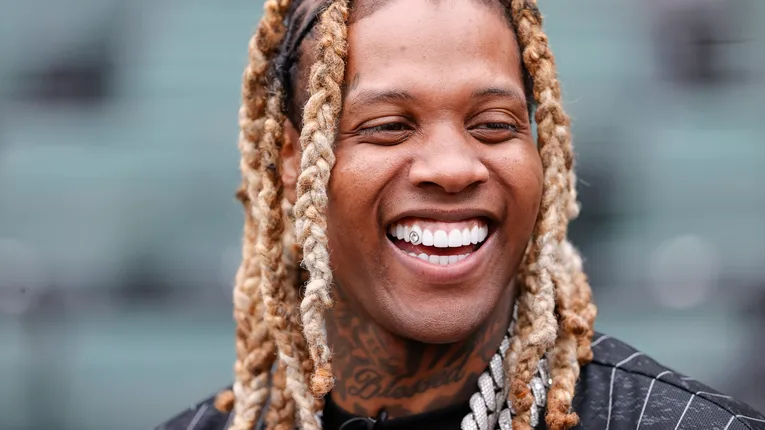
Lil Durk is still awaiting word on whether he will be granted bond after a hearing last week with Judge Michael W. Fitzgerald, who has yet to rule. The delay does not change the rapper’s legal status, as his defense is still pushing for his release ahead of a scheduled VICAR trial in August 2027.
At the bond hearing, Durk’s legal team argued why he should be allowed to return home while awaiting trial. His lawyers cited the time he has already spent in custody, noting he has been behind bars for some two years now. They also said he deserves some form of restitution after being found not guilty of the murder-for-hire plot involving Lul Pab detailed in the information given.
The defense also offered a significant bail package to support the request. The deal called for a proposed payment of $1 million and royalties from music publishing. Character letters from multiple high-profile people, including JAY-Z and J. Cole, also supported the package.
The letters were submitted as part of the defense’s bid to show support for Durk and bolster the case for his release. However, in its own filing, the prosecution downplayed the materials’ importance.
Hours before the bond hearing, prosecutors filed a response raising concerns about alleged contraband inside the jail. They accused Durk of bringing contraband into the facility, giving the court another issue to consider in weighing the defense’s request.
The prosecution also attacked the character letters submitted for Durk, saying they lacked substance. Its filing therefore challenged the allegations of conduct and the weight to be given to the defense’s support.
These competing arguments give the judge several issues to consider. On one hand, Durk’s attorneys cite the proposed financial conditions, character references, and his time in custody. In contrast, prosecutors allege factors that should weigh against his release.
No decision was made immediately after the hearing, and available information does not indicate when Judge Fitzgerald will rule. So Durk is in limbo, waiting for the next court move as both sides wait.
The rapper’s profile and the time he’s already spent in custody mean the case continues to draw attention. His defense wants him out long before his August 2027 trial, but the prosecution’s filing has added another layer to the bond proceedings.
The proposed $1 million payment, book royalties and letters from prominent figures have not yet produced an immediate result. The judge has not yet decided, and it is unclear what will happen to Durk’s custody.
These are the defense’s proposed conditions and the prosecution’s allegations. None of these should be considered a decision until the court decides. The next big thing will be Judge Fitzgerald’s ruling on whether Durk can be released pending trial.
News
Tupac Shakur Murder Case: Keefe D’s Appeal Accepted as Court Deadlines Loom
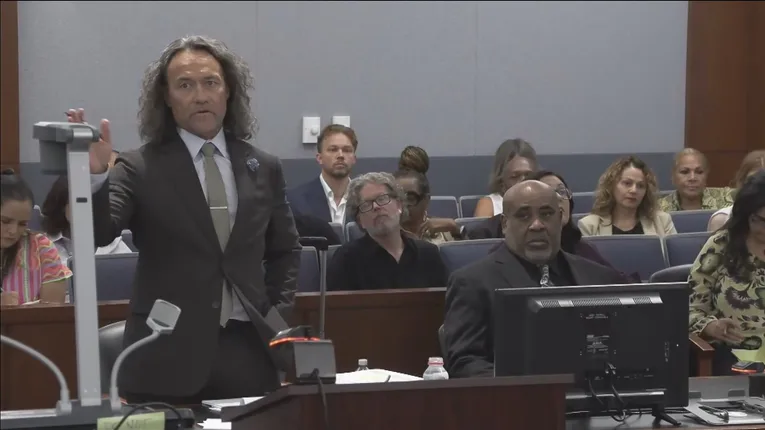
Duane “Keefe D” Davis cleared a key procedural step in his effort to overturn his murder conviction in the slaying of Tupac Shakur. Davis also faces several deadlines to file the necessary documents, and the Nevada Supreme Court has accepted his appeal, adding another legal development to the case.
Davis’ attorney, Michael Sanft, first filed the appeal on October 30. But Sanft died last week, and Davis has no lawyer at this time, according to the information. Despite that development, the court accepted and filed the appeal on November 9.
The acceptance is a step toward appealing the conviction, but it does not mean the conviction has been overturned or that Davis has won his appeal. Instead, the case is progressing to the next stage, where certain procedural requirements must be met.
According to the information, Davis has some deadlines looming. Within two weeks of the appeal being accepted, he must file a transcript request form.
He has three weeks to file a docketing statement. Beyond those initial requirements, Davis has four months to deliver an opening brief, which will be an important part of presenting his arguments in the appeal process.
The deadlines are complicating an already complicated situation, and Davis’Davis’ attorney is no longer available to take him on as a client. The information provided does not identify a replacement attorney or explain how his legal representation will be handled moving forward.
Sanft’s death also comes at a sensitive time in the proceedings. He filed the appeal before he died, so now the court has accepted a legal challenge from an attorney who is no longer able to continue working on the matter.
Davis’ first job is to make sure the proper documents are filed within the court’s deadlines. The next few weeks will be crucial, as missing procedural deadlines could further complicate the appeal.
The case is still closely watched because of its connection to Tupac, whose death has kept public attention alive. Davis’ bid to overturn his conviction adds another chapter to the legal drama surrounding the rapper’s killing.
But the acceptance of the appeal must be understood for what it is: permission for the appellate process to continue, not a ruling on the underlying arguments. The Nevada Supreme Court has not ruled to overturn Davis’s conviction based on the information provided.
Davis now faces a series of important steps: the transcript request is due in two weeks, the docketing statement in three, and the opening brief in four months. How those requirements are dealt with will dictate the next phase of his appeal.

-

 Artist Spotlight4 days ago
Séhkou unveils a beautiful connection between faith and intimacy on latest release “Song of Songs 1:3-4 (I Know)”
-

 Artist Spotlight4 days ago
Alias Wayne celebrates the beauty of genuine affection on latest release “Tribute”
-
 Artist Spotlight4 days ago
GMG_Grizz brings melodic rap and undeniable attitude on latest release “Something Slight”
-

 Artist Spotlight4 days ago
Mel Denisse creates an intimate escape from reality on latest release “underneath the world”
-

 Artist Spotlight4 days ago
François Marius pushes romantic excitement into a dancefloor celebration with “La Loco”
-

 Artist Spotlight3 days ago
Doble Pista explores the memories that stay with us on new single “Memoria en la Piel”
-

 Artist Spotlight5 days ago
Tingting Wu celebrates courage and freedom in instrumental piece “Carried by the Wind”
-

 Artist Spotlight2 days ago
Bash Co. examines emotional imprisonment and love on “Dungeon”